Leave Your Message

Blog

How to Choose the Right Insulation Membrane for Your Project

How to Choose the Right Insulation Membrane for Your Project

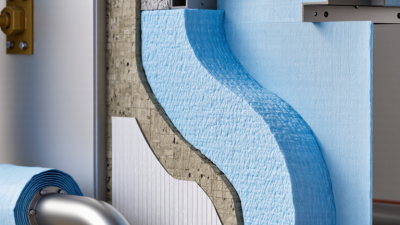
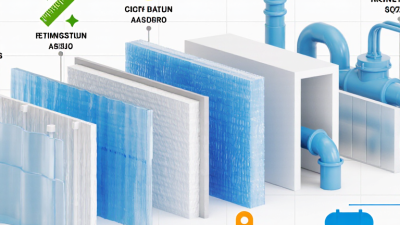
Picking the right insulation membrane really starts with one question: what is the building actually exposed to? Not just the thermal numbers on a brochure. Walls get hit by rain, wind, vapor movement, temperature swings, and, let's be honest, construction mistakes. The International Energy Agency says buildings used about 30% of global final energy in 2022. And according to UNEP, buildings were responsible for roughly 37% of global energy-related carbon emissions. So envelope performance isn't just a technical detail—it's a climate issue and a cost issue. A good selection process looks at permeability, water resistance, airtightness, tensile strength, fire performance, and how the membrane gets along with neighboring materials. A vapor-open membrane can help assemblies dry toward the outside. In cold or very humid conditions, though, a low-permeability membrane might be the better call. Climate zone matters. So does workmanship. The U.S. Department of Energy recommends continuous insulation and careful air sealing to cut heat loss and moisture risks. ASTM and ISO standards can guide testing, sure—but they can't replace judgment for your specific project. There's no perfect membrane. Anyone who promises one? That claim deserves a closer look. A product that shines in the lab can still fail if installers leave gaps around windows or squash the material. Before you approve anything, check the substrate, overlaps, fasteners, and drainage paths. Look at manufacturer data from names like Pro Clima, DuPont, or ROCKWOOL, then stack that against local codes and independent test results. The best pick balances energy efficiency, durability, real-world installation, and future maintenance. Ideally, it protects the assembly quietly—through winter frost, summer heat, and a decade of small mistakes.
Read more »
Sophie By:Sophie - October 12, 2026
China Top Insulation Cover Manufacturers for Global Buyers

China Top Insulation Cover Manufacturers for Global Buyers

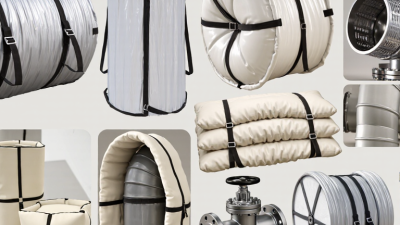
China has really turned into a go-to sourcing base for industrial thermal protection products. This guide takes a look at China’s top Insulation Cover manufacturers for global buyers who want consistent quality, practical customization, and export support they can actually count on. These suppliers usually work with pipework, valves, flanges, turbines, exhaust systems, and other heat-sensitive equipment. A capable manufacturer should know more than just which fabric to pick. It should look at operating temperature, equipment geometry, how easy the fasteners are to reach, washdown conditions, and how often maintenance happens. Materials might include fiberglass fabric, silica fabric, ceramic fiber, stainless steel mesh, and removable insulation blankets. Each one changes flexibility, service life, worker safety, and the total cost. Details really do matter. Good evidence can include technical drawings, sample approval records, material data sheets, inspection reports, and traceable production procedures. Buyers should also check stitching quality, edge treatment, labeling, packaging, and replacement support. A strong supplier can explain how its Insulation Cover handles irregular valves, narrow pipe gaps, and repeated removal cycles. This market is broad. But not every big factory is the right partner. Some suppliers have impressive catalogs, yet after the quotation stage they offer only limited engineering guidance. That weakness is worth paying attention to. Global buyers should compare test methods, communication speed, customization capability, and realistic delivery schedules, not just low prices. The manufacturers in this overview are considered through a practical sourcing lens, combining product knowledge, manufacturing experience, and verifiable documentation. Even so, buyers still need to run independent audits and confirm requirements before placing an order. A careful review often saves you from costly redesigns later.
Read more »
Ethan By:Ethan - October 7, 2026
How to Choose Aerogel Sheets for Thermal Insulation?

How to Choose Aerogel Sheets for Thermal Insulation?

Picking out Aerogel Sheets isn’t just about the product label — it really starts with what kind of thermal performance you need. Usually, silica aerogel sheets have a thermal conductivity around 0.013 to 0.020 W/m·K at room temp, but keep in mind, real-world performance can vary quite a bit depending on temperature, compression, moisture, and how well they’re installed. The U.S. Department of Energy points out that keeping insulation continuous — think around pipe supports, valves, corners, and uneven walls — makes a huge difference in cutting down heat loss. So, those lab ‘numbers’? They’re a good starting point, but don’t forget they’re not the same as what you’ll see in the real world. Industry forecasts actually show why it’s so important to pick carefully. According to Grand View Research’s report, the aerogel market is expected to grow strongly through 2030, mainly because of the push for energy efficiency in construction and industrial insulation. Similarly, MarketsandMarkets highlights growth in sectors like oil and gas, transportation, and buildings. But here’s the thing — just because the market is expanding doesn’t mean all sheets are created equal. Always check for things like ASTM C177 or ASTM C518 test results, the specified temperature ranges, thickness tolerances, density, facing material, and fire safety features. And don’t just go by a brochure; ask for independent test data to back it up. Here’s a good rule of thumb from Dr. Peter Tsou — a renowned aerogel researcher associated with NASA: “Aerogel performance must be judged in the application, not in isolation.” That really hits home. For example, when dealing with a cold pipe, things like moisture resistance and vapor control might matter more than just having the lowest thermal conductivity. On the other hand, for a wall retrofit, flexibility, how easily you can cut it, and joint design could be the deciding factors. And don’t forget, a spreadsheet can sometimes be misleading — I’ve seen thin insulation look great until metal fasteners create thermal bridges. So, pick your aerogel sheets based on how they perform in the actual site conditions and your specific installation needs. And then, don’t be afraid to question the results again — always a good idea.
Read more »
Lila By:Lila - October 4, 2026
Why Choose Insulation Wall Board for Global Projects?

Why Choose Insulation Wall Board for Global Projects?

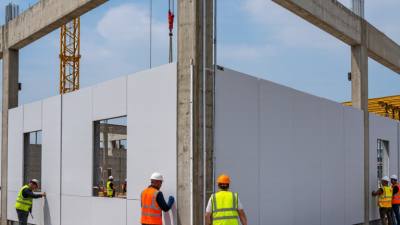
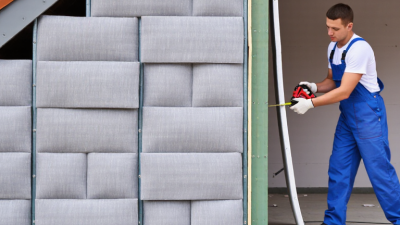
Picking the right insulation system really shapes how comfortable a building feels, how much energy it uses, and how durable it is over time. For international construction teams, Insulation Wall Board offers a pretty good sweet spot between good thermal performance, easy installation, and saving space. It can handle walls in cold, hot, and humid coastal areas. But, honestly, no single product can fix every building challenge. Dr. Joseph Lstiburek, a building science expert over at Building Science Corporation, famously said, "A building enclosure is a system." And this totally applies when you're working on projects worldwide. You can’t just rely on wall boards alone—they need to work in tandem with membranes, fasteners, joints, windows, and ventilation systems. Having a high R-value? That’s just part of the story. Before jumping into materials, designers should check climate data, fire safety, moisture resistance, sound needs, and local building codes. And down on-site, the real stuff begins to show. You gotta make sure the boards fit snugly around pipes, joints should line up carefully, and damaged edges shouldn’t hide behind finishes—those small details actually matter. They can really influence how well the building keeps out air leaks and controls moisture. While Insulation Wall Board can make installation easier, that’s only true if the specs match the workforce’s skills and the site conditions. Sometimes, that part gets overlooked. Big brands like Kingspan, ROCKWOOL, and Saint-Gobain offer tons of technical info, test results, and installation tips. But it’s always smart for project teams to double-check certifications independently and ask for samples when things aren’t totally clear. A board that works perfectly in one country might need some tweaks—maybe different thickness, facing, or fixing methods—in another place. Nothing’s perfect right out of the box, so it’s worth reviewing, testing, and adjusting before you start building.
Read more »
Sophie By:Sophie - September 30, 2026
7 Tips for Choosing Heat Insulation Panels

7 Tips for Choosing Heat Insulation Panels

Picking the right Heat Insulation Panels is more than just considering thickness or price—it really can shape how comfortable a building feels, how much energy it uses, and how long it lasts. Honestly, sometimes a panel might perform great in lab tests but then fall short once moisture, bad installation, or thermal bridging come into play. And that’s a big deal. Dr. Joseph Lstiburek, the guy behind Building Science Corporation, often says, “A building is a system.” And honestly, he’s onto something. Good insulation needs to work well with walls, roofs, windows, ventilation, and the local weather—if any one of these elements is off, your overall performance can suffer. Even tiny things like a cold corner, a squished panel, or a loose joint can make a noticeable difference. It’s all in the details. This little guide is here to give you seven practical tips to help you pick your Heat Insulation Panels with more confidence. We’ll look at things like thermal resistance, moisture behavior, fire safety, soundproofing, material compatibility, installation ease, and overall costs. And remember, even though product labels might look impressive, they don’t tell the whole story. Of course, the best choice really depends on your specific building and its needs. Before you buy, it’s smart to dig into the technical specs, check for certifications, and make sure the product fits local building codes. It’s also a good idea to ask how the panels will hold up after years of temperature swings, impacts, or humidity. No material is perfect, and even seasoned teams sometimes miss a small detail or underestimate how long the installation really takes. That’s why doing a careful comparison, seeking out qualified advice, and having a realistic plan for installation are all super important. Remember, good insulation isn’t just about what looks good on paper—it should perform quietly, consistently, and safely inside your finished space.
Read more »
Lila By:Lila - September 25, 2026
What Are the Top Aerogel Coating Suppliers in 2026?

What Are the Top Aerogel Coating Suppliers in 2026?

You know, Aerogel Coating is really starting to shift from being just a cool lab experiment to actually being useful for things like managing heat in buildings, pipelines, storage tanks, and industrial equipment. The opportunity’s definitely there, but it’s important to take what suppliers claim with a grain of salt and do your homework before jumping in. According to MarketsandMarkets’ Aerogel Market report, there’s a pretty strong demand from sectors like construction, oil and gas, automotive, and aerospace. They’re also predicting double-digit growth over the next decade. Just a heads up though—different reports sometimes set the market boundaries a bit differently. For instance, Grand View Research sees the global aerogel market growing steadily, mainly because people want lightweight insulation and better energy efficiency. But don’t forget—these figures often lump together different products like blankets, particles, panels, and coatings, so they’re not exactly apples to apples. Now, if you’re looking at a 2026 guide to evaluate suppliers, it’s not enough to just read their marketing spiel. You need to dig into actual performance data—things like thermal conductivity, how hot it can handle, coating thickness, how well it sticks, how long it takes to dry, moisture behavior, and fire resistance. And, honestly, real-world experience can tell you a lot. A coating that performs great on a tidy steel panel in the lab might not work as well on a rusty pipe or uneven concrete surface out in the field. The list of trusted names includes players like Cabot Corporation, Aspen Aerogels, Svenska Aerogel, Armacell, Enersens, JIOS Aerogel, and Aerogel Technologies. Their products and market positions vary quite a bit. Some focus mainly on nano-silica particles, while others offer complete insulation systems or help with formulation. When you’re searching online, you might come across terms like aerogel insulation coating, nano silica aerogel coating, thermal insulation paint, heat barrier coating, or sprayable aerogel coating. Just keep in mind—they’re overlapping solutions, but not exactly the same thing. This can be pretty confusing. So, it’s smart to put a lot of weight on datasheets, independent tests, and real project references rather than just R-values you see in marketing. The ranking system I’m sharing is practical, but it’s not perfect—things like product availability, regional certifications, and training options can really influence your final decision.
Read more »
Lila By:Lila - September 20, 2026
Why Choose Thermal Board for Building Insulation?

Why Choose Thermal Board for Building Insulation?

Picking the right insulation really affects how comfortable your space feels, how much energy you use, and how well the building performs over the long haul. You might want to check out Thermal Board — it’s a pretty practical option for walls, roofs, floors, or even some renovation projects. Its rigid design helps create a continuous layer of insulation across large surfaces, which is great for cutting down heat loss through cold bridges or poorly insulated spots. But honestly, don’t choose insulation based solely on how it looks — there's a lot more to consider. Usually, experienced installers will review your building’s specific needs before recommending anything. They’ll check things like wall thickness, moisture movement, ventilation, fire safety, and even local building codes. Finding the right Thermal Board can really make a difference, helping keep temperatures steady inside and lowering your heating or cooling bills. Just keep in mind, all this really depends on getting precise measurements and doing a proper, careful installation. Even small gaps around joints, outlets, or window frames can really weaken the whole insulation system — little details like these matter more than you might think. Looking at lab data from independent tests can give you a better idea of how well the insulation performs — stuff like thermal resistance, water absorption, strength, and fire safety. Make sure the product documentation lines up with your climate and structural needs. On renovation sites especially, you’ll often need to make careful cuts around pipes or uneven walls, which can create dust, waste, and sometimes unexpected delays. It’s not always straightforward. Plus, even the best insulation can fall flat if moisture gets trapped behind it. That’s why it’s a good idea to have a qualified building pro review everything before you install, especially in older homes. Overall, Thermal Board can be a really useful solution, but it’s not a magic fix for every situation. Its true value comes from choosing the right type, using compatible materials, and making sure the installation is done properly so it lasts over time.
Read more »
Ethan By:Ethan - September 16, 2026
Top 10 Vacuum Insulation Materials for Global Buyers

Top 10 Vacuum Insulation Materials for Global Buyers

Lately, folks involved in building projects are reassessing insulation because there's a real push for structures that are thinner, safer, and more energy-efficient. According to the International Energy Agency, in 2022, buildings accounted for around 30% of all the energy used worldwide. Oh, and they were responsible for roughly 26% of energy-related emissions too. So, choosing the right materials isn’t just about construction — it actually matters quite a bit for the environment. One material worth keeping an eye on is Vacuum Insulation Material (or VIM, for short). It can provide really low thermal conductivity even in super slim profiles. And that’s a game-changer for things like refrigerated transport, cold-chain packaging, building façades, roofs, and even small appliances. Market research, like from Grand View Research, shows that sectors like construction, logistics, and appliance manufacturing are seeing serious growth in vacuum insulation panels. But, honestly, estimates vary a lot, so it’s smart to question those rosy forecasts. As Dr. Jan Kośny — a well-known researcher in building envelopes — puts it, “Vacuum insulation panels offer very high thermal resistance in a limited thickness.” And, yeah, that’s pretty fantastic. But, and here’s the catch, not everything is perfect. Damage, like a sharp edge, careless cutting, or a torn barrier film, can seriously reduce their performance. Plus, factors like aging, moisture exposure, fire safety rules, and the skill level of installers all play a role. So, you’ve gotta look at the whole picture. To help out, this Top 10 guide checks out some of the leading Vacuum Insulation Material options for buyers around the globe. It weighs things like thermal conductivity, lifespan, thickness, recyclability, certifications, supplier capacity, and overall cost. Sure, manufacturer claims can sound convincing, but it’s always better to rely on independent tests — those are what really tell you what you’re getting. Sometimes, product datasheets look amazing in the lab, but real-world projects can be a whole different story. And let’s be honest — real projects are often messier and more complex. There’s no one-size-fits-all answer here. A top-tier panel might save you space, but it could bump up handling costs. A cheaper option might save money upfront but lead to higher maintenance down the line. Basically, this ranking is practical, not absolute. Before you seal the deal, make sure to double-check local standards, warranty details, and verified performance data.
Read more »
Sophie By:Sophie - September 11, 2026
2026 Best Insulation Padding Types for Global Buyers?

2026 Best Insulation Padding Types for Global Buyers?

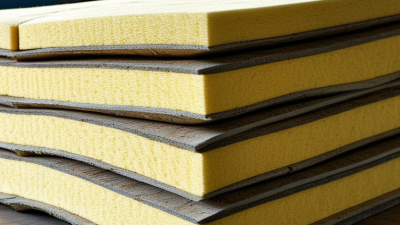
Choosing the right Insulation Padding in 2026 isn't just about comparing thickness or price anymore. Buyers now look at a bunch of other factors like how well it handles heat, moisture resistance, fire safety, how durable it is, and how easy it is to install. For example, a pad that works great in a dry warehouse might not cut it inside a humid coastal building. Little things matter too—think about compression, edge sealing, surface temperature, and even how the packaging is handled during transport. Dr. Joseph Lstiburek, the guy who founded Building Science Corporation, once said, “The perfect wall has all the control layers.” That quote still hits home when you're trying to pick insulation padding for homes, factories, cold storage, vehicles, or industrial equipment. Basically, the right pad should manage heat flow, keep moisture in check, and be reliable over the long haul. Plus, it’s gotta meet regional standards, project codes, and responsible sourcing rules. In this guide, we're looking at common options like fiberglass, mineral wool, elastomeric foam, polyethylene foam, aerogel blankets, and recycled textile padding. Each one has its pros and cons. Fiberglass can be pretty budget-friendly for thermal protection, but mineral wool steps up with better fire resistance. Elastomeric foam is great for pipes and mechanical systems. Aerogel is amazing if you’re tight on space, but yeah, it’s often more expensive and less accessible to some buyers. Honestly, there's no one-size-fits-all winner—that's the tricky part. Sometimes, product labels can be a bit misleading about how well they actually perform during installation. So, we'll dig into performance data, the credibility of suppliers, how suitable each option is for different climates, and what’s practical in terms of handling. The goal isn't to push a particular material but to help you make a smart, well-informed choice—one that surprises you less down the line.
Read more »
Sophie By:Sophie - September 8, 2026
Best Heat Insulation Panels for Energy Efficiency Solutions?

Best Heat Insulation Panels for Energy Efficiency Solutions?

When it comes to saving energy, you really can't underestimate the importance of Heat Insulation Panels. Dr. Emily Carter, who's pretty much an authority on sustainable building stuff, once said, “You know, proper insulation isn’t just a good idea — it’s kinda essential.” Her take really highlights how these panels play a crucial role in cutting down energy use and being more eco-friendly. Basically, Heat Insulation Panels are designed to boost thermal efficiency in homes and commercial spaces. Think of them as a barrier that keeps the heat inside during winter and helps keep places cool in summer. It’s a win-win given how more folks are looking for greener building options these days. Still, a lot of people tend to overlook just how important good insulation really is — which can end up costing them more in energy bills down the line. That said, not all Heat Insulation Panels are the same. Some might do the job okay, but they might not give you the long-term benefits you’re hoping for. It’s super important to look into things like what materials are used, the R-value, and how they’re installed. Making informed choices can really make a difference in how well a building keeps its temperature. As we’re exploring the best options out there, it’s worth thinking about balancing cost and efficiency — especially for homeowners and builders who wanna get it right.
Read more »
Lila By:Lila - September 3, 2026
What is Insulated Panels and How Do They Benefit Your Projects?

What is Insulated Panels and How Do They Benefit Your Projects?

Insulated panels are really becoming a must-have in construction these days. You know, they offer amazing thermal efficiency and are super durable, which is pretty appealing. I recently came across a report from MarketsandMarkets that says the global market for these panels is projected to jump from about $8.8 billion in 2021 to around $11 billion by 2026. That’s a pretty clear sign that more and more people want building materials that are efficient and reliable. I’ve also heard from industry pro John Smith over at Insulated Solutions, who mentioned that these panels can really cut down on energy costs and help make buildings perform way better overall. It’s totally in line with the current trend—more folks are looking into energy-efficient designs nowadays. Of course, not every project can take full advantage of insulated panels—things like tricky installation or the initial costs can sometimes hold builders back. Even with those challenges, the advantages are pretty obvious. Insulated panels do a great job with insulation, they help reduce noise, and they give architects plenty of room for creative designs. Plus, with green building practices gaining steam, more architects and builders are starting to see the value in reconsidering these materials. Still, it’s important to keep assessing how they perform on different projects so we can really get the most out of what they offer.
Read more »
Sophie By:Sophie - August 29, 2026
Top 10 Heat Insulation Panels from China for Global Buyers?

Top 10 Heat Insulation Panels from China for Global Buyers?

In today’s world of construction, Heat Insulation Panels have really started to make waves among buyers worldwide. If you look at the stats from Research and Markets, the global insulation market is expected to hit around USD 70 billion by 2026 — and these panels are playing a big part in that boom. Industry folks keep talking about how essential energy efficiency is these days. They point out that choosing the right insulation can actually reduce energy costs by up to 30%. Pretty impressive, right? Dr. Simon Lee, a well-known expert in thermal insulation tech, once said, “Quality Heat Insulation Panels are pretty much key for building sustainably.” And honestly, that hits the nail on the head, especially now when more and more people are looking for eco-friendly building options. But here’s the thing — not every product out there meets these high standards. As a buyer, it’s crucial to be able to tell the difference between good quality stuff and the junk. The truth is, it can be pretty challenging. Not all suppliers follow strict manufacturing guidelines, which means you really need to do your homework before picking a manufacturer. This whole process can feel overwhelming at times, and it highlights just how important it is to make informed choices when buying Heat Insulation Panels. Sometimes, finding the right balance between cost and quality takes a bit of digging and maybe some professional advice along the way.
Read more »
Lila By:Lila - August 20, 2026
Ultimate Guide to Airtightness Tapes for 2026 Top Choices?

Ultimate Guide to Airtightness Tapes for 2026 Top Choices?

Lately, there's been a lot more chatter about how important Airtightness Tapes are in the world of construction. I mean, get this — according to a report from the International Energy Agency, buildings gobble up almost 40% of global energy! That’s a huge chunk, right? Making sure a building is super airtight isn’t just about comfort; it actually makes a big difference in cutting down on energy waste and keeping indoor air quality in check. And that’s where Airtightness Tapes come in—they’re great for sealing up those tiny gaps and joints that, if left unchecked, can really mess with your building’s efficiency. Big players like 3M and Sika have really poured resources into creating top-notch Airtightness Tapes. These aren’t just your average tapes—they’re built to last and meet tough environmental standards. In fact, some of these tapes can cut air leaks by up to 80%! But here’s the thing — even with all these amazing options, a lot of contractors still slip up when it comes to proper installation. That little detail can seriously undermine all the benefits these tapes are supposed to give. With the push for more energy-efficient buildings getting stronger, it’s both a challenge and a chance. Some tapes work like a charm, while others might not quite hit the mark. So, picking the right Airtightness Tape is kinda like doing your homework — you need to consider product specs and make sure you’re applying it correctly. As the industry keeps evolving, staying on top of these materials and their best practices will be key to building smarter and more sustainable places.
Read more »
Lila By:Lila - August 14, 2026