



Thermal Bridging Solutions from Leading Manufacturers in China Factories
As a professional in the construction materials industry, I understand the critical importance of addressing thermal bridging. That's why we specialize in providing custom solutions tailored to meet your specific needs. Our extensive range of products allows manufacturers and suppliers to effectively combat heat loss and improve energy efficiency in buildings. With a focus on delivering high-quality materials, HENAN JUTAO NEW MATERIAL CO., LTD. is your go-to partner for advanced thermal bridging solutions. I invite you to connect with us to explore how our innovative materials can enhance your projects and lead to cost savings for your clients. Together, we can create energy-efficient environments that stand the test of time, while ensuring compliance with the latest industry standards. Don't hesitate to reach out for samples or more details on our offerings. Let's work together to make a positive impact on the building industry!

In-Depth Analysis of Thermal Bridging Trusted by Pros Supplier
Thermal bridging is a critical concern in the design and construction of energy-efficient buildings. It occurs when materials with high thermal conductivity create pathways for heat to bypass insulation, leading to energy loss and increased heating or cooling costs. A comprehensive understanding of thermal bridging is essential for professionals in the construction and insulation industries, as it not only affects energy efficiency but also impacts overall sustainability efforts. By investing in advanced insulation solutions, industry stakeholders can effectively address this issue and significantly enhance resource efficiency.
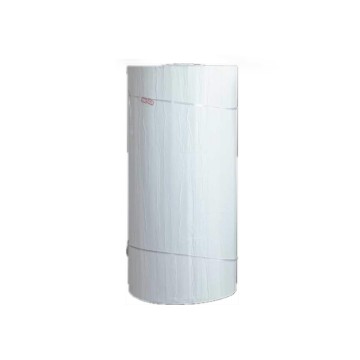
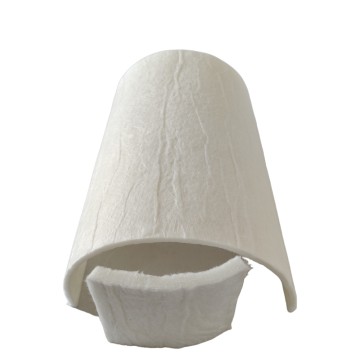
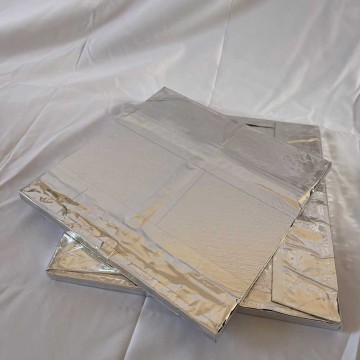
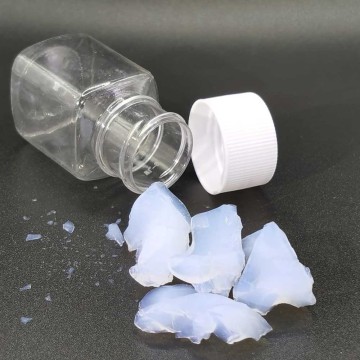
One of the most effective solutions for minimizing thermal bridging is the use of aerogel materials and vacuum insulation panels. These cutting-edge products offer exceptional insulating properties with minimal thickness, making them ideal for various applications, from residential buildings to commercial facilities. By employing these advanced materials, builders and architects can significantly reduce thermal bridging, leading to improved energy performance and reduced environmental impact. Furthermore, their lightweight nature and ease of installation streamline the construction process, promoting greater efficiency and sustainability.
As global procurement trends shift towards sustainable building practices, the demand for innovative insulation solutions will continue to grow. Professionals seeking to enhance their projects' sustainability and energy efficiency should prioritize thermal bridging analysis and advanced insulating materials. By doing so, they will not only meet regulatory requirements but also align with global efforts towards a more sustainable future. Embracing modern insulation technologies is not just an investment in buildings but a step towards a more resource-efficient world.
In-Depth Analysis of Thermal Bridging Trusted by Pros Supplier
| Material | Thermal Conductivity (W/m·K) | Common Applications | Insulation Value (R-Value) | Environmental Impact |
|---|---|---|---|---|
| Concrete | 1.7 | Foundations, Walls | R-0.6 | High Carbon Footprint |
| Wood | 0.12 | Framing, Flooring | R-1.41 | Renewable Resource |
| Fiberglass | 0.04 | Insulation | R-2.9 | Recyclable |
| Extruded Polystyrene (XPS) | 0.03 | Under Slabs, Wall Insulation | R-5.0 | Moderate Environmental Impact |
| Polyurethane Foam | 0.024 | Insulated Panels, Roofs | R-6.5 | Can be Made from Recycled Content |
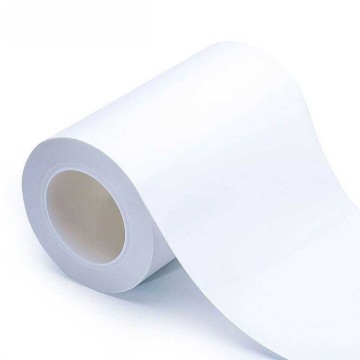
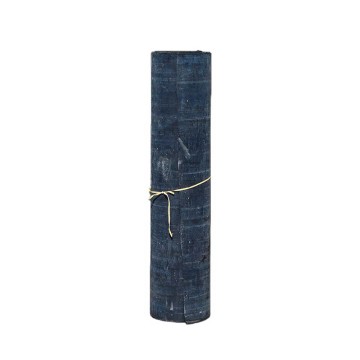
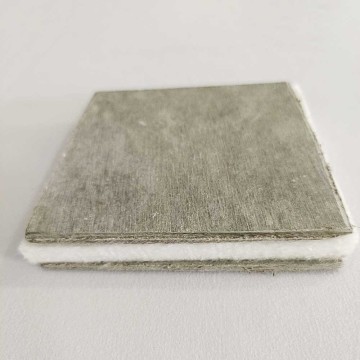
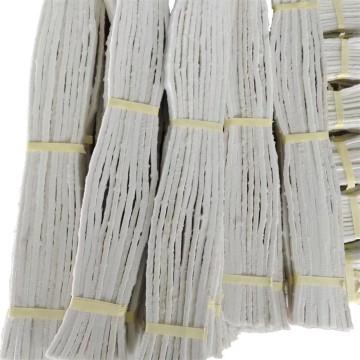
Popular Thermal Bridging Trusted by Pros Where Innovation Meets 2025
L
Lucas Thompson
What a fantastic purchase! The durability of this item is outstanding, and the after-sales service was top-notch. Highly recommended!
21
October
2025
I
Isabella Smith
Impressive quality, and the customer care was remarkable. They patiently answered all my queries, showcasing their expertise.
20
October
2025
S
Samuel Green
A great product with excellent durability! The support team was professional and very responsive to my queries.
08
October
2025
L
Lucas Scott
Quality is excellent! I was thoroughly impressed with how accommodating and knowledgeable the after-sales service staff were.
02
November
2025
N
Natalie Hall
I was blown away by the quality and the level of service provided. Truly commendable!
20
October
2025
D
Daniel Clark
Impressive customer service! The representatives were friendly and well-informed. Product quality is fantastic.
17
October
2025