












Why is Aerogel One of the Best Materials for Solving Battery Thermal Runaway Issues at This Stage?
Why is Aerogel One of the Best Materials for Solving Battery Thermal Runaway Issues at This Stage?
Aerogel and battery thermal runaway have become unavoidable safety concerns in the new energy industry. In 2022, thermal runaway incidents in domestic batteries caused direct economic losses exceeding 1 billion yuan, with 80% stemming from ineffective thermal propagation containment. For cross-border buyers and B2B clients, selecting the right thermal protection material directly determines product safety ratings and market competitiveness. This article dissects the core logic behind aerogel's suitability for battery thermal protection, helping you clarify selection criteria and avoid application pitfalls. Below, we explore aerogel's properties to explain why it stands as the preferred solution at present.
Core Properties of Aerogel: Why It Precisely Blocks Battery Thermal Runaway?
Battery thermal runaway fundamentally involves a chain reaction triggered by rapid heat conduction. When a single cell experiences thermal runaway, its temperature can surge to 800°C within 14 seconds—a rate traditional materials cannot block in time.
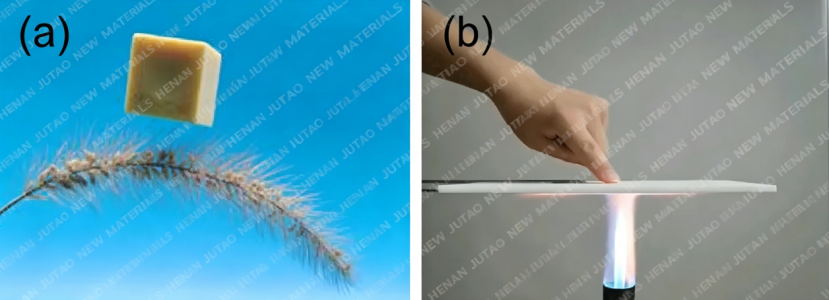
Aerogel's core advantage lies in its extreme thermal insulation. With a thermal conductivity as low as 0.013–0.018 W/(m·K)—just one-fifth that of traditional ceramic fiber mats—it creates a molecular-level thermal barrier between cells. Simultaneously lightweight with densities as low as 3 kg/m³, it imposes no additional load on battery systems while delivering compressive strength exceeding 0.5 MPa, making it suitable for battery pack vibration conditions.
Industry case studies speak volumes. Haiji New Energy integrated a 2mm aerogel insulation layer into its 587Ah ultra-high-capacity cells, achieving a 90% improvement in thermal runaway containment efficiency and a 40% reduction in thermal runaway response time—far surpassing industry averages. This solution passed the rigorous UL9540A test, showing no signs of combustion even under extreme conditions like overcharging and needle penetration.
Some buyers question: “Aero gel costs more than traditional materials—is it cost-effective for mass adoption?” In fact, over the full lifecycle, aero gel reduces material usage by 30%. Combined with range improvements from weight reduction, it actually saves RMB 120–150 per vehicle. The advantage becomes even more pronounced for models with annual production volumes of 100,000 units.
Compared to traditional materials: Where does aero gel's irreplaceability lie?
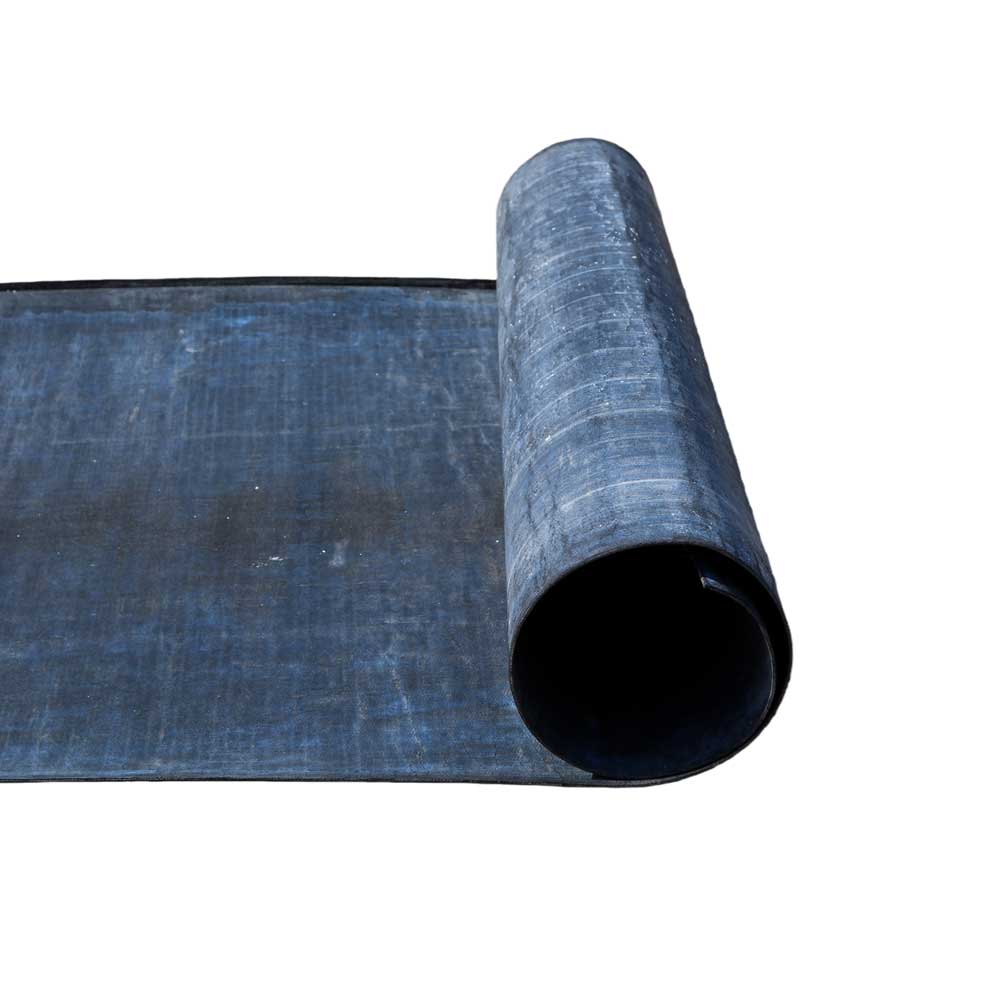
Current mainstream battery thermal management materials each have limitations. Metal heat sinks are dense and prone to corrosion; graphite exhibits significant anisotropy with poor vertical thermal conductivity; polyurethane foam cannot withstand temperatures above 120°C and releases toxic gases at high temperatures. None of these materials can simultaneously meet core requirements like thermal insulation, lightweight properties, and high-temperature resistance.
Data comparison offers clearer insight. According to the 2023 white paper from the Chinese Academy of Sciences, at the same 10mm thickness, aerogel felt achieves 60%-80% higher thermal resistance than ceramic fiber felt and 30%-50% higher than polyurethane foam. In 400°C thermal shock tests, aerogel felt exhibits a 42% lower back-side temperature rise rate than ceramic fiber felt, buying critical time for emergency response.
The application practices of Tesla and BYD offer valuable insights. After integrating aerogel felt into their battery packs, both companies achieved a 50% reduction in thermal runaway risk and extended battery life by 15%-20%. Compared to CATL's ceramicized silicone rubber solution, the aerogel approach also boosts module energy density by 8%—a critical advantage for new energy vehicles prioritizing extended range.
Common Question: “How should different aerogel types be matched to battery scenarios?” The key lies in temperature resistance and processability. Glass fiber-based aerogel suits conventional vehicles with temperatures above 600°C, while ceramic fiber-based aerogel withstands 1200°C instantaneous heat, making it ideal for extreme environments like energy storage power stations.
Real-world Validation: How does aerogel perform in energy storage and vehicle applications?
Energy storage demands stricter thermal protection, where aerogel also excels. In Huawei's extreme test simulating thermal runaway across 12 battery cells, aerogel protection limited adjacent enclosure temperatures to just 47°C while delaying thermal runaway for 7 hours.
Haichen Energy Storage's “open-door combustion” test achieved even greater breakthroughs. Under extreme conditions with the cabinet door open supplying oxygen, the battery compartment sustained combustion for 15 hours. No thermal propagation occurred in the three adjacent compartments, and the triggered compartment showed no structural collapse. This outcome hinges on the highly effective barrier function of the aerogel insulation layer, whose temperature tolerance spans -200°C to 1200°C—perfectly covering the thermal runaway temperature curve of energy storage systems.
In vehicle applications, a Shandong-based automaker achieved a 3.5-4.2kg reduction in battery pack weight after adopting aerogel insulation. Based on CLTC testing, this translates to a 5-8km increase in driving range. For cross-border buyers, this data signifies enhanced international competitiveness in energy efficiency metrics.
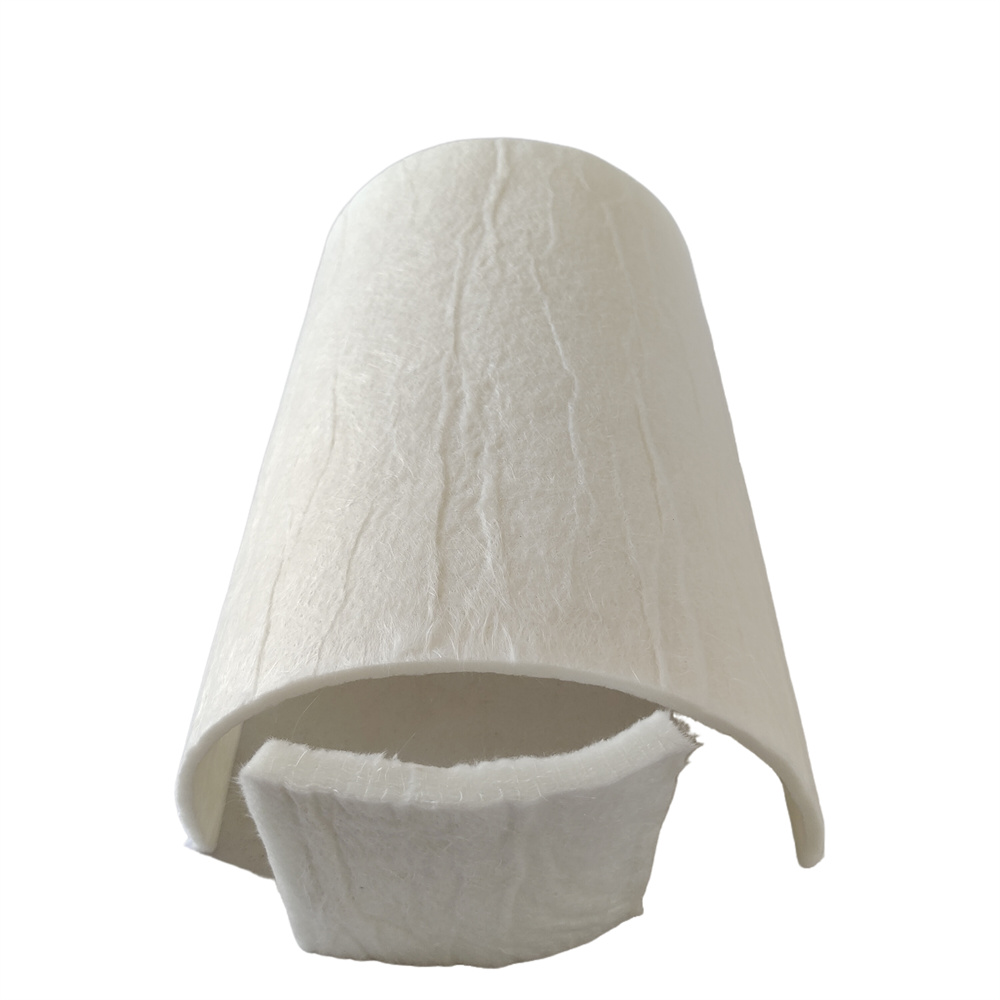
Users often ask: “Does aerogel application require modifying the existing battery pack structure?” The answer is no. Aerogel can be processed into rolls or sheets, and complex shapes can be achieved using standard cutting tools. It can be directly applied to cells or modules during installation, offering exceptional compatibility.
Industrialization and Cost: How Feasible is Large-Scale Aerogel Application?
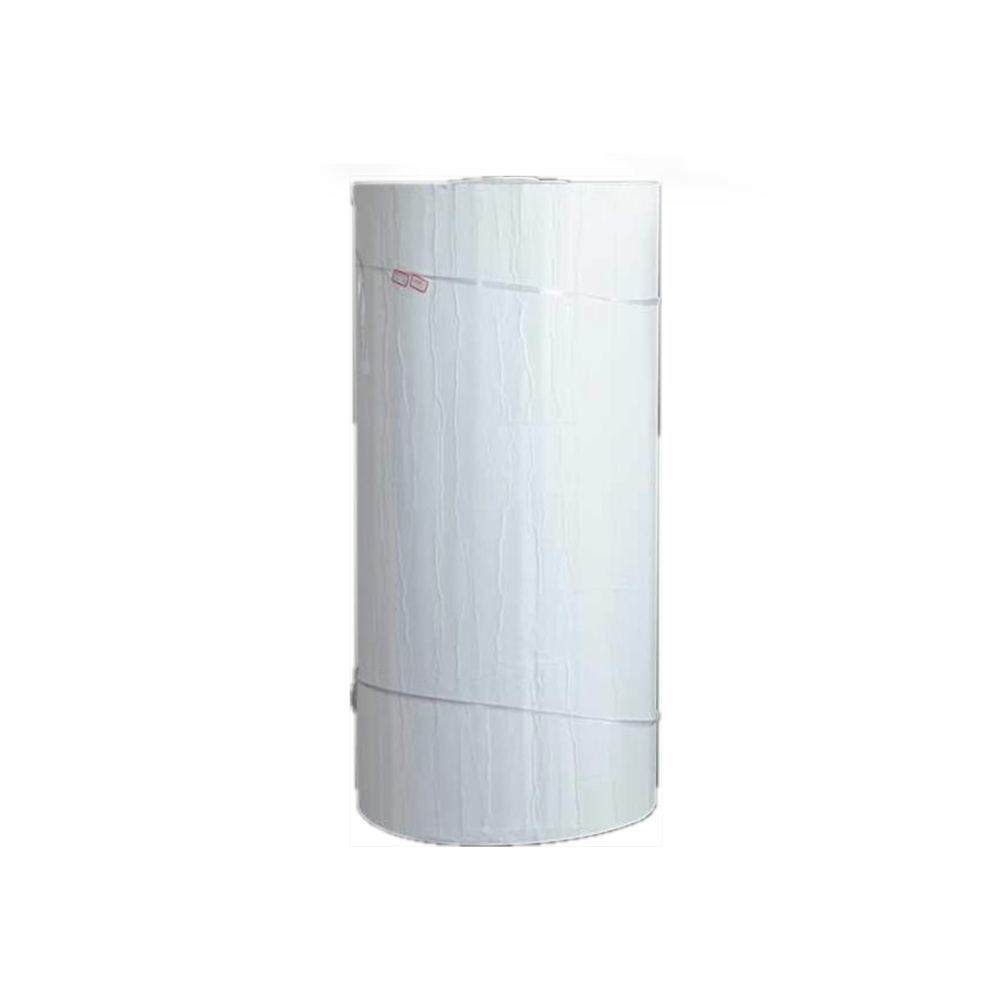
Many B2B clients express concerns about aerogel's industrial maturity, but these worries can be alleviated. Continuous roll production of aerogel has been achieved, with Shandong Dongyue Group's technology reducing energy consumption by 40% compared to traditional ceramic fiber and cutting wastewater and exhaust emissions by 80%.
While carrying a premium cost, prices are rapidly declining. According to Gaogong Lithium Battery's 2024 data, aerogel felt averages 180-220 RMB/m², 2-3 times that of ceramic fiber felt. However, considering reduced material usage and extended lifespan, its total lifecycle cost is 20% lower. With increased production capacity, unit prices are projected to drop another 15%-20% by 2026.
Its certification advantages in international markets are also significant. Aerogel felt is one of the few materials certified to the highest level (HL3) of the EU EN45545-2 railway vehicle fire safety standard and complies with the EU 2023/456 regulation for new energy vehicle materials. This substantially reduces compliance costs for cross-border buyers requiring exports.
Common Question: “Does aerogel's performance degrade over long-term use?” Experimental data shows that after 1,500 hours of wet-heat aging testing, its thermal conductivity change rate remains below 3%—one-fifth that of traditional organic insulation materials—ensuring a service life spanning the entire battery lifecycle.
FAQ: High-frequency questions on aerogel applications for battery thermal protection
1. What are the core differences between aerogel and traditional insulation materials? The core differences lie in thermal insulation efficiency and environmental adaptability. Aerogel boasts a thermal conductivity of just 0.013–0.018 W/(m·K)—one-fifth that of ceramic fiber felt—and withstands temperatures from -200°C to 1200°C, whereas polyurethane foam softens at 150°C. Its lightweight yet robust properties make it ideal for complex battery system conditions.
2. What key parameters should be prioritized when selecting aerogel? Focus on thermal conductivity (preferably ≤0.02 W/(m·K) at ambient temperatures), temperature rating (select 600°C or 1200°C based on application), compressive strength (≥0.5 MPa), and environmental certifications (RoHS, REACH, etc.). These directly impact protective performance and regulatory compliance.
3. What are the installation methods for aerogels in battery packs? Three primary methods exist: intercell lamination, module perimeter wrapping, and battery compartment partitioning. No structural modifications are required. Sizes can be customized to battery pack designs, secured with specialized adhesives or mechanical clamping, enabling high installation efficiency suitable for mass production.
From material properties and comparative advantages to real-world validation, aerogel's comprehensive performance in addressing thermal runaway remains unmatched at present. For cross-border buyers and B2B clients prioritizing safety and long-term benefits, selecting aerogel not only enhances product competitiveness but also mitigates compliance risks. While related technical applications continue to evolve, aerogel's status as a core thermal protection material is firmly established.
Meta Description
Aerogel stands as one of the optimal materials for addressing battery thermal runaway, featuring a thermal conductivity as low as 0.013 W/(m·K) and capable of delaying thermal runaway by over 70%. This article analyzes aerogel's thermal insulation advantages, selection criteria, and application value through case studies of Tesla and Haiji New Energy, empowering cross-border buyers and B2B clients to make precise selections. Discover aerogel battery thermal protection solutions now to enhance your product's safety competitiveness.
Core Keywords
Aerogel battery thermal propagation, aerogel battery insulation solutions, thermal runaway protection materials for energy storage batteries, thermal insulation materials for new energy vehicle batteries, industrial applications of aerogel