



News










0102030405
Why Aerogel Prices Vary So Much
2026-07-13
In the global procurement of high-performance thermal insulation materials, many international buyers notice a striking trend: aerogel insulation quotations vary widely, ranging from just over ten US dollars per square meter to hundreds of dollars. This price gap is not simply market premium—it is determined by raw material systems, production processes, performance specifications, and application scenarios. Understanding these variables helps purchasers set realistic cost expectations when sourcing aerogel materials and avoid compliance risks or underperforming products caused by low-price traps.
Raw Material Purity & Formulation Determine Base Cost
The core raw material of aerogel is typically a silica precursor. Silicon sources of different purity levels significantly affect the final product’s thermal conductivity, hydrophobicity, and service life.
Industrial-grade silicon sources are low-cost but high in impurities, easily leading to aerogel backbone shrinkage and higher thermal conductivity. High-purity electronic-grade silicon sources produce structurally stable nanoporous aerogel with thermal conductivity stably controlled below 0.018 W/m·K, yet raw material costs are often 3–5 times higher than standard silicon sources.
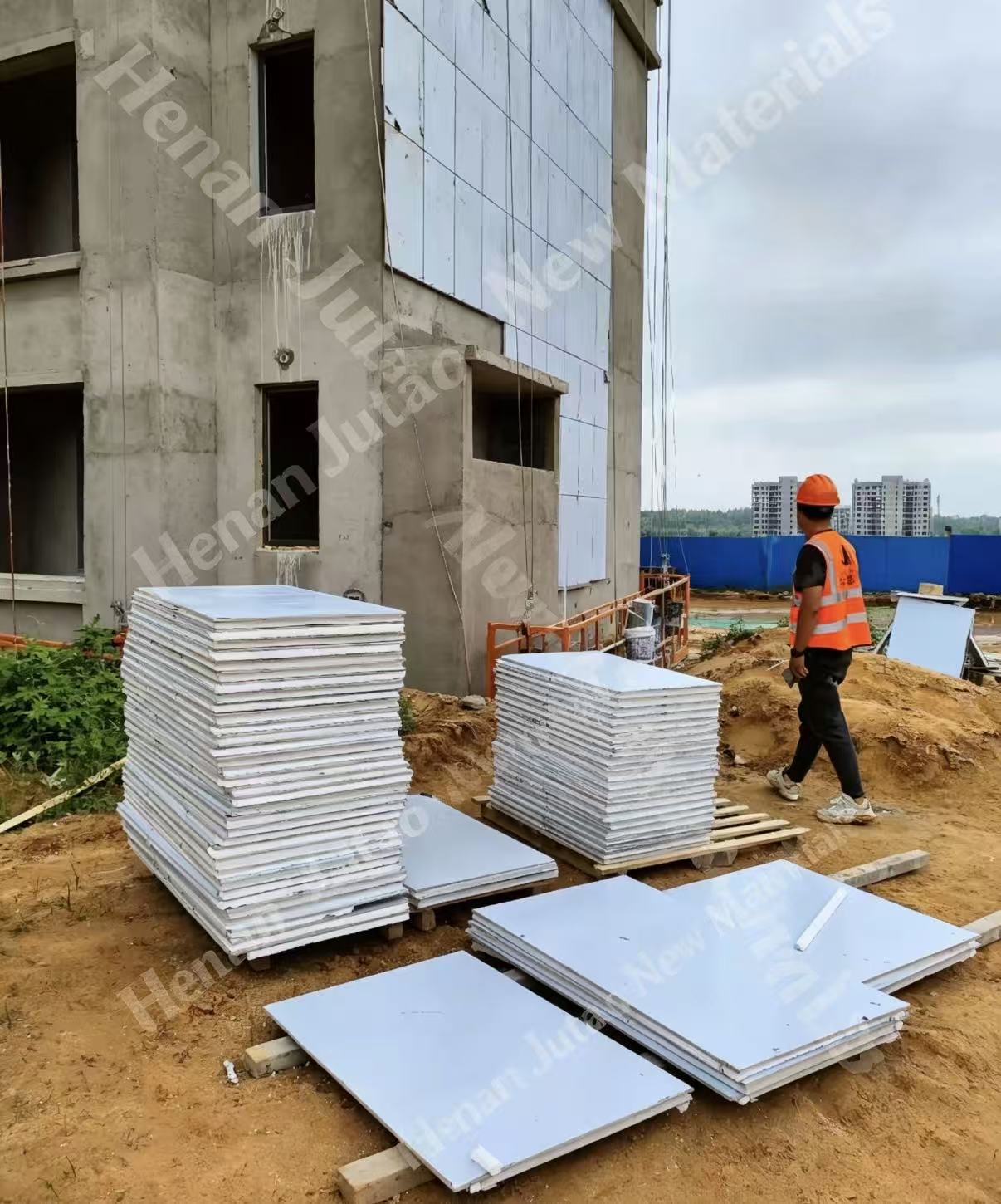
In addition, certain applications require flame retardants, infrared opacifiers, or reinforcing fibers. For example, composite insulation panels for building exteriors often use glass fiber or ceramic fiber to improve tensile strength, while battery-grade aerogel relies on synergistic flame-retardant systems to meet UL94 V0 flammability ratings. More complex formulations and higher additive costs directly increase finished product pricing.
Production Processes & Equipment Investment Shape Scale Costs
Aerogel manufacturing involves sol-gel reaction, aging, solvent exchange, and drying—with drying being the most cost-determining stage.
Supercritical drying preserves the nanoporous structure of aerogel to the greatest extent, delivering excellent performance. However, it requires massive capital investment: a single production line can cost millions of US dollars, with high energy consumption from high-pressure CO₂ recycling. As a result, supercritical dried aerogel remains at a high price point.
Ambient pressure drying lowers equipment barriers through optimized recipes and processes, but poses tighter process control challenges, resulting in slightly lower yield and stability compared to supercritical methods. Some low-end aerogel blanket products use ambient pressure drying, offering more affordable pricing but weaker durability in high-temperature and high-humidity environments. Buyers should clarify the supplier’s drying technology rather than judging solely by price.
Product Form & Composite Processing Add Value & Cost
Aerogel is available in multiple forms, with vastly different manufacturing complexity.
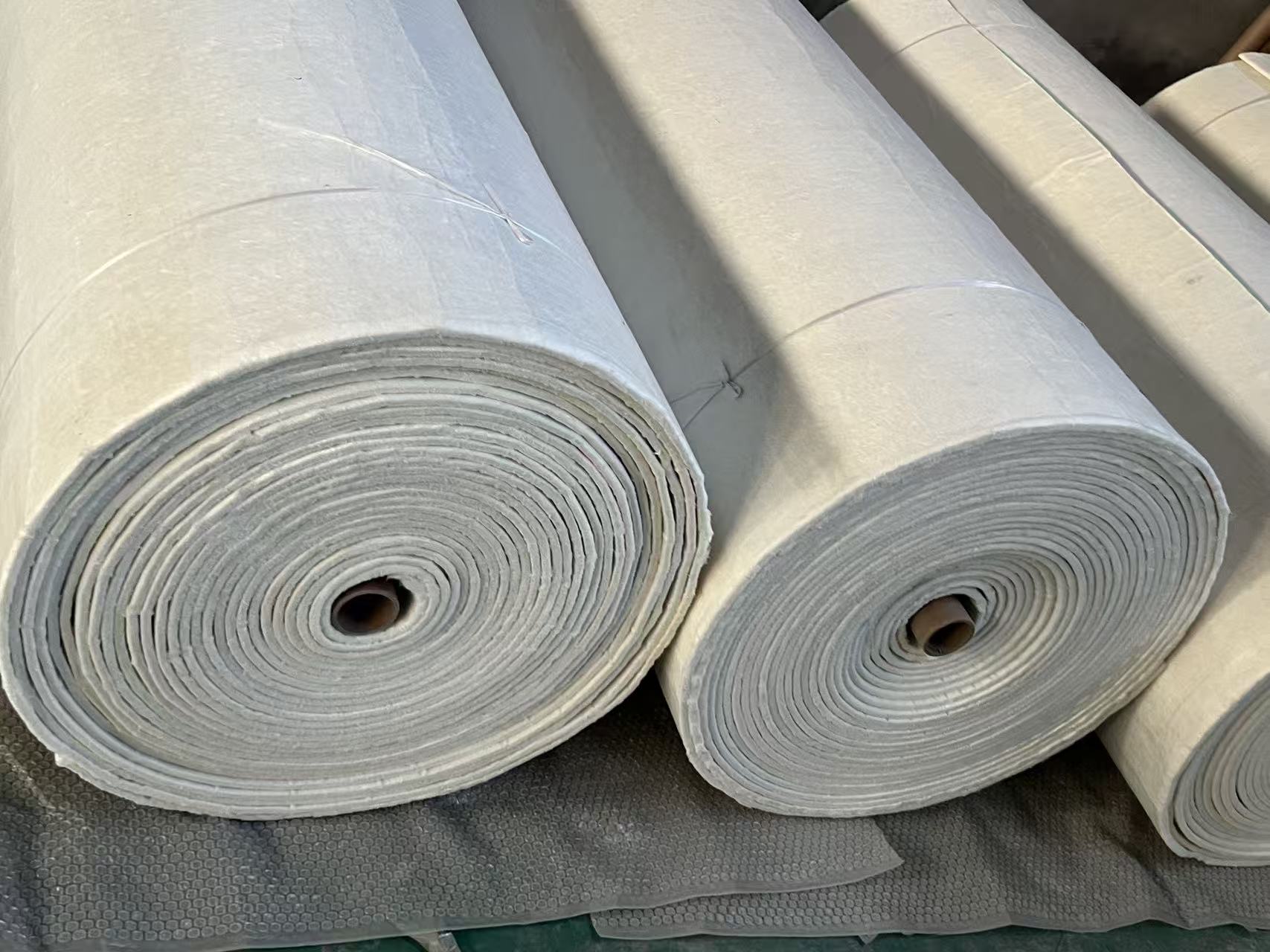
Flexible aerogel blanket requires combining aerogel particles with needle-punched felt or non-woven fabric, involving multiple dipping, drying, and curing steps—leading to higher labor and energy costs. In contrast, aerogel granule production is relatively simple, only requiring granulation and surface modification, so unit costs are noticeably lower than flexible roll goods.
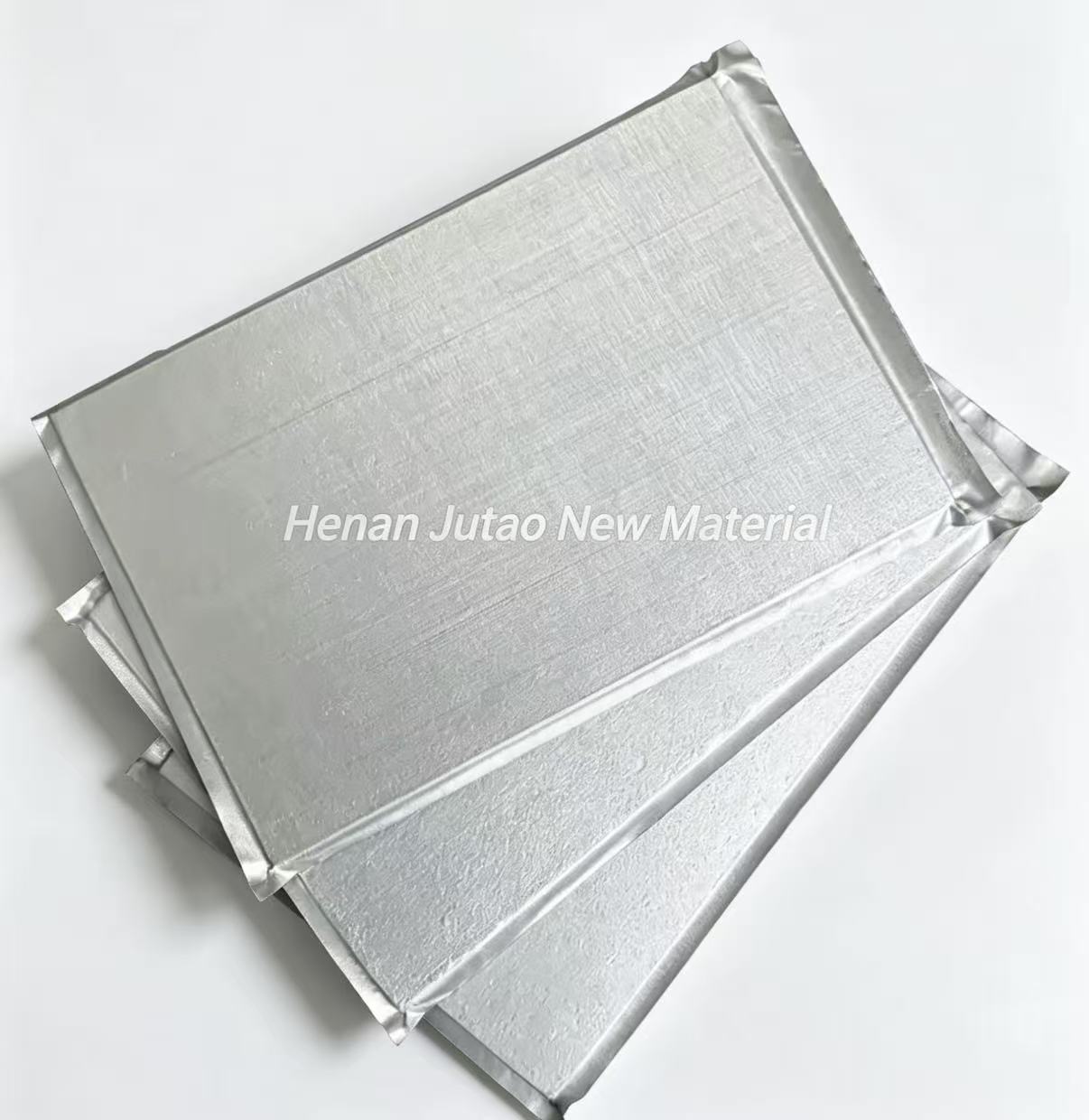
Composite processes further widen price differences. Aluminum composite insulation panels bond aerogel cores with aluminum foil or fire-resistant facings, requiring gluing, hot pressing, cutting, and strict adhesion and moisture resistance standards. VIP panels (Vacuum Insulation Panels) for cold-chain logistics add barrier film encapsulation and vacuum sealing, demanding high-precision equipment and cleanroom conditions. They achieve thermal conductivity as low as 0.005 W/m·K but carry much higher production costs than standard aerogel boards.
Performance Standards & Certification Compliance Raise Entry Costs
Industry requirements for aerogel performance differ drastically.
Building aerogel typically needs CE, UKCA certifications and compliance with EN 12667 thermal conductivity standards. Industrial insulation aerogel must pass ASTM C177 or ISO 8301 thermal performance testing, while petrochemical projects often require corrosion resistance and anti-vibration reports. Testing fees and factory audit costs are passed into product pricing.
For high-end applications such as new energy vehicle battery pack insulation, aerogel must meet strict standards including UN38.3 transport safety and GB 38031 battery safety requirements. Suppliers invest heavily in R&D, formulation adjustment, and reliability verification. The premium for such high-performance aerogel essentially compensates for R&D expenses and compliance risks.
Purchase Volume & Supply Chain Position Determine Final Pricing
Order quantity is a direct driver of aerogel pricing.
Aerogel production benefits from strong economies of scale: unit costs for 1,000㎡+ orders are usually 15%–30% lower than orders under 100㎡. Supply chain position also matters: direct purchases from an aerogel manufacturer yield ex-factory pricing, while multi-level distribution can add more than 40% in markups.
Logistics costs are also significant. Aerogel’s low density and large volume lead to high ocean freight expenses. Some suppliers offer DDP delivery, including duties, customs clearance, and last-mile delivery. While the nominal price is higher, total landed cost may be lower than low-priced EXW offers.
How to Evaluate Aerogel Price Rationality
When comparing quotations, buyers should first define core project needs: building energy efficiency, industrial pipe insulation, or battery fire protection?
Then identify critical specifications: thermal conductivity limits, flame rating, operating temperature range, and service life. Request third-party test reports, certification documents, and reference projects to verify technical compliance.
Be wary of suspiciously cheap aerogel insulation material, which may involve misrepresentation: ambient pressure-dried products sold as supercritical, or standard silica aerogel marketed as high-temperature specialty grade. Always conduct small-batch sample testing to verify thermal performance, hydrophobicity, and mechanical strength before mass orders. Evaluate overall value based on supply stability, technical support, and after-sales service.
Conclusion
Aerogel price differences fundamentally reflect performance, compliance, and supply chain costs. Buyers should not blindly pursue low prices, but select solutions balanced in raw material quality, process maturity, certification completeness, and service reliability. Only in this way can advanced thermal insulation material deliver genuine energy-saving and safety benefits, supporting stable long-term project operation.