








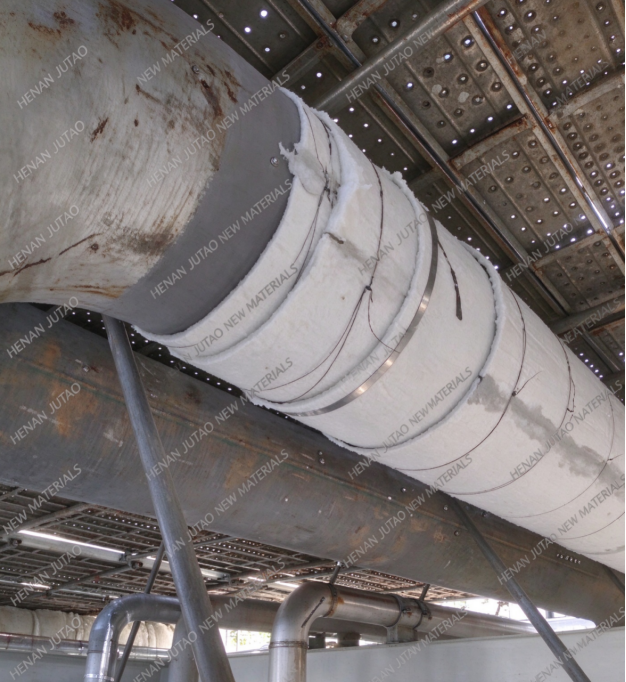
Wholesale China Gas Membrane Function of the Core Material in Vacuum Insulation Panels (VIPs)
Heat transfer within Vacuum Insulation Panels (VIPs) is primarily composed of four mechanisms:
- Solid conduction through the core material
- Gas conduction due to residual gases inside the panel
- Convective heat transfer
• Radiative heat transfer
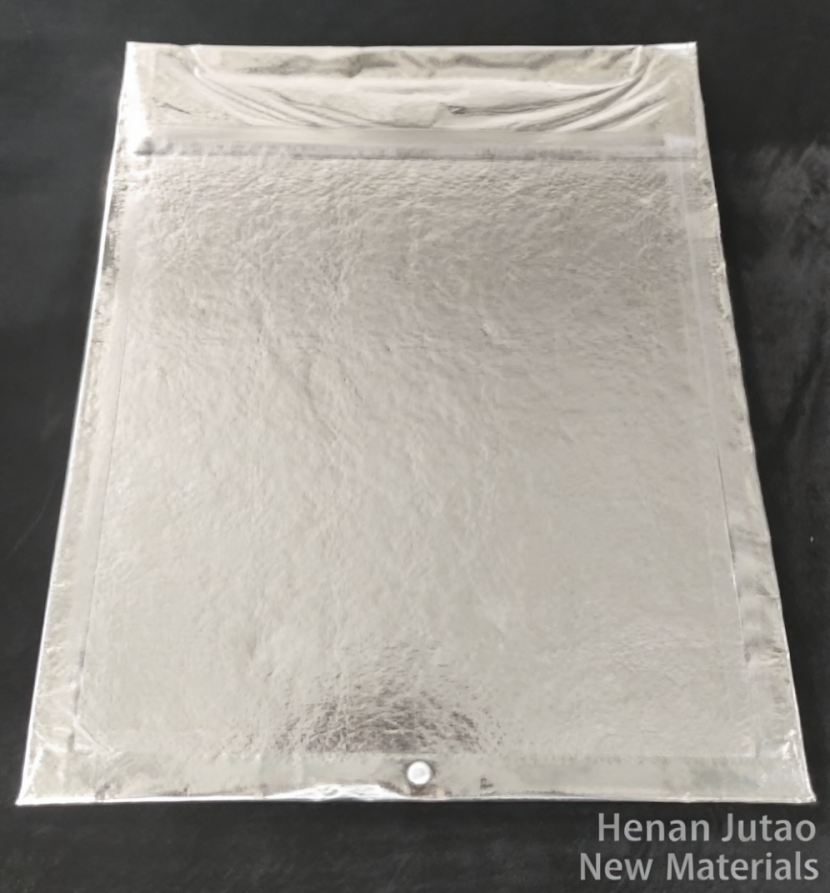
The design objective of VIPs is to minimise all four heat transfer mechanisms. During manufacturing, the performance of each component must be optimised accordingly, with particular attention to the following aspects:
Key Design Considerations
- Insulation Core Material
The core material shall exhibit:
- Low thermal conductivity
- Sufficient mechanical strength to prevent collapse under vacuum conditions
- Appropriate porosity to facilitate evacuation and vacuum formation
- Barrier Envelope Structure
The barrier material shall provide:
- High gas barrier performance
- Low thermal transmittance
- Adequate mechanical strength to maintain the internal vacuum and protect the core
- Vacuum Level and Thermal Performance
The internal vacuum level is closely related to the thermal performance of VIPs. Different core materials require different evacuation pressures:
- For open-cell foam cores, with pore sizes typically in the range of 0.01–0.1 mm, the internal pressure should be maintained at approximately 1–100 Pa to achieve effective insulation performance.
- For nanoporous core materials, with pore sizes typically in the range of 10–100 nm, a vacuum level of 1000–20,000 Pa is sufficient to achieve insulation performance comparable to that of open-cell foam cores.
Role and Importance of the Core Material
The selection of the core material has a significant impact on both the thermal insulation performance and service life of VIPs. As the structural framework and a key factor in maintaining the vacuum environment, the core material plays a critical role in the overall system.
Its primary functions include:
- Mechanical support
Supporting the panel structure and preventing shrinkage or collapse of the external envelope under vacuum conditions
- Control of gas conduction and convection
Limiting heat transfer caused by residual gas movement
- Infrared opacification and scattering
Under high vacuum conditions, radiative heat transfer becomes a dominant mechanism. The core material contributes to absorbing and scattering infrared radiation, thereby reducing heat transfer
Jutao Environmental Technology — Specialists in Aerogel Material Solutions
Stay connected with us for the latest updates, industry insights and application solutions in the aerogel sector.