


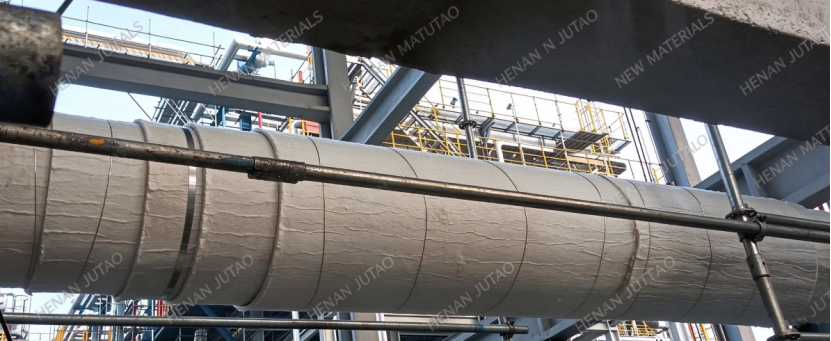
What Is the Difference Between Thermal and Acoustic Insulation?
Finding reliable the difference between thermal and acoustic insulation can feel like searching for a needle in a haystack. Between exaggerated marketing claims and factories that look impressive online but deliver inconsistent quality, buyers face a real challenge. Here is the practical framework that sourcing agents use to separate genuine manufacturers from middlemen.
the Difference Between Thermal and Acoustic Insulation Explained
If you are exploring the aerogel insulation market, the difference between thermal and acoustic insulation deserve close attention. They serve a wide range of buyers, from small retailers to large project contractors who need dependable, specification-compliant products.
the Difference Between Thermal and Acoustic Insulation are specialized products whose performance depends on careful design and controlled manufacturing. Understanding their defining features helps you compare options and avoid under- or over-specifying your order.
How the Difference Between Thermal and Acoustic Insulation Work
The way the difference between thermal and acoustic insulation functions depends on several engineering and material factors. Manufacturers use specific grades of raw materials, controlled production environments, and precise tolerances to ensure consistent performance across batches.
For buyers, the key is understanding which specifications matter most for your application. A product that performs perfectly in one use case may be entirely unsuitable for another, even if they look identical on the surface.
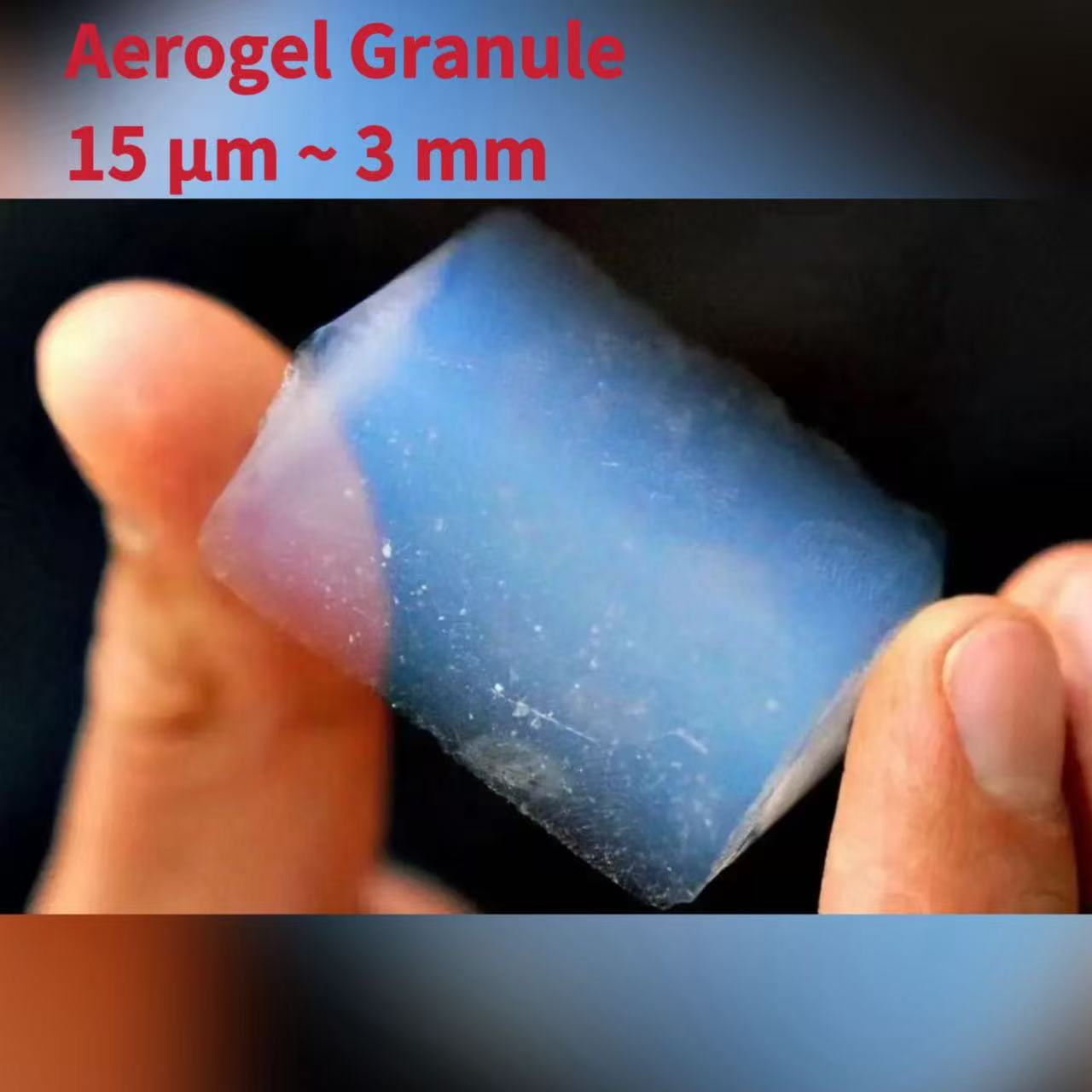
Why Buyers Choose These Products
Durability: Quality the difference between thermal and acoustic insulation is built to withstand real-world conditions, from temperature fluctuations to mechanical stress.
Customization options: Leading manufacturers offer OEM and ODM services, allowing you to tailor specifications to your exact requirements.
Supply chain stability: Established factories with diverse client bases are less likely to experience production bottlenecks.
Common Use Cases for the Difference Between Thermal and Acoustic Insulation
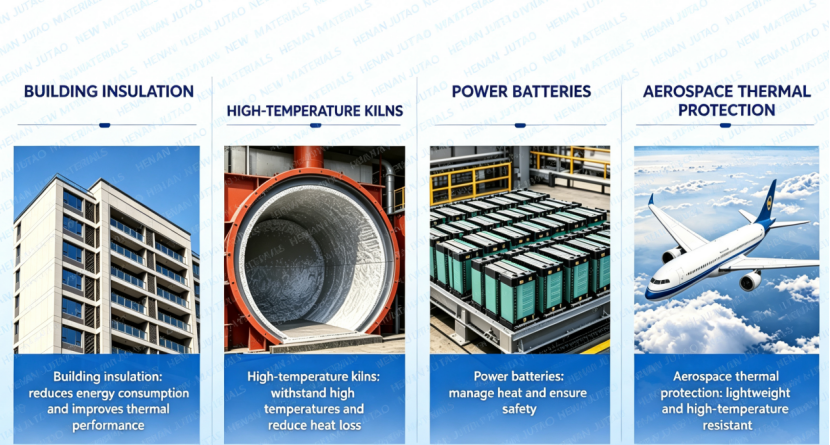
In practice, the difference between thermal and acoustic insulation is deployed in environments ranging from residential settings to heavy industrial facilities. The operating conditions dictate material selection, surface treatment, and quality grade.
For buyers entering a new market segment, consulting with the supplier about typical applications for similar clients can reveal options you may not have considered.
the Difference Between Thermal and Acoustic Insulation vs Alternatives
When comparing the difference between thermal and acoustic insulation with alternative options in the aerogel insulation category, consider these factors:
Material quality: Higher-grade materials cost more but last longer and perform better under stress.
Manufacturing precision: Tighter tolerances mean better fit and function, but require more sophisticated equipment.
Certification coverage: Products with multiple certifications (CE, RoHS, ISO) are easier to import into regulated markets.
After-sales support: Some suppliers offer warranties, replacement programs, or technical assistance, factors that add value beyond the unit price.
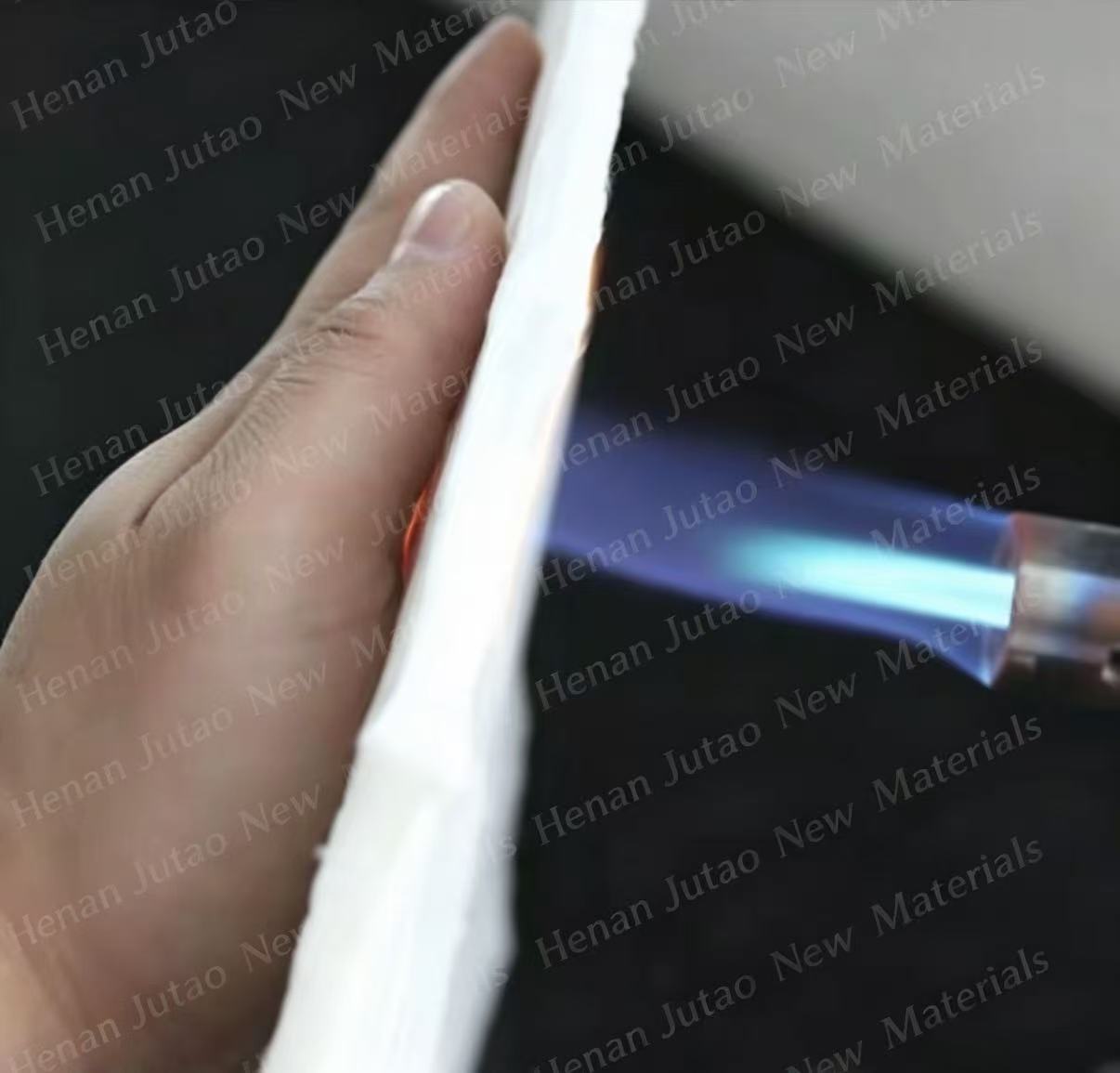
Buying the Difference Between Thermal and Acoustic Insulation: A Checklist
A smart buying process for the difference between thermal and acoustic insulation includes these practical checks:
Audit the supply chain: Ask where raw materials come from and whether the factory has backup sources. Material traceability reduces unexpected shortages.
Review the quality manual: A written QC plan with inspection points, acceptance criteria, and responsible personnel shows the supplier takes quality seriously.
Negotiate terms carefully: Payment structure, delivery windows, and defect remedies should be documented in a signed contract before any deposit is paid.
Explore Our Products
Below are our recommended products for buyers interested in the difference between thermal and acoustic insulation. Visit each product page for complete details, certification documents, and sample request options:
Product Catalog:
- Advanced Materials-AerogelThermal Barrier
- AerogelInsulation
- Vacuum Insulation Panel
- Products Catalog
Sourcing Notes
Certificate verification: Always cross-check supplier certificates against the issuing body's database. Expired or mismatched certificates are a common cause of customs rejection in regulated markets.
CNY planning: Chinese New Year typically disrupts production for 3-5 weeks. Plan orders to ship before late January to avoid delays and premium air freight charges.
Frequently Asked Questions
Q1: What MOQ should I expect for the difference between thermal and acoustic insulation?
Standard products typically have MOQs of 100-500 units. Custom-branded products usually require 500-1,000 units. Fully custom designs with new tooling may require 3,000-10,000 units. Many suppliers will negotiate lower MOQs for first orders.
Q2: How do I handle shipping and customs?
Use a licensed freight forwarder experienced in aerogel insulation. They handle booking, documentation, and customs clearance. Choose FOB terms if you want to control shipping, or DDP if you want the supplier to handle everything. Always confirm Incoterms in the contract.
Q3: Are samples available before placing a bulk order?
Yes, most suppliers provide samples. Expect to pay $50-$200 per sample plus shipping. Some suppliers refund the sample cost if you proceed with a bulk order. Always evaluate samples before committing to production.
Q4: How do I protect my intellectual property when sourcing?
Have the supplier sign a bilingual NDA before sharing detailed designs. Register your trademarks and patents in China. Avoid sharing proprietary manufacturing processes, share only what the supplier needs to produce your product.
Q5: What are the main risks of sourcing from China?
Quality inconsistency, communication gaps, intellectual property concerns, and shipping delays are the most common. All are manageable with proper due diligence: sample testing, clear contracts, NDAs, and realistic timelines with buffers.
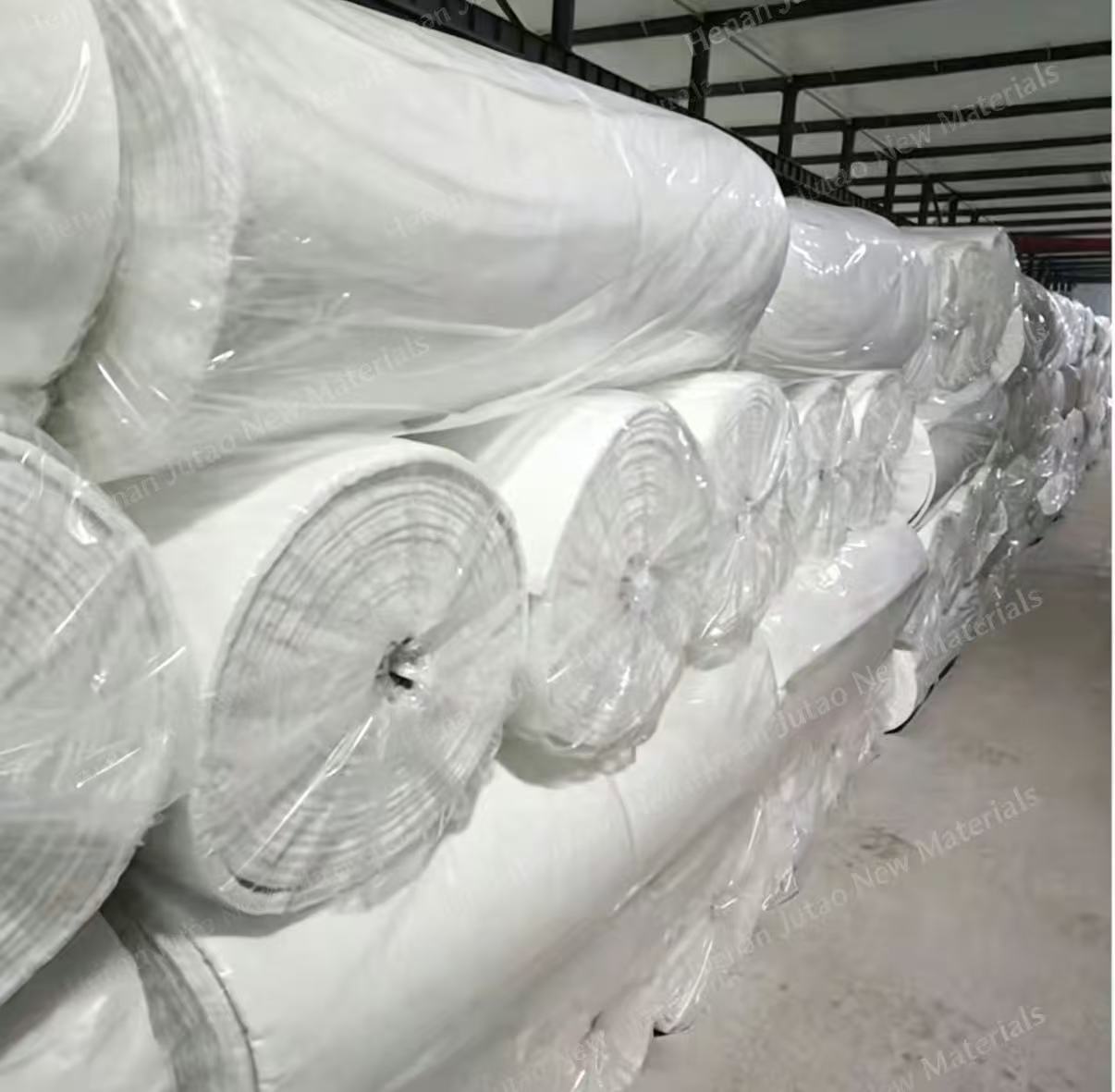
Conclusion
Remember: the cheapest quote is rarely the best value. Factor in quality consistency, communication responsiveness, lead-time reliability, and after-sales support when making your decision. Ready to start? Browse our catalog or send us your inquiry, our experienced team will help you find exactly what you need.