


What is Insulation
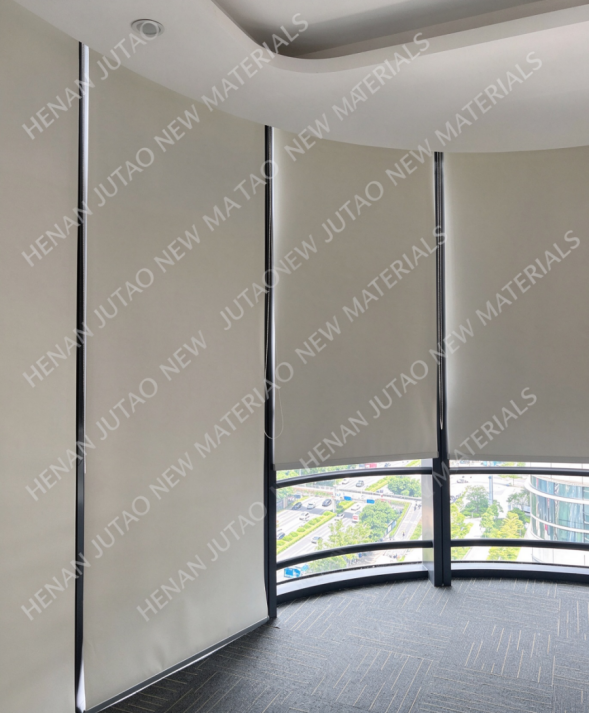
Insulation is material designed to prevent heat or sound from being transmitted from one area to another. It's normally used to keep heat and/or sound in or out of your home, or to confine it to certain parts of your house. Insulation can work in a number of different ways, but it most commonly incorporates materials that consist of millions of tiny pockets of air. Still air is an extremely good insulator, and trapped pockets of air are what give most types of insulation their high thermal resistance.
Thermal insulation to control heat
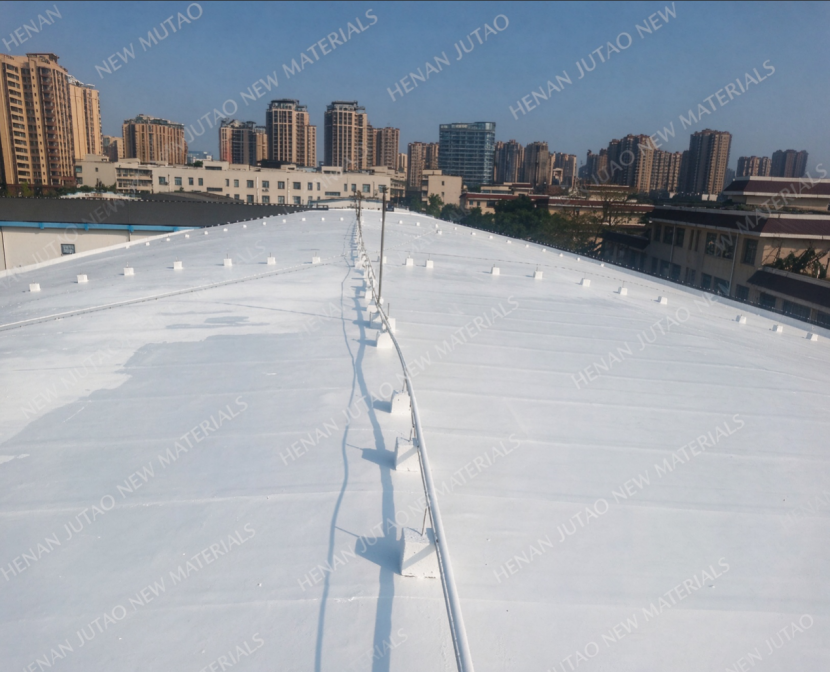
This is the sort of insulation people normally think of first when they hear the word 'insulation'. Thermal insulation is usually found in walls and ceilings, especially the outside walls of a home where heat is most likely to be gained or lost. The idea behind thermal insulation is very simple; to keep one side of the insulation warmer than the other. If you live in an area where the weather varies through the seasons, your insulation will need to be coupled with the correct passive design principles. If it's always hot or cold where you live, then your insulation will be incorporated into the design with that in mind.
Acoustic Insulation to control sound
In addition to controlling heat, insulation can also be used to control sound - and to some extent every type if insulation will help to control both. Acoustic insulation is normally found in walls, ceilings and floors, but specialised soundproofing is usually reserved for special applications (like home theatres, for example).
Likewise, if you live in an area where external noise from things like busy roads, airports, train lines or industrial machinery is an intrusion, you may also want to look at specialised ways to keep that sound outside. Acoustic insulation measures, particulary for windows, ceilings and walls, can make a big difference to your sanity.
Can insulation do both?
While thermal insulation can dampen sound transmission to some extent (and vice versa), most insulation types will strongly lean to one side or the other. When people ask this question, they're normally asking whether thermal insulation will be sufficient as a sound insulator in a home. The answer is that it really depends - on things like the volume and pitch of the noise that needs to be controlled, and how your house is constructed. In most homes that are only exposed to general low-level noise, thermal insulation will do the job well enough that you shouldn't need any additional acoustic insulation. Acoustic insulation can be very useful in the internal walls of your home to stop noise transmission between bedrooms and living spaces.
What kinds of insulation are available?
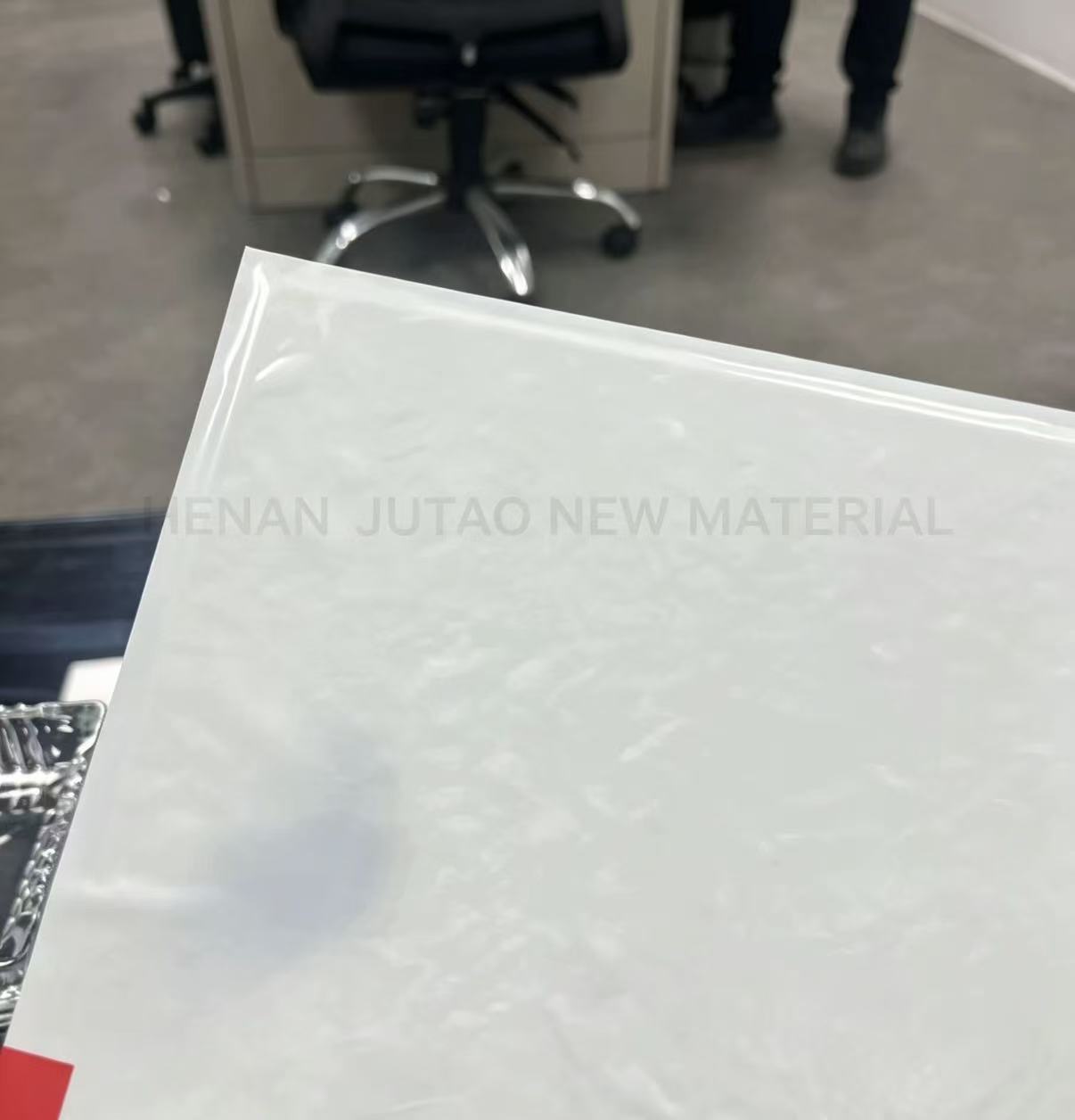
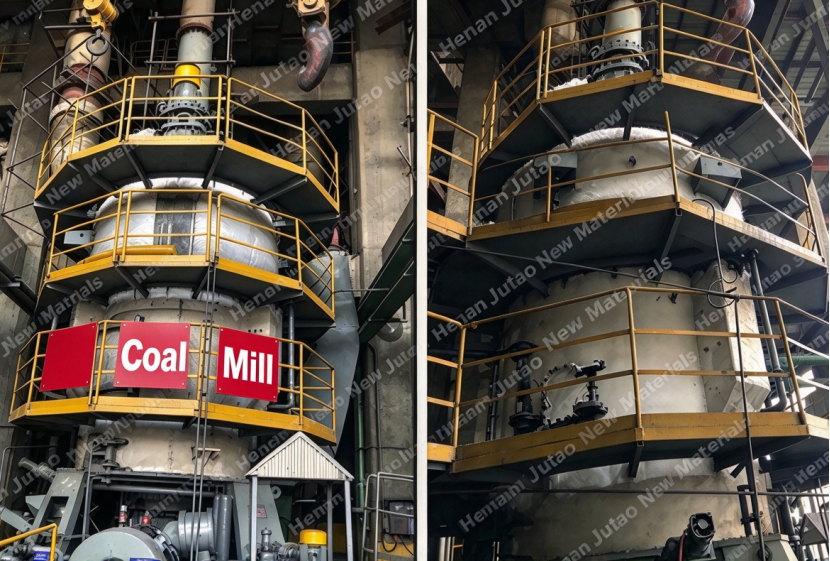
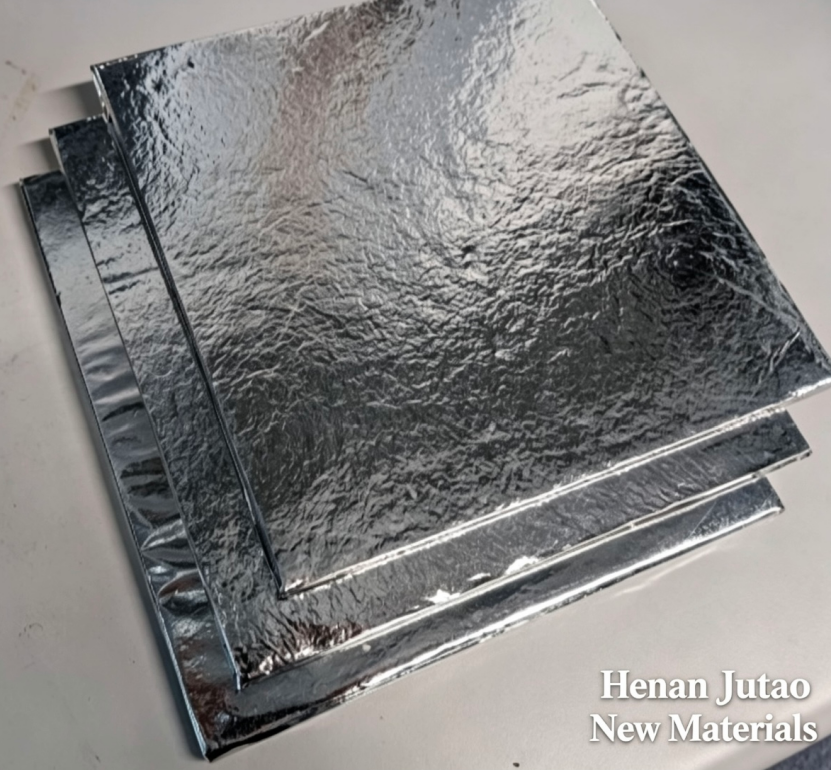
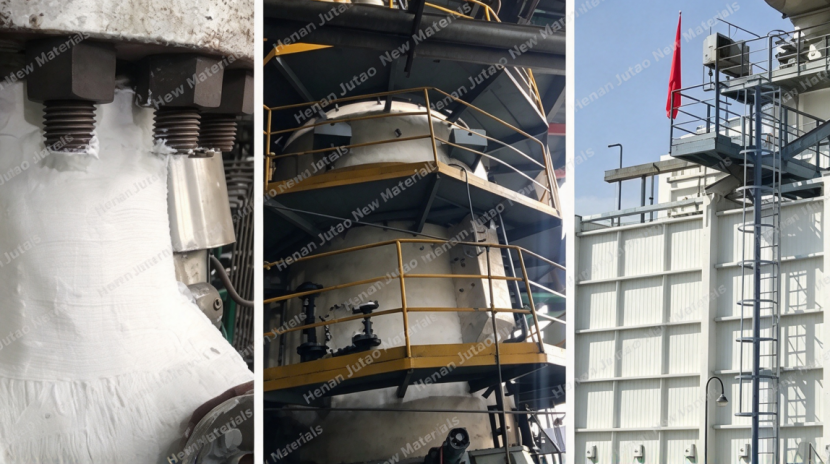
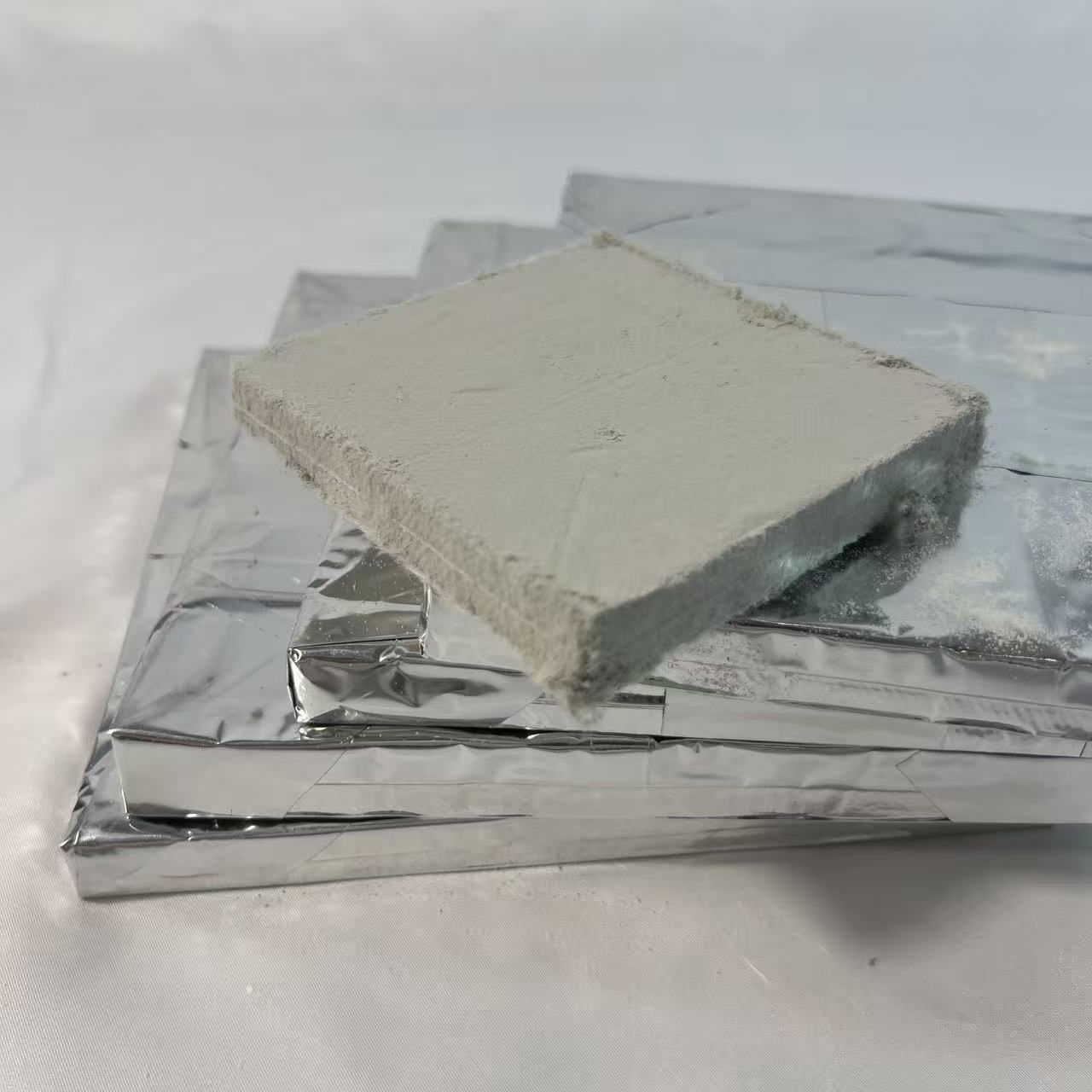
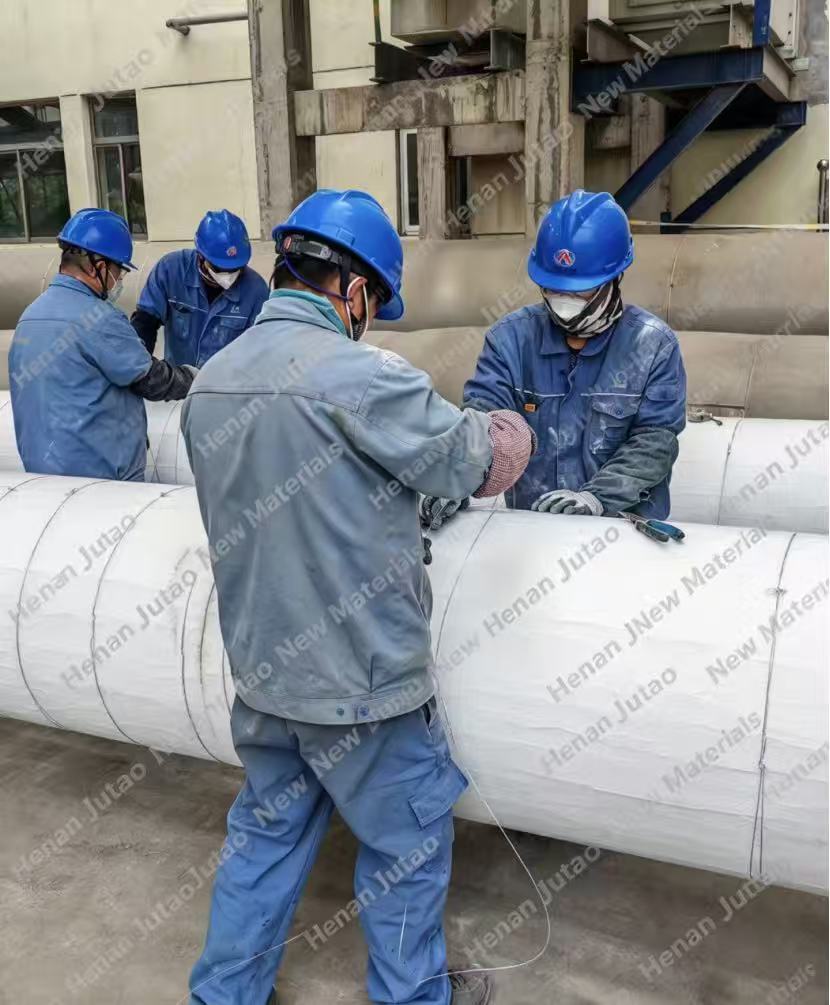
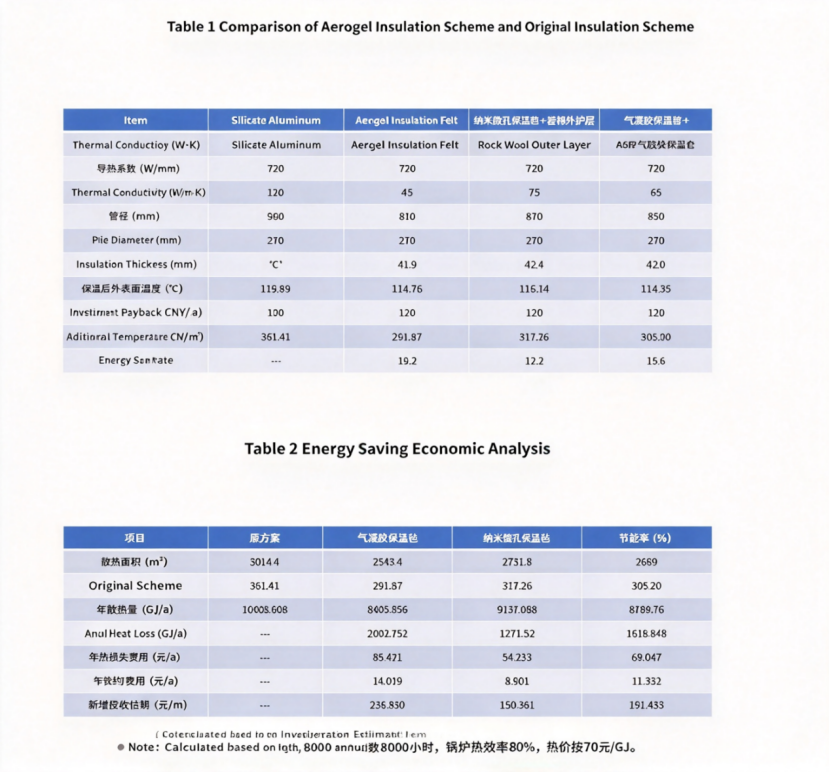
Probably the first type of insulation people think of is some sort of batt, usually glasswool or rockwool; batts are light, fluffy-looking panels of material that sit inside the frame of your home - typically either in wall spaces or in your ceiling. Aerogel blanket is a flexible superinsulation material based on silica aerogel contained in a fiber blanket carrier. It offers the highest R-value of any insulating material at less weight and thickness—ideal for construction, refineries, pipelines, and thin-gap thermal barriers.
AEROGEL Applications
Insulation: Used in construction, aerospace, and other applications for thermal and acoustic insulation.
Aerospace: NASA has used aerogel for collecting space dust during the STARDUST mission and for protecting Mars rovers.
Energy storage: Carbon aerogels are used in supercapacitors and batteries.
Filters and collectors: Its unique structure allows it to function as a filter or for collecting high-velocity particles.
Dedicated acoustic insulation can require higher density fibrous insulation or other dense materials, and is often made of polymer-based materials like rubber or glue. In residential applications though, a system's combination of the density of the internal wall structure with the installed bulk insulation will provide significant acoustic benefits.