













What Are the Core Components of VIP Panels?
Struggling to find the right the core components of vip panels for your project? You are not alone. Many buyers waste weeks comparing options without knowing what actually matters. This guide cuts through the noise and gives you the specific criteria that experienced professionals use.
Understanding the Core Components of VIP Panels
the Core Components of VIP Panels form a distinct class of products within the broader aerogel insulation market. Buyers across retail, commercial, and industrial channels rely on these items to deliver consistent performance and long-term value.
At their core, the core components of vip panels are engineered solutions built to satisfy precise functional requirements. Small differences in raw materials, tolerances, and finishing can lead to significant differences in durability and user satisfaction.
What Drives the Core Components of VIP Panels Performance
The performance of the core components of vip panels depends on how well the manufacturer controls variables like material purity, processing temperature, and finishing quality. Top-tier factories invest in automated production lines and real-time monitoring to maintain consistency.
When evaluating suppliers, ask about their production equipment, quality control stations, and testing protocols. A factory that cannot describe its own process in detail is a red flag.
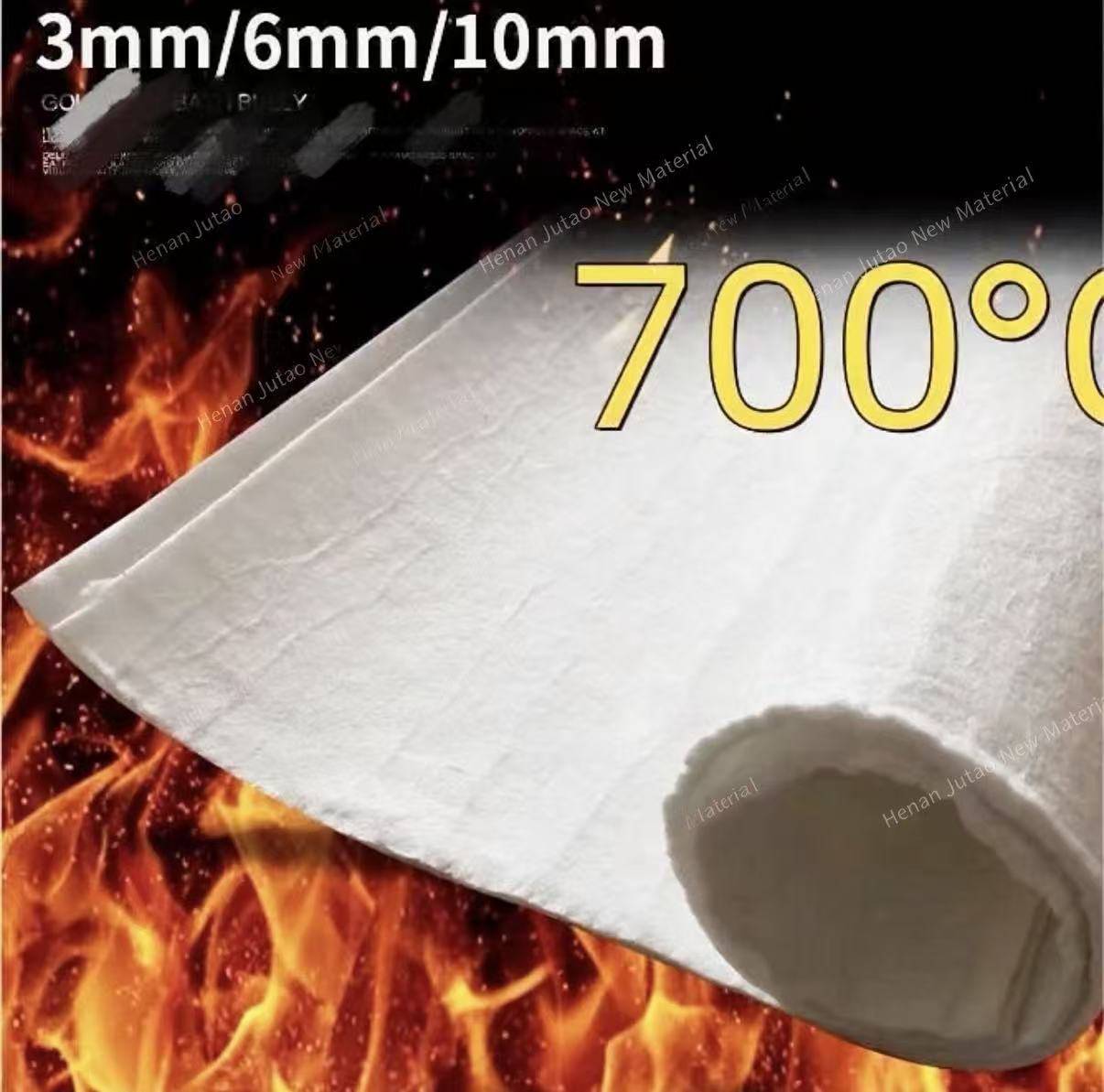
Key Benefits
• Performance reliability: Well-manufactured the core components of vip panels delivers consistent results batch after batch, reducing warranty claims and customer complaints.
• Cost efficiency: While premium products cost more upfront, they often have a lower total cost of ownership due to reduced maintenance and replacement needs.
• Compliance readiness: Products from certified manufacturers come with the documentation needed for customs clearance and market access.
Where the Core Components of VIP Panels Are Used
The versatility of the core components of vip panels makes it valuable across diverse applications. From high-volume consumer goods to specialized industrial components, the right specification ensures optimal performance in each scenario.
When discussing your needs with a supplier, describe the end-use environment: temperature range, humidity, mechanical stress, and expected lifespan. This information helps the manufacturer recommend the best material and design approach.
How the Core Components of VIP Panels Stack Up
Choosing between the core components of vip panels and other aerogel insulation alternatives comes down to matching product attributes to project needs:
Performance under load: Test data and field reports reveal how products behave in real conditions, not just in catalog descriptions.
Adaptability: Can the product be modified for size, color, finish, or packaging without major tooling changes?
Supplier reliability: Consistent delivery, clear communication, and documented quality processes often matter more than a small price advantage.
Regulatory alignment: Make sure the option you choose carries the certificates and test reports required by your destination country.
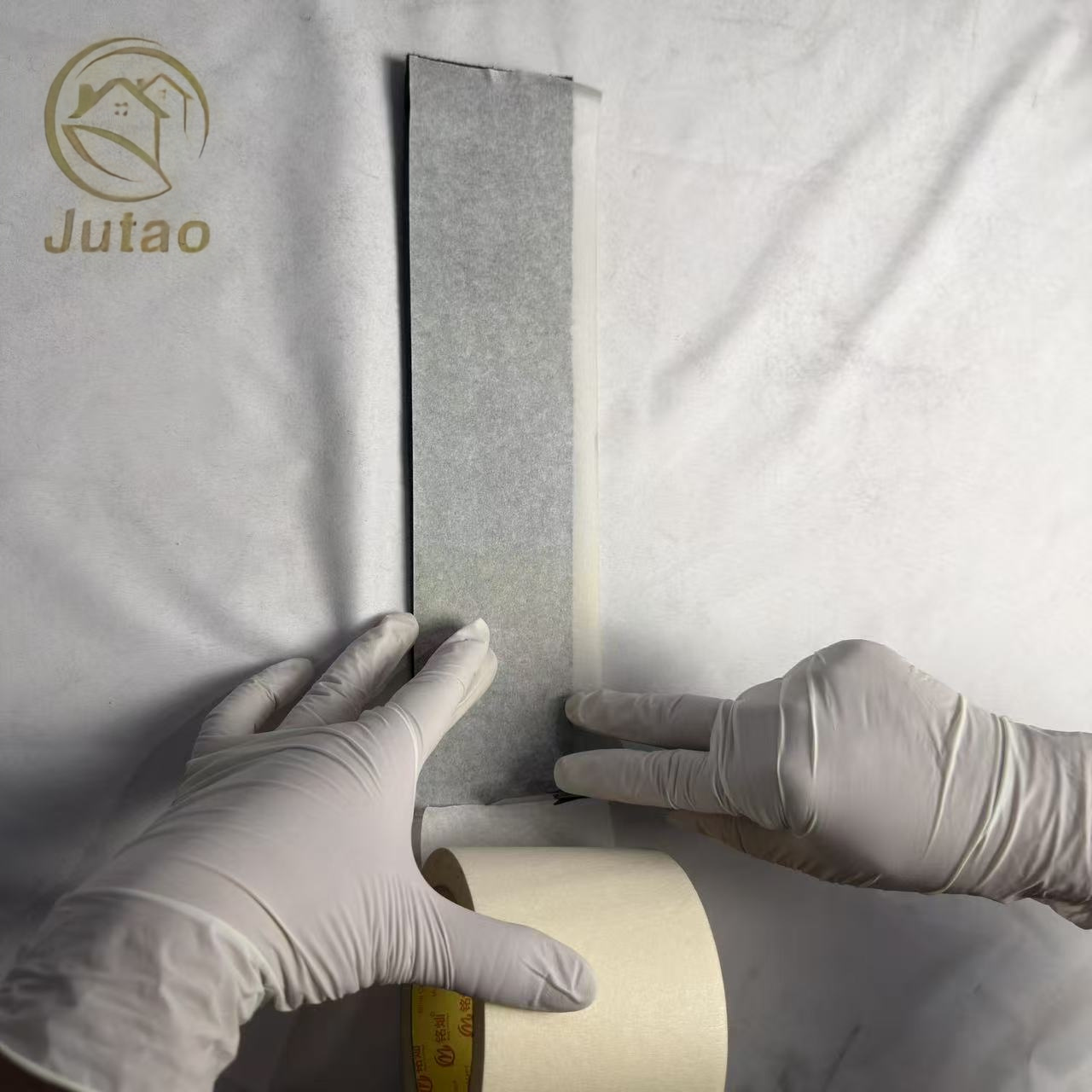
What to Look for When Buying
When evaluating the core components of vip panels for purchase, keep these criteria in mind:
Verify certifications: Request actual certificate copies, not just claims. Check that the factory name on the certificate matches the supplier you are dealing with.
Assess production capacity: Make sure the factory can handle your order volume without stretching their resources too thin.
Request samples: Never commit to a bulk order without first evaluating a physical sample for quality and finish.
Explore Our Products
Explore our curated selection of products related to the core components of vip panels. Each link below takes you to a dedicated product page with full specifications:
Product Catalog:
Sourcing Notes
Payment structures: For first orders, a 30% deposit with 70% balance against bill of lading is standard. Orders above $50,000 often justify a letter of credit for added security.
Backup suppliers: Maintain at least one qualified backup supplier. Single-source dependency creates vulnerability during peak seasons, quality disputes, or unexpected factory closures.
Frequently Asked Questions
Q1: How can I ensure consistent quality across orders?
Use AQL sampling inspection (Level II, AQL 2.5) for every shipment. Document quality baselines with your first order and compare subsequent batches against them. If quality drifts, address it with the supplier immediately.
Q2: What certifications do I need for my market?
For Europe: CE marking and RoHS compliance. For the US: FCC (electronics), FDA (food contact), and applicable ASTM standards. For aerogel insulation specifically, look for CE, ISO 9001, RoHS. Always request actual certificate copies.
Q3: What happens if the products are defective?
Your purchase contract should specify defect thresholds, AQL levels, and remediation procedures. If defects exceed agreed limits, the supplier should rework, replace, or credit the defective units. Third-party inspection reports support your claim.
Q4: How do I calculate the total cost of importing?
Add: unit price + tooling (if applicable) + packaging + inland freight to port + sea/air freight + customs duties + inspection fees + insurance. Many importers underestimate total cost by 20-30% because they only look at the unit price.
Q5: What is the best way to communicate with Chinese suppliers?
Email for formal communication and documentation. WeChat or WhatsApp for quick questions. Video calls for factory tours and relationship building. Always follow up verbal agreements with written confirmation to avoid misunderstandings.
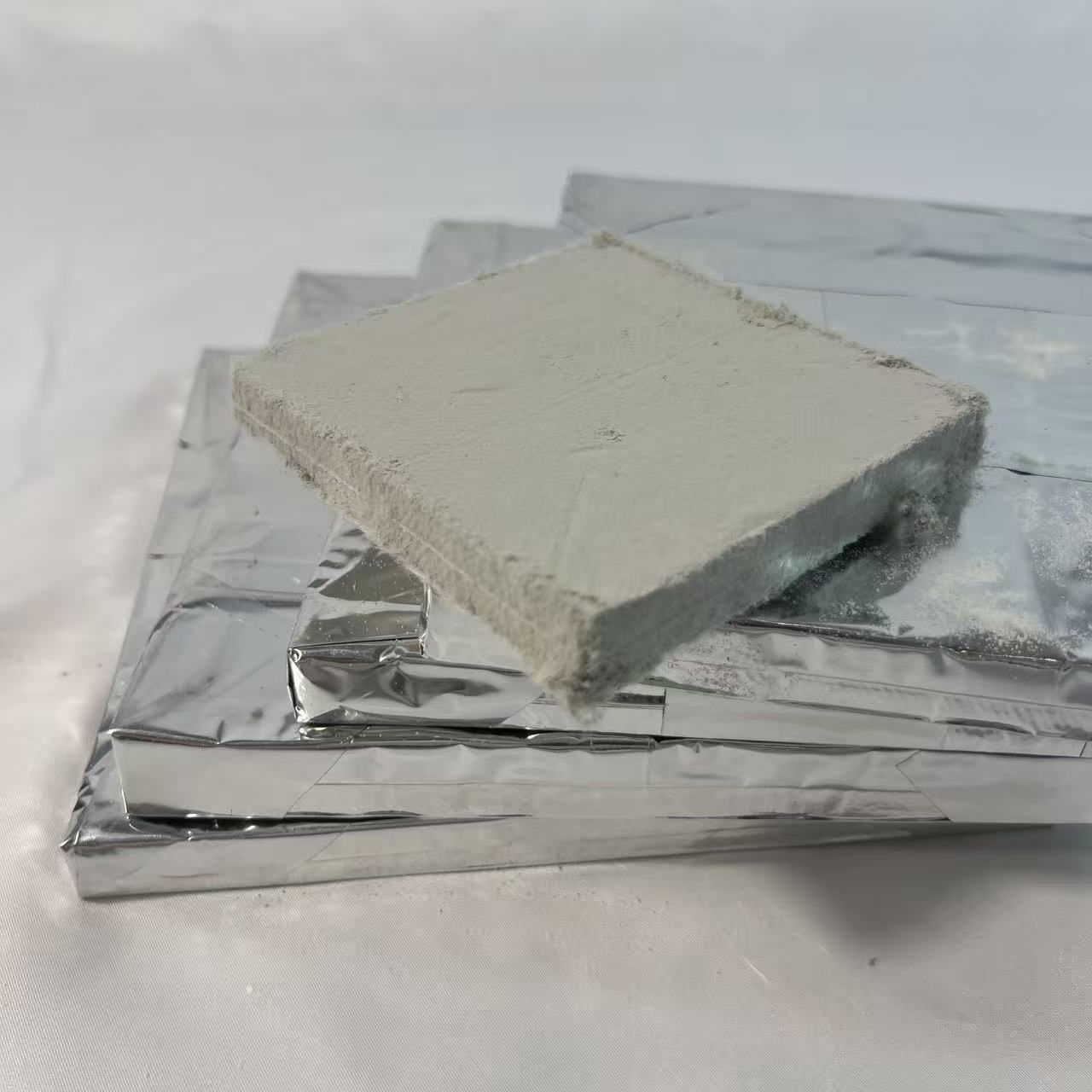
Conclusion
The difference between a smooth sourcing experience and a costly disaster is almost always preparation. Know what you need, know who you are buying from, and document everything. When you are ready to move forward, browse our complete product range and request a sample to verify quality firsthand.