



Industry News









0102030405
VIP Panels vs PU Foam: Key Performance Insights for Pros
2026-07-24
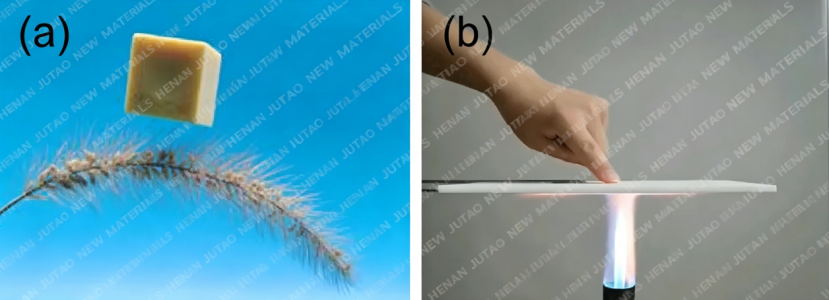
Selecting the optimal insulation material is a high-stakes decision in the design of cold chain logistics, commercial refrigeration, and high-performance building envelopes. Vacuum Insulation Panels (VIP Panels) and Polyurethane Foam (PU Foam) represent two distinct technological benchmarks. While PU Foam dominates traditional markets due to its versatility, VIP Panels offer unparalleled thermal efficiency in space-constrained applications. This guide provides an engineering-focused analysis to help global buyers evaluate total cost of ownership (TCO) beyond the initial purchase price.
Thermal Conductivity: The Physics of Heat Transfer
The primary distinction between these materials lies in their heat transfer mechanisms. PU Foam utilizes closed-cell structures filled with insulating gas, achieving a standard thermal conductivity range of 0.022 to 0.028 W/m·K.
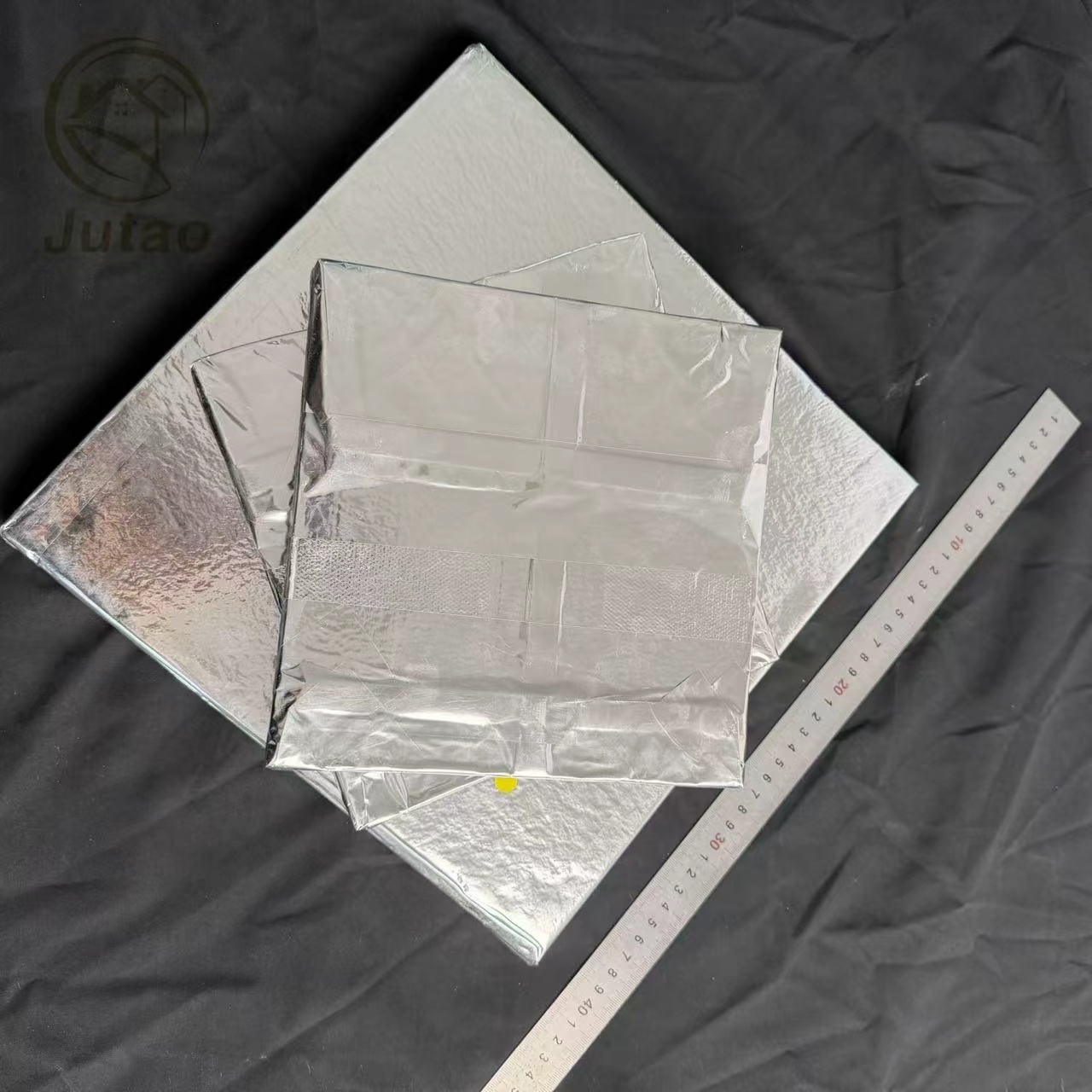
In contrast, VIP Panels remove the gaseous medium entirely. By encapsulating fumed silica or fiberglass cores within a multi-layer gas barrier film and evacuating the air, they minimize conduction and convection. The core thermal conductivity of a VIP can be as low as 0.002 to 0.008 W/m·K. For procurement teams, this translates to a 4-to-8-fold increase in thermal resistance compared to traditional foams. However, it is critical to account for edge thermal bridging; project engineers typically specify an effective value of 0.004 to 0.006 W/m·K to ensure safety margins in real-world installations.
R-Value Density and Space Optimization
When evaluating insulation R-value, the difference is stark. Standard PU Foam offers approximately R-6 to R-7 per inch. High-performance Vacuum Insulation Panels, however, deliver R-30 to R-50 per inch.
This thickness replacement ratio is vital for B2B buyers focused on payload capacity.
-
To achieve a target of R-10, PU Foam requires roughly 40mm to 50mm of thickness.
-
A VIP Panel achieves the same R-value with only 10mm to 15mm.
Case Study: In the pharmaceutical transport sector, switching from PU to VIP Panels allowed a leading logistics provider to reduce wall thickness by 40%. This seemingly minor change increased the internal volume of vaccine carriers by 15%, enabling more doses per shipment without altering external dimensions or freight class.
Service Life and Environmental Resistance
Temperature Tolerance
PU Foam maintains structural integrity across a broad spectrum (-70°C to +150°C), making it suitable for diverse industrial applications. VIP Panels typically operate within -86°C to +90°C. While the core material is stable, the outer barrier film dictates the upper-temperature limit. Therefore, for high-heat industrial processes exceeding +100°C, PU remains the safer standard.
Long-Term Durability
The service life of VIP insulation heavily depends on the barrier film's ability to prevent gas ingress. Fumed silica-based VIPs exhibit exceptional longevity, often cited at 20 to 60 years, due to the core's resistance to conductive gas penetration even if vacuum levels drop slightly. Conversely, PU Foam is susceptible to moisture absorption; once water ingress exceeds 5%, its thermal conductivity rises significantly, degrading performance over a typical 15 to 30-year lifespan.
Installation Constraints and Site Adaptability
PU Foam offers superior site flexibility. It can be sprayed or cut on-site to fit irregular cavities, ensuring airtight seals—a major advantage for refrigerated truck bodies.
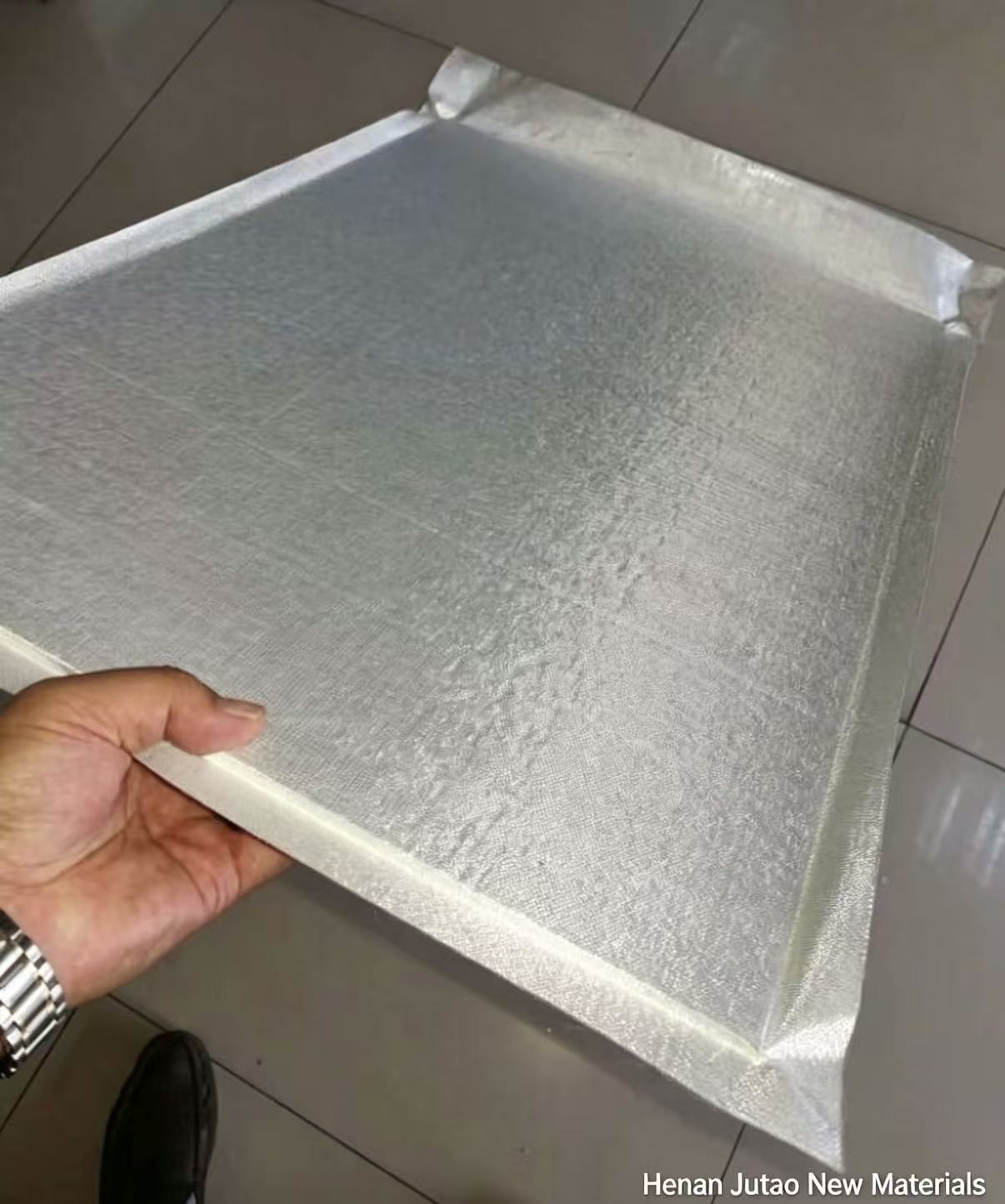
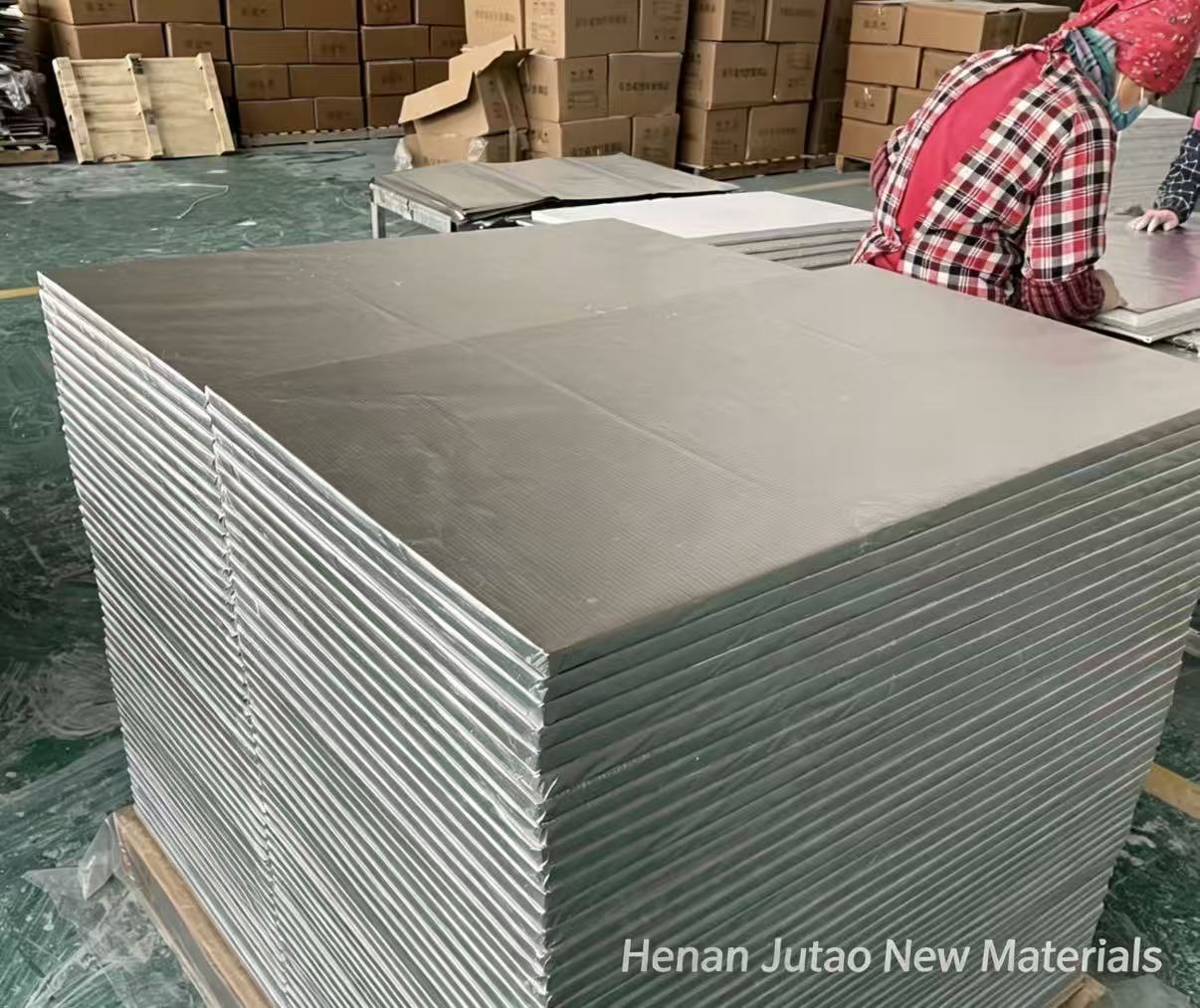
VIP Panels are precision-engineered, factory-sealed units. They cannot be cut or drilled on-site. Any breach of the barrier film destroys the vacuum and renders the panel ineffective. Consequently, procurement must ensure exact specifications are provided before manufacturing. Installation requires meticulous sealing of joints with aluminum foil tape to mitigate thermal bridging. For projects with variable site conditions, the rigidity of VIPs presents a higher logistical risk than PU.
Economic Analysis: CAPEX vs. OPEX
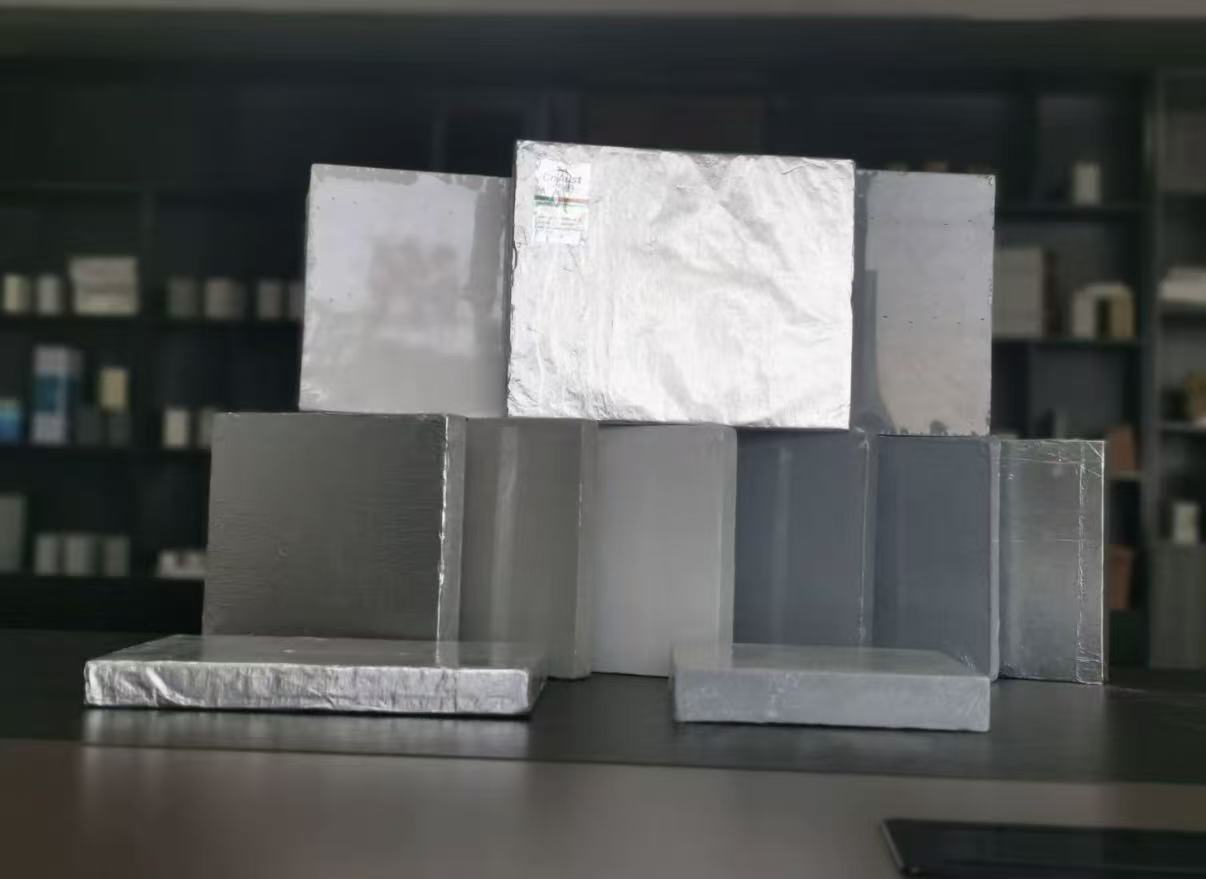
While the initial CAPEX for VIP Panels is typically 3 to 5 times higher than that of PU Foam, focusing solely on purchase price ignores operational savings.
Energy Efficiency ROI: In commercial freezers, replacing PU with VIP Panels has demonstrated energy consumption reductions of up to 21%.
Logistics Efficiency: Thinner walls increase cargo space. Over thousands of shipments, the cumulative gain in transport efficiency offsets the higher material cost.
Procurement Insight: For cold storage warehouses or budget-sensitive temporary structures, PU Foam remains the cost-effective choice. For medical cold chain, ultra-low temperature freezers, or near-zero energy buildings (NZEB), the TCO favors VIP technology.
Technical Specification Summary
|
Feature
|
VIP Panels
|
PU Foam
|
|---|---|---|
|
Core Thermal Conductivity
|
0.002 – 0.008 W/m·K
|
0.022 – 0.028 W/m·K
|
|
R-Value per Inch
|
R-30 to R-50
|
R-6 to R-7
|
|
Typical Thickness (for R-10)
|
10mm – 15mm
|
40mm – 50mm
|
|
Operational Temperature
|
-86°C to +90°C
|
-70°C to +150°C
|
|
Estimated Service Life
|
20 – 60 Years
|
15 – 30 Years
|
|
Moisture Sensitivity
|
Low (if membrane intact)
|
High (degrades if wet)
|
|
On-Site Workability
|
None (Pre-fabricated)
|
High (Spray/Cut)
|
|
Initial Cost
|
High
|
Low
|
Verification Checklist for International Buyers
To ensure compliance and quality, request the following documentation from your supplier:
-
Third-Party Testing: Insist on test reports compliant with ASTM C177 or EN 12667 standards for thermal conductivity.
-
Aging Data: Request long-term thermal performance data based on accelerated aging tests (e.g., predicting performance after 10–15 years).
-
Barrier Film Specs: Verify the Water Vapor Transmission Rate (MVTR); this is the primary determinant of a VIP’s functional lifespan.