


Vacuum Insulation Panels: Redefining High-Efficiency Thermal Insulation Technology
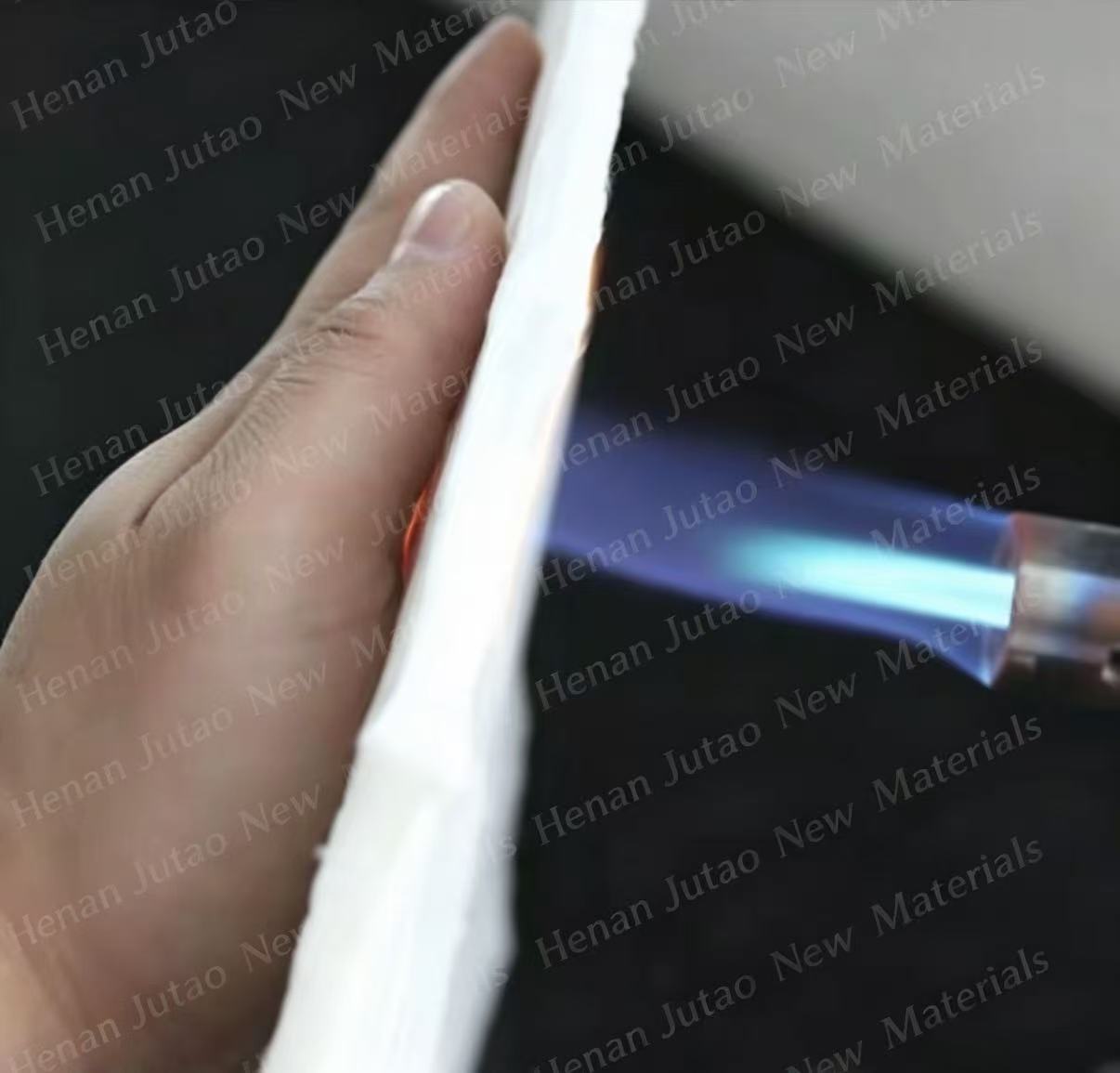
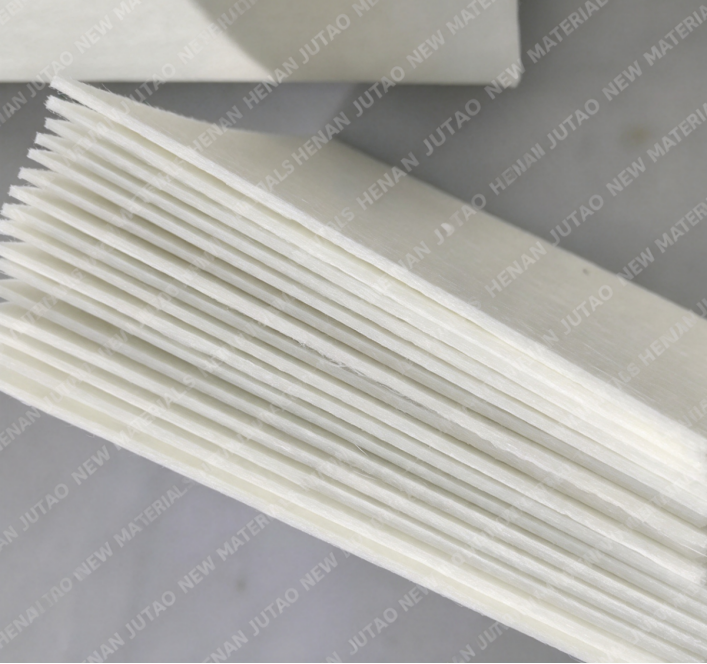
Driven by both the energy crisis and environmental needs, traditional insulation materials are gradually revealing their shortcomings, such as high thermal conductivity, excessive thickness, and environmental concerns. In contrast, Vacuum Insulation Panels (VIPs) are revolutionizing the insulation industry with their groundbreaking technological principles and "ultra-thin, ultra-efficient, and ultra-eco-friendly" properties.
The Advantages of Vacuum Insulation Panels: Achieving Meter-Level Performance with Millimeter-Level Thickness
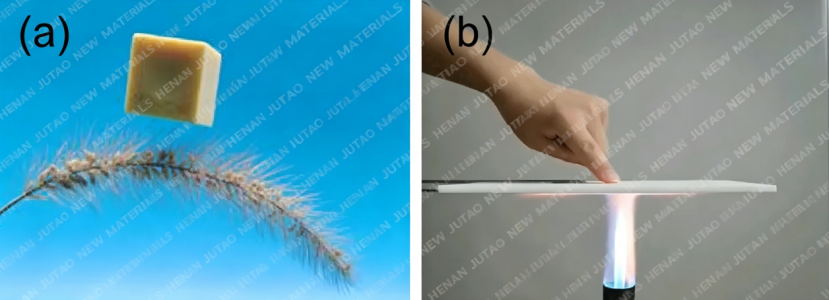
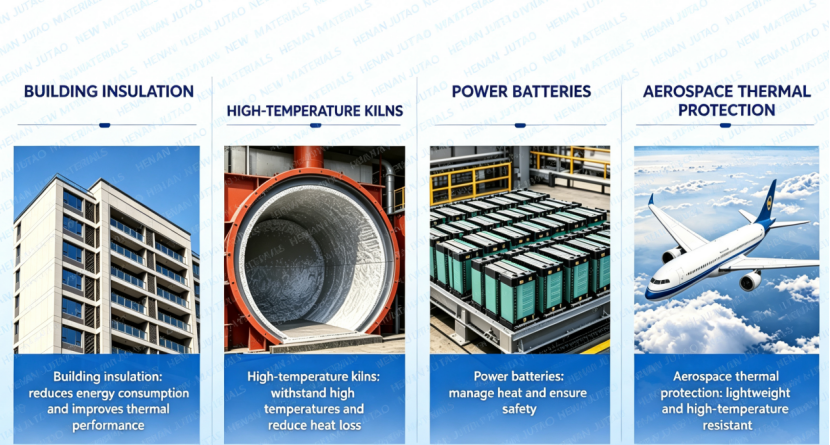
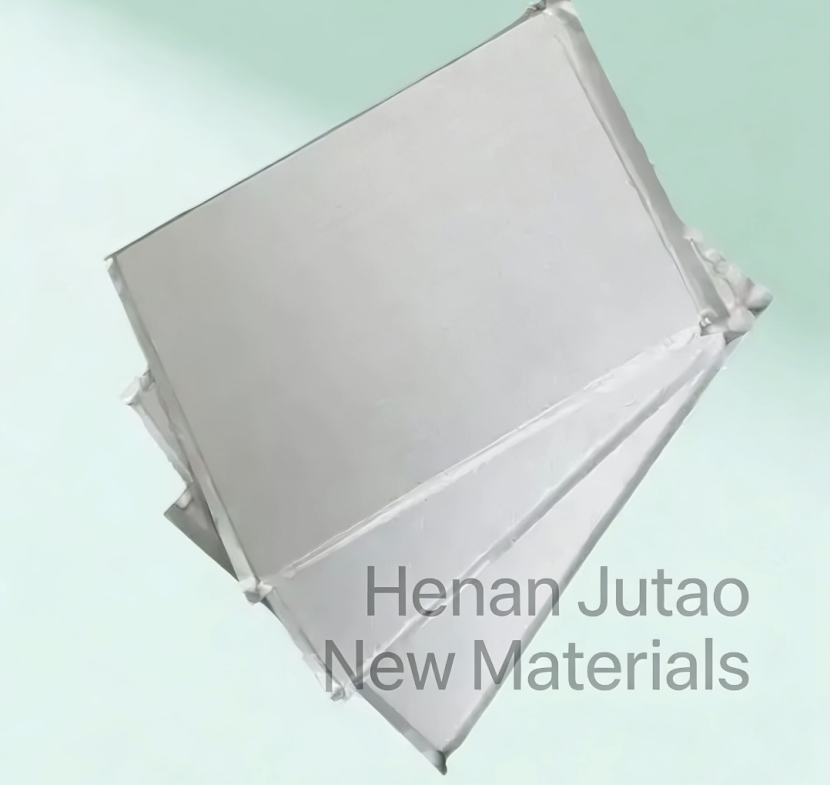
Vacuum Insulation Panels leverage a triple-technology approach—"vacuum environment + high-performance core material + barrier film"—to reduce thermal conductivity to 0.02–0.04 W/(m·K), which is one-tenth that of traditional polyurethane foam. For example, in building wall insulation, while traditional materials require a thickness of 15 cm to meet energy-saving standards, VIPs achieve the same effect with just 3 cm. This directly increases the actual usable area of a building by 3–5 square meters per 100 square meters. This "space-saving" feature is particularly valuable in high-cost urban housing.
Full-Scenario Applications: From Home Appliances to Cold Chains, Construction to Aerospace
Vacuum Insulation Panels have penetrated multiple fields:
Home Appliance Sector: Refrigerators equipped with VIPs see a 20% increase in storage capacity, a 30% reduction in energy consumption, and an extension of the insulation period from 3 days with traditional materials to 5 days. This even enables truck transportation to replace air freight, significantly reducing logistics costs.
Cold Chain Logistics: Vaccine transport containers using VIPs can maintain temperatures in -70°C environments for up to 200 hours, reducing coolant usage by 68% and ensuring the safe delivery of biological products.
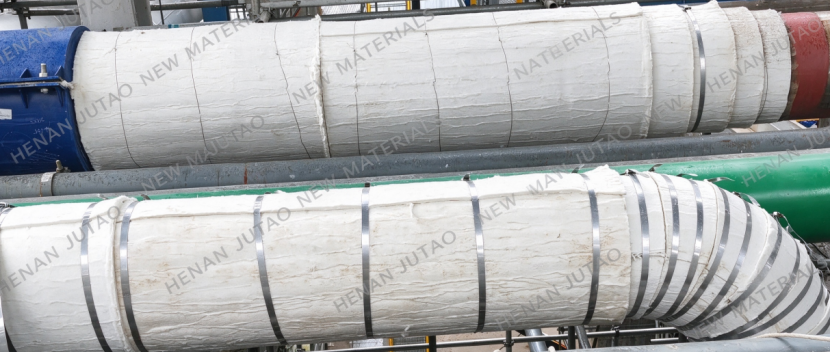
Building Insulation: VIPs that meet the global "Nearly Zero Energy Building Technical Standards" are 10–30 mm thick, achieve a Class A fire resistance rating (non-combustible), and contain no ozone-depleting substances (ODS). With a service life exceeding 75 years, they completely address the issues of traditional materials like rock wool's tendency to detach and polyurethane's flammability.
Technological Breakthroughs: Overcoming Temperature Resistance and Cost Challenges
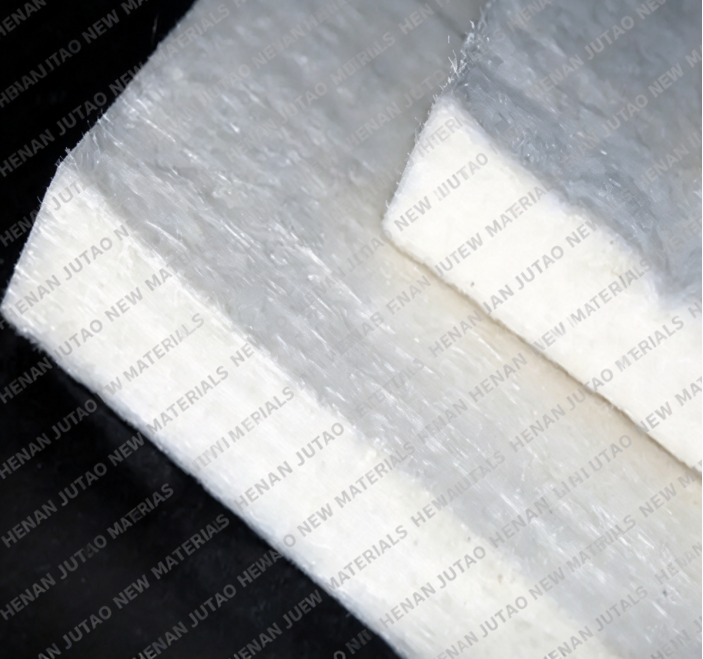
Early VIPs faced limitations due to barrier films' temperature resistance (≤100°C), making them unsuitable for high-temperature applications. In recent years, by developing composite processes of glass fiber core materials and high gas-barrier films, the temperature resistance of new VIPs has been enhanced to over 400°C. This enables their use in demanding scenarios such as thermal protection for new energy batteries and aerospace insulation. Meanwhile, leading global companies have reduced production costs by 40% by optimizing core material formulations and encapsulation processes, driving VIPs from niche markets toward widespread global adoption.
Jutao Environmental Technology — Specialists in Aerogel Material Solutions
Stay connected with us for the latest updates, industry insights and application solutions in the aerogel sector.