








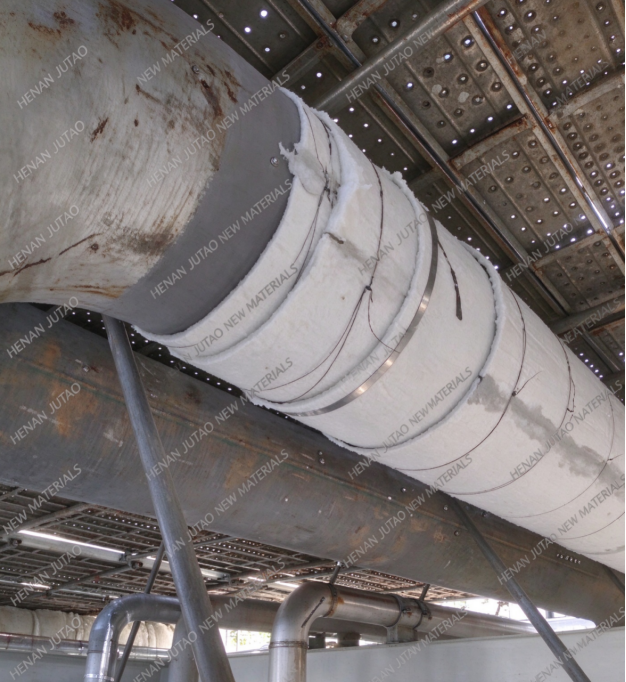
Understanding the Limits: Aerogel’s Service Temperature and Long-Term Thermal Stability
Understanding the Limits: Aerogel’s Service Temperature and Long-Term Thermal Stability
When specifying advanced insulation for high-temperature processes, engineers and plant managers face a critical question: how will the material perform not just initially, but over years of continuous service? For aerogel materials, lauded for their exceptional thermal resistance, the answers lie in two interconnected yet distinct concepts: the maximum service temperature and long-term thermal stability. Grasping this distinction isn't just academic—it’s fundamental to ensuring system safety, efficiency, and longevity.
Let’s clear up a common point of confusion first. The maximum use temperature you often see on a datasheet isn't a single, universal number. It’s a threshold deeply tied to the material’s composition and the specific definition used—whether it’s about short-term exposure, structural integrity, or thermal performance retention.
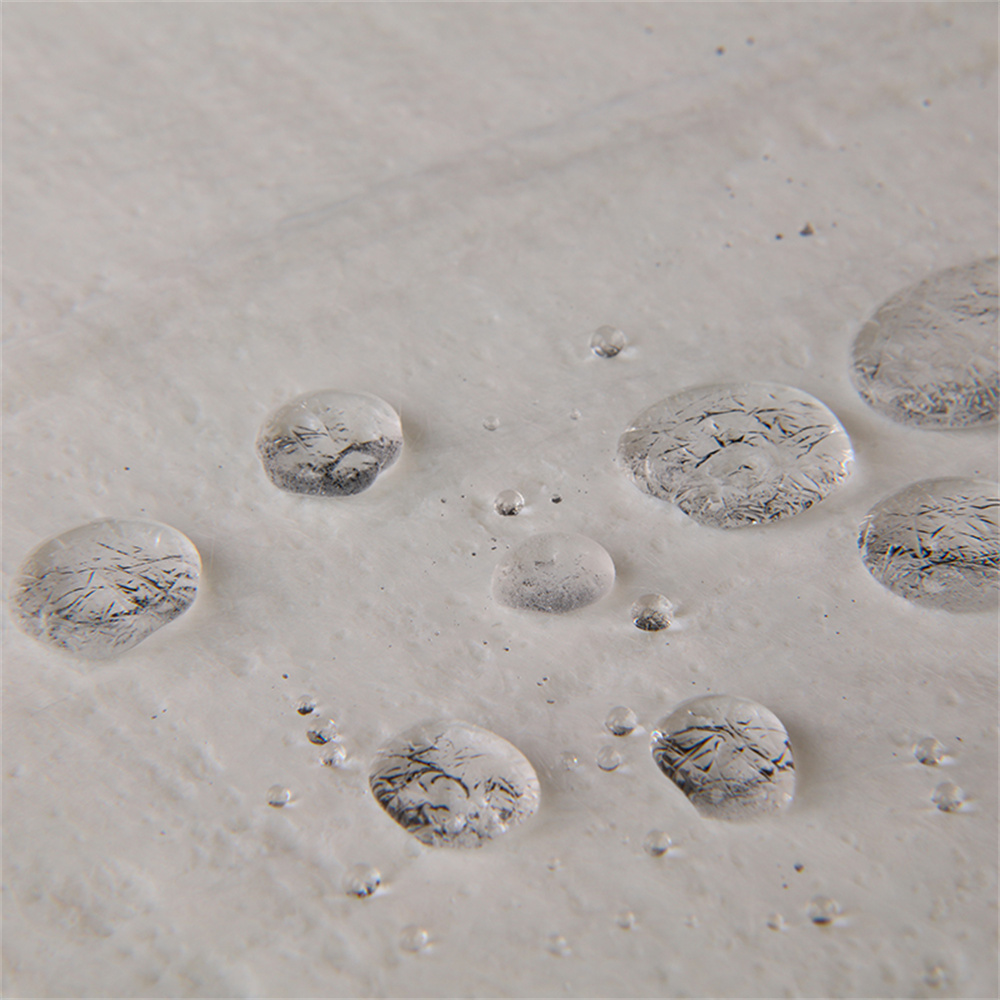
For silica-based aerogel blankets, the most common industrial form, this limit is primarily governed by the hydrophobic agents—the special coatings that repel moisture and preserve the aerogel’s nano-porous structure. These agents, typically silicone-based compounds, begin to degrade when exposed to sustained high heat. This degradation onset, often around 600°F to 650°F (315°C to 345°C), marks a key aerogel temperature limit. Beyond this point, the material may start to lose its water-repellency, which is a gateway to more significant issues.
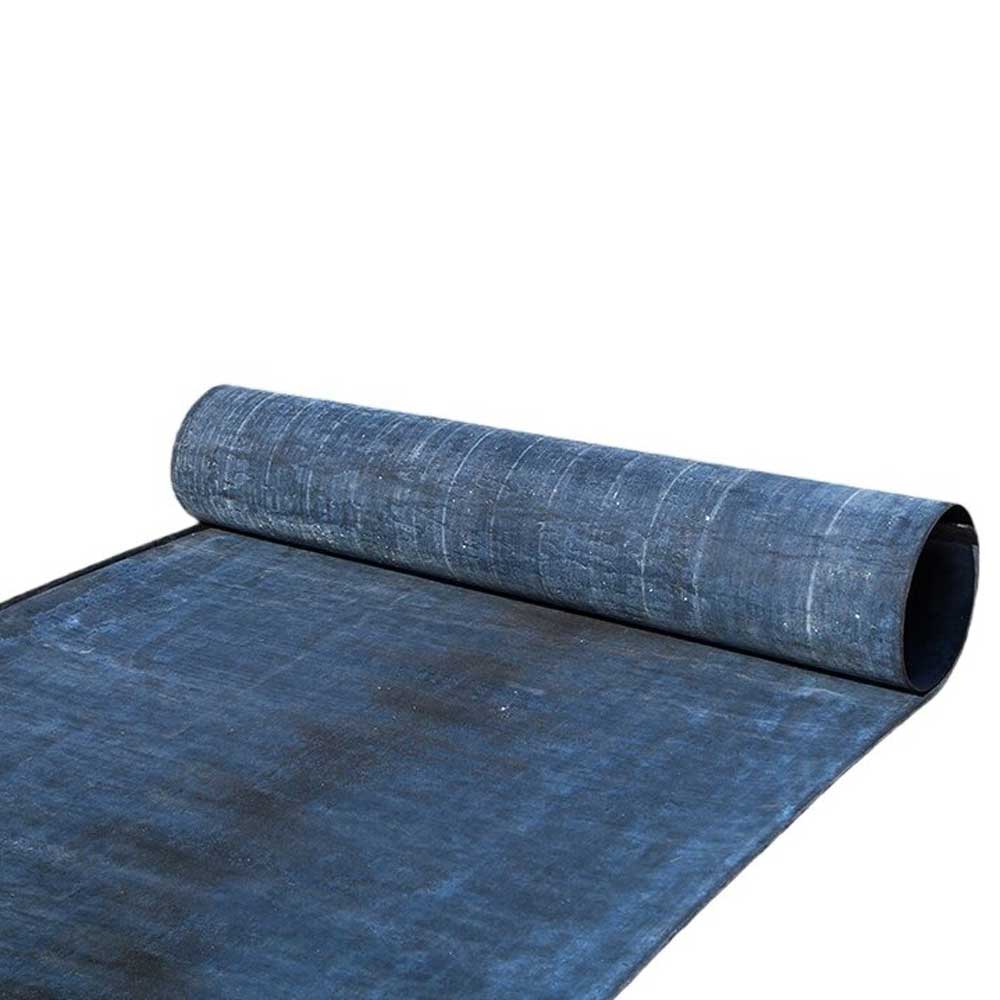
This brings us to the heart of the matter: long-term thermal stability. It’s one thing for a material to withstand a high temperature for an hour; it’s entirely another to do so for thousands of hours. Thermal stability refers to the aerogel’s ability to maintain its key properties—low thermal conductivity, hydrophobicity, and flexibility—over extended periods under thermal stress.
Think of it like this: the maximum service temperature is the redline on your engine’s tachometer. You might briefly touch it without catastrophic failure, but operating continuously at that limit will inevitably cause accelerated wear and potential breakdown. Similarly, continuously operating an aerogel insulation at its absolute rated peak temperature will shorten its functional lifespan. The polymer binders and fibrous reinforcement can begin to oxidize, potentially leading to embrittlement and dusting over time.
For optimal durable thermal performance, a best practice is to operate at a margin below the stated maximum. This provides a safety buffer that accounts for unexpected local hot spots, thermal cycling, and the inevitable slow ageing of materials. It’s a strategy that prioritizes decades of reliable service over pushing specifications to their brittle edge.
Furthermore, the operating environment drastically influences aerogel insulation limits. Is it a dry, oxidative atmosphere, or does it contain trace moisture or chemicals? Even in temperatures below the nominal limit, certain chemical exposures can interact with the aerogel matrix, subtly altering its structure and slowly degrading its insulating power. True thermal stability means resilience against both heat and the surrounding chemical environment.
So, what does this mean for you when evaluating high-temperature aerogel for your application?
First, look beyond the headline temperature number. Engage with technical data sheets that discuss ageing tests and property retention over time. Reputable suppliers should provide guidance on expected performance decay curves at various temperatures. Second, clearly define your own operational parameters: the continuous operating temperature, the peak excursion temperatures and their duration, and the ambient conditions. This allows for a more nuanced selection.
In conclusion, the exceptional insulating value of aerogel is undisputed. However, unlocking its full, reliable potential in demanding applications requires a deeper understanding of its thermal boundaries. By distinguishing between the acute service temperature and the chronic thermal stability, specifiers can make informed decisions that ensure safety, optimize total cost of ownership, and deliver peace of mind for the long-term performance of their thermal management systems. It’s this prudent engineering approach that transforms a high-performance material into a genuinely dependable solution.