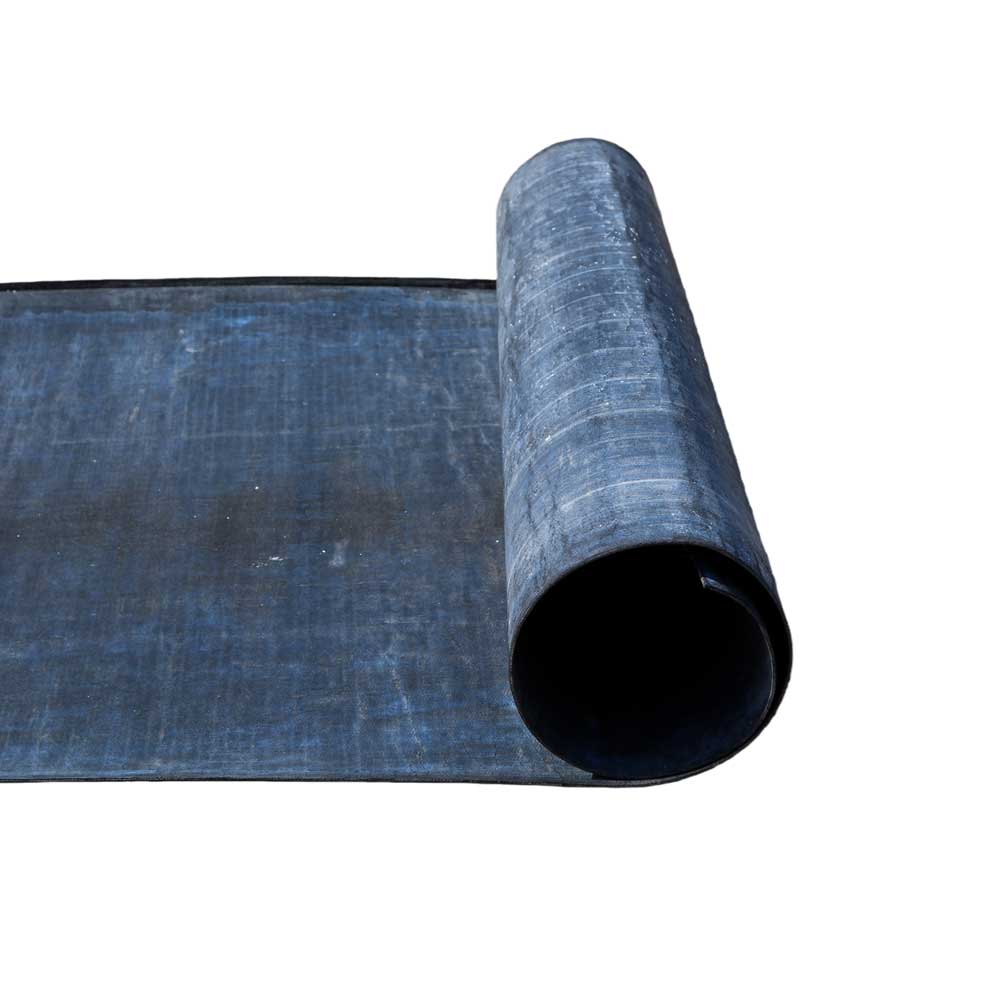
Understanding the Electrical Insulation Properties of Aerogel Materials to Ensure Battery System Electrical Safety
Understanding the Electrical Insulation Properties of Aerogel Materials to Ensure Battery System Electrical Safety
In today's era of rapid development in new energy vehicles and energy storage systems, electrical safety issues within battery packs have become a thorn in the side of engineers and procurement managers. You may have witnessed scenarios where vibration causes wear between battery modules, leading to insulation failure. A momentary short circuit can trigger thermal runaway, with unimaginable consequences. Traditional insulating materials degrade under prolonged high-temperature and high-pressure conditions, compromising performance and creating hidden risks throughout the system's lifecycle. This article takes a practical approach to new material applications, clarifying how aerogels leverage their unique electrical insulation properties to become a critical component in enhancing battery system electrical safety. We go beyond theory, integrating real-world industry application data and selection criteria to empower you with the confidence to choose and evaluate these materials after reading.
Aerogel's Electrical Insulation Mechanism: More Than Just “Separation”
Many assume insulation simply involves separating conductive parts, but aerogel employs a smarter approach. Its structure consists of a three-dimensional network of nanoscale particles, filled with an extremely high proportion of air. For current to pass through, it must traverse this intricate solid-state lattice and trapped air voids, creating an extremely tortuous path. This fundamentally elevates the breakdown voltage. Our laboratory test data shows that commonly used aerogel insulation pads typically achieve breakdown voltages exceeding 20kV/mm—several times higher than many traditional organic insulating materials.
But you might ask: Can't air also insulate? Why not just use an air gap? The key lies in “stability” and “controllability.” Inside battery packs, constant vibration and thermal shocks make air gaps unstable, easily causing localized electric field concentration and discharge. Aerogel, however, “solidifies” air within a stable nano-network, providing a uniform and enduring insulating barrier. Last year, a European commercial vehicle battery pack manufacturer adopted aerogel spacers between modules, successfully reducing long-term insulation resistance decay by 70% and resolving insulation degradation caused by driving vibrations.
Beyond Voltage Withstand: Insulation Stability at High Temperatures is the True Test
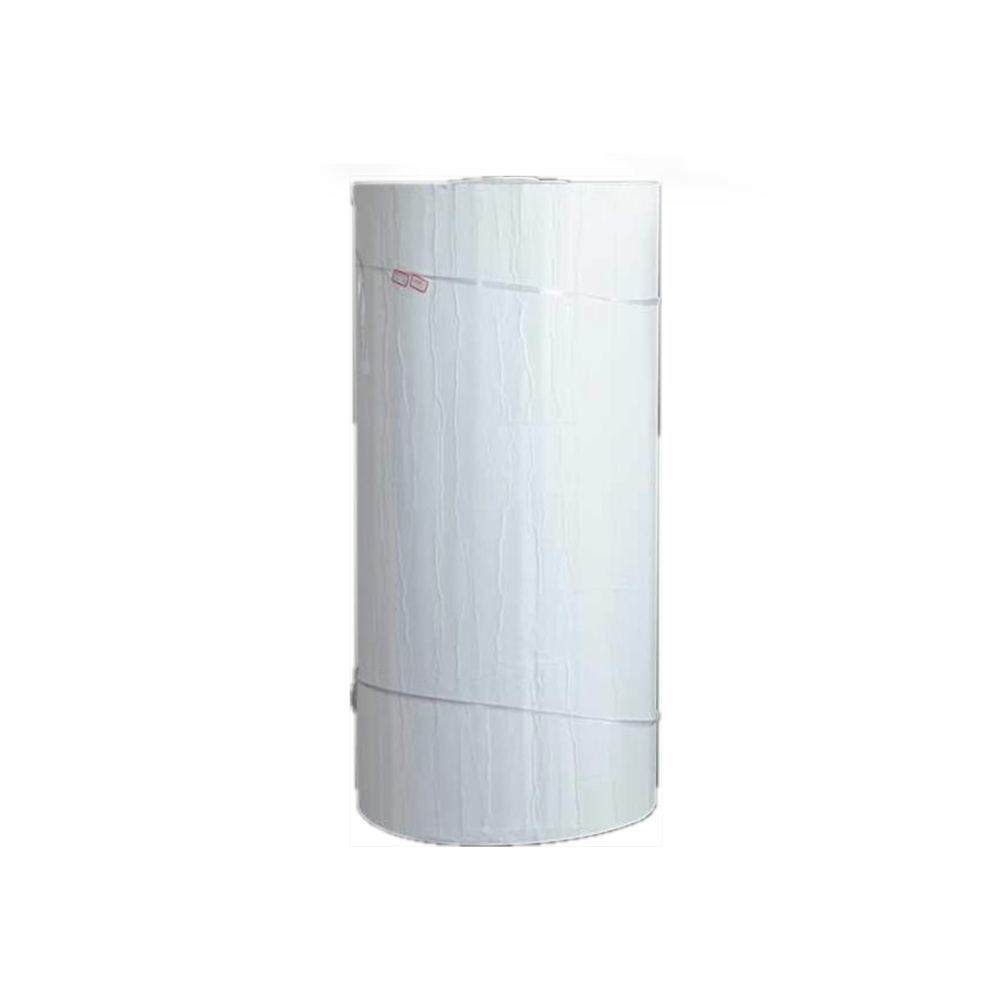
Battery systems operate across a wide temperature range. During fast charging or overloading, localized heat buildup can subject materials to short-term high temperatures. At such times, the insulation performance of many polymer materials deteriorates sharply. Aerogel, primarily composed of inorganic silica or ceramics, exhibits temperature-insensitive insulation properties, maintaining stability across a broad range from -200°C to 600°C. This means it can provide extended safety isolation time for adjacent modules or circuits even under extreme conditions like localized thermal runaway in batteries.
Here lies a detail often overlooked during procurement: thermal aging performance. We evaluated a battery module from an energy storage power station that had been in use for three years. The sections employing aerogel as interlayer insulation showed virtually no change in volume resistivity, whereas the control group using traditional insulating films exhibited significant electrical degradation. This case underscores that when assessing insulation material costs, full lifecycle reliability must be factored in. After all, the losses from a single system failure caused by insulation failure far exceed the price difference of the material itself.
More Than Just Insulation: A Multifunctional Role Combining Thermal Insulation and Cushioning
Within the limited space of a battery pack, ideal materials often need to serve multiple purposes. Aerogel's exceptional electrical insulation properties come bundled with its top-tier thermal insulation capabilities and a degree of compressive resilience. This represents a significant efficiency gain for battery system design. Picture it as a “safety guardian” executing three critical functions simultaneously: preventing electrical shorts, blocking thermal propagation, and absorbing mechanical stress.
For instance, a leading domestic power battery manufacturer faced challenges when designing next-generation CTP (Cell-to-Pack) technology: the separators needed to insulate cells electrically, thermally, and accommodate cell expansion. They ultimately selected aerogel spacers with customized thicknesses. This solution not only passed stringent IP67 and fire resistance tests but also optimized pack energy density by eliminating the need for separate thermal insulation layers. As a purchaser or engineer, when you encounter a material that simultaneously resolves multiple interface issues, recognize its comprehensive advantages in system integration costs and reliability.
Selection and Application Essentials: Avoiding Common Pitfalls
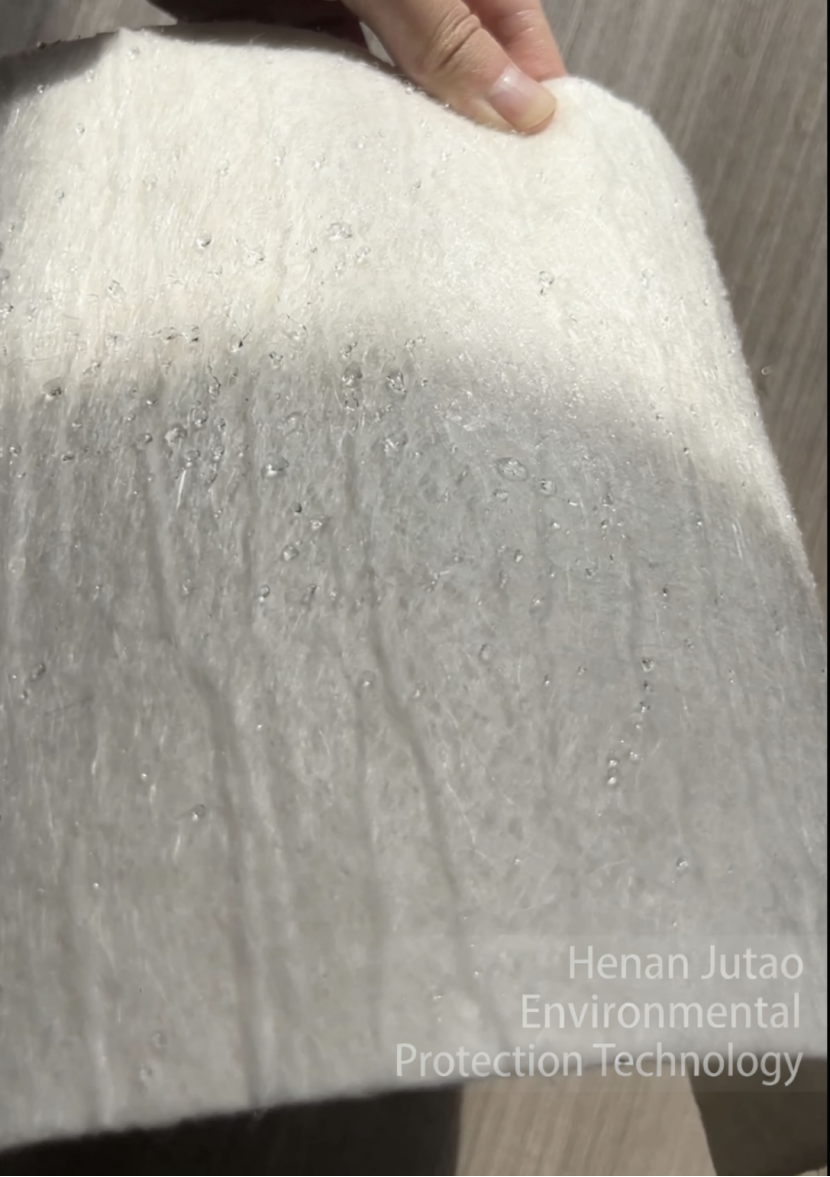
Understanding performance advantages is crucial, but knowing how to select and apply the material is key to project success. First, focus on two core electrical parameters: the volume resistivity and dielectric strength of the aerogel insulating material. Request authoritative third-party test reports. Second, consider compatibility with the battery chemistry system—assess risks of leaching or corrosion. Finally, construction processability is crucial—assess whether the material is easy to cut and bond, and whether it can adapt to the installation pace of automated production lines.
A common user concern is: Aerogel appears “brittle”—will it hold up in battery packs? This depends on the product's specific form. Today, commercial aerogel insulation mats achieve excellent flexibility and tear resistance through technologies like fiber reinforcement and elastomer composites. During installation, avoid puncturing with sharp objects and ensure it operates within the designed pressure tolerance range to guarantee long-term stability. Last year, we assisted an overseas energy storage client in product selection by simulating real-world installation scenarios through shear and abrasion tests. This process ultimately identified the most suitable adhesive-backed composite product for their process, enabling smooth bulk implementation.
Conclusion
As battery systems advance toward higher energy density and faster charging speeds, electrical safety remains an absolute non-negotiable baseline. Aerogel materials, with their inherently high breakdown voltage, broad temperature stability, and seamless integration with thermal insulation and cushioning functions, are evolving from a cutting-edge option into a trusted insulation solution for high-reliability battery system design. This represents a paradigm shift in design thinking: moving from passive protection to active, multifunctional system safety enhancement. Deeply understanding the logic behind its electrical insulation properties will help you build stronger safety barriers in your next product iteration or procurement decision.

FAQ
Q: How does the cost of aerogel insulation compare to traditional epoxy boards or polyimide films?
A: Per-sheet area cost is indeed higher for aerogel. However, a system-level cost analysis must account for its integrated functions (replacing insulation + thermal shielding + partial cushioning materials), the value of increased energy density space, and reduced maintenance costs from extended lifespan and higher reliability. In many mid-to-high-end applications, its total lifecycle cost is already competitive.
Q: Does aerogel insulation pad performance degrade under prolonged pressure?
A: High-quality aerogel composites are engineered to maintain stable resilience and insulation properties within a specific compression range (typically ≤30%) over extended periods. The key lies in establishing appropriate preload during design and selecting products with superior fatigue resistance. Request suppliers to provide long-term compression test data under specified pressures.
Q: Does aerogel insulation fail if exposed to electrolyte leakage?
A: This is an excellent practical question. Hydrophobic aerogel products exhibit outstanding resistance to common electrolyte penetration. Liquids struggle to infiltrate their nanopores, so even with surface contact, bulk insulation properties remain largely intact. This represents another advantage over certain moisture-absorbent or liquid-permeable insulating materials. However, for safety design, prolonged immersion in electrolyte should still be avoided.
Meta Description: Explore how aerogel materials fundamentally enhance battery system electrical safety through high breakdown voltage and wide-temperature stability. This article analyzes insulation mechanisms, shares industry case studies, and provides key selection guidelines to empower B2B clients with informed decisions. Read now to build reliable safety barriers for your products.
Keywords: Aerogel electrical insulation properties, battery insulation materials, electrical safety solutions, aerogel thermal insulation, B2B material selection