












Three Mechanisms Underpinning the Superior Thermal Insulation Performance of Nano-Microporous Materials
As research in insulation technology advances, the focus has shifted towards practical application and engineering development while preserving core thermal properties. This has led to the creation of high-performance 'super insulation' materials. Based on fundamental thermal and material science principles, these advanced products are suitable for various high-temperature industrial applications. They offer a superior performance-to-cost ratio compared to international alternatives and represent a significant technological achievement. The performance of these domestic products now surpasses that of comparable materials from developed nations.
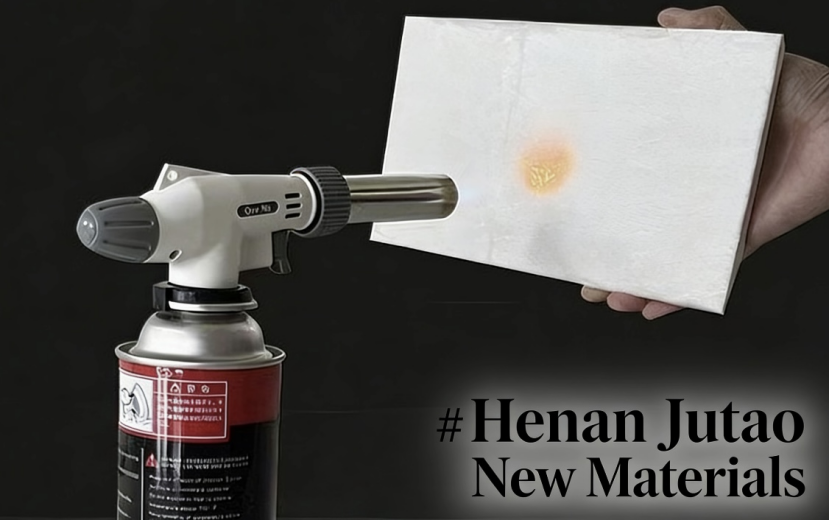
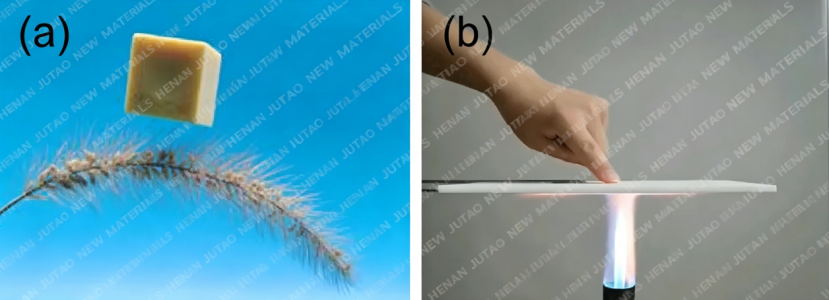
Compared to conventional insulation, this material improves thermal resistance by a factor of up to 10. This allows for a reduction in insulation layer thickness by approximately 50%. With a long-term service temperature of 1000°C, a mere 10mm layer provides equivalent insulation to 30-50mm of traditional material. This translates to increased effective operational space, significantly reduced heat loss, enhanced energy efficiency for enterprises, and substantial cost savings through lower energy consumption.
The exceptional insulation performance is attributed to three synergistic mechanisms:
- Suppression of Radiative Heat Transfer: The material's pore structure is predominantly sub-100nm. This drastically increases the number of internal reflective interfaces and scattering sites within the matrix, effectively attenuating and diminishing radiant heat transfer, a primary mechanism at elevated temperatures.
- Knudsen Effect & Quasi-Vacuum State: Over 80% of the pores have a diameter smaller than 50nm. This is critical because the mean free path of gas molecules (e.g., nitrogen, oxygen) in air is approximately 70nm. When pore dimensions fall below this threshold, gas molecules are restricted in their movement, colliding frequently with the pore walls instead of freely transferring kinetic energy. This 'Knudsen effect' creates a state analogous to a vacuum within the pores, resulting in a gaseous thermal conductivity that is lower than that of static air, both at ambient and high temperatures.
- Low Bulk Density: The material exhibits a very low bulk density. This inherently implies a high volume fraction of gas within the solid matrix. Since the trapped, immobilised gas in the nano-pores has ultra-low conductivity, a higher gas fraction directly contributes to the material's overall superior insulating capability.
Jutao Environmental Technology — Specialists in Aerogel Material Solutions
Stay connected with us for the latest updates, industry insights and application solutions in the aerogel sector.