








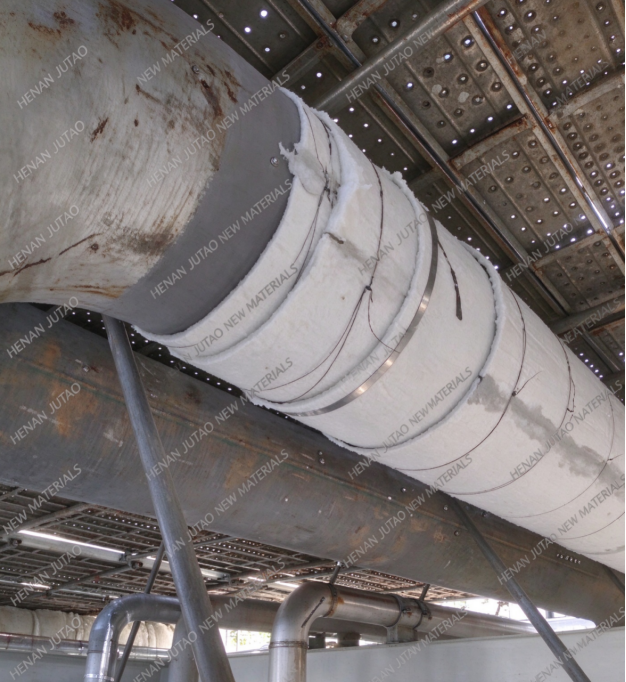
Thin Aerogel Touch-Guards Cut Burn Risk on Pumps, Valves and Platforms
A European EPC buyer lost three weeks on a refinery turnaround. A contractor's fitter grabbed a 60 °C pump casing with a bare hand and filed an incident report. The incident stalled the permit-to-work system and triggered a full audit. The plant had specified an aerogel insulation blanket only on the pipe runs. It never covered the equipment the crew touches every shift. That gap is exactly where personnel protection fails on a live site.
The fix is not more mineral wool on the lines already insulated. It is a deliberate touch temperature limit written into the spec. Specify a thin aerogel layer on the surfaces a hand meets each shift. The work must still survive a client audit months after the turnaround ends. Crews walk past hot casings a hundred times a shift, so the touch limit protects the routine, not the emergency.
How hot is too hot for a bare-handed touch on plant equipment?
The accepted contact limit for bare skin sits at 60 °C for a brief touch. This rule comes from ASTM C1055 and the burn model in ASTM C1057. A 50 °C painted handwheel can burn faster than the bare-steel rule implies. Painted and aluminium faces drop the safe number because the coating hides the heat. Most operators set a working target of 45-50 °C at the accessible surface. That leaves margin for a gloved or hurried touch on a busy deck. Audit photos rarely show the hazard until someone is hurt, so the limit must be set on paper first.
- Surface above 60 °C on an accessible face is a recorded burn hazard.
- Target 45-50 °C on every surface inside the guard rail reach.
- Measure at the painted or clad outer face, never the inner substrate.
Why thin aerogel beats bulky mineral wool inside guard rails
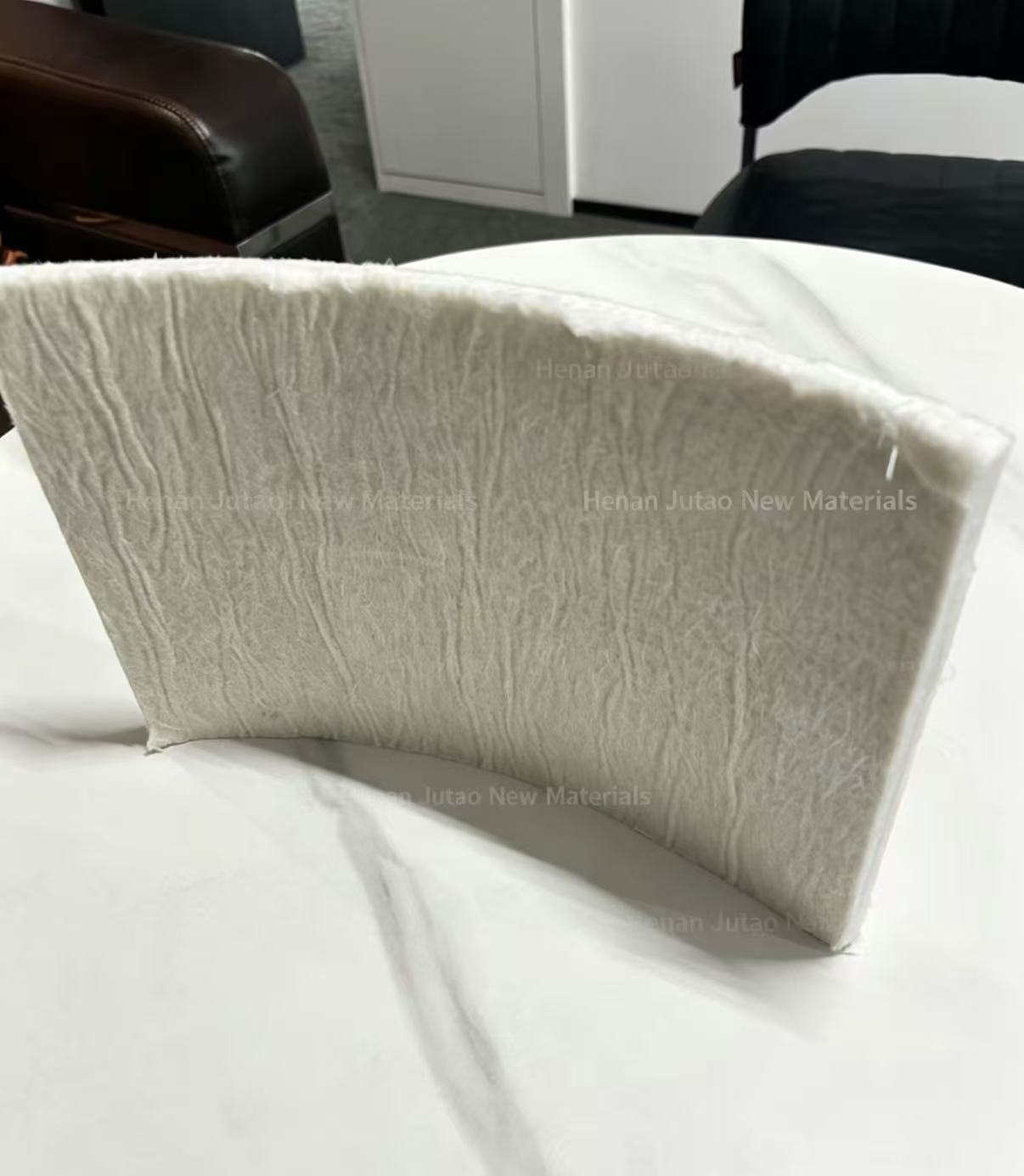
Mineral wool needs 50-80 mm to hit the same limit an aerogel blanket reaches in 6-10 mm. That bulk is the real problem on a plant, not the purchase cost of the material. Aerogel conductivity runs near 0.020 W/m·K at 50 °C, about three times better than wool. The thin layer keeps the hand safe without bulging past the guard rail line. Use the thin blanket where space is tight and the touch is frequent. That is exactly where bulky insulation gets stripped off by the crew on site. EPC buyers who specify wool on a tight rail usually see it removed within a single month.
- Thickness: 6-10 mm aerogel versus 50-80 mm mineral wool for the same limit.
- Conductivity: 0.020 W/m·K at 50 °C versus 0.040-0.045 for wool.
- Footprint: the thin layer stays inside the 1100 mm guard-rail envelope.
How do you calculate the aerogel thickness needed to reach a touch limit?
Use the one-dimensional steady-state formula with three inputs you already know. A casing at 120 °C in a 25 °C workshop needs about 8 mm of aerogel for a 45 °C face. Raise the casing to 200 °C and the same limit calls for 12-14 mm of material. Add 2-3 mm to every calculated value and confirm it with a temperature gun. An underestimate is the one error a burn incident will expose at once on site. A hand-held gun at the end of the job costs less than a lost shift.
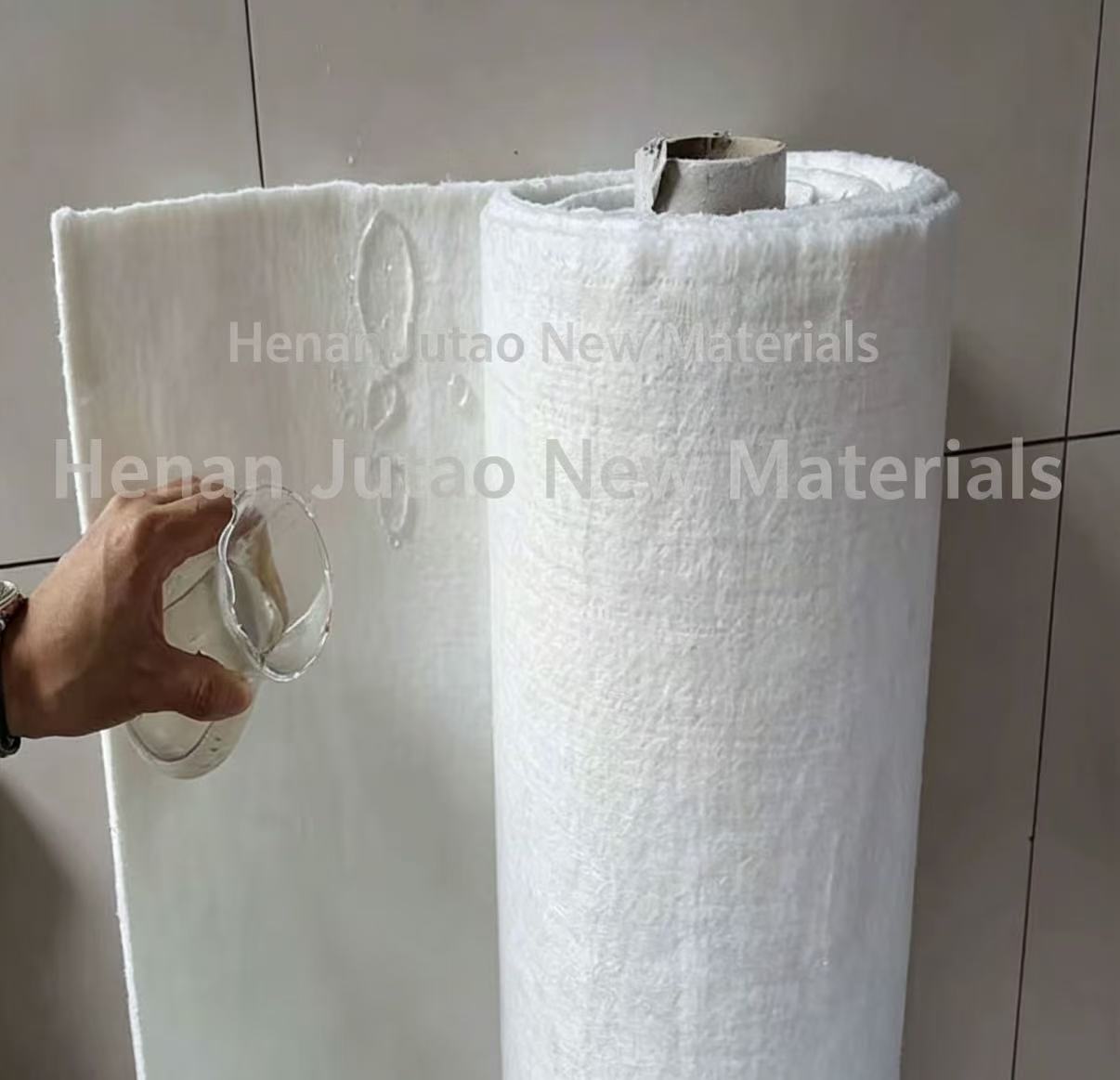
The Jutao ultra-thin OEM blanket is the right call on handwheels and small-bore valves. It carries a service range suited to 80-200 °C touch duty with a 6 mm standard layup that bends around a wheel without a jacket.
Jutao ultra-thin OEM aerogel insulation blanket for 80-200 °C valve handwheels
Touch-guard applications: handwheels, casings and platforms
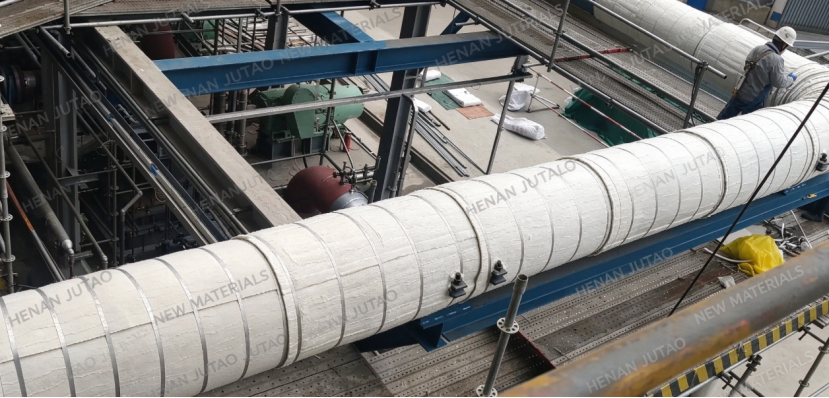
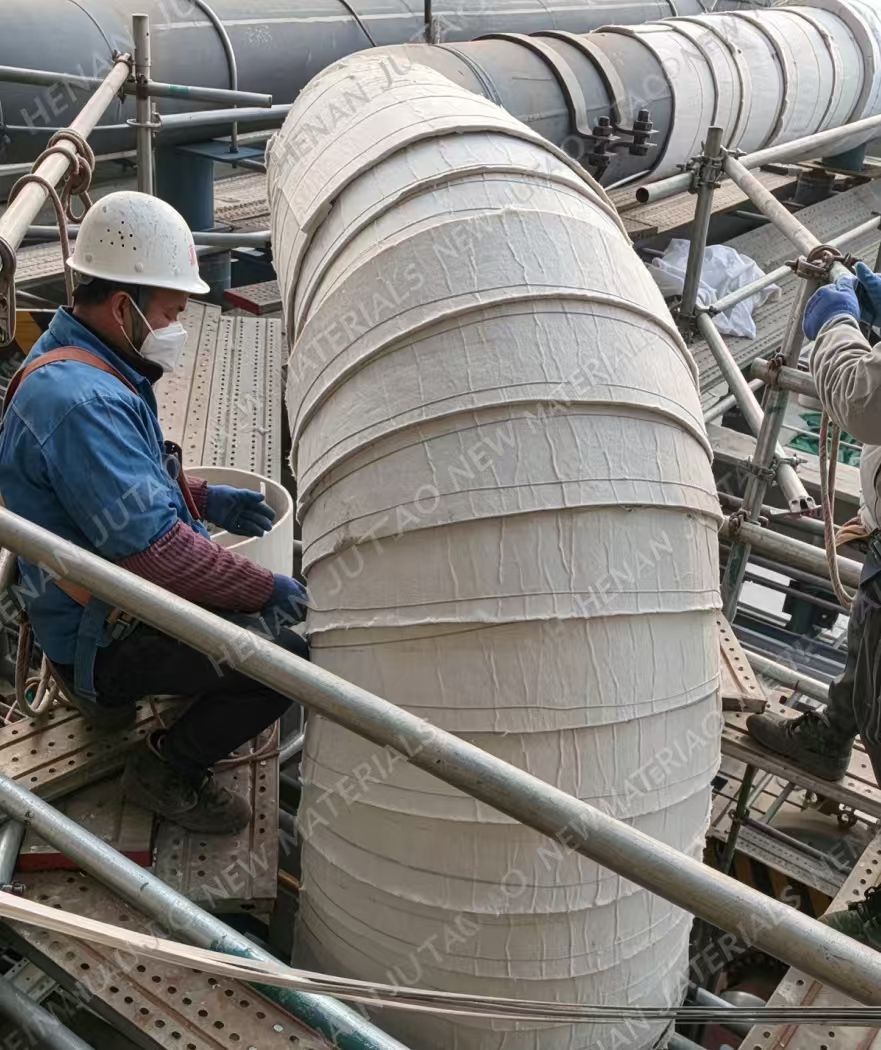
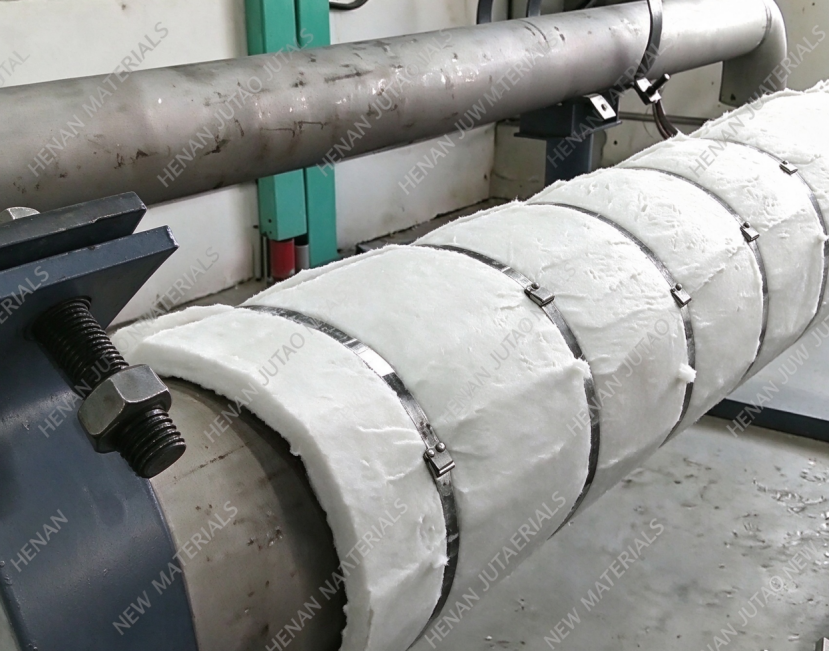
Start with the items a hand meets daily across the access aisle and the deck. On a 400-650 °C turbine access platform the heat radiates far past the equipment itself. The lightweight Jutao blanket roll wraps pump casings and holds shape up to 150 °C continuous without a metal jacket. A gloved reach across a hot face is the most common exposure on a working deck.
Jutao lightweight aerogel insulation blanket roll for pump casing touch-guards
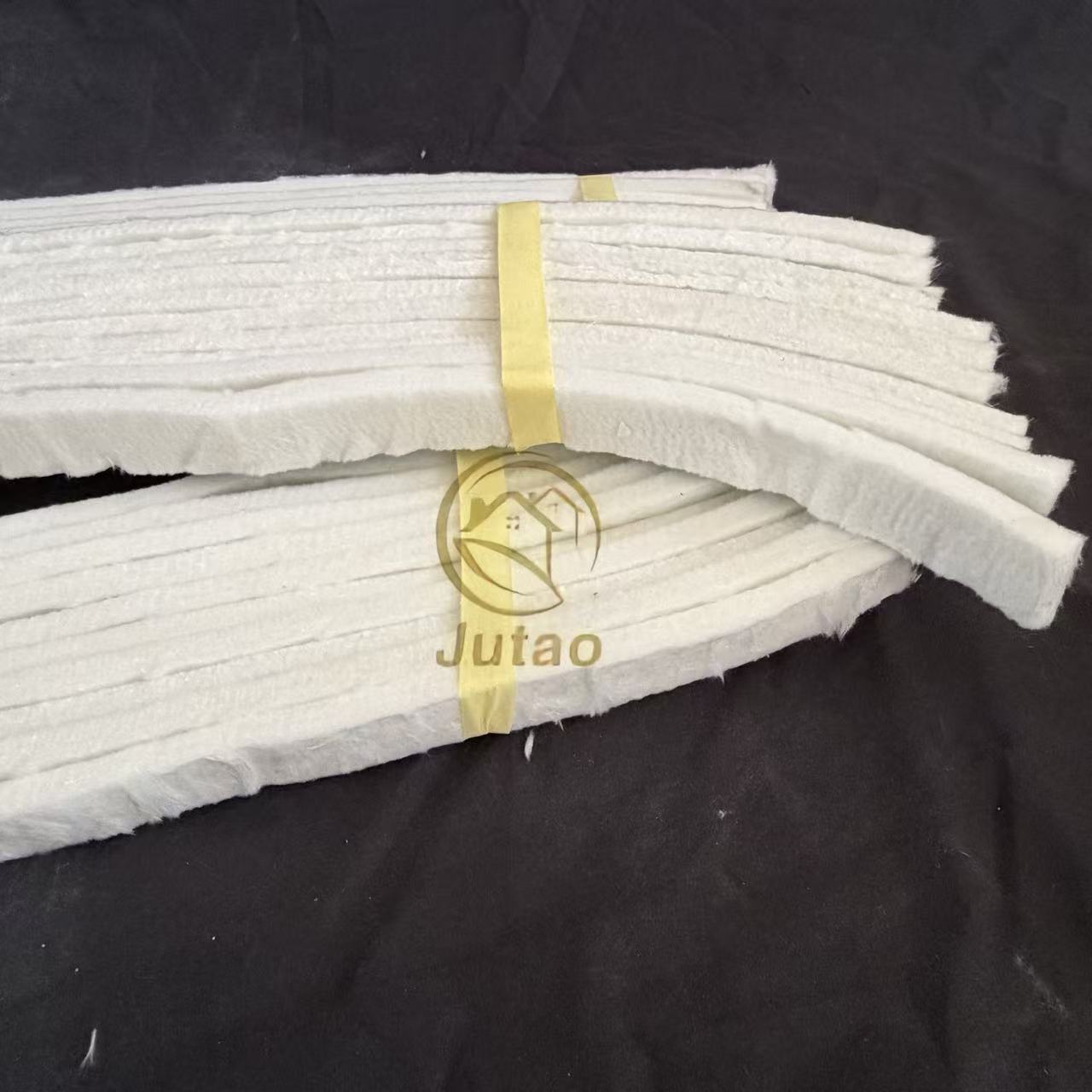
Behind stair stringers the JTstrip format slips into a 20-40 mm gap that a full blanket cannot occupy. It gives a continuous cool face along the climb without rebuilding the stringer.
Jutao JTstrip-series aerogel insulation strips for stair-stringer backing
- Pump casings: wrap at waist height on the main access aisle first.
- Handwheels: cap every valve a fitter operates without a tool.
- Platform edges: panel the radiant face, not just the equipment metal.
Removable touch-guard panels and structural sandwich protection
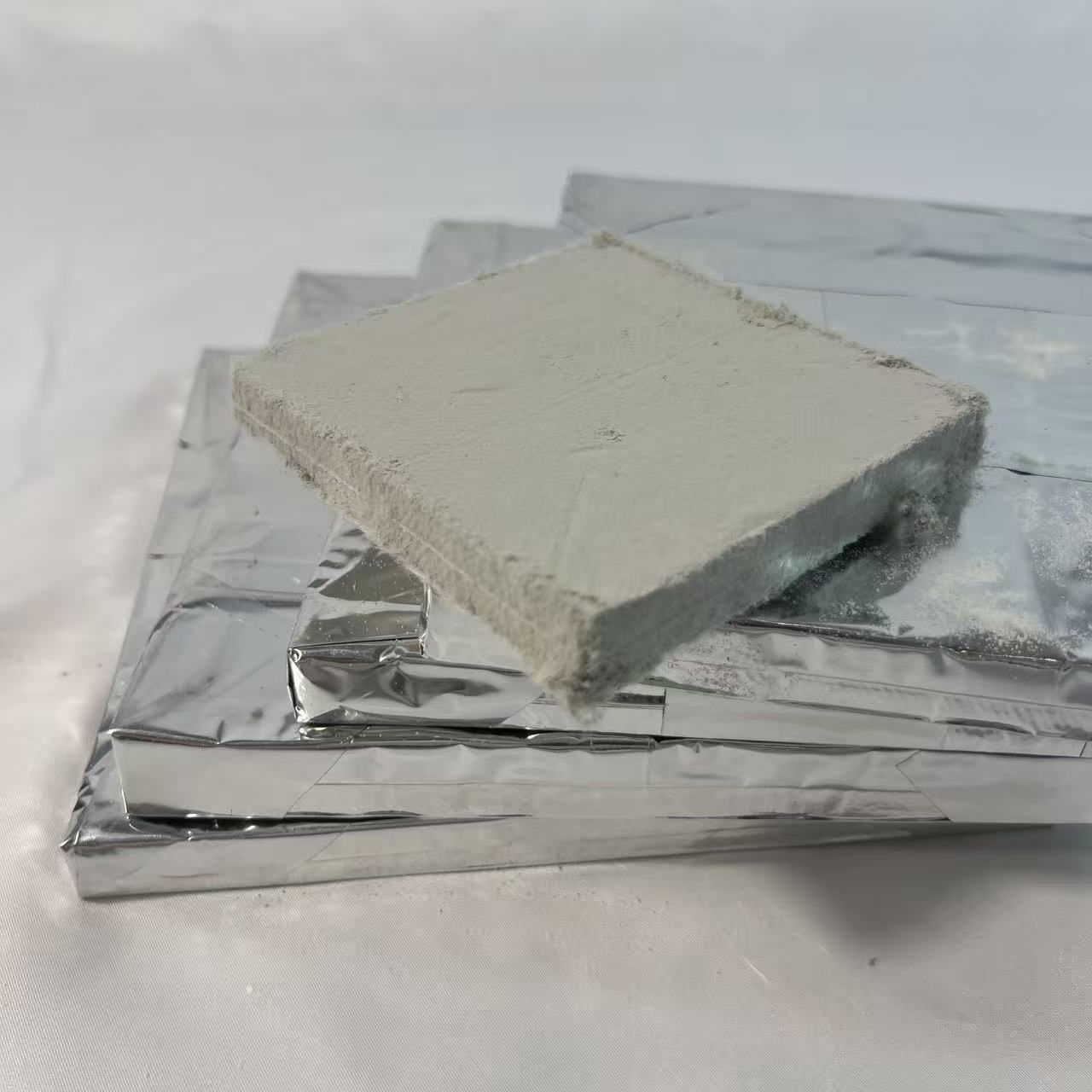
For radiant zones the wrap is not enough and a rigid panel carries the structural load. The JTG-series panel handles 400-650 °C with a 10-15 mm core that reads below 50 °C at the guard line. That lets maintenance lean in without a permit delay. Removable fixings let the audit photo show a clean, reversible install.
Jutao JTG-series high-temperature aerogel panel for 400-650 °C turbine platforms
Where the guard is a wall, the JTS sandwich panel doubles as barrier and insulator at once. It holds 1100 mm clearance without a secondary frame and stays safe to lean on during walks.
Jutao JTS-series aerogel structural sandwich panels for removable touch-guard walls
Writing the personnel-protection line item so it survives an audit
Auditors reject vague lines like "insulation as required" on a typical bid. Name the standard, the target temperature, and the product family on the line item. Cite ASTM C1055 as the burn-risk basis and list the accessible faces by tag number. A line item without a measured surface temperature is the first thing an auditor rejects. Attach the pre-install process temperature and the post-install gun reading to every tag. Keep the removable panels on a separate sub-item so replacement stays visible later. A separate sub-item keeps replacement cycles visible after the original installer moves on to the next job.