Removable Insulation Jackets for Valves, Flanges and Turbine Casings: Specifying Aerogel for the Equipment Your Crew Must Open Every Outage
A Twenty-Minute Valve Strip That Became a Two-Day Insulation Rebuild
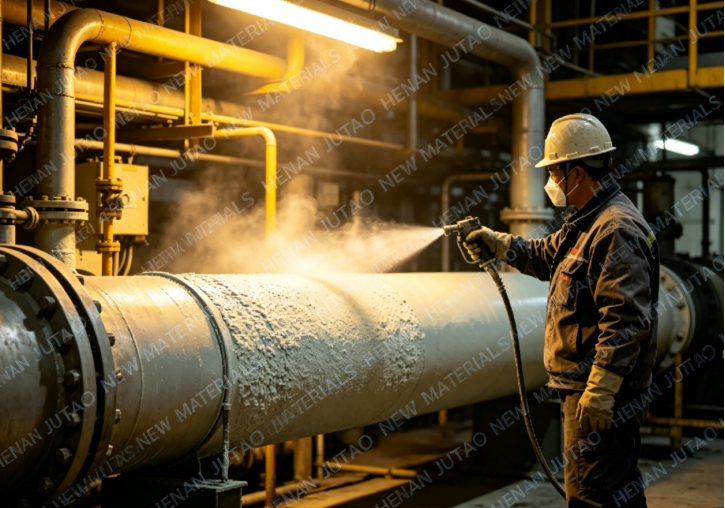
A maintenance planner at a chemical plant approved a steam header insulation package on performance data alone. Nine months later a 6 inch gate valve leaked, the crew cut away the rigid cladding around it, and the replacement material was not in the store. The line returned to service with the valve bare and stayed that way for most of a quarter. The most expensive insulation on any plant is the section that gets stripped and never goes back on, because it loses heat every single hour while the assumption on site is that it is a temporary condition.
Removable insulation jackets solve this, but only when they are specified as a system rather than bought as a commodity. A jacket that survives the second removal pays back its premium on that removal, and it keeps the thermal performance of the whole line predictable instead of creating a permanent cold spot at every fitting. Here is how insulation contractors and EPC buyers should write that specification.
Why Fittings Deserve Their Own Specification
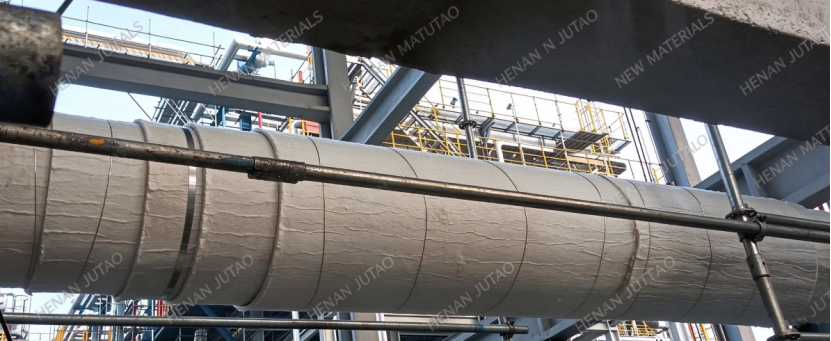
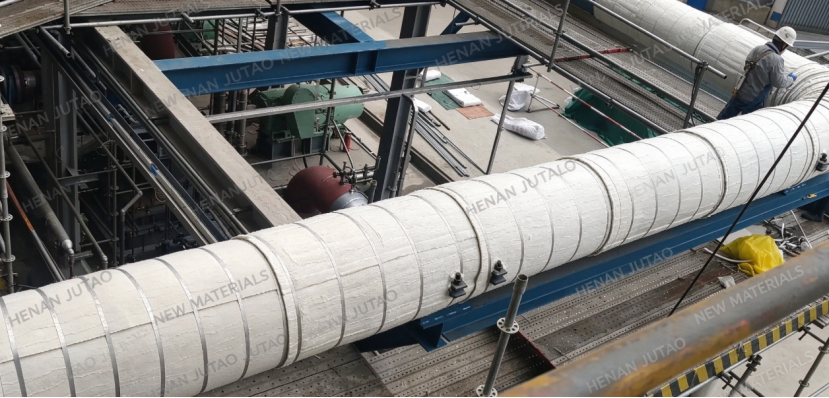
A straight pipe run is a simple thermal problem. A valve, a flange pair, a strainer or a turbine casing is not: it has irregular geometry, it gets opened on a schedule, it may be painted, tagged and leak-checked, and it sits at the point where two different trades meet. Fittings are also where the heat actually leaves the plant, because they break the insulation layer and create thermal bridges that no amount of thickness on the straight run can compensate for.
This changes what you are buying. You are no longer buying thermal conductivity per millimetre. You are buying a repeatable cycle: remove, inspect, reinstate, and get the same thermal result as the first time. Everything in the spec should be tested against that cycle.
Decision One: Match the Aerogel Format to the Geometry
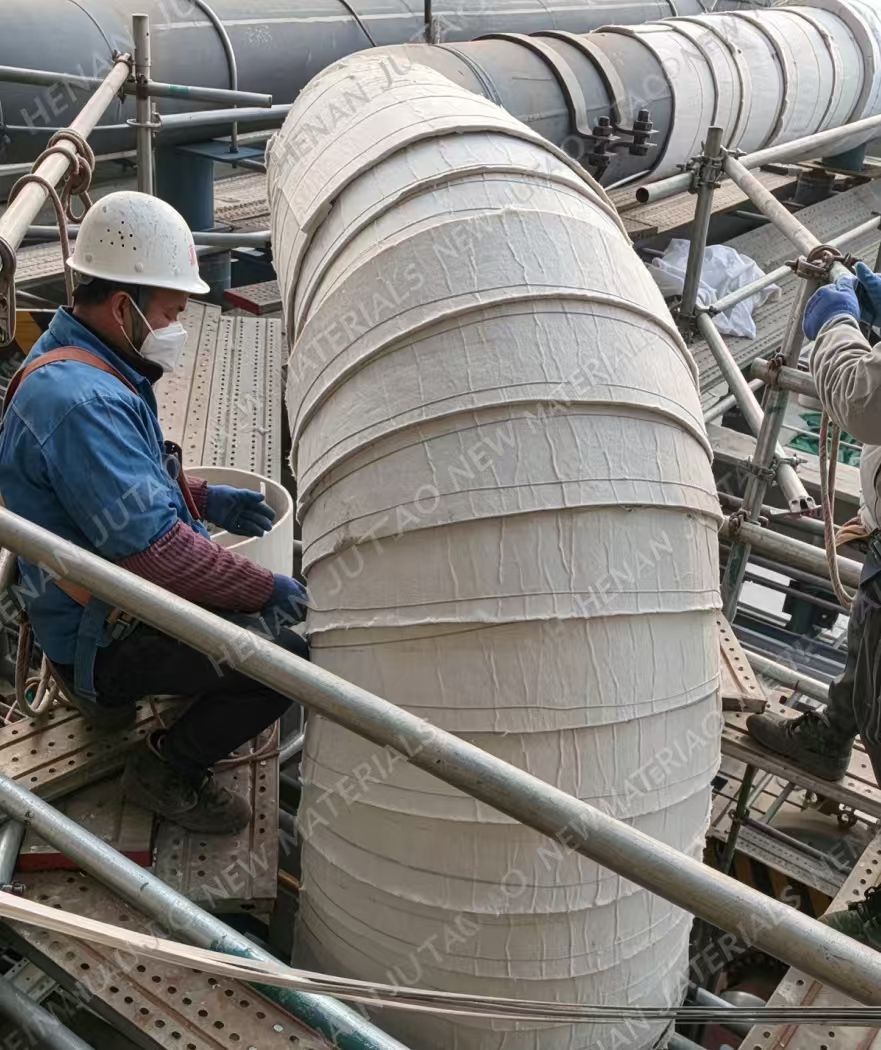
The aerogel format you choose determines how the jacket behaves on an irregular surface. A blanket conforms to curvature and compresses slightly over bolt heads; a rigid panel or sandwich panel holds a flat face on a large casing; a strip handles valve stems, small bore branches and instrument lines where a full blanket would be mostly offcut.
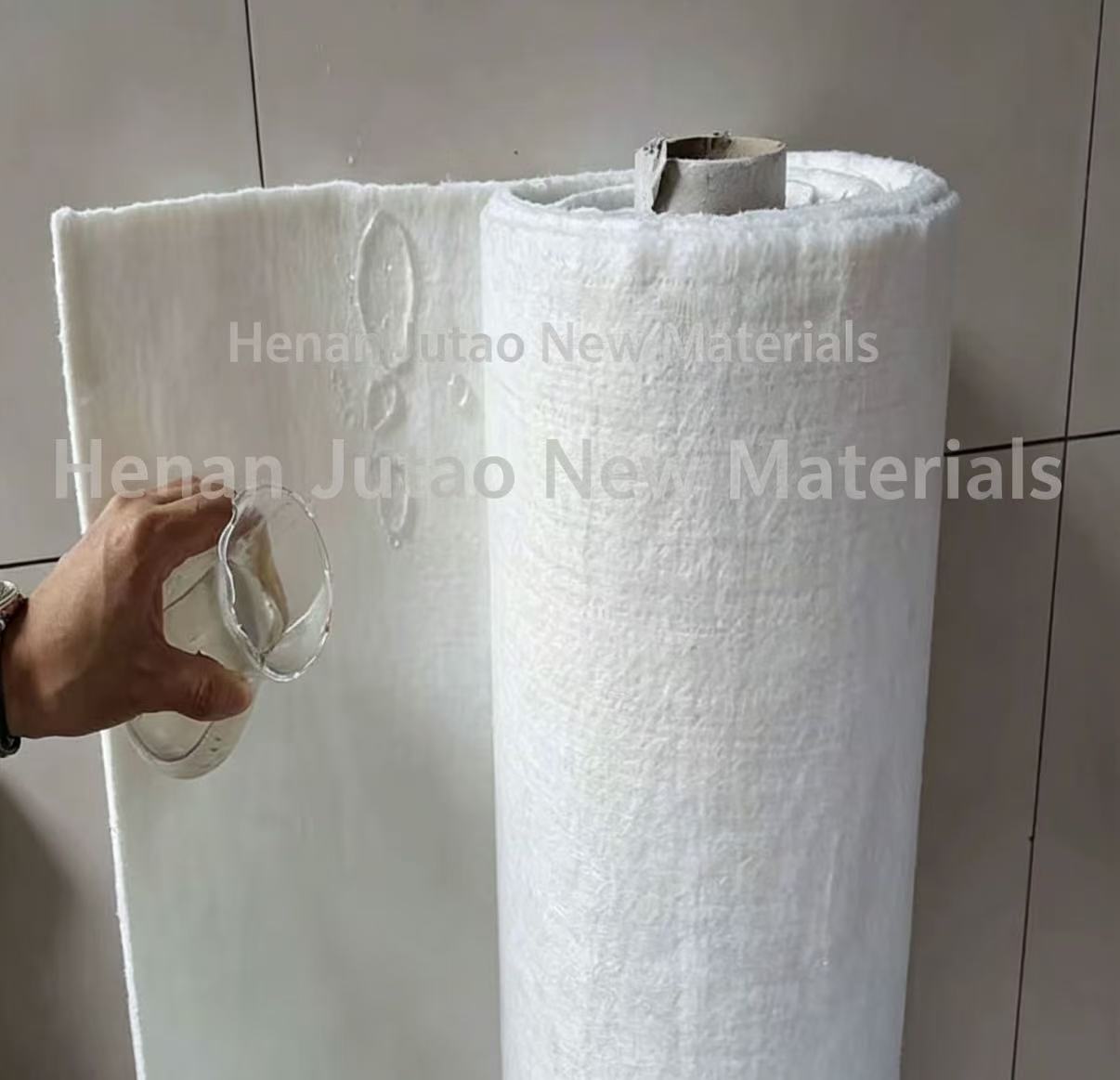
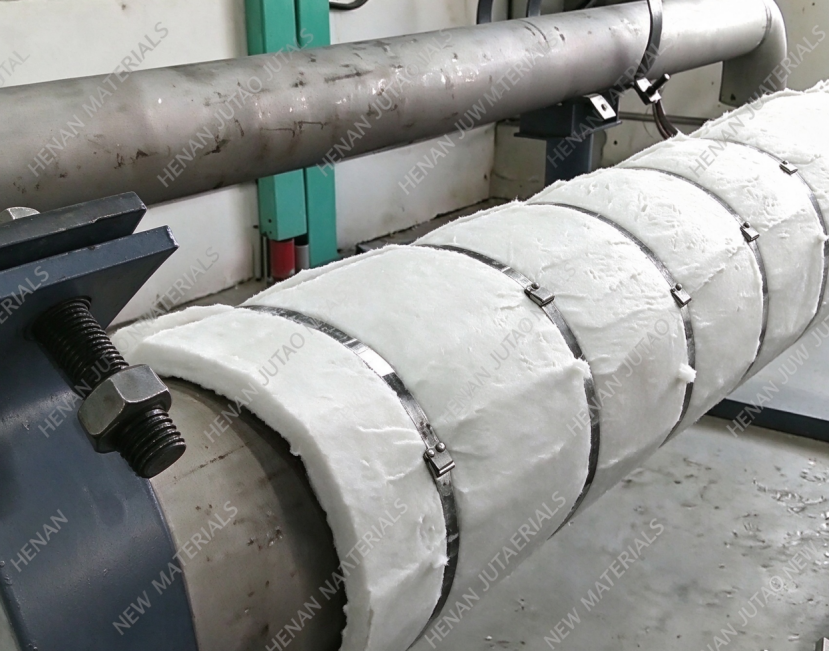
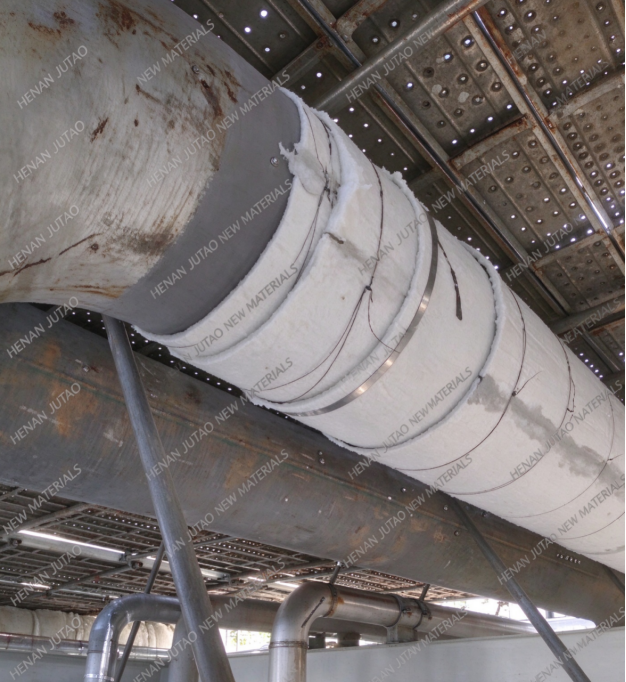
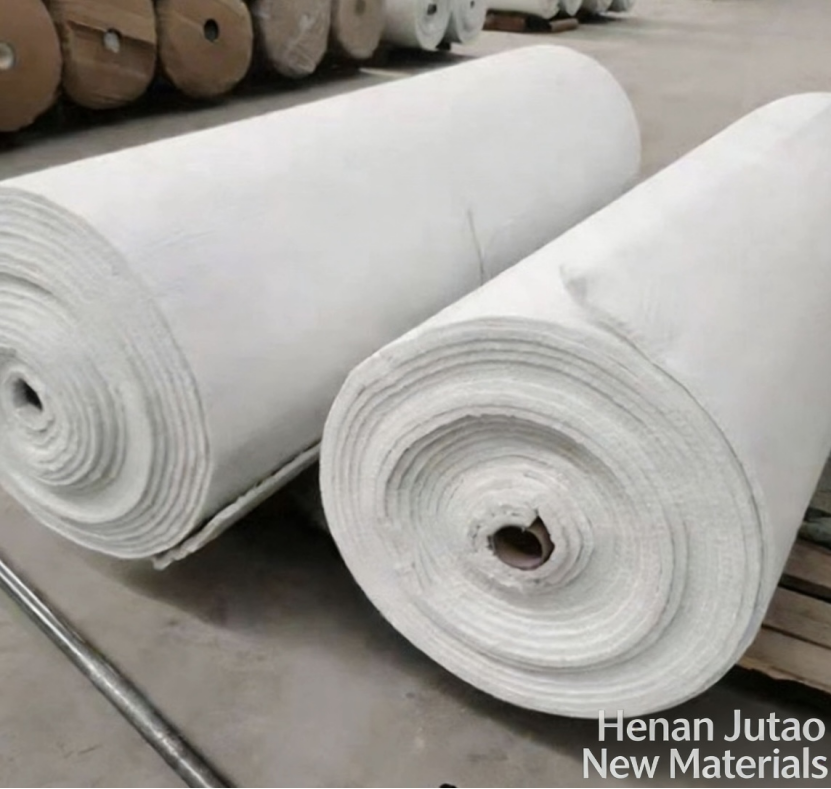
For the body of most jackets on pipe sizes from 2 inch to 12 inch, a flexible aerogel blanket cut to a templated pattern is the default, because it wraps the bolt circle without leaving voids. A current OEM aerogel insulation blanket programme gives you the base material in roll form with consistent density, which matters more than the headline conductivity figure once the material has to be cut and sewn into a shaped cover.
Start from a standard OEM aerogel insulation blanket and build the jacket around it, rather than asking for a bespoke composite that only one factory can sew.
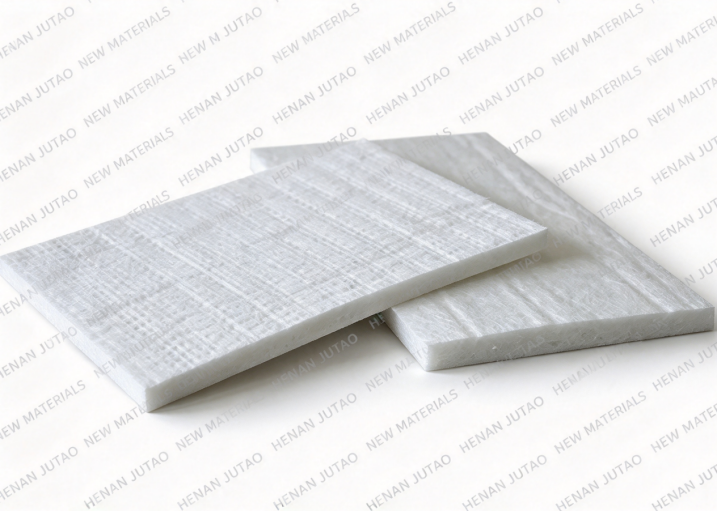
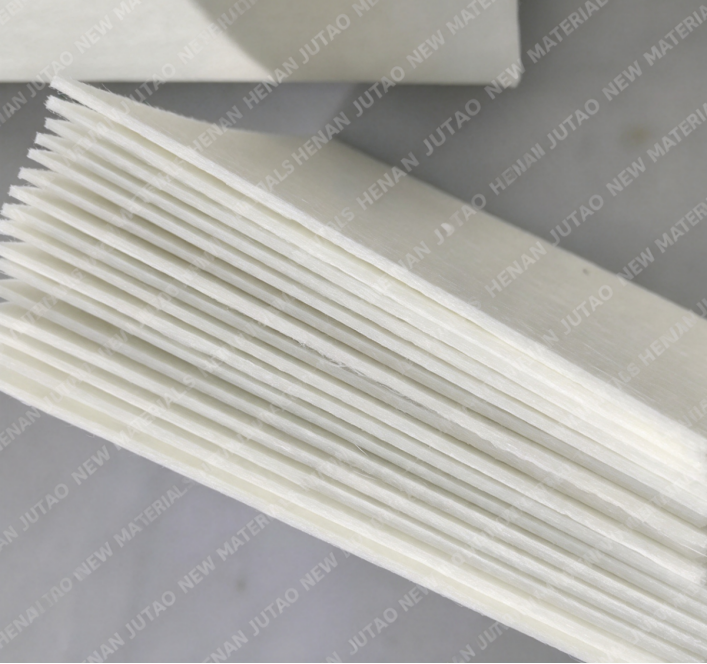
On large flat or gently curved surfaces such as turbine casings, exhaust manifolds and large valve bodies, a rigid format is faster. An aluminium foil faced aerogel panel gives a clean outer surface and resists the handling damage that soft covers collect, and it lets the jacket be built as a set of flat panels joined at the corners. Specify the foil facing as part of the material, not as an add-on, because a bonded facing survives removal while a glued one does not.
Panel based jackets built on JTA series aerogel insulation panels with aluminium foil suit casings and large bore bodies, where a fitted cover would be too floppy to hold its shape.
Decision Two: Do Not Forget the Small Bore
Every valve jacket eventually meets a stem, a drain line, an instrument take-off or a small branch pipe. These are the places where crews give up and leave the job half insulated. Uninsulated small bore is the single most common reason a jacket programme fails an energy audit, and it is entirely preventable with the right format in the kit.
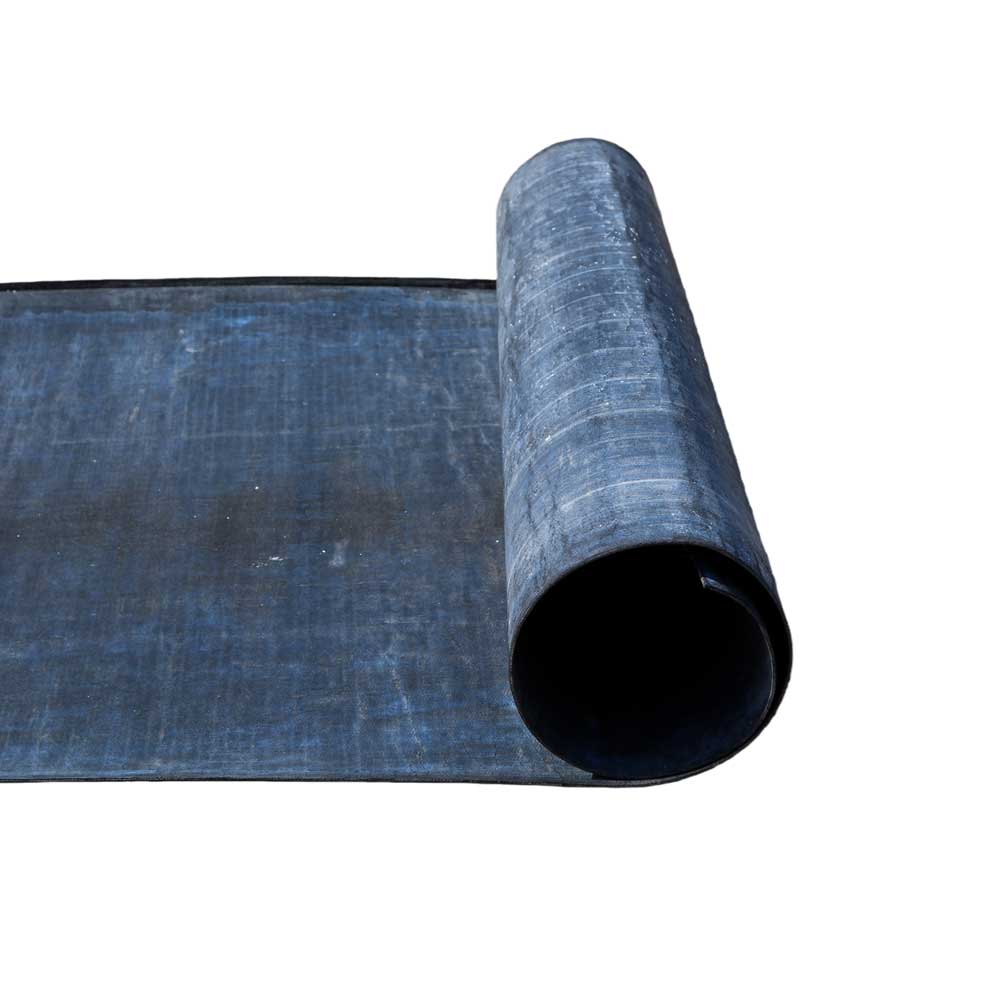
Specify narrow aerogel insulation strips from the JTStrip series for stems, drains and instrument branches, and make the strip a line item on the jacket bill of materials rather than a site improvisation.
Decision Three: Temperature Class Drives the Fibre, Not Just the Silica
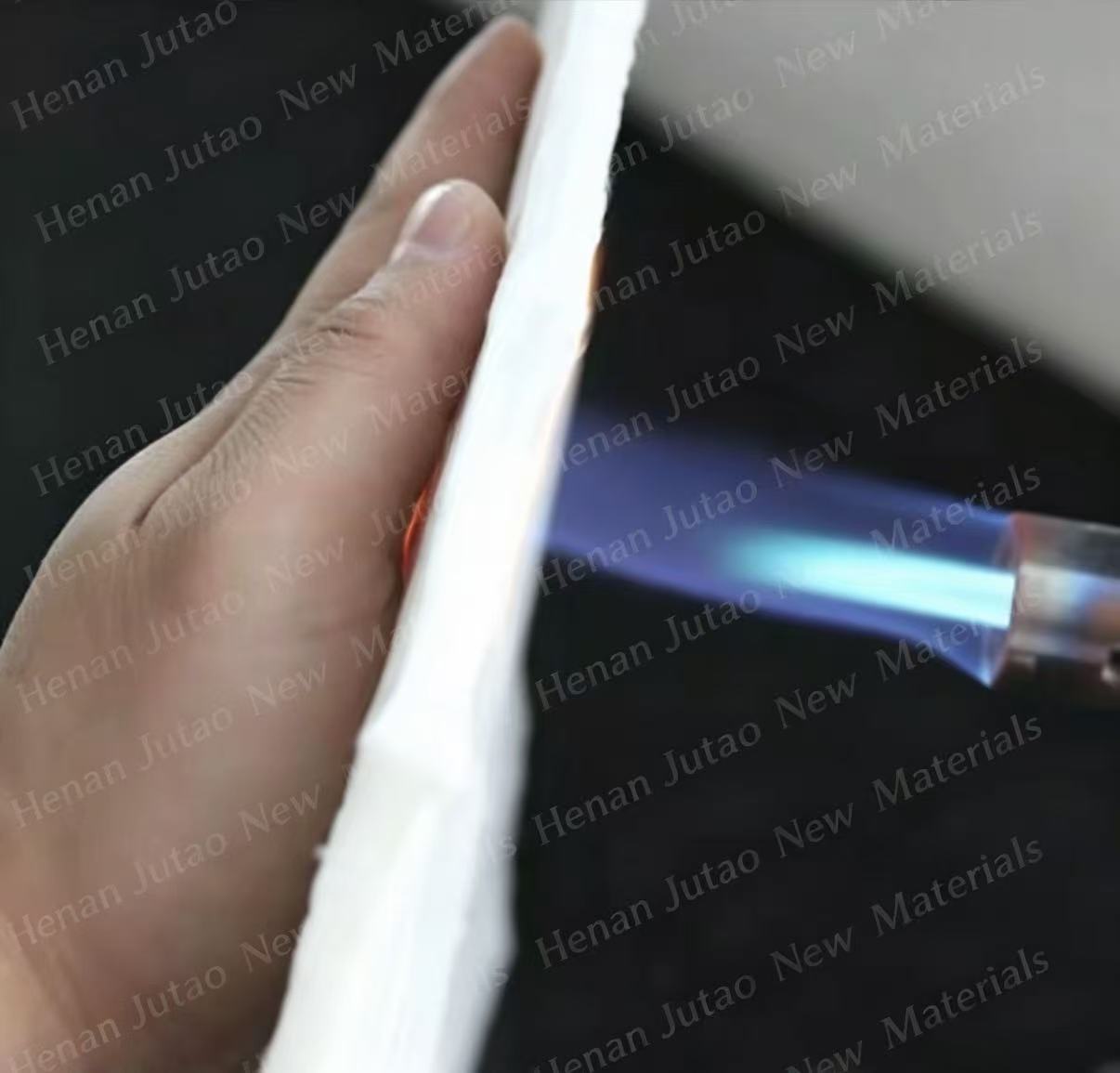
Standard silica aerogel blanket is specified into the 200 to 650 degree Celsius band on process lines. Above that, or where the jacket sits on equipment with hot spots and flame impingement risk, the reinforcement fibre and the facing become the limiting factor rather than the aerogel itself. A carbon aerogel based construction is the right conversation for high temperature and fire barrier duties, and it is a different product than a standard silica blanket re-labelled.
For high temperature and fire protection duties, put a carbon aerogel insulation material into the specification alongside the standard silica blanket, and make the temperature class explicit on the drawing.
Decision Four: The Closure System Is the Product
A jacket is only reusable if the closure survives. Insist on stainless or high temperature hooks, lacing wire or quick release straps rather than sewn-in ties, and ask how many open and close cycles the closure has been tested to. Specify a minimum of twenty removal cycles with no loss of holding force, and require the closure hardware to be replaceable without replacing the whole jacket. That one clause is what turns a jacket from a consumable into an asset.
Labelling matters equally. Every jacket should carry a permanent metal or high temperature tag with the line number, the service and the jacket serial. A jacket without a tag gets left in the store, and an untagged jacket that does get reinstalled usually ends up on the wrong line with the wrong thickness.
Decision Five: Templating and the First Article
Do not order a hundred jackets from a drawing. Order one, fit it, and hold a first article review. A templating visit that measures each valve type once produces a cutting pattern library you can reuse for the whole plant, and it removes the fitting risk from the bulk order entirely. The cost of that visit is a fraction of a single mis-sized production run.
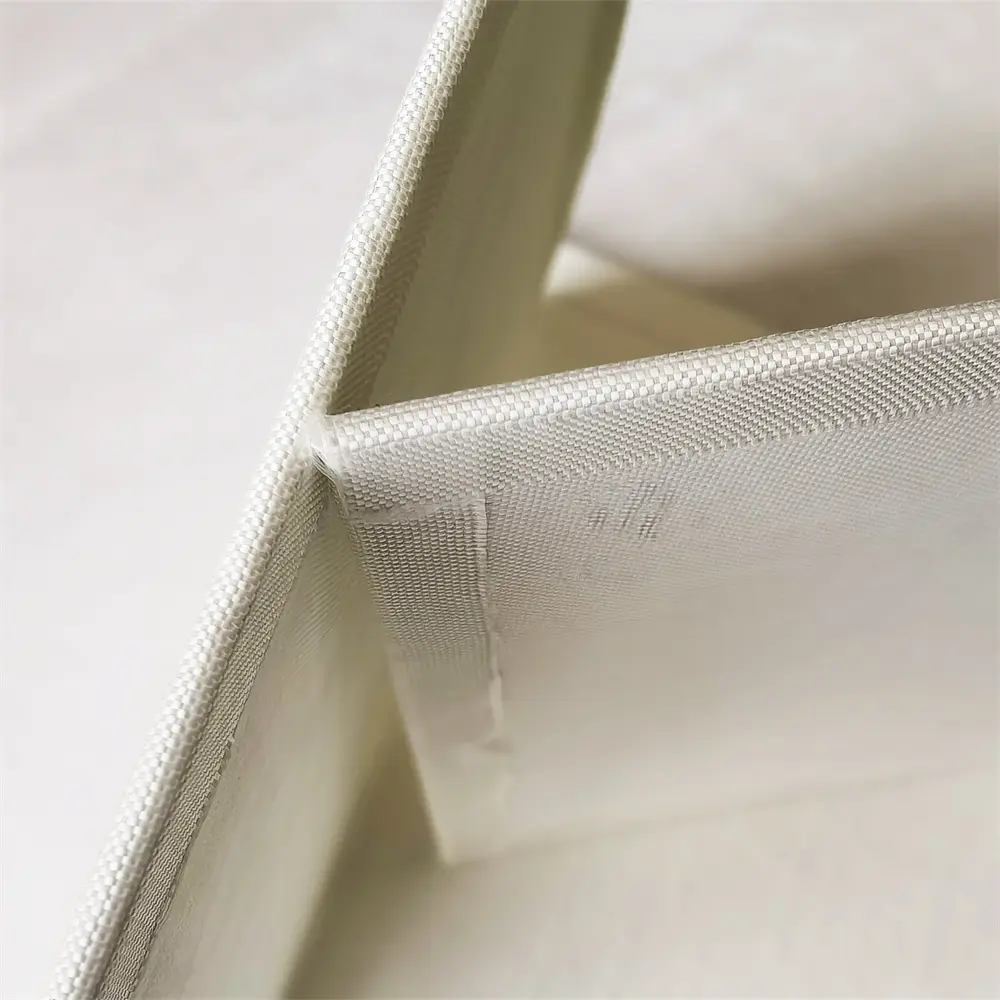
Where the jacket carries a rigid element over a casing or a large body, a sandwich construction keeps the panel stiff and dimensionally stable. Customised aerogel sandwich panels from the JTS series give the rigid faces the dimensional stability a jacket needs when it will be lifted off and put back dozens of times.
What to Put in the Purchase Order
The enquiry pack should contain the line list, the operating and design temperature, the outer geometry with a photograph or template, the required number of removal cycles, the closure type, the facing material, the tag format, and the target touch temperature or heat loss figure. A specification that names the touch temperature gives the factory something measurable to design against, and it gives the contractor something to check on the delivered article.
Ask for three things back with the quotation: a cut pattern for each valve type, a cycle test record for the closure, and a thermal calculation stating the achieved surface temperature at design conditions. A supplier who will only quote conductivity and thickness is quoting for a permanent run, not for a removable jacket, and the difference will show up the first time the crew opens the line.
The Bottom Line for Contractors and EPC Buyers
Removable insulation is a small line item with an outsized effect on plant energy performance and on shutdown duration. Specify the format by geometry, the fibre by temperature class, the closure by cycle count, and the small bore separately. Do the templating once, tag everything, and hold a first article review before the bulk order, and the jacket programme will still be intact at the fifth outage instead of being a pile of covers in a container.