












Production Processes of Aerogel Blankets
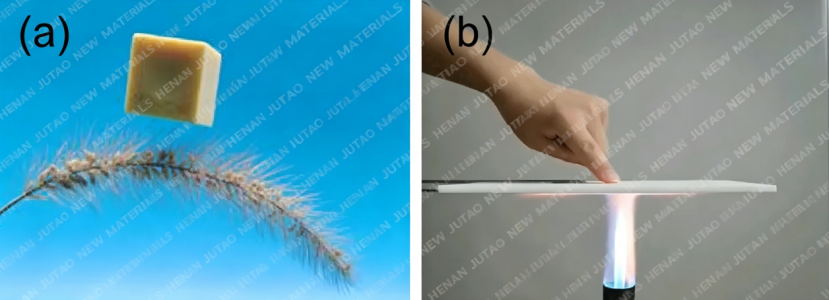
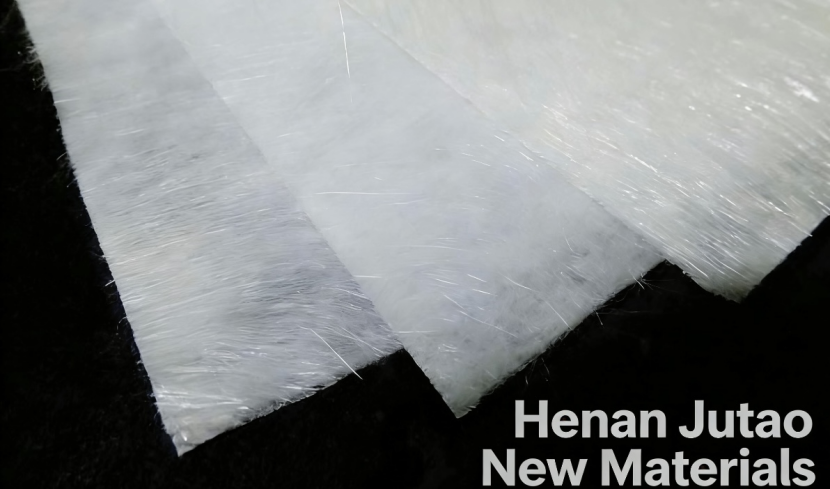
Aerogel blankets may appear to be conventional insulation materials, yet they are produced through a variety of advanced manufacturing processes, each reflecting significant technological innovation. These processes determine the final microstructure, performance characteristics, and application suitability of the aerogel blanket. Below is an overview of the main production technologies currently used.
- Sol–Gel Process
The sol–gel process involves dissolving silicates or metal alkoxides in a solvent, followed by controlled hydrolysis and condensation reactions to form a gel network. After gelation, the material undergoes drying and thermal treatment to obtain the aerogel blanket.
Aerogel blankets produced by this method exhibit excellent high-temperature resistance and superior thermal insulation performance, making them particularly suitable for aerospace and high-temperature industrial applications.
- Supercritical Drying Process
Supercritical drying is a technique in which the liquid phase within the gel is removed under supercritical conditions, thereby avoiding pore collapse caused by surface tension.
This process results in aerogel blankets with extremely high porosity and ultra-low density, offering outstanding thermal insulation while maintaining a lightweight structure. Such materials are ideal for applications where weight reduction and thermal efficiency are critical.
- Chemical Vapor Deposition (CVD)
Chemical Vapor Deposition is a process in which gaseous precursors react chemically and deposit solid material onto a substrate surface.
Aerogel blankets manufactured using CVD techniques demonstrate enhanced corrosion resistance and abrasion resistance, making them well suited for harsh environments such as the petrochemical and process industries.
- Template-Assisted Method
The template-assisted method uses a predefined structural template to guide the formation and growth of the aerogel network.
This approach enables precise control over pore structure and material uniformity, resulting in aerogel blankets with highly consistent and tailor-made properties. Such materials are commonly used in microelectronics and other high-precision applications.
Each production process represents a significant advancement in materials science and contributes to the continuous improvement of aerogel blanket performance. Through these diverse manufacturing technologies, aerogel blankets achieve superior thermal insulation, structural control, and application versatility, supporting their expanding use across a wide range of industrial sectors.
Jutao Environmental Technology — Specialists in Aerogel Material Solutions
Stay connected with us for the latest updates, industry insights and application solutions in the aerogel sector.