


Performance Stability of Jutao Aerogel Under Extreme Temperature Cycling
Performance Stability of Jutao Aerogel Under Extreme Temperature Cycling
Cross-border equipment constantly “fails” during high-low temperature transitions? Unstable transportation or operating conditions lead to frequent material cracking and thermal insulation failure. This is the top concern for procurement and engineering teams, especially in aerospace, cold chain, and energy equipment sectors.
This article dissects how Jutao aerogel maintains stable performance under extreme thermal shocks. By the end, you'll be able to assess whether it can withstand the temperature challenges in your specific application.
Below, we explore from principles to real-world testing why it stands as a reliable choice for extreme thermal cycling.
Core Content
H2: The Challenge of Thermal Cycling for Insulation Materials—Why Do Ordinary Materials Fail?
Temperature fluctuations cause internal stress to accumulate within materials. Uneven thermal expansion and contraction lead to micro-cracks. Over time, this leads to thermal insulation degradation or even structural collapse.
Aerogel possesses a unique structure. Its uniformly dispersed nanopores allow stress to dissipate gradually. Jutao aerogel demonstrates superior stability in this regard.
H3: Structural Stability Under Extreme Temperature Cycling—Why Does Aerogel Exhibit Less Cracking and Deformation?
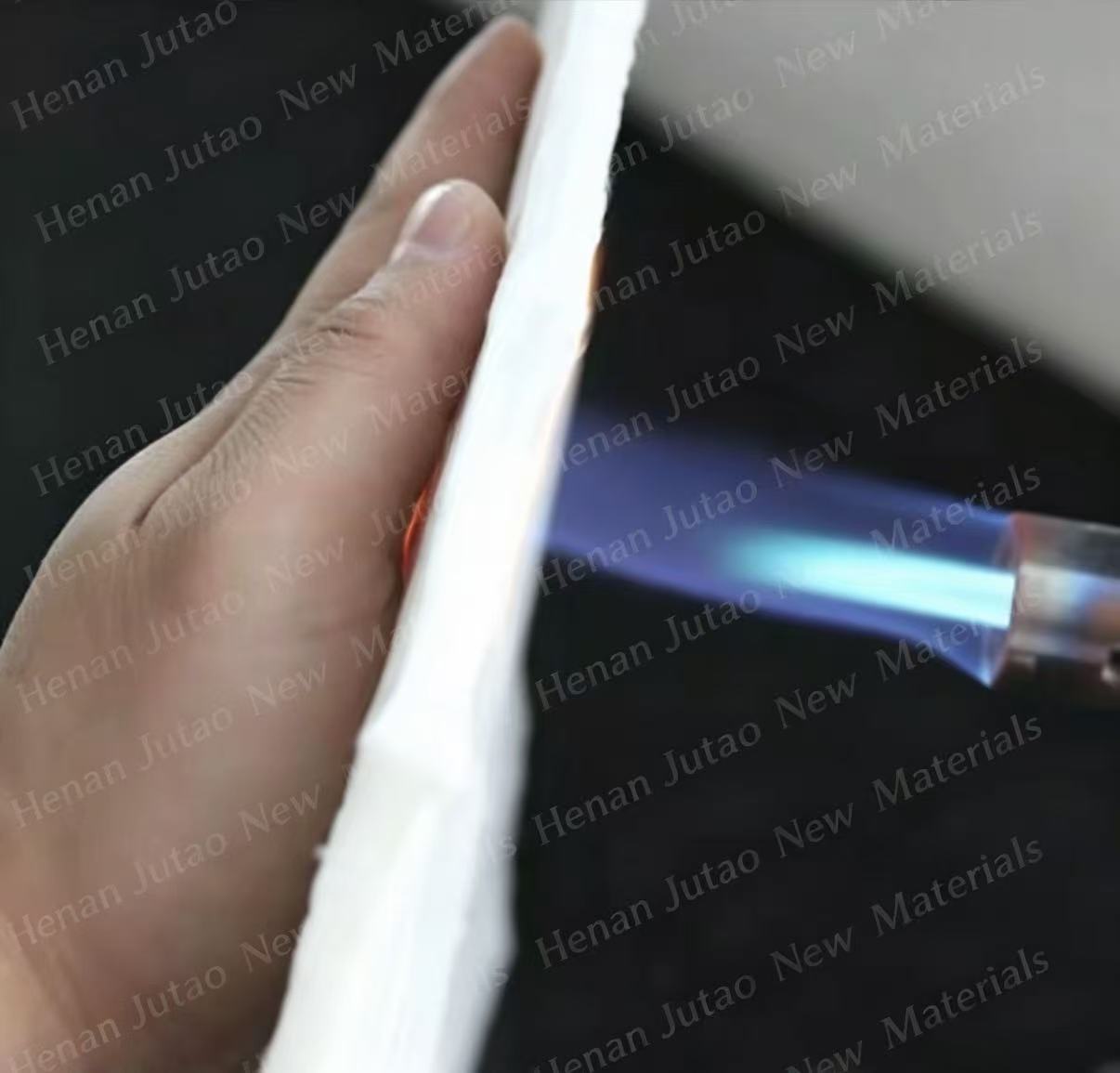
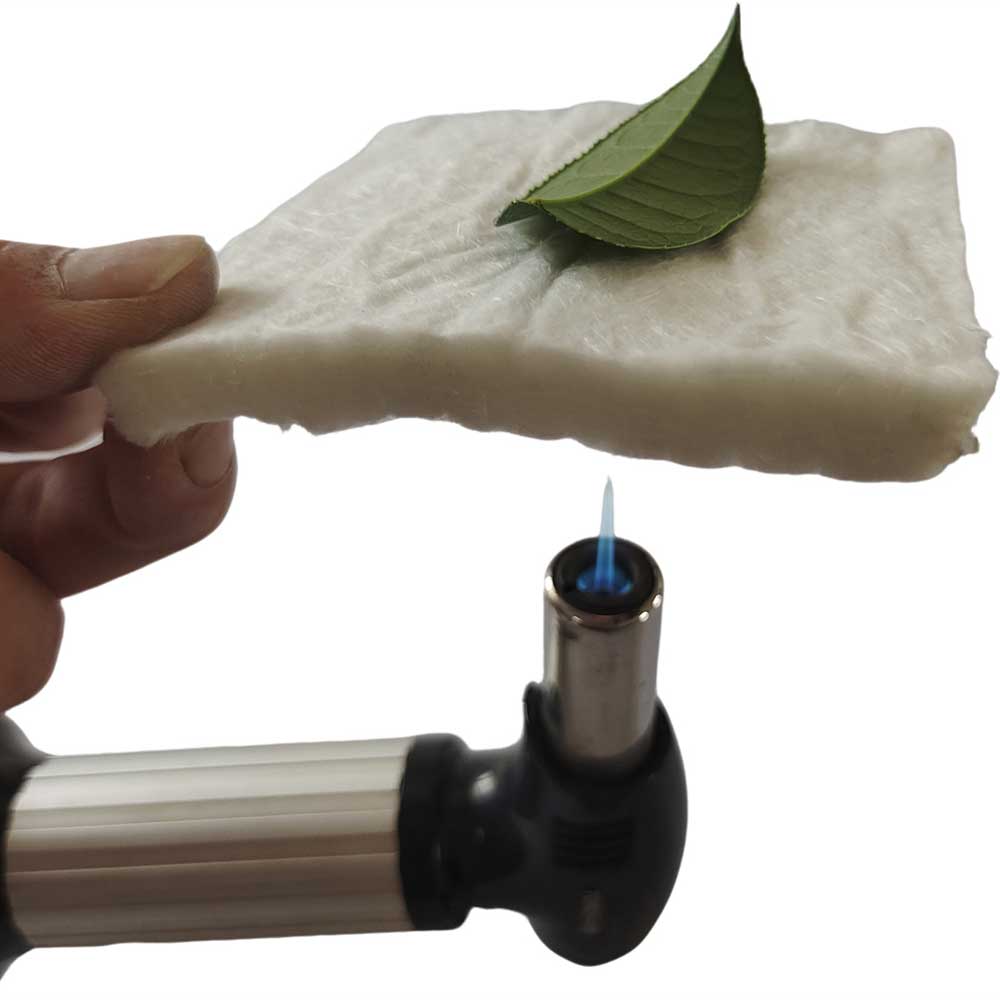
Its framework consists of inorganic oxides. It maintains a wide temperature tolerance range, remaining unfused from -200°C to 650°C. During thermal cycling, its flexible pore walls absorb shock.
Case Study: A cross-border cold chain vehicle manufacturer tested 500 cycles between -40°C and 85°C. Conventional PU foam hardened and collapsed. Jutao aerogel showed <1% thickness change and ≤3% thermal conductivity fluctuation.
User Query: Does thermal conductivity significantly increase after temperature cycling?
No. Jutao maintains stable pore size and enduring air convection barrier, ensuring virtually unchanged thermal conductivity.
H2: Jutao Aerogel's Thermal Protection Consistency—Can it retain thermal insulation after cycling?
Thermal retention relies on stable thermal conductivity. If repeated heating/cooling disrupts pore structure, insulation performance degrades.
Jutao aerogel undergoes specialized process control. Its high pore wall strength resists collapse or pore closure due to thermal expansion.
H3: Thermal Conductivity Stability After Multiple Cycles—Can Design Specifications Be Maintained?
Tested through 1,000 cycles within a 300℃ temperature range. Thermal conductivity remains below 0.018 W/(m·K), meeting most industrial insulation thresholds.
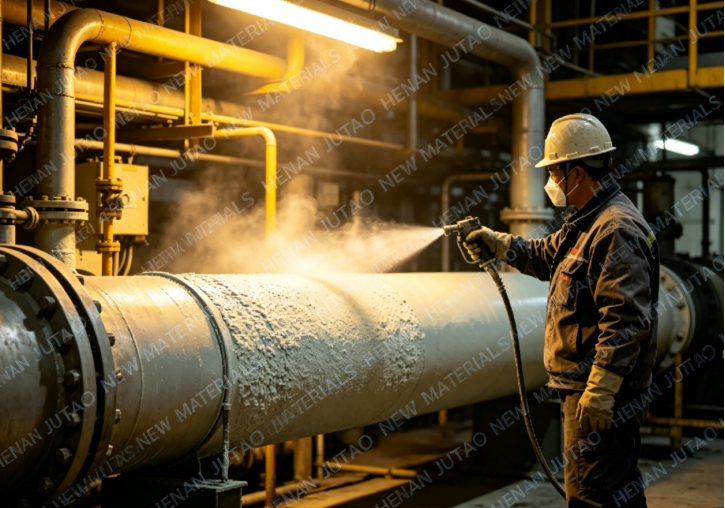
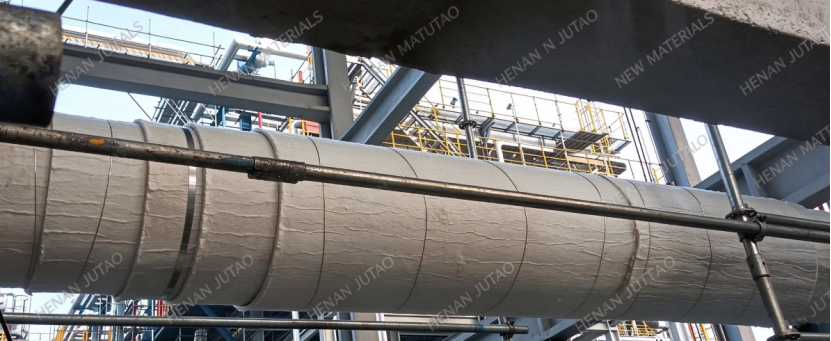
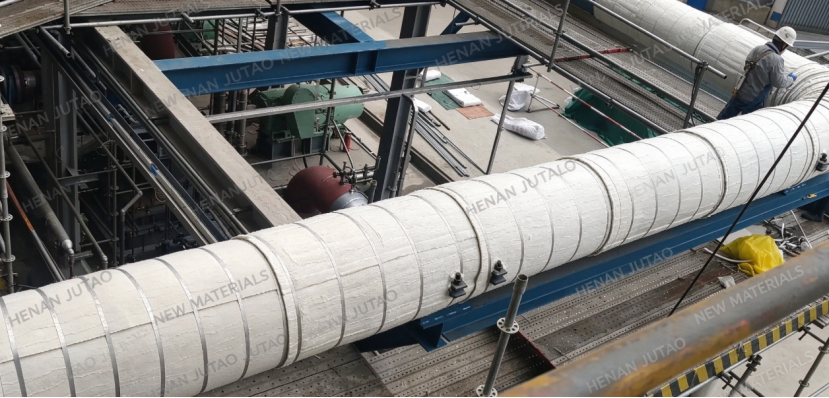
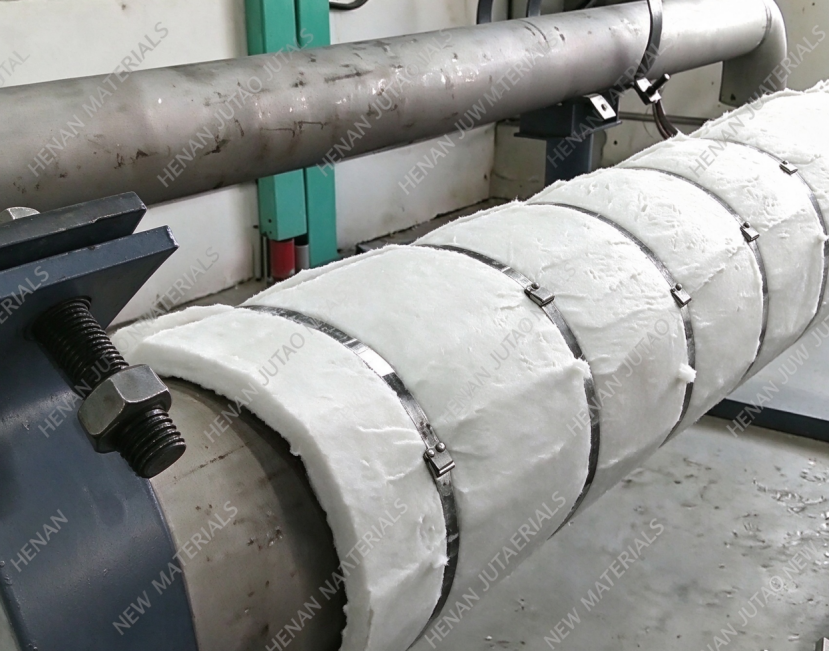
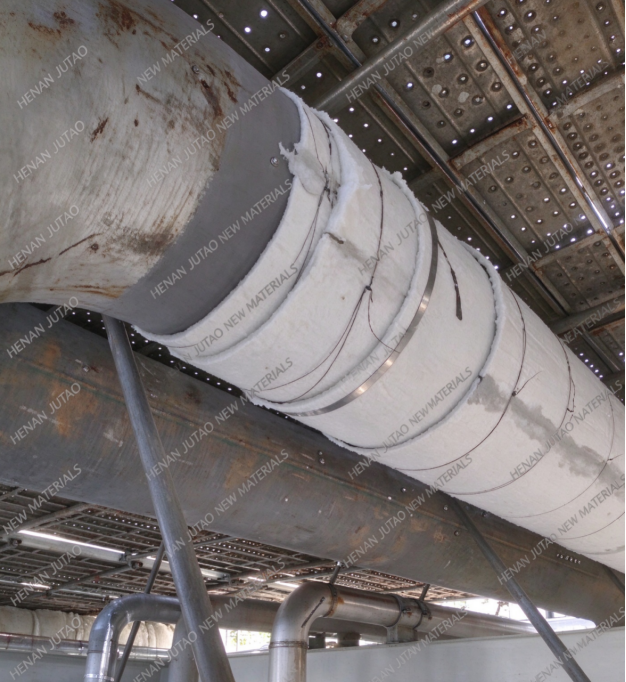
Case Study: A North American energy equipment manufacturer tested Jutao aerogel as external insulation for LNG transport pipelines. After 300 cycles between -162°C LNG and ambient temperatures, the surface temperature difference in the Jutao-coated area remained stable. Energy savings reached 12% compared to traditional ceramic fiber solutions.
User Question: Will cross-border transport vibrations and temperature cycles affect performance?
Minimal impact. Jutao's low density and high toughness provide excellent vibration dissipation, maintaining performance close to static test levels.
H2: Adaptability to Real-World Conditions—How to Achieve Stability Across Industries?
Different scenarios feature varying temperature cycling patterns and extreme values. Material selection must match operational curves.
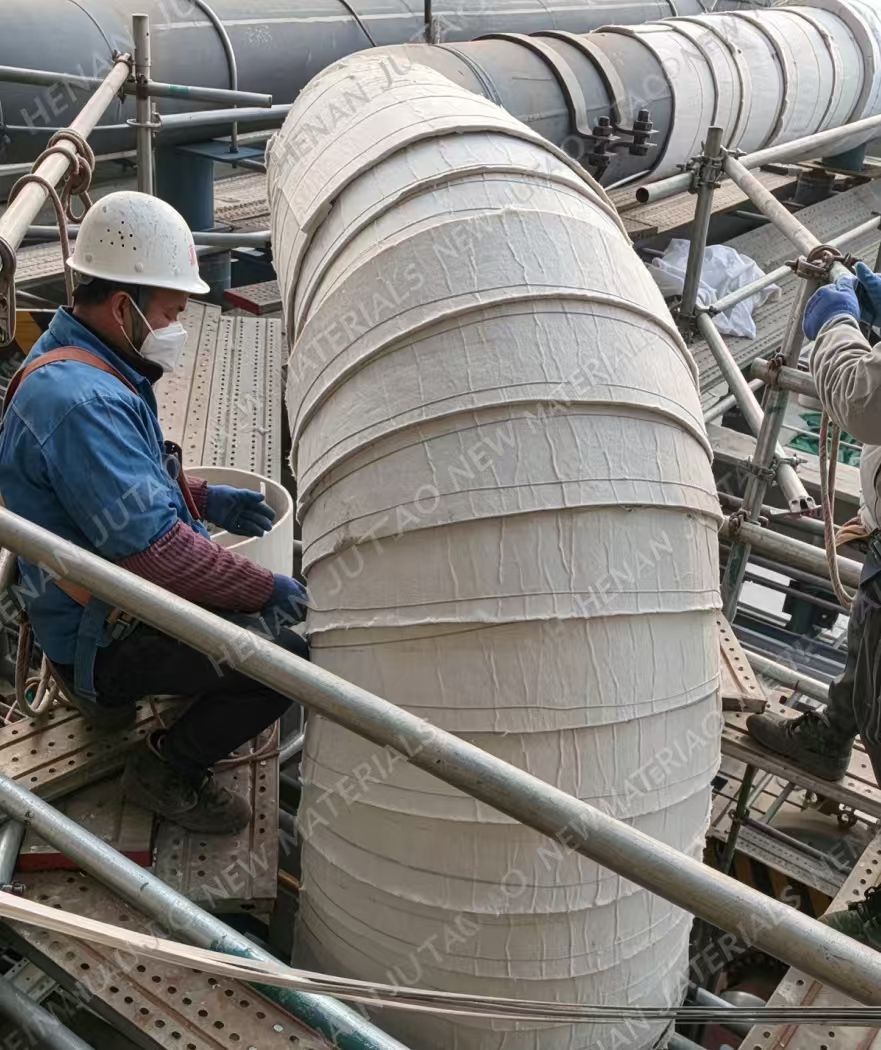
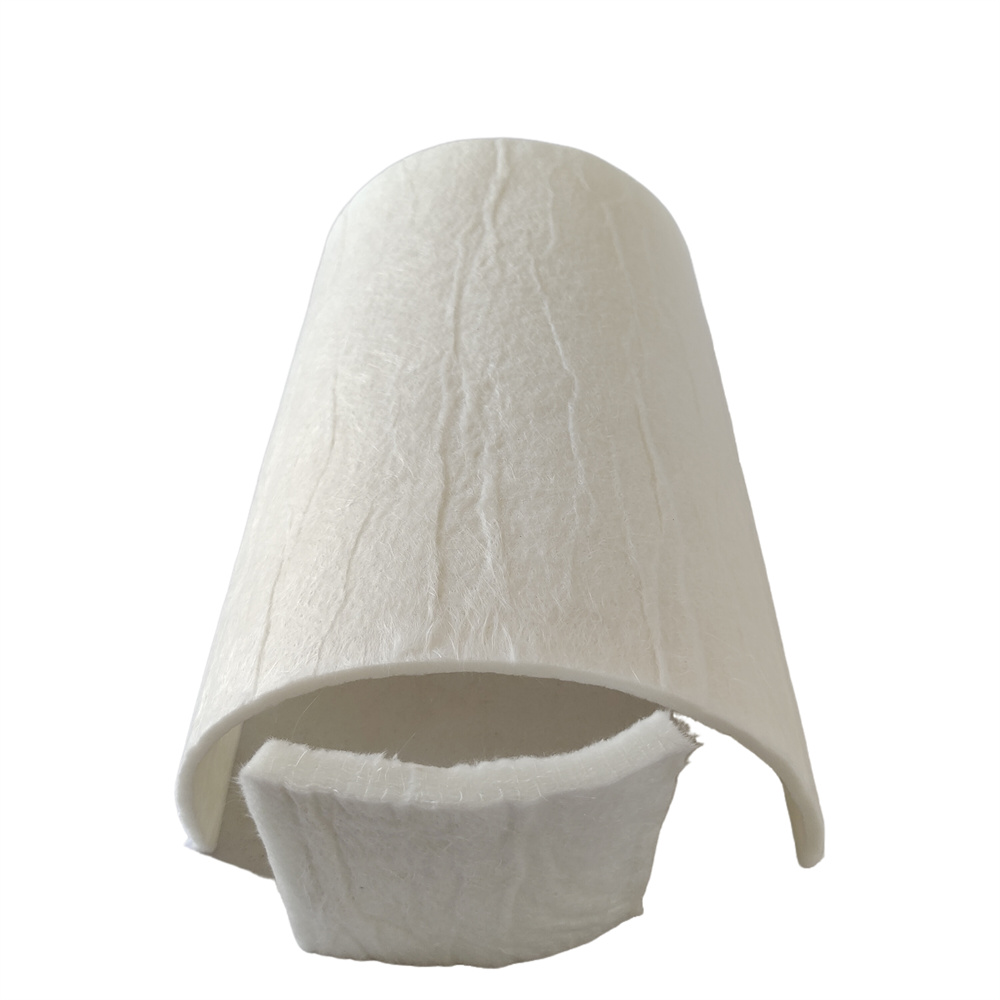
Jutao aerogel can be custom-cut and laminated to fit curved surfaces and narrow cavities.
H3: Maintaining Performance in Complex Conditions—Suitable for Aerospace and Cryogenic Applications?
Aerospace components endure alternating extreme cold at high altitudes and engine residual heat. Cryogenic storage/transport involves prolonged exposure near liquid nitrogen temperatures.
Case Study: A drone thermal control module required switching between -55°C standby ↔ 80°C short-term peaks. Original foam insulation caused thermal protection lag, leading to chip overheating. After switching to Jutao aerogel, the module achieved rapid thermal response with no performance degradation after 200 cycles.
User concern: Does thick installation slow assembly?
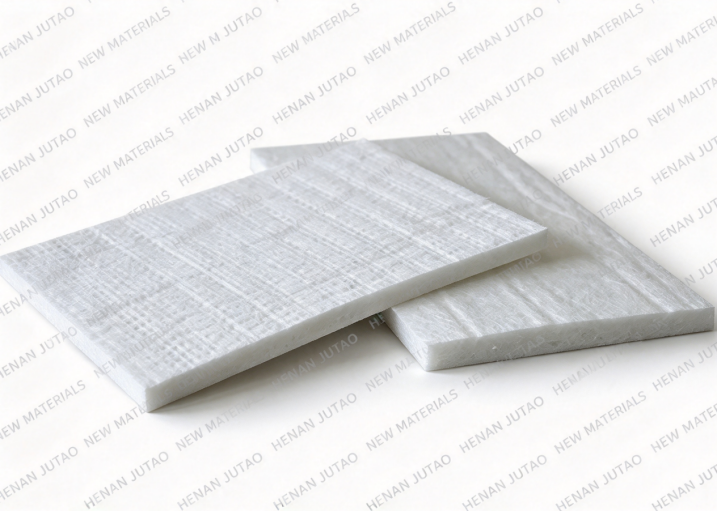
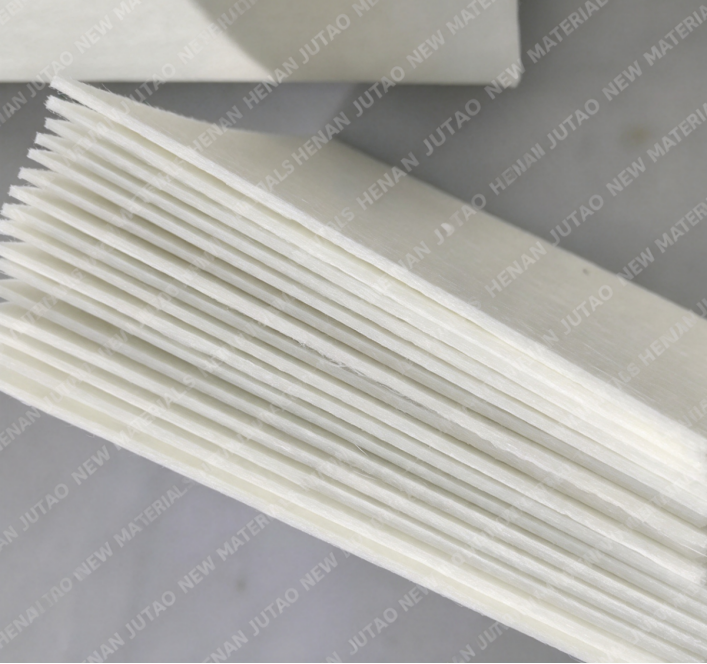
It can be pre-cut into thin sheets for layering or composite panels, offering flexible conformability without impacting production line cycles.
FAQ
Q1: Is Jutao aerogel suitable for equipment with frequent thermal cycling?
Yes. It maintains structural integrity and low thermal conductivity under extreme temperature cycling, making it suitable for high-frequency, wide-range temperature applications.
Q2: Compared to other insulation materials, what are its advantages in thermal cycling?
Its advantages lie in stable nanoporous structure and strong stress relaxation, resulting in significantly lower performance degradation after cycling compared to PU or ceramic fiber.
Q3: How is consistent performance ensured during cross-border shipping?
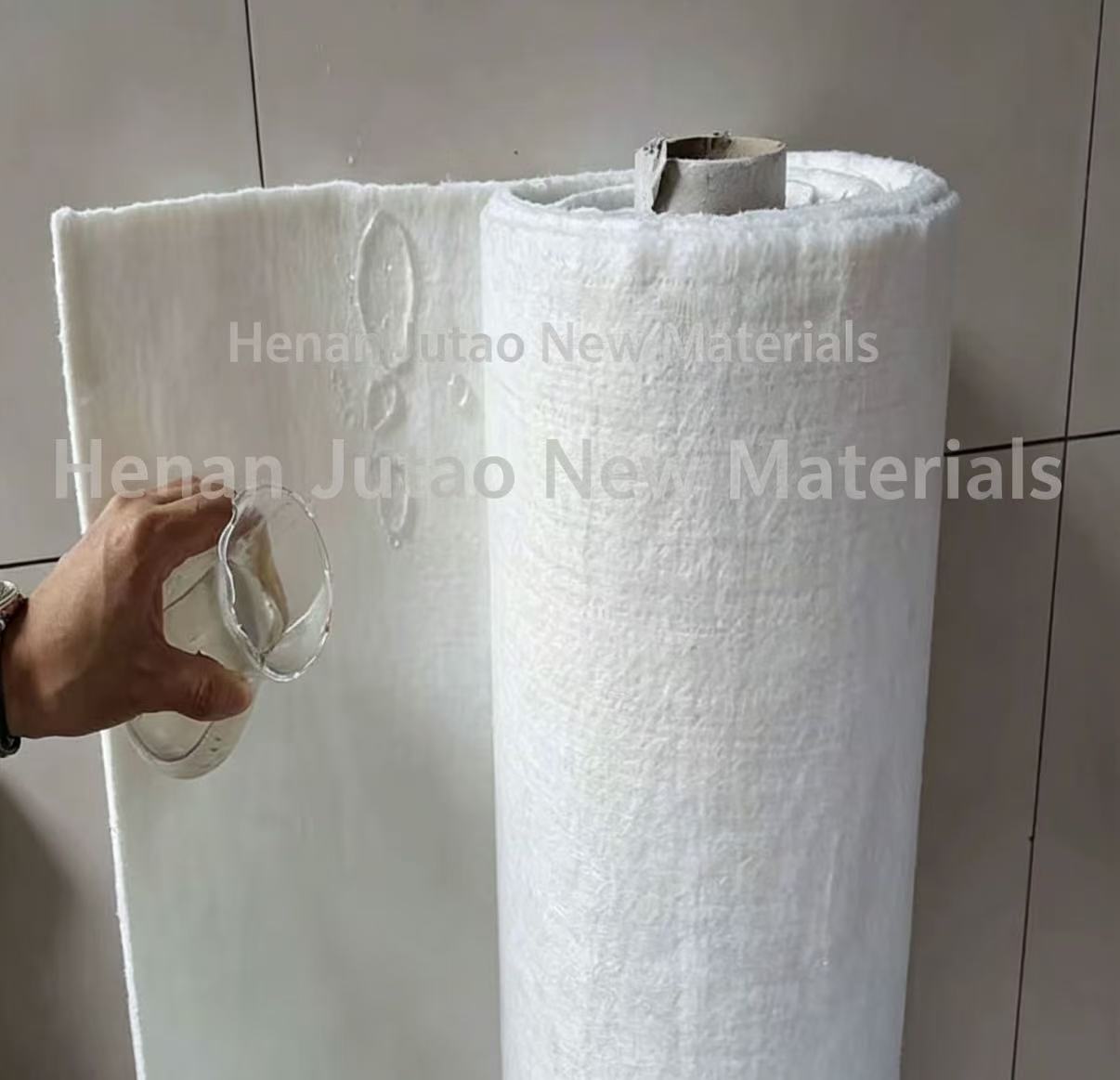
Jutao aerogel exhibits strong chemical inertness, resisting moisture absorption and vibration impacts. Transportation and storage require no special temperature control, enabling immediate use upon unpacking.
In cross-border procurement and high-end manufacturing scenarios, the core keyword—Jutao aerogel's performance stability under extreme temperature cycling—determines the long-term operation of critical equipment. From structural heat resistance to thermal cycling retention, and across diverse industry applications, its reliability is proven by data. If your operating conditions involve extreme temperature fluctuations, test it yourself—it will make thermal challenges manageable.
Meta Description:
Explore Jutao Aerogel's performance stability under extreme high-low temperature cycling. Discover how its nanoporous structure maintains low thermal conductivity and structural integrity during rapid thermal shifts. Cross-border buyers and B2B clients gain access to highly reliable thermal protection solutions. Learn about applicable scenarios and proven advantages now.
Keywords:
Jutao Aerogel Performance Stability in Extreme Temperature Cycling; Aerogel Temperature Cycling Testing; Cross-Border Equipment Insulation Material Selection; B2B Thermal Protection Solutions; Cryogenic Transport Insulation Materials