


Overview of Aerogel Technology
- Definition and Fundamental Characteristics of Aerogels
(1) Definition
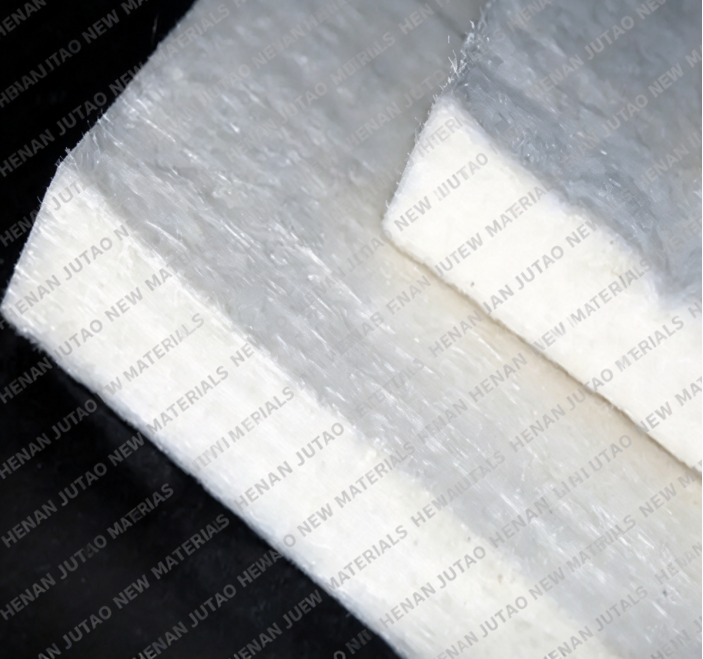
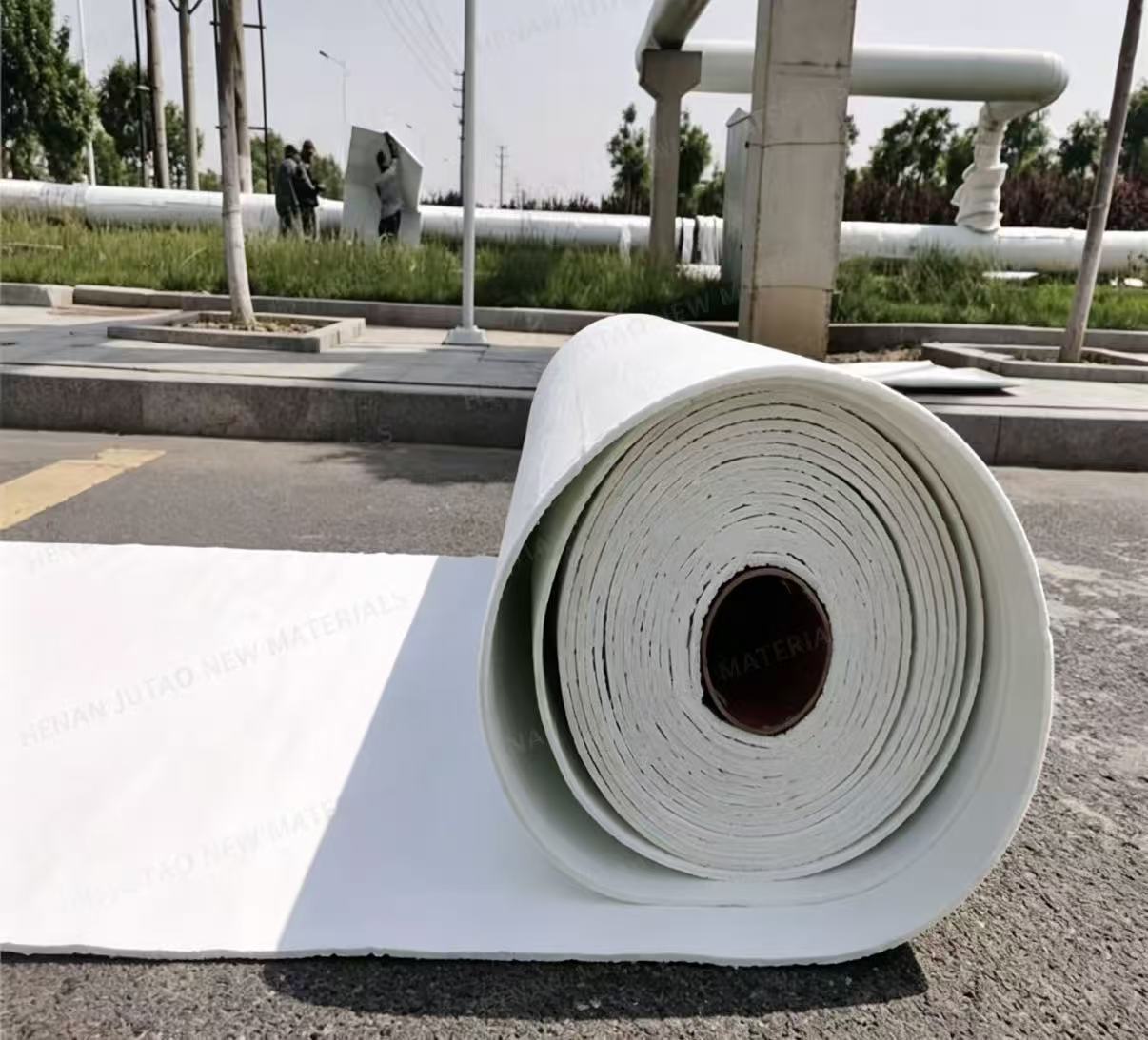
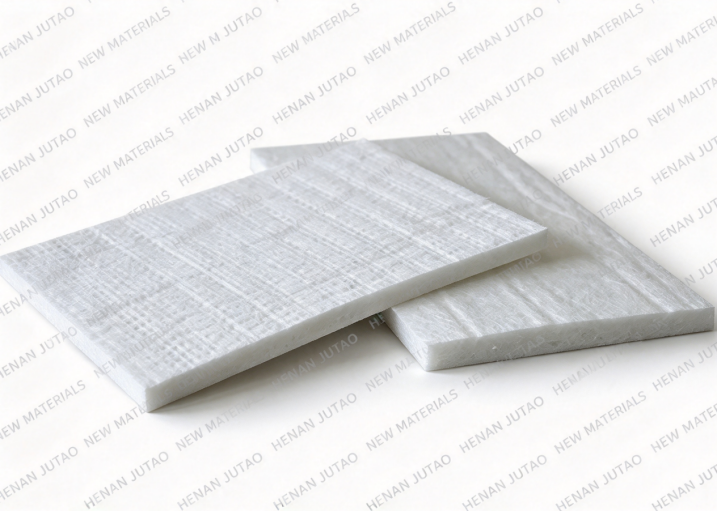
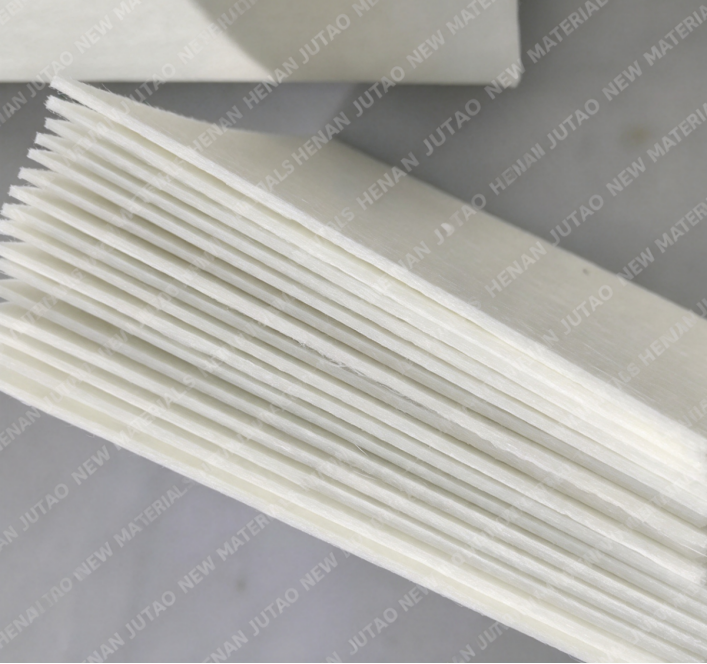
Aerogels are solid materials featuring a nanoporous structure, formed by the aggregation of colloidal particles into a three-dimensional network. Their unique fabrication process creates nanoscale pores between solid particles, granting aerogels exceptionally high porosity and extremely low density. While maintaining structural stability, aerogels exhibit qualities such as lightweight composition, low thermal conductivity and a high specific surface area. These characteristics provide aerogels with broad application prospects across many fields, particularly in energy conservation and emission reduction.
(2) Fundamental Characteristics
① Lightweight Structure and High Porosity
Aerogels possess an extremely low density, typically ranging from a few milligrams to a few hundred milligrams per cubic centimetre. Their internal network of nanoscale pores enables a porosity of more than 90%, contributing to their excellent thermal insulation and heat-retention performance.
② Outstanding Thermal Insulation Performance
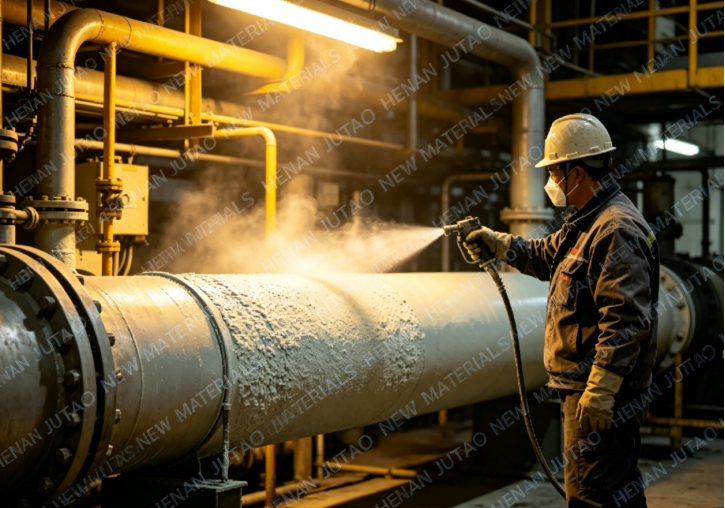
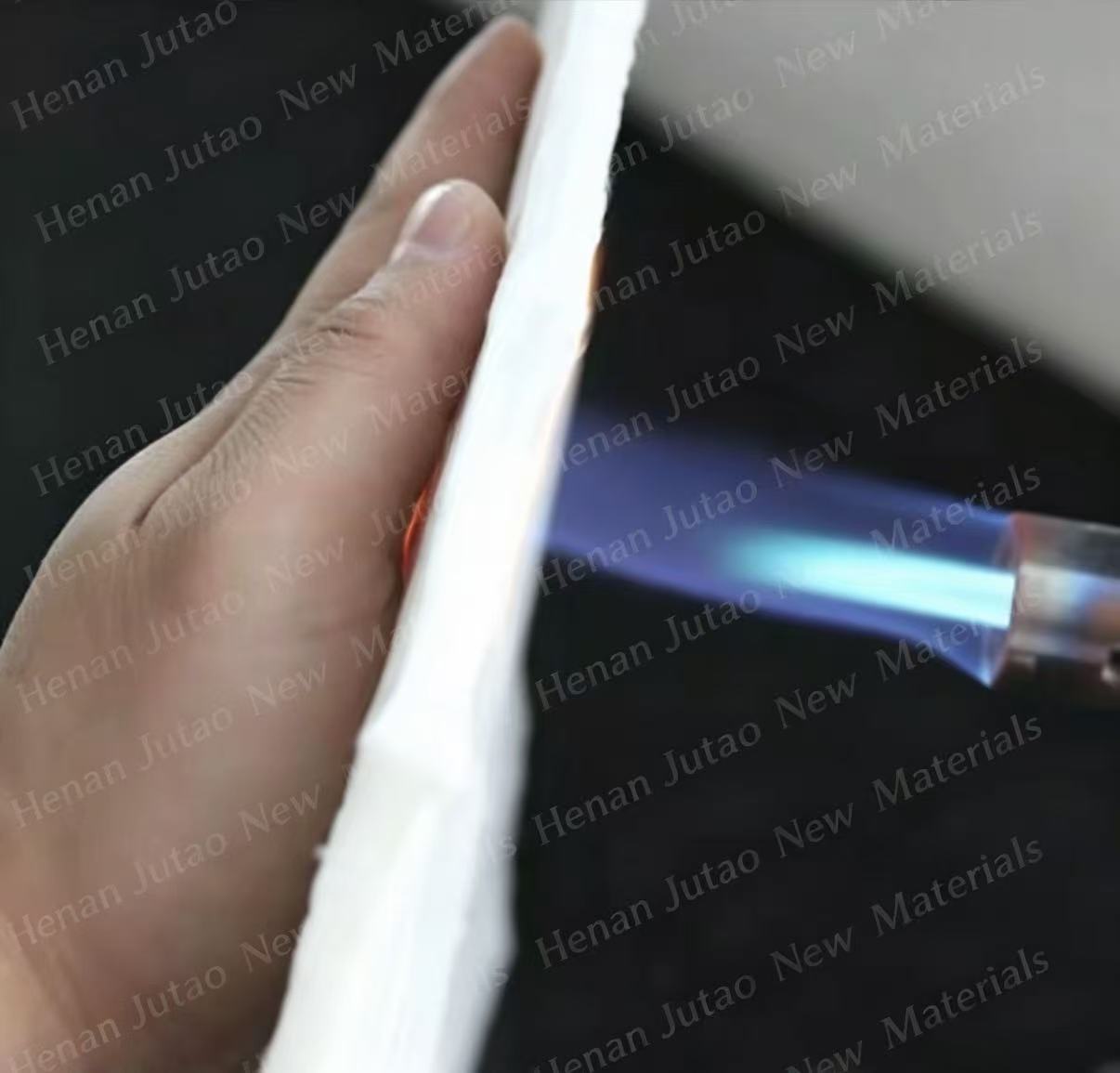
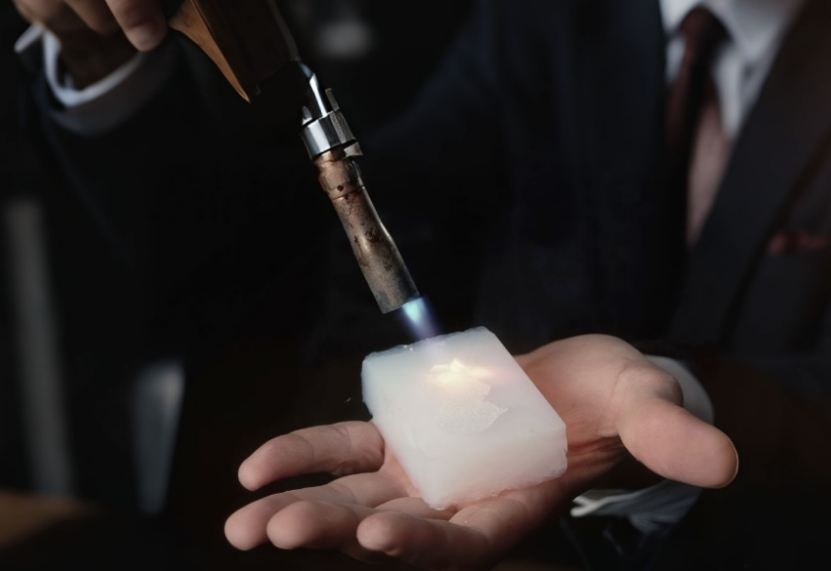
Owing to their nanoscale pores and remarkably low thermal conductivity, aerogels are considered among the most efficient solid thermal insulation materials available. They retain stable thermal properties even under high-temperature conditions, making them well suited for complex industrial applications.
③ High Specific Surface Area
The nanoporous structure of aerogels provides a very high specific surface area—often reaching several hundred to over a thousand square metres per gram. This characteristic offers significant advantages in fields such as catalysis, adsorption and separation.
④ Chemical Stability and Material Diversity
Aerogels can be manufactured from various material systems, including silica-based, carbon-based and metal-oxide-based compositions. This diversity allows them to adapt to different chemical environments and application requirements. Their chemical stability also ensures reliable performance even under extreme conditions.
⑤ Satisfactory Mechanical Properties
Despite their highly porous structure, modern aerogel manufacturing technologies provide them with appreciable mechanical strength and a certain degree of toughness. These qualities enable aerogels to maintain structural integrity in demanding environments.
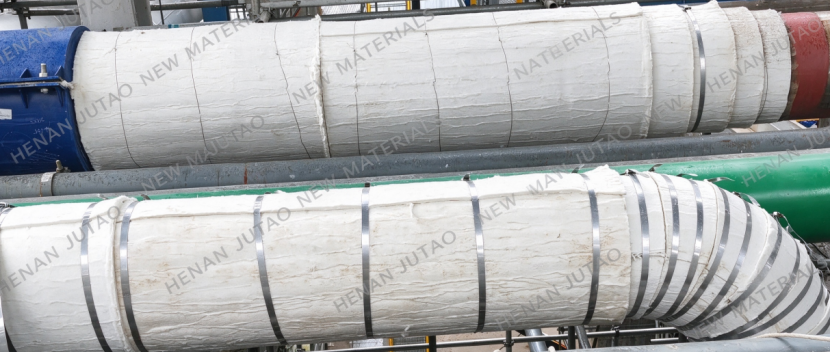
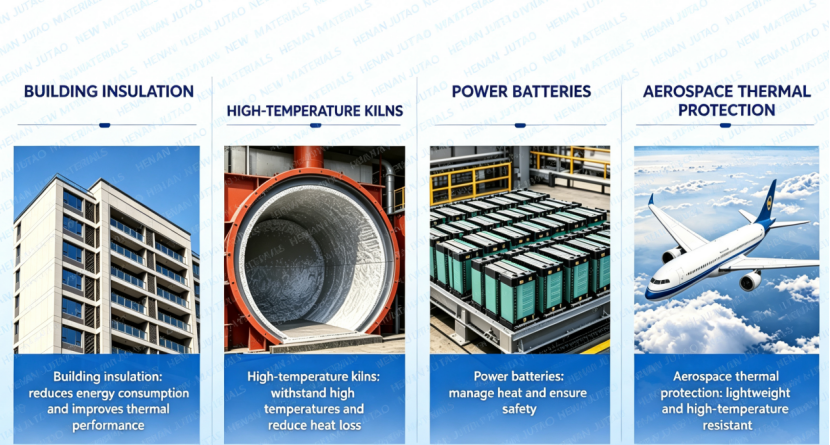
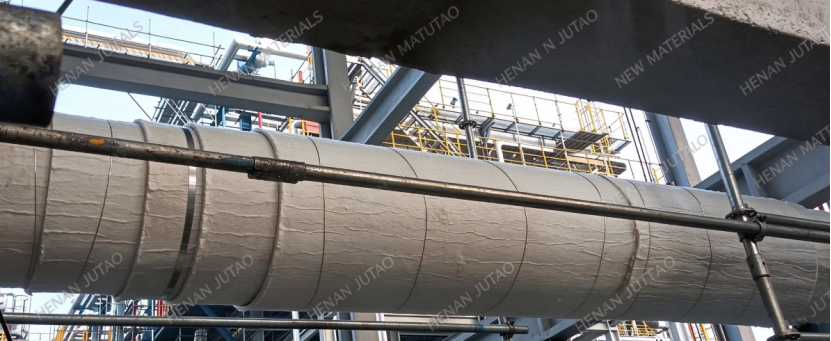
Thanks to these fundamental characteristics, aerogels have become an ideal material for energy conservation and emission reduction. Their lightweight nature, excellent insulation capacity and strong chemical stability make them valuable in buildings, industrial equipment and transportation. As fabrication technologies continue to advance, the application prospects of aerogels in the field of energy efficiency will expand even further.
Jutao Environmental Technology — Specialists in Aerogel Material Solutions.
Stay connected with us for the latest updates, industry insights and application solutions in the aerogel sector.