


Key Stages in the Production of Aerogel Coatings
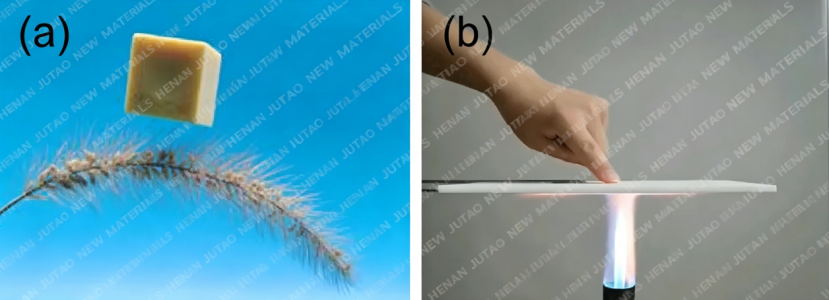
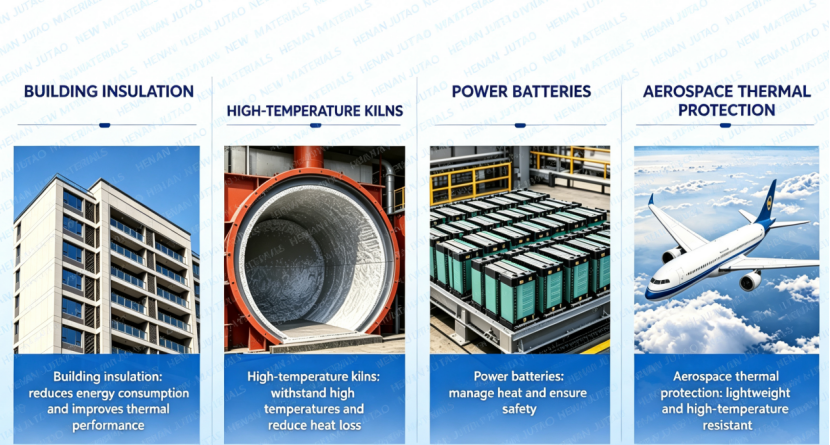
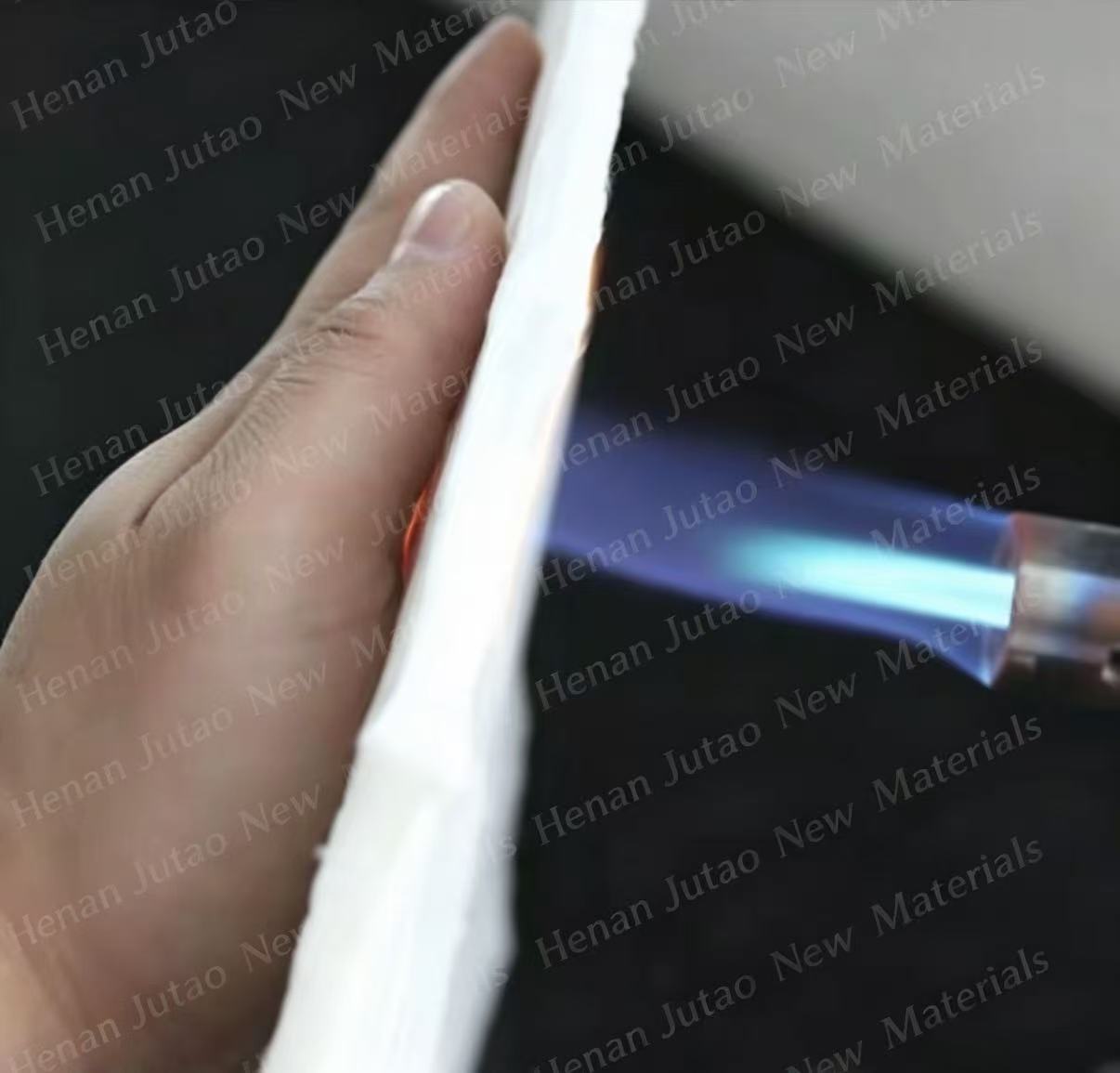
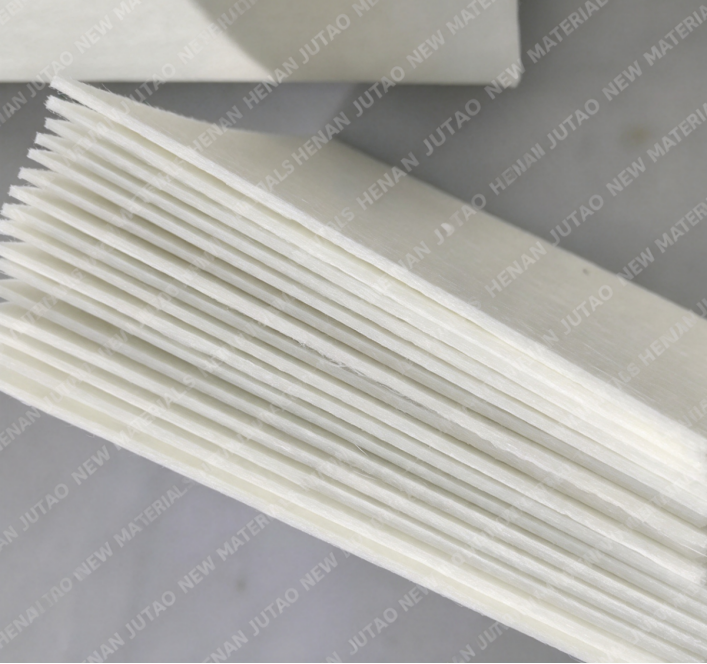
Aerogels are nano-lightweight porous materials with complex three-dimensional network structures. They combine properties such as ultra-low thermal conductivity, low density, high porosity, high light transmittance, large specific surface area, low refractive index, and low sound velocity. In recent years, aerogels have been widely applied across various fields, including the coatings industry.
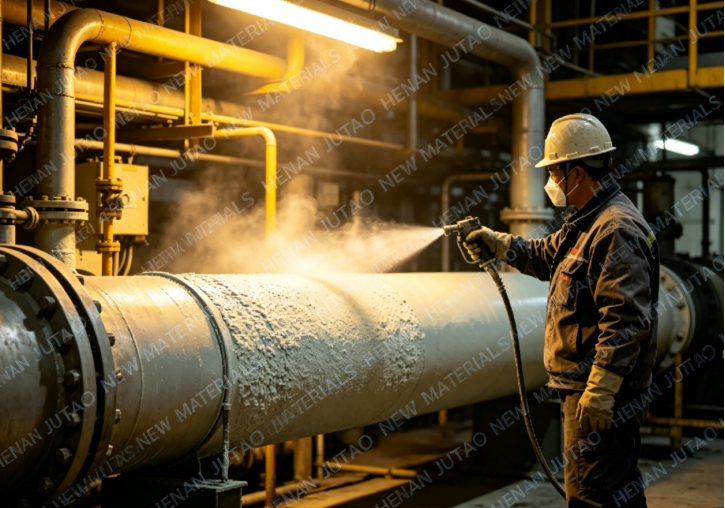
Aerogel coatings are functional coatings that use aerogels (nano-porous lightweight materials with extremely low thermal conductivity and high specific surface area) as the core functional filler. They are mainly used for thermal insulation, fire protection, and sound insulation. Based on aerogel preparation, stabilizers, dispersants, and other additives are introduced. Through various dispersion methods, aerogels are first processed into aerogel slurries/pastes, which are then mixed with film-forming resins, additives, solvents, and other pigments and fillers. Finally, aerogel coatings are produced via high-speed dispersion.
Selection and Pretreatment of Aerogels
Aerogel Selection and Pretreatment
- Types of aerogels:
Select the aerogel type according to the coating system (water-based or solvent-based) and application scenario. Common options include:
- Silica aerogels: cost-effective with excellent thermal insulation performance;
- Carbon aerogels: high-temperature resistance and electrical conductivity;
- Composite aerogels (e.g., silica–alumina aerogels): enhanced mechanical properties.
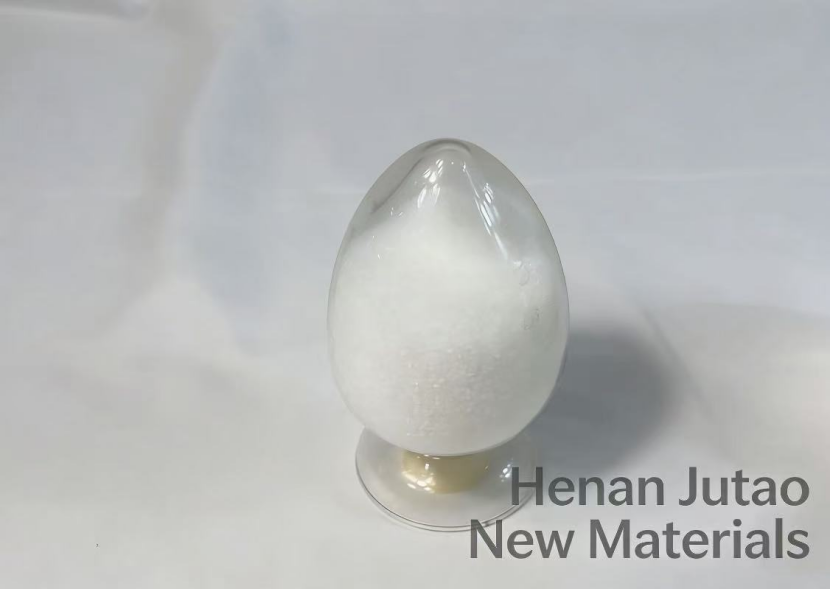
Surface-modified aerogels (e.g., silane-modified or coupling-agent-treated) are preferred, as they improve compatibility with the binder and reduce agglomeration.
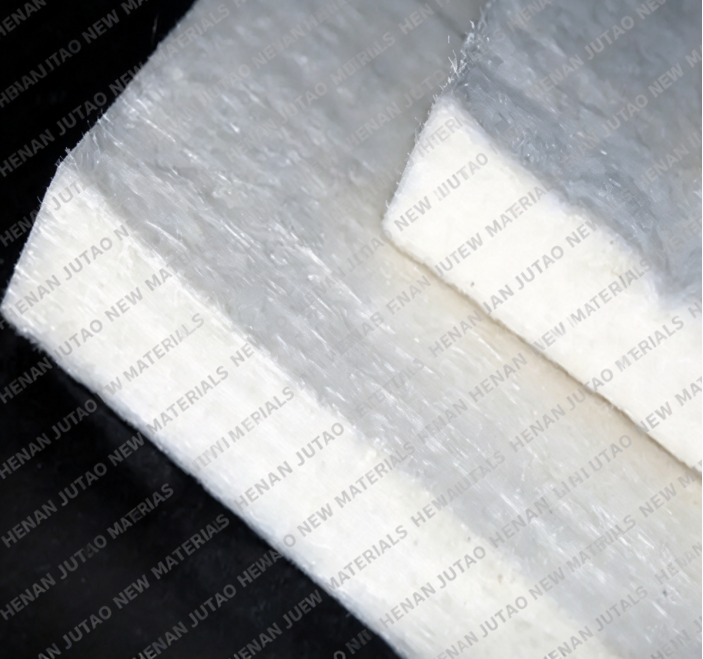
For example, melamine–formaldehyde (MF) aerogels exhibit superior mechanical strength and chemical stability compared with inorganic aerogels. Silica–alumina composite ceramic aerogels, prepared via the “phoenix nirvana method,” offer flexibility, formability, and resistance to temperatures above 1300 °C. Their precursor solutions can be directly used as flame-retardant and thermal-insulation coatings.
- Particle size and morphology:
Aerogel powder typically has a particle size of 1–50 μm. A uniform particle size distribution should be maintained (particles that are too fine may cause dusting, while overly coarse particles can affect coating smoothness). Granular or microspherical aerogels are preferred due to better structural integrity and reduced excessive agglomeration compared with nano-scale powders.
Gradient impregnation techniques can be used to sequentially construct chemical bonding layers, functional transition layers, and protective layers on aerogel substrates, forming multiphase gradient coatings. This approach addresses multi-scale synergistic issues while imparting high mechanical strength, low thermal conductivity, and high electrical conductivity.
- Pretreatment:
If unmodified aerogels are used, surface modification (e.g., treatment with silane coupling agents such as KH-550 or KH-570) is required to improve dispersion and interfacial bonding within the binder, preventing issues such as coating cracking or aerogel sedimentation during later stages.
Compatibility of the Binder System
Binder (film-forming resin) selection depends on the application scenario and must ensure compatibility with aerogels, good film formation, and required functional properties:
- Water-based systems:
Water-based acrylic emulsions, water-based polyurethanes, and water-based epoxies are preferred due to their environmental friendliness and suitability for construction and indoor applications. It is essential to ensure stable dispersion of aerogels (especially modified aerogels) in water, avoiding floating or agglomeration of hydrophobic aerogels.
- Solvent-based systems:
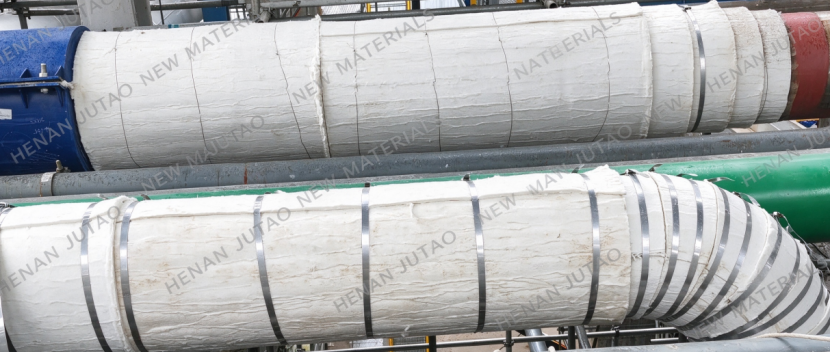
Solvent-based acrylics, epoxies, and silicone resins are typically used, offering better weather resistance and high-temperature performance for industrial pipelines and high-temperature equipment. The surface polarity of the aerogel must match the oily binder system (e.g., hydrophobically modified aerogels for solvent-based systems).
Functional requirements:
- For high-temperature resistance (≥200 °C), silicone or inorganic silicate binders are recommended;
- For flexibility (e.g., metal substrates), polyurethane or elastomeric acrylic binders are preferred.
Selection of Additives
- Dispersants:
A critical additive. High-performance dispersants (such as high-molecular-weight comb-type dispersants) or dispersants specifically designed for nano-powders should be used. They prevent aerogel agglomeration through steric hindrance or electrostatic repulsion, addressing the strong tendency of aerogels to agglomerate due to their large specific surface area and van der Waals forces.
- Rheology modifiers:
Due to the extremely low density of aerogels (0.05–0.2 g/cm³), they are prone to floating or settling. Thixotropic agents (e.g., modified bentonite or urea-based rheology modifiers) should be added to adjust viscosity, ensuring storage stability and good application performance (such as sag resistance).
- Defoamers:
The porous structure of aerogels easily introduces air bubbles. Non-silicone defoamers are recommended to avoid affecting coating transparency or reacting with surface functional groups on aerogels. They should be added in small amounts multiple times to prevent residue-related defects such as cratering.
Jutao Environmental Technology — Specialists in Aerogel Material Solutions
Stay connected with us for the latest updates, industry insights and application solutions in the aerogel sector.