


JTA Aluminum Foil Aerogel Boards Redefine Pipeline Insulation
Why are the JTA series of aluminum foil aerogel boards reshaping the insulation standards for high-temperature pipelines?
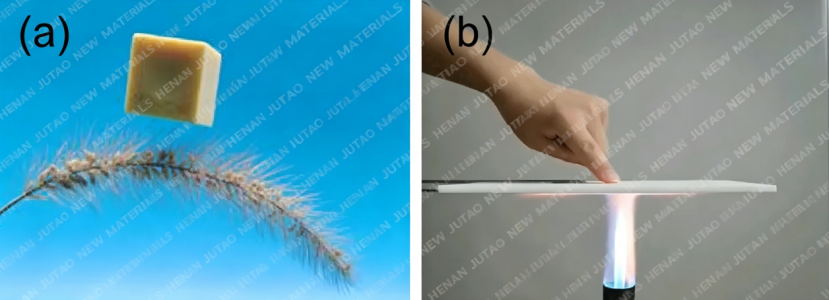
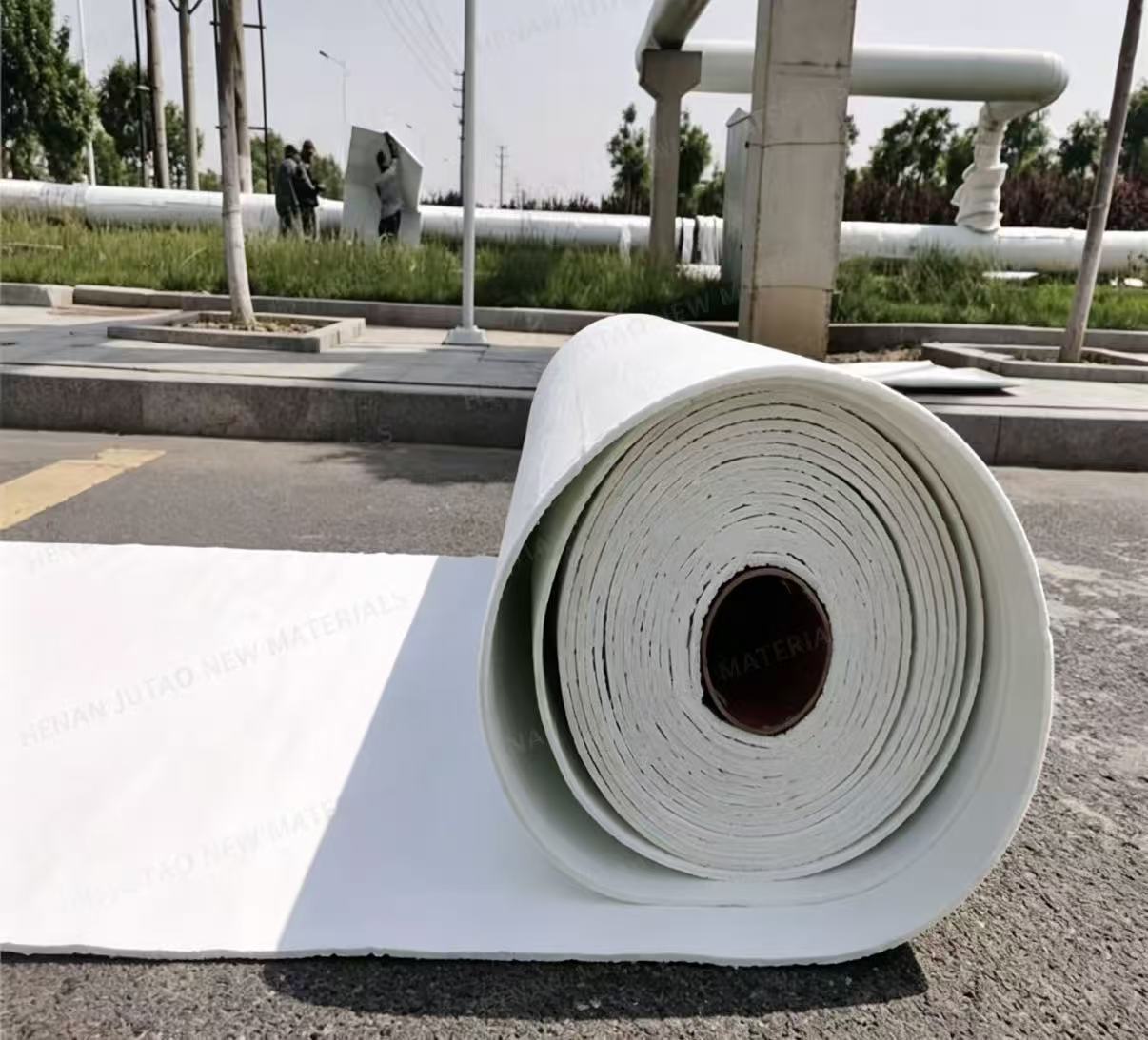
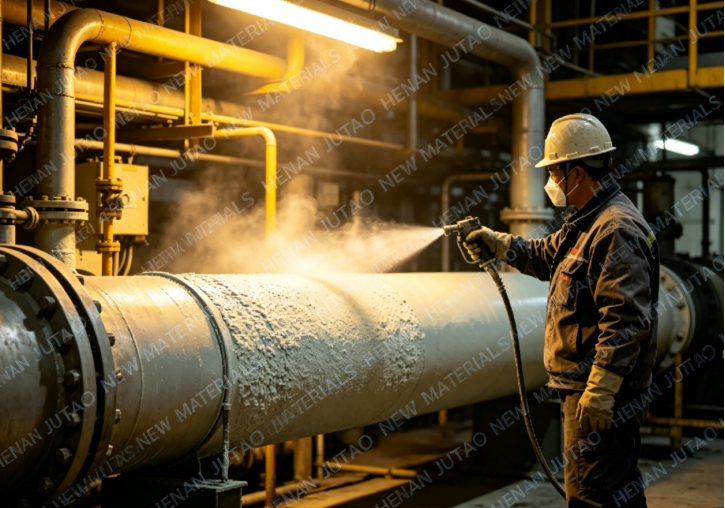
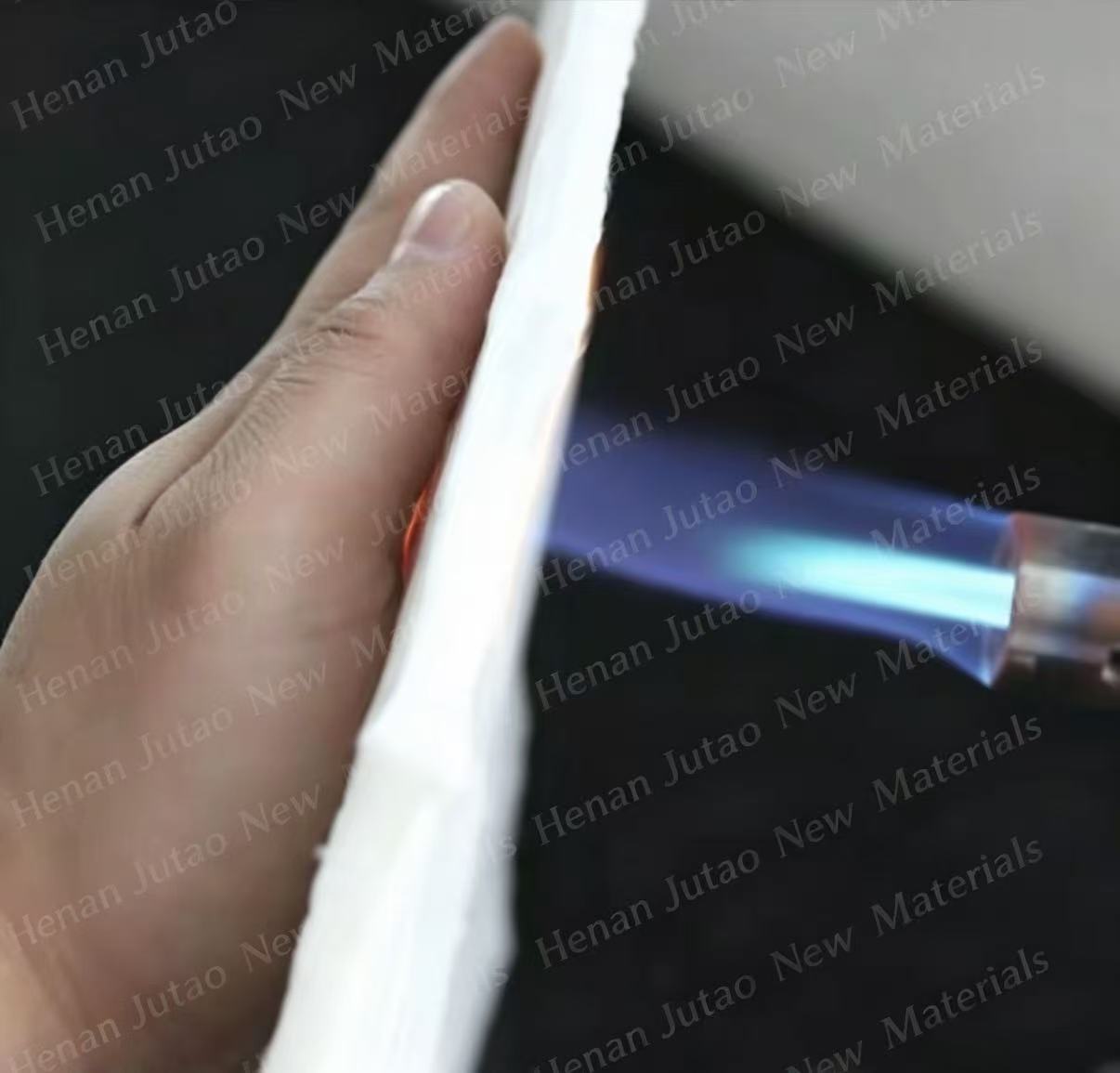
At the Chemical Fertilizer plant in Shihua, Jilin Province, workers are using white aerogel pads to give high-temperature pipelines a "new cotton-padded jacket". A piece of material as thick as a palm can insulate the heat from the red-hot iron blocks below.
Imagine that just a few centimeters below your palm is the surface of a metal pipe at several hundred degrees Celsius, but your skin doesn't feel the obvious heat wave - this is the real scene brought by the aluminum foil aerogel composite insulation material. Today, in the pursuit of ultimate energy efficiency, this once expensive super material is quietly entering every corner of industrial applications.
01 The Predicament and Breakthrough Points of Traditional Insulation Materials
In the field of high-temperature pipeline insulation, engineers have long been confronted with a dilemma. Many factories still rely on traditional rock wool, glass wool or aluminosilicate fiber as the main insulation materials.
These materials may meet the basic requirements at the initial installation, but as time goes by, problems gradually emerge. Pipe vibration, rainwater infiltration and the natural degradation of material properties lead to stacking, subsidence and sliding of the insulation structure.
What is even more worrying is that the insulation layers of many pipelines eventually show an unbalanced state of being thinner at the top and thicker at the bottom. This unevenness not only causes severe heat loss and increased steam consumption, but also poses a threat to the personal safety of front-line inspection staff.
Corrosion is another hidden and fatal problem. When traditional insulation systems get damp for various reasons, not only will their heat insulation performance be significantly reduced, but they will also create a favorable environment for corrosion. This phenomenon is particularly common in the petrochemical industry. A damp insulating layer will accelerate the corrosion process of the metal pipes beneath.
The installation itself is also full of challenges. Pipes with complex geometric shapes require a large amount of on-site cutting and customization, which increases installation time and costs. The installed system is often not sealed enough, leaving a hidden danger for moisture to seep in.
02 Core Advantages of Aerogel technology
It is no accident that aerogel is called a "super insulation material". This material, mainly composed of synthetic silica, is not only environmentally friendly and non-toxic, but also has astonishing thermal insulation performance.
Unlike traditional insulation materials that rely on a fluffy structure to store air, 98% of the volume inside aerogel is composed of nanoscale pores. These extremely tiny pores greatly restrict the movement of air molecules, thereby achieving an outstanding heat insulation effect. This data indicates that only 2% of solid materials can build an efficient heat barrier.
The thermal conductivity of aerogel can be as low as 0.013W/(m·K), which is only one fifth of that of traditional materials. This performance parameter has been translated into tangible benefits in industrial applications: when aerogel is used on high-temperature steam pipelines, the thickness of the insulation layer can be reduced by two-thirds, and energy consumption can be lowered by 40%.
In addition to its outstanding heat insulation performance, aerogel also has an extremely high fire resistance rating. It can pass the national A-level non-combustible certification, with an oxygen index exceeding 60%, and can withstand A flame impact of 1200℃. This characteristic holds special value in high-risk industries such as petrochemicals.
Unlike what people imagine that "super materials" are often heavy, aerogel has a density of only about 3kg/m³, making it a true "lightweight champion". This feature makes it more convenient to install and also reduces the load on the pipeline system.
03 Innovative Design of JTA Aluminum Foil Aerogel Board
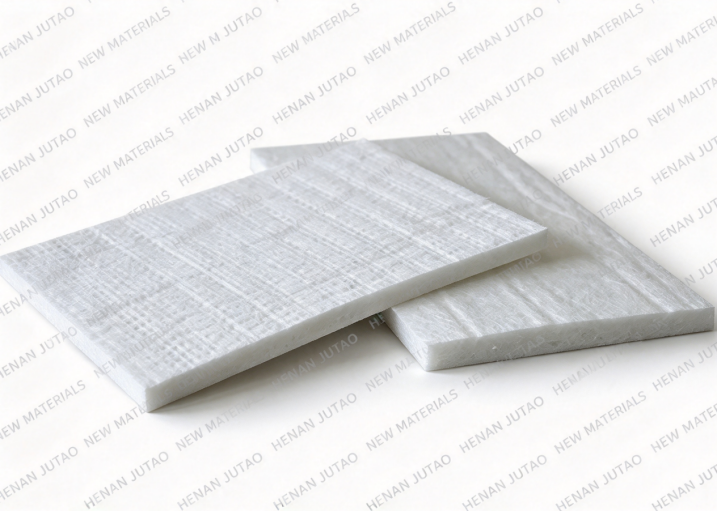
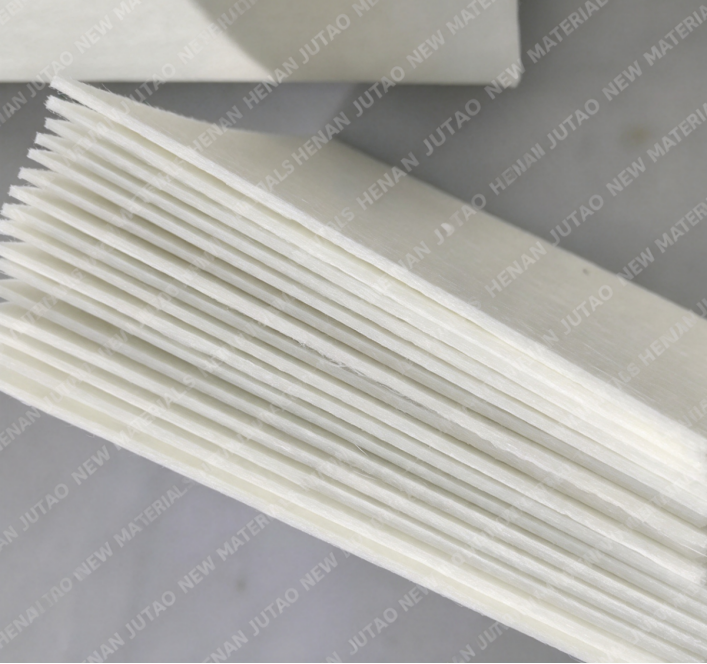
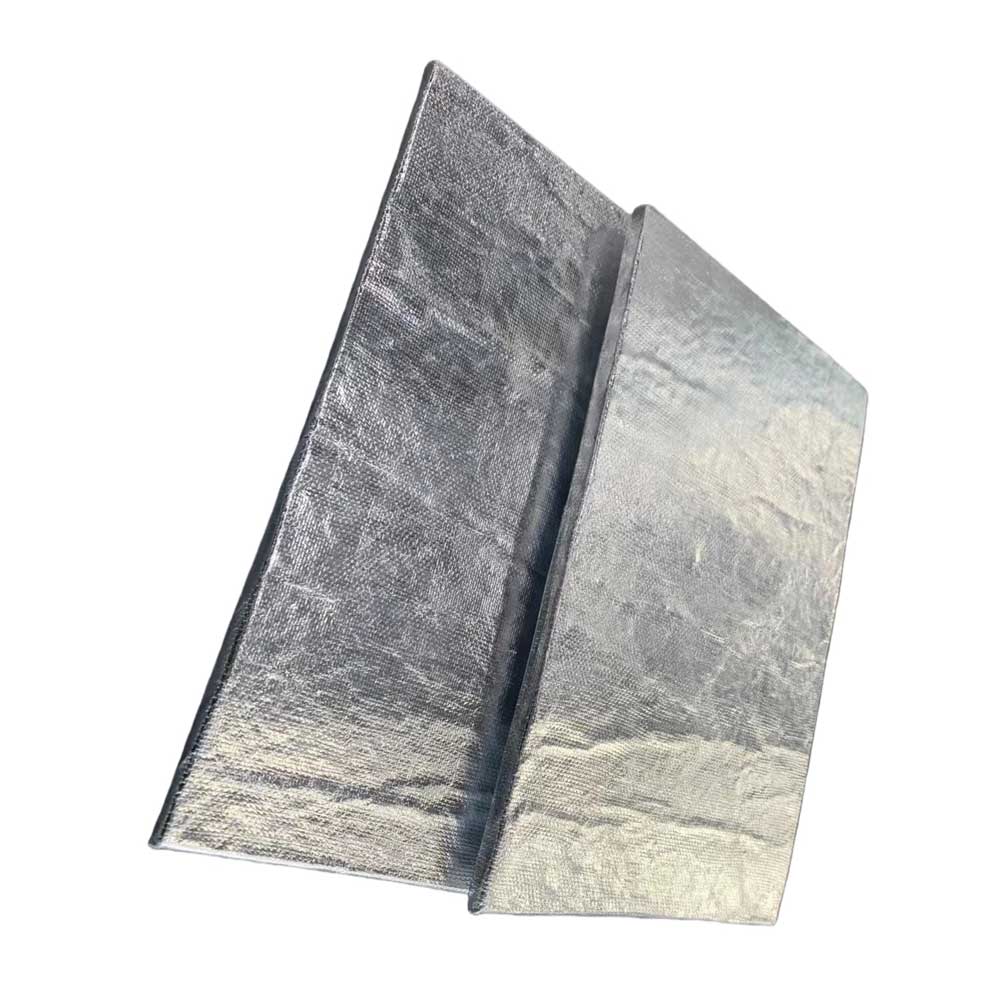
The unique feature of the JTA series of aluminum foil aerogel plates lies in their elaborately designed composite structure. Compared with a single material, this multi-layer design achieves a synergistic enhancement of performance.
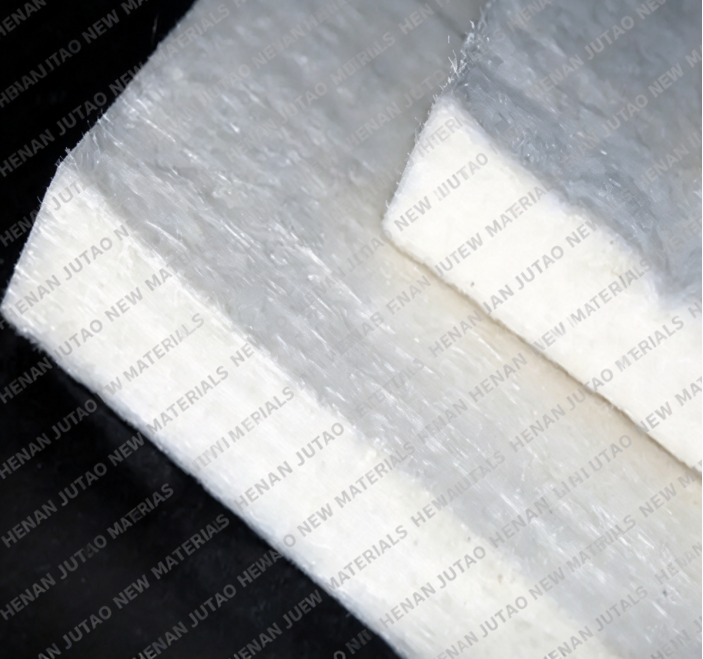
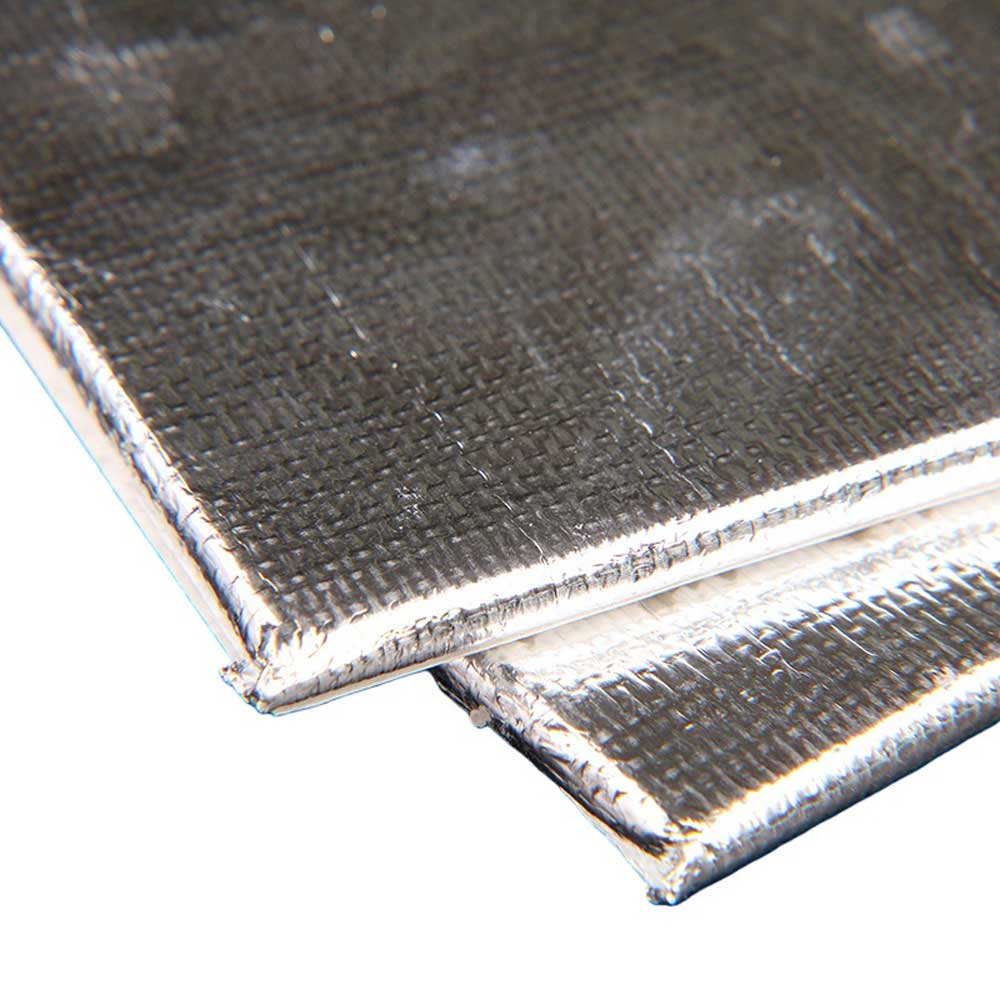
According to the patented technology, this type of material usually adopts a composite structure of "aluminum foil fireproof fabric layer - aerogel felt layer - aluminum silicate insulation cotton layer". Each layer has its unique function: The outermost layer of aluminum foil fireproof fabric is not only aesthetically pleasing and durable, but also effectively prevents the shedding of aerogel powder, while also serving to reflect thermal radiation.
The middle aerogel felt layer is the core of the entire structure. It is prepared by impregnating glass fiber felt in a silica aerogel solution. This process not only improves the originally poor toughness of the aerogel layer but also maintains its excellent thermal insulation performance.
The inner layer of aluminosilicate insulation cotton serves as a dual barrier, protecting the pipeline from external high temperatures, preventing internal heat loss, and providing additional support when the aerogel layer bends.
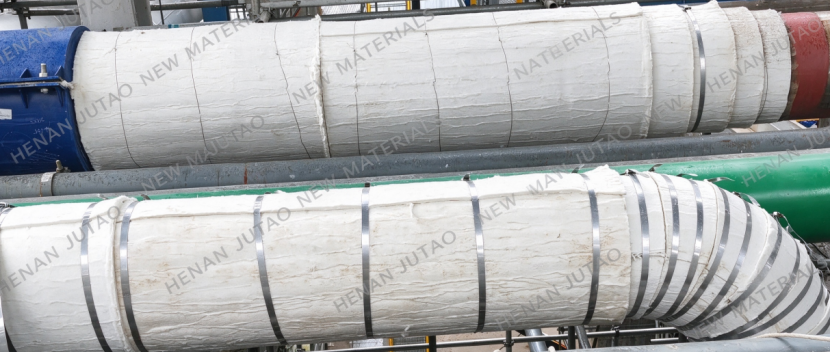
This "sandwich" structure is not randomly stacked. Practical application cases have shown that the surface of high-temperature pipelines is first treated with nano-aerogel to fully leverage its excellent thermal insulation performance, and then successively treated with aluminum foil cloth reflective layer and high-alumina aluminosilicate blanket insulation layer to enhance the effect.
The composite structure also takes into account the actual installation requirements. The surface of the material has undergone special treatment to be water-resistant, oil-resistant and moisture-proof, making it easy to clean and maintain. Its excellent toughness enables it to be bent and connected, allowing it to adapt to devices of different shapes.
04 Multiple Benefits of Industrial Applications
In the practice of the fertilizer plant of Jilin Petrochemical, after replacing over 3,700 meters of pipelines with aerogel insulation materials, it is estimated that 2.55 tons of steam can be saved per hour. This figure visually demonstrates the direct economic value of aerogel technology.
From a broader industrial perspective, aerogel insulation materials can reduce the thickness of the insulation layer on high-temperature pipelines by two-thirds, while lowering pipeline line losses by more than 50%, significantly enhancing the utilization efficiency of thermal energy. This means that the energy consumption of the entire industrial system may be reduced by 8% to 10%.
In addition to the direct energy-saving benefits, aerogel materials can also bring about improvements in a safe environment. The performance decline of traditional insulation materials often leads to an increase in the surface temperature of pipes, raising the risk of scalding for inspection personnel. The stable performance of aerogel can maintain a safe surface temperature for a long time.
Service life is another key consideration. The service life of aerogel insulation materials is more than five times that of traditional materials. This long service life not only reduces the frequency of replacement and maintenance costs, but also lowers the interference to the production process.
In terms of environmental friendliness, aerogel materials also perform exceptionally well. It contains no toxic substances and is environmentally friendly. This feature is particularly important in the context of modern industry's pursuit of sustainable development.
It is worth noting that although the initial investment in aerogel may be higher than that of traditional materials, its long-term benefits often far exceed the initial costs. Taking a certain case as an example, after applying aerogel to high-temperature steam pipelines, the annual energy-saving value per kilometer of pipeline exceeded 170,000 yuan.
Standing on the pipe gallery of a certain chemical plant, the technician pointed at the neatly wrapped pipes and said, "These white aerogel layers are like putting on a 'magical cotton-padded jacket' that is both thin and highly efficient for the high-temperature pipelines." With the factory's full adoption of this material, steam consumption has significantly decreased, and the surface temperature of the pipes has become safe and controllable.
The nanoscale materials once used by NASA for space exploration have now become a reliable defense line in industrial pipelines.