


Installed Cost Per Metre: Why a Thinner Aerogel Layer Can Beat Mineral Wool on Total Project Cost
How a Steam Line Bid in Jubail Lost Money on the Wrong Number
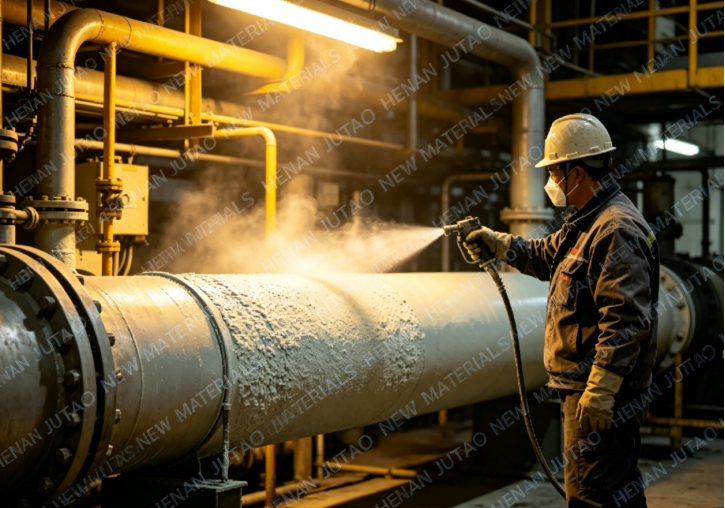
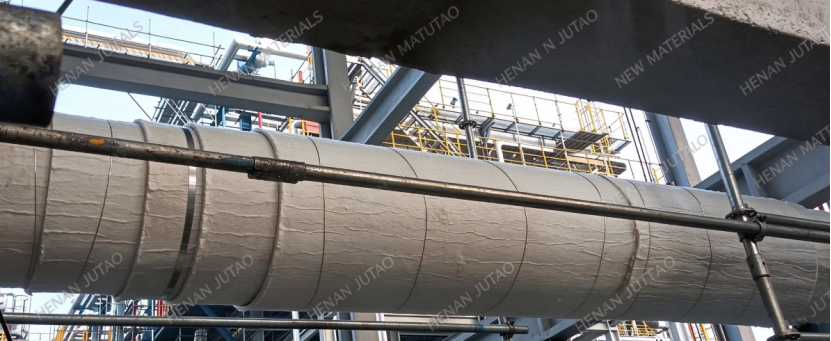
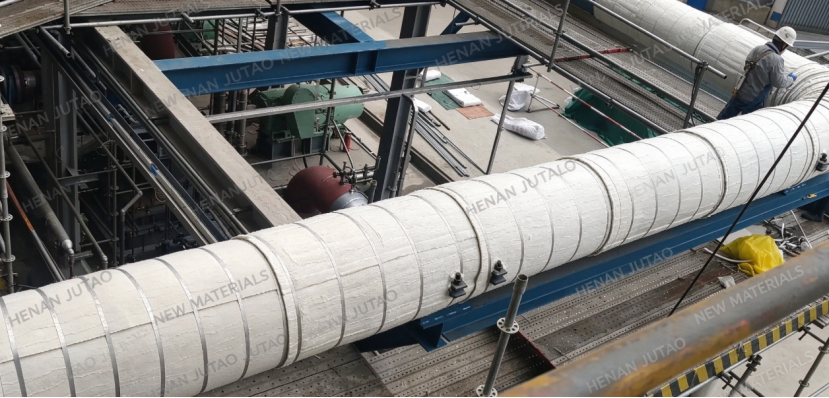
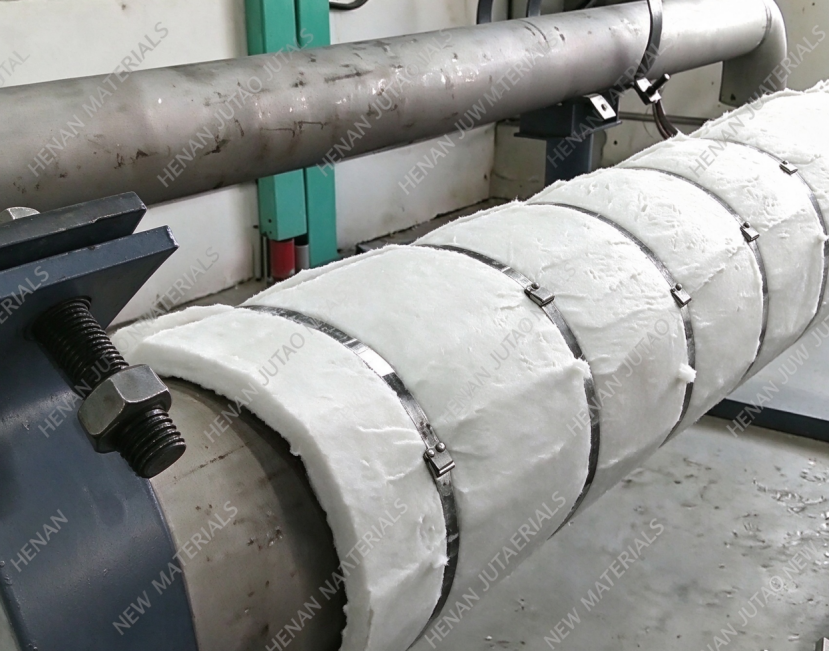
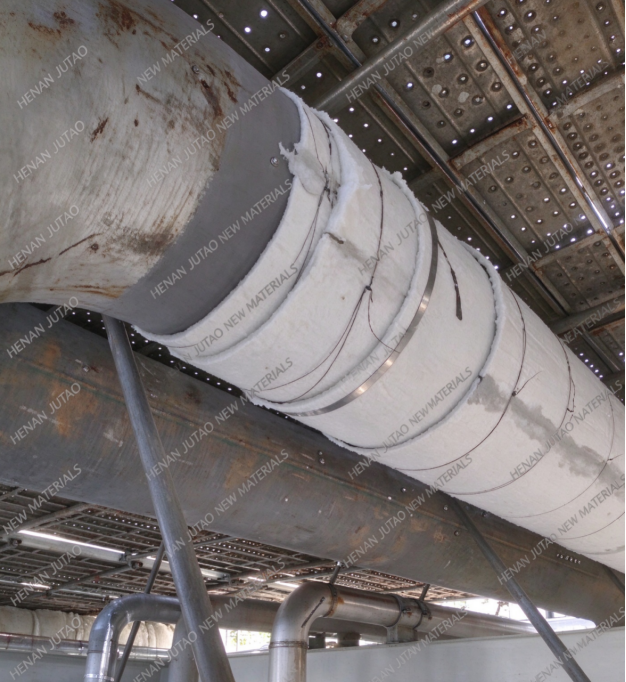
A contractor bidding a 200 metre DN150 steam line at a Jubail plant compared two quotes on the material price per square metre only. The mineral wool bid came in at USD 14 per square metre and the aerogel bid at USD 62 per square metre, so the buyer dropped aerogel. A post-job review showed the mineral wool build cost USD 103 per installed metre, while a 20 mm aerogel layer cost USD 80 per installed metre. The gap came from labour, jacketing, freight and two lost production days the material-only comparison missed.
Why Material Price Per Square Metre Is the Wrong Unit
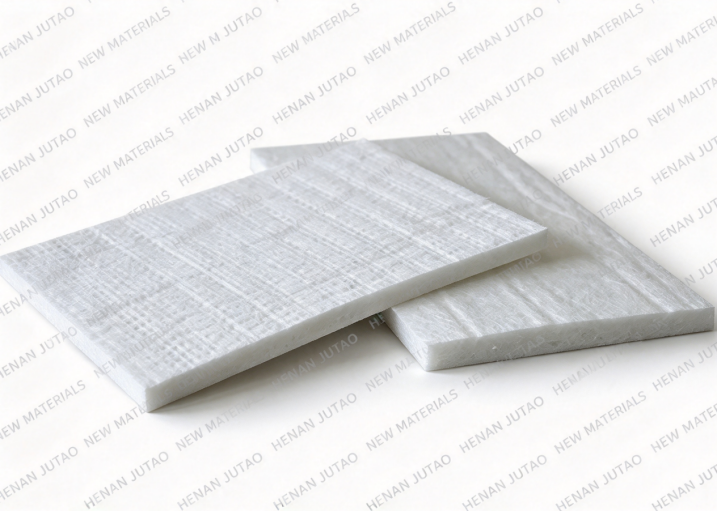
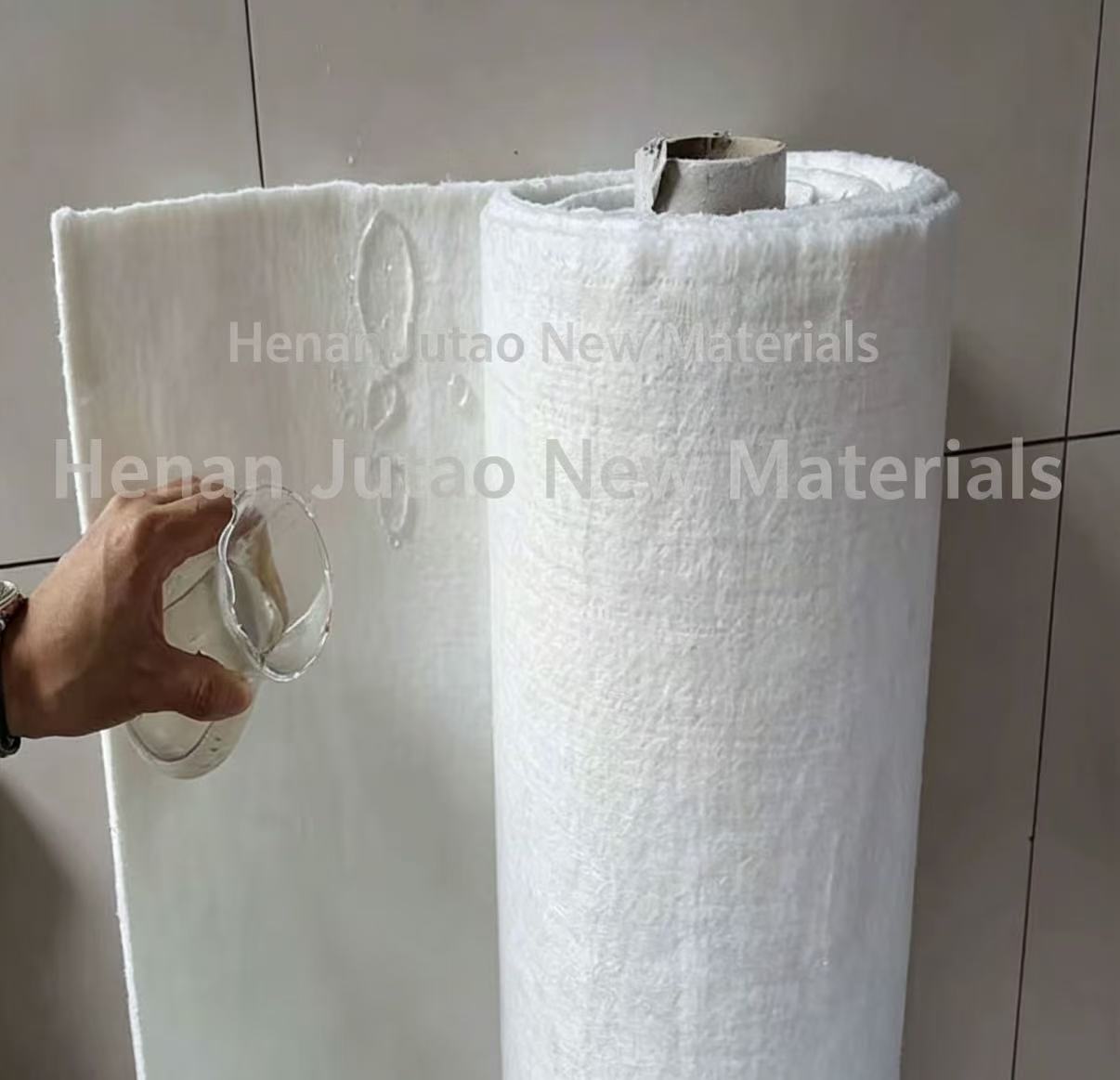
The winning number is the installed cost per metre of pipe, never the shelf price of the blanket. Buyers scoring bids on price per square metre over-buy thickness and under-count fitting cost. The right unit is all-in cost per metre covering material, labour, fixing, jacketing, supports, access and downtime. A thinner aerogel shifts cost from labour to material and usually wins once the full bucket opens. Every bid sheet should state installed USD per metre of pipe so both options share one line. Specify the OEM aerogel insulation blanket for thermal insulation on that unit from the start.
The Cost Buckets That Move With Thickness
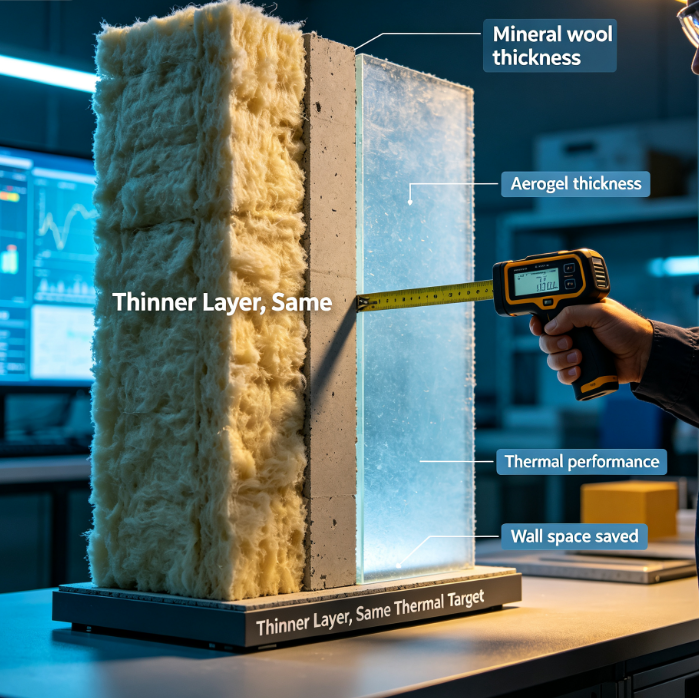
Thickness drives a chain of hidden costs that a square-metre quote hides. The main buckets are:
- Labour hours per metre rise with each added layer and with the circumference the crew must wrap.
- Number of layers and banding grows as thickness passes a single blanket width.
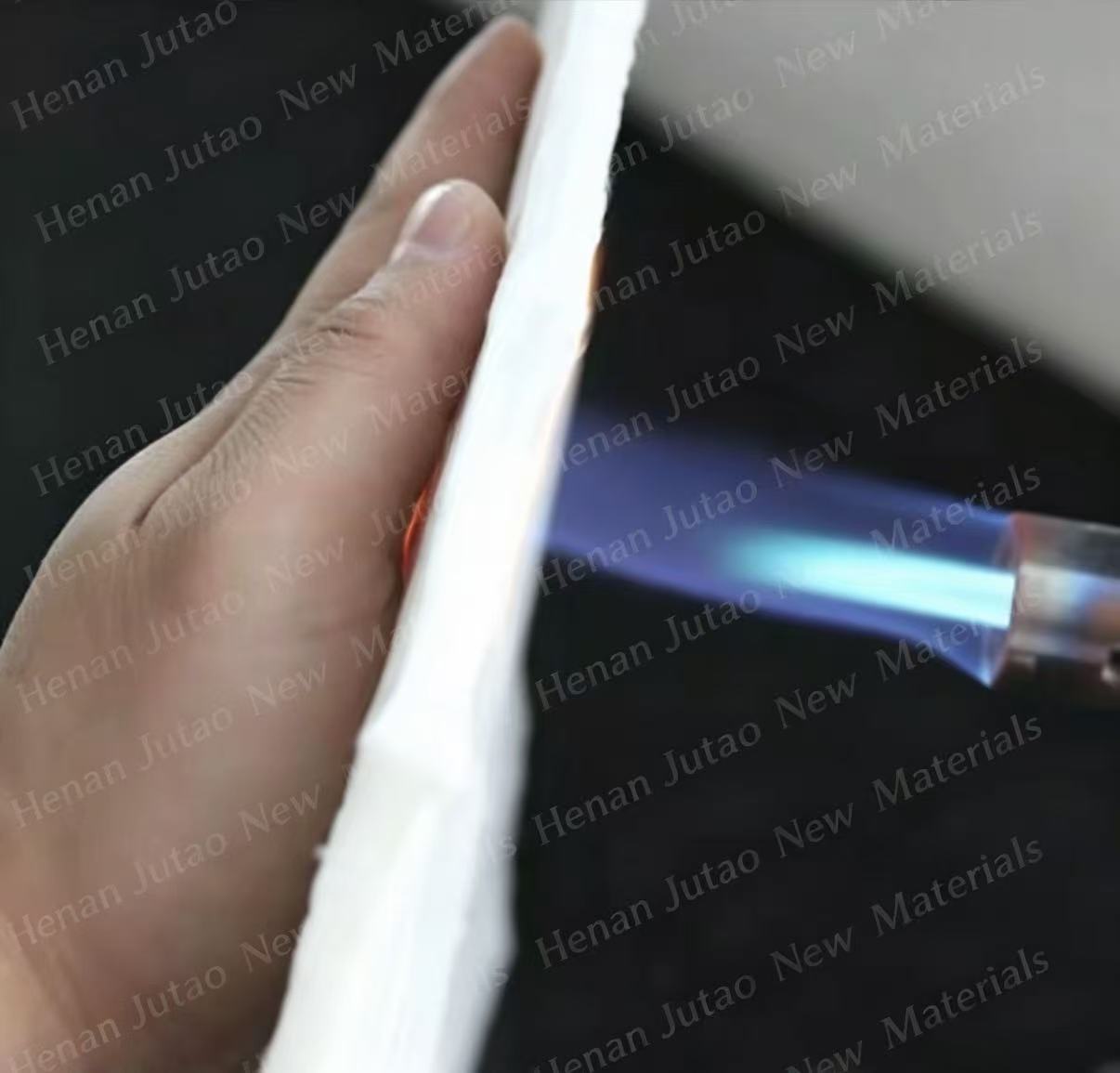
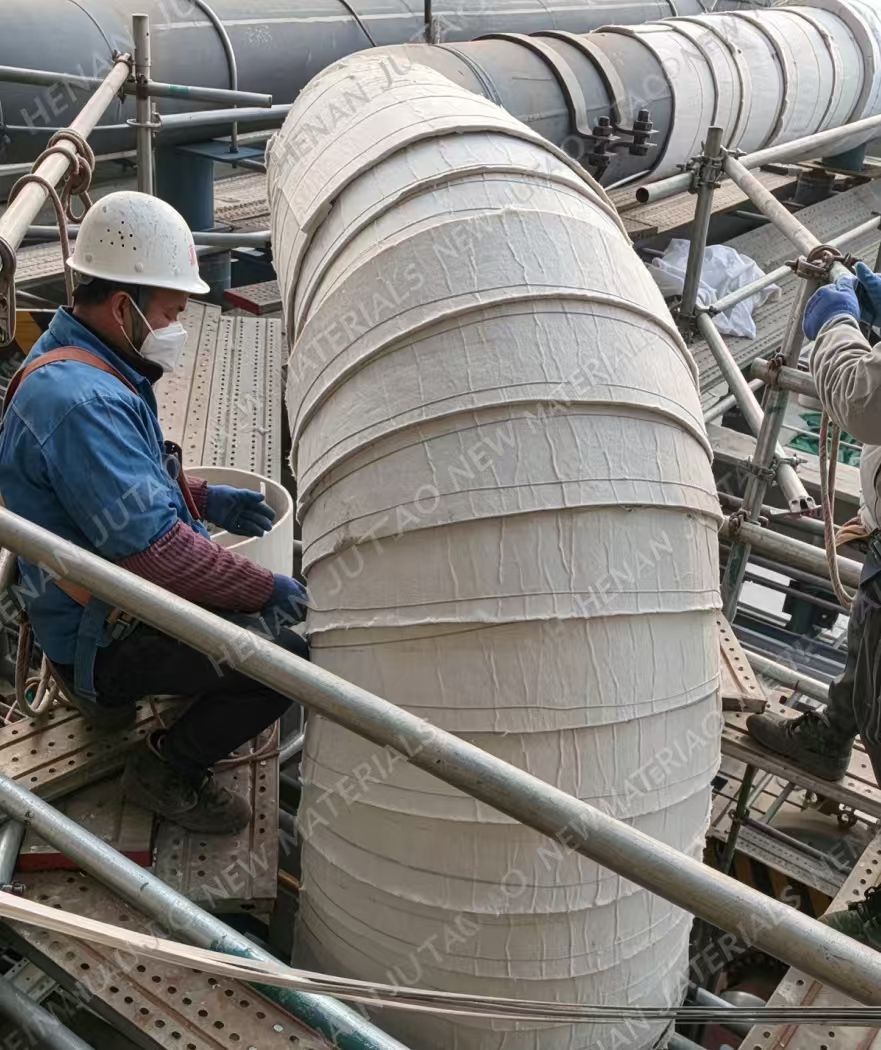
Heavier builds need wider metal jacketing and closer support and hanger, which add steel and welds. Scaffolding and access time scale with the physical volume around the line, so a 90 mm wrap needs 40 percent more access time than a 20 mm wrap. A thinner spec collapses buckets and is the fastest route to lower installed cost. The low thermal conductivity aerogel building insulation blanket keeps the same rating at a fraction of the depth.
Shipping Cube, Storage and the Container Cost of a Thick Spec
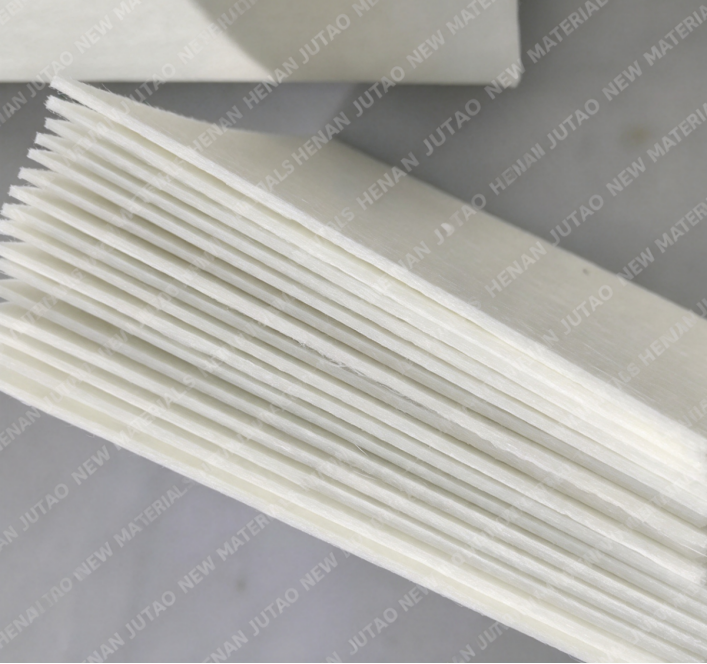
A thick mineral wool spec ships as low-density bulk that fills containers fast; the Jubail line needed 20 cubic metres of blanket for 200 metres, taking most of a container at USD 2,800 freight. The same line in 20 mm aerogel needed 2.6 cubic metres, fitting a partial load at USD 450 freight. Warehouse and cubic storage cost follow the same rule, and a dense thin product frees cube on both origin and site. Importers should add freight per installed metre to every comparison so the container cost is visible. Cold lines gain more from the advanced aerogel insulation blanket for cold systems.
Clearance and Interference: Where a Thick Build Will Not Fit
Plants often reject a thick wrap because it does not fit between pipe racks or under cable trays; on the Jubail job 90 mm mineral wool fouled the valve boxes and forced a redesign costing USD 6,500 in rework. A 20 mm aerogel layer keeps the original envelope and avoids the clash. Before bidding, measure the clear gap to adjacent racks, the valve box depth and tray underside, then confirm the maximum allowable thickness. Where clearance is tight, a thinner rated layer is the only build that passes the site survey.
A Worked Comparison on 200 Metres of DN150 Steam
Below is written in prose for direct paste into a bid. For a 200 metre DN150 steam line at 180°C, the two routes land as follows:
- Mineral wool 90 mm installed at USD 103 per metre: material 16, labour 32, jacketing 11, supports 2.4, scaffold 4.1, freight 14, lost production 24.
- Aerogel 20 mm installed at USD 80 per metre: material 40, labour 16, jacketing 6, supports 1.2, scaffold 2, freight 2.3, lost production 12.
Heat loss was 53 W per metre for mineral wool and 69 W per metre for aerogel, both inside the spec. The aerogel saved USD 23 per metre and USD 4,600 total while holding the same thermal envelope. The two lost production days on the thick build were the largest swing after material. For panel-faced runs the aluminium foil aerogel insulation panel JTA series.
Building the Comparison Sheet for the Bid
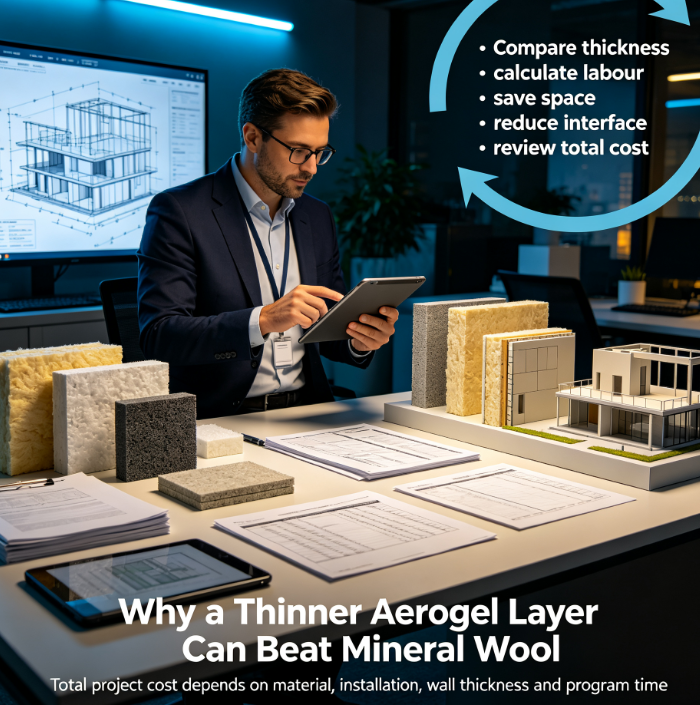
To stop the wrong number killing the aerogel option, build the bid sheet as a single installed-cost table with one row per bucket, listing material, labour, jacketing, supports, freight and downtime as separate lines showing the swing. Attach the thermal calculation for both thicknesses to prove the thin layer meets spec, adding a freight and storage line pulled from the container count, with a clearance check signed by the surveyor. A complete installed-cost sheet reframes the decision from price per square metre to value per metre, where aerogel usually wins.
When Thick Conventional Insulation Still Wins
Aerogel is not always the answer. On low-temperature and ambient lines where labour is cheap and clearance is open, a 150 mm mineral wool wrap can still beat aerogel because the material gap dominates. Where the spec allows very high thickness with no clearance limit and freight is pooled, conventional insulation holds the edge: the rule is simple: use aerogel when thickness drives labour or freight, staying with mineral wool when the material line alone matters. Judge it on the installed cost per metre, never the square-metre sticker.
The Bottom Line
Scoring insulation bids on material price per square metre hides the real cost and routinely throws away the cheaper job. The Jubail line proved a 20 mm aerogel layer beat 90 mm mineral wool by USD 23 per metre once labour, jacketing, freight and lost production were counted. Always bid and buy on the installed cost per metre of pipe, build the full cost bucket sheet, and let thickness compete on total project cost rather than on the blanket sticker.