



News










0102030405
In-Depth Analysis of Battery Thermal Runaway: Mechanisms, Propagation Paths and the Barrier Effect of Aerogel
2026-04-03
Introduction
Amid rapid development of the new energy industry, battery safety remains the “Sword of Damocles” hanging over the entire sector.
For energy storage system integrators and electric vehicle manufacturers, battery thermal runaway is not merely a technical term – it is the biggest obstacle to commercializing products.
When a single cell in a battery pack goes into runaway due to overheating, short circuit or mechanical damage, it instantly releases temperatures as high as 800°C to 1000°C, triggering a chain reaction that can cause the entire battery pack to catch fire or even explode.
As a professional materials buyer, how can you use the most efficient thermal insulation materials to block heat propagation within limited space?
The answer lies in a masterpiece of nanotechnology: aerogel.
Core Insight
Simple “thermal insulation” can no longer meet the requirements of modern battery packs.
What is needed is dual protection of ablation resistance and flame retardancy.
Using aerogel insulation as a thermal barrier between battery modules is currently the optimal solution to block thermal runaway propagation and buy critical escape time.
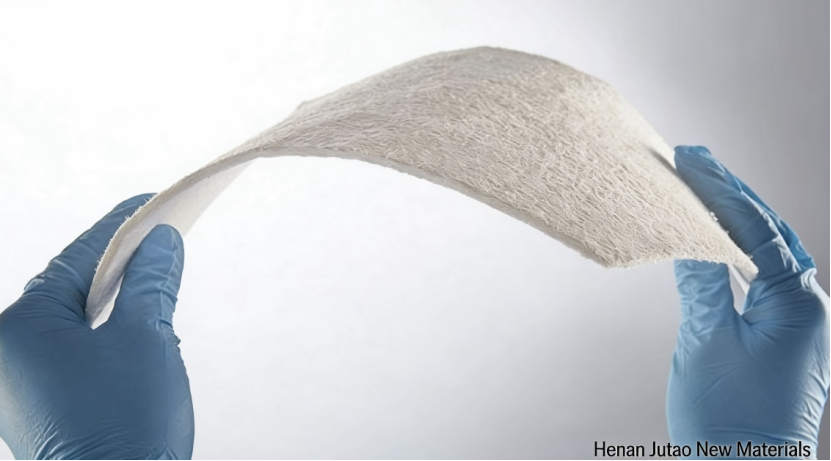
1. In-Depth Mechanism: The “Domino Effect” of Battery Thermal Runaway
To solve thermal runaway, we must first understand its three stages. This is not only a chemical reaction, but also an intense “heat arms race.”
Stage 1: Initiation
When a cell suffers external puncture, internal short circuit or overcharging, the internal separator shrinks or melts, causing direct contact between positive and negative electrodes.
Internal cell temperature rapidly rises to 100°C–130°C, initiating electrolyte decomposition.
Stage 2: Propagation
This is the most critical stage.
Cell temperature exceeds 200°C, triggering thermal decomposition that releases massive heat and flammable gases (hydrogen, methane, etc.).
Without effective heat insulation, high temperatures quickly transfer to adjacent cells.
Stage 3: Venting & Fire
Temperature surges to 400°C–1000°C, causing explosive cell venting that ejects flames and high-temperature particles.
Without robust Class A fire resistance materials, fire will engulf the entire system.
Therefore, the core of your sourcing strategy should not be “preventing cell explosion” (an electrochemical issue), but delaying or blocking lateral heat transfer.
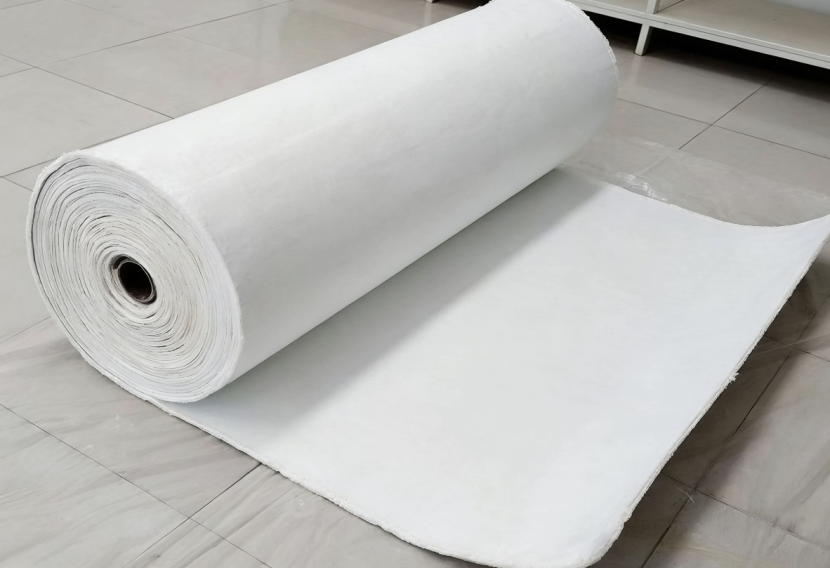
2. Physical Advantages of Aerogel: Why It Is the “Nemesis” of Thermal Runaway
Traditional insulation cotton, mica boards or ordinary foams carbonize and fail instantly under extreme 1000°C heat.
Aerogel material, with its unique nanoporous structure (porosity >90%), delivers exceptional physical performance.
Ultra-Low Thermal Conductivity
The aerogel blanket supplied by Jutao features an extremely low thermal conductivity of <0.018 W/m·K.
Like a layer of “solid air,” it locks in heat from failed cells and prevents transfer to neighboring units.
Excellent High-Temperature Resistance & Class A Fireproofing
Aerogel’s silica skeleton has a melting point above 1200°C.
At the 800°C peak of thermal runaway, aerogel maintains structural integrity without melting or dripping, providing Class A fire resistance for battery packs.
Lightweight & High Space Efficiency
Aerogel is much thinner than traditional ceramic fiber boards.
In space-constrained battery packs, aerogel insulation panels deliver multiple times the insulation performance of conventional materials without adding excess thickness.
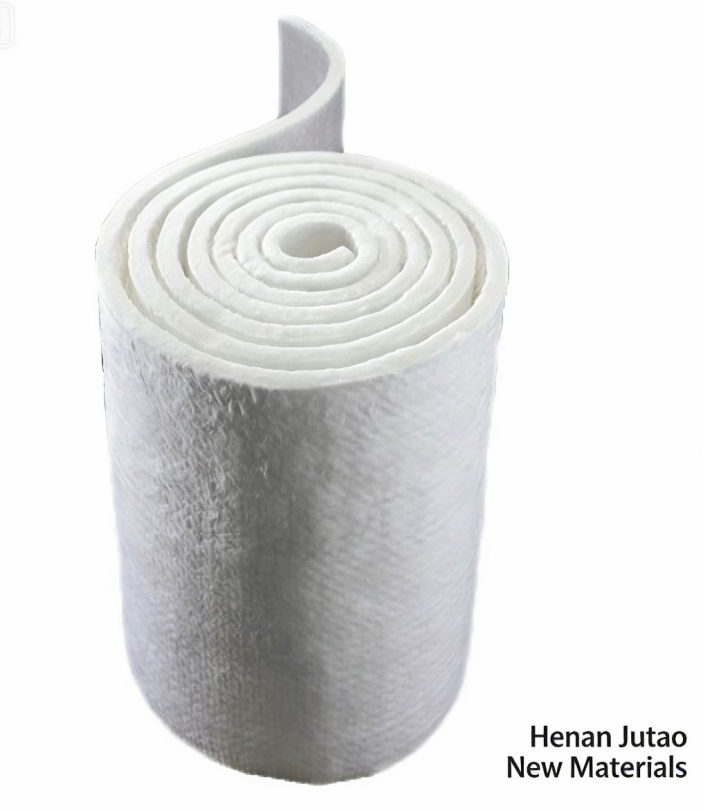
3. Practical Selection Guide: How to Choose the Right Aerogel Products for Battery Packs?
Not all aerogel is suitable for battery thermal runaway protection.
When evaluating suppliers such as Jutao, buyers must focus on these three key indicators:
A. Compression Set
Battery packs endure vibration and compression during assembly and use.
High-quality aerogel sheets must offer strong resilience to maintain tight contact and eliminate air gaps that weaken thermal barriers.
B. Low Dust Technology
This is often overlooked but critically important.
Traditional aerogel easily releases dust during cutting or compression, which can cause short circuits if it enters battery circuits.
Jutao’s low-dust aerogel uses special surface treatment to prevent dusting under extreme conditions, protecting battery safety.
C. Composite Structure
Pure aerogel is relatively brittle.
To withstand the mechanical environment of battery packs, composite insulation panels are preferred.
Examples include aerogel laminated with fiberglass cloth, PI film or aluminum foil, retaining thermal insulation while boosting mechanical strength.
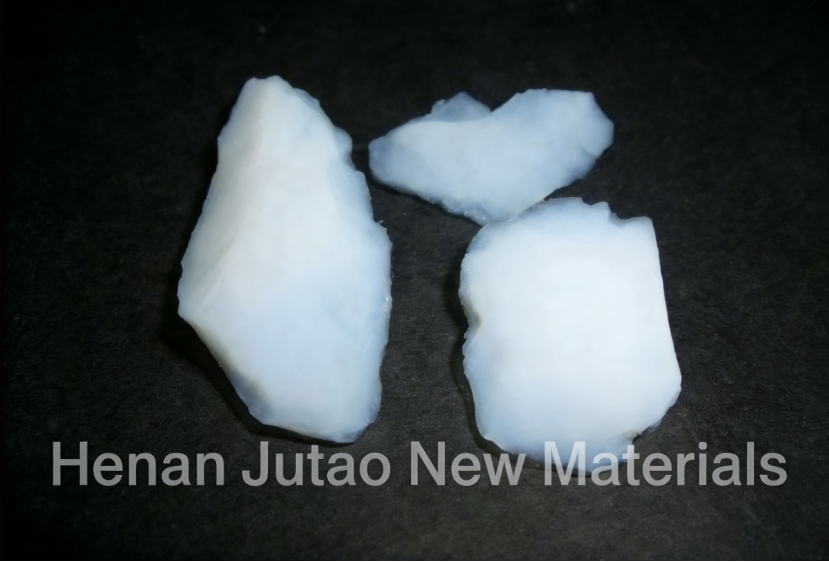
4. Application Scenarios: All-Round Protection from Cell to Module
In practical battery pack design, aerogel thermal barriers are mainly applied in two core areas:
Cell-to-Cell
Sheet aerogel placed between cylindrical or prismatic cells forms the first line of defense against thermal runaway.
When a single cell fails, aerogel absorbs and reflects large amounts of heat, protecting adjacent cells from ignition for a critical 5–10 minutes.
Module Top & Bottom Cover
Aerogel insulation strips or Vacuum Insulation Panels (VIP) serve as upper and lower module covers.
They block external heat intrusion and prevent internal heat from spreading upward, safeguarding electronic components above the battery pack.
Expert Tip
As standards for energy storage and electric vehicles become stricter (such as UL 9540A), relying solely on BMS (Battery Management System) is no longer sufficient.
Passive safety has become a decisive factor in procurement decisions.
Certified aerogel thermal barriers are your key to passing safety certifications and winning high-end European and American markets.
5. Conclusion: Investing in Safety Is Investing in the Future
Battery thermal runaway is not terrifying – what is terrifying is the lack of effective physical blocking solutions.
Henan Jutao New Material has 10 years of industry experience, with an aerogel insulation product line covering full solutions from rolls to custom panels.
As a buyer, your mission is not only to find low-cost materials, but to secure reliable safety solutions.
Using aerogel as a “firewall” in battery packs significantly improves safety ratings and positions your brand as safe and reliable in competitive markets.
Now is the time to re-evaluate your battery pack thermal management strategy.