Industry News
0102030405
How to Choose the Right Aerogel Insulation for Your Project
2026-07-20
During project planning, selecting the optimal aerogel insulation solution for specific operating conditions is a critical decision to ensure energy efficiency and safety. Faced with a wide range of aerogel blankets, composite panels, and vacuum insulation panels (VIPs) on the market, buyers and engineers must conduct rigorous evaluations based on technical parameters and application scenarios. This article systematically outlines the selection logic from core performance metrics, helping global buyers accurately identify the materials they need.
1. Define the Project’s Operating Temperature Range (Primary Selection Criterion)
Clarifying the project’s operating temperature range is the first and foremost step in screening aerogel insulation products. Different models of aerogel blankets have vastly different design temperature tolerances. For example, for cryogenic applications such as liquefied natural gas (LNG) transportation, you must select models rated for temperatures as low as -200°C. Conversely, high-temperature industrial piping may require products that can withstand temperatures exceeding 650°C.
If the material operates long-term beyond its rated temperature, its nanoporous structure may collapse, leading to a sharp rise in thermal conductivity and complete insulation failure. Therefore, verifying the long-term operating temperature (not just the instantaneous resistance value) is critical.
2. Thermal Conductivity: The Core Metric for Insulation Efficiency
Thermal conductivity data is the core basis for judging the efficiency of aerogel insulation. High-quality aerogel blankets typically have a thermal conductivity below 0.018 W/m·K, with some high-performance models achieving values below 0.017 W/m·K—far lower than traditional mineral wool.
In space-constrained projects, such as offshore platforms or densely packed pipe racks, the ultra-low thermal conductivity of aerogel allows for a significant reduction in insulation thickness. Aerogel insulation is often only 1/4 to 1/3 the thickness of traditional materials, freeing up valuable space and reducing structural loads. When comparing parameters, always confirm that the test conditions are at the 25°C standard environment to avoid data discrepancies.
3. Physical Form & Installation Compatibility for Complex Structures
The physical form and installation compatibility determine whether the material can effectively cover complex engineering structures.
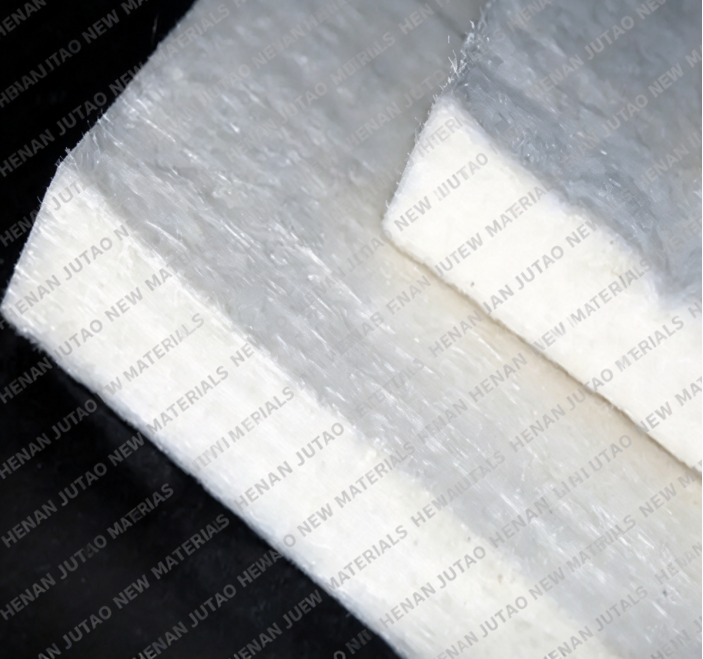
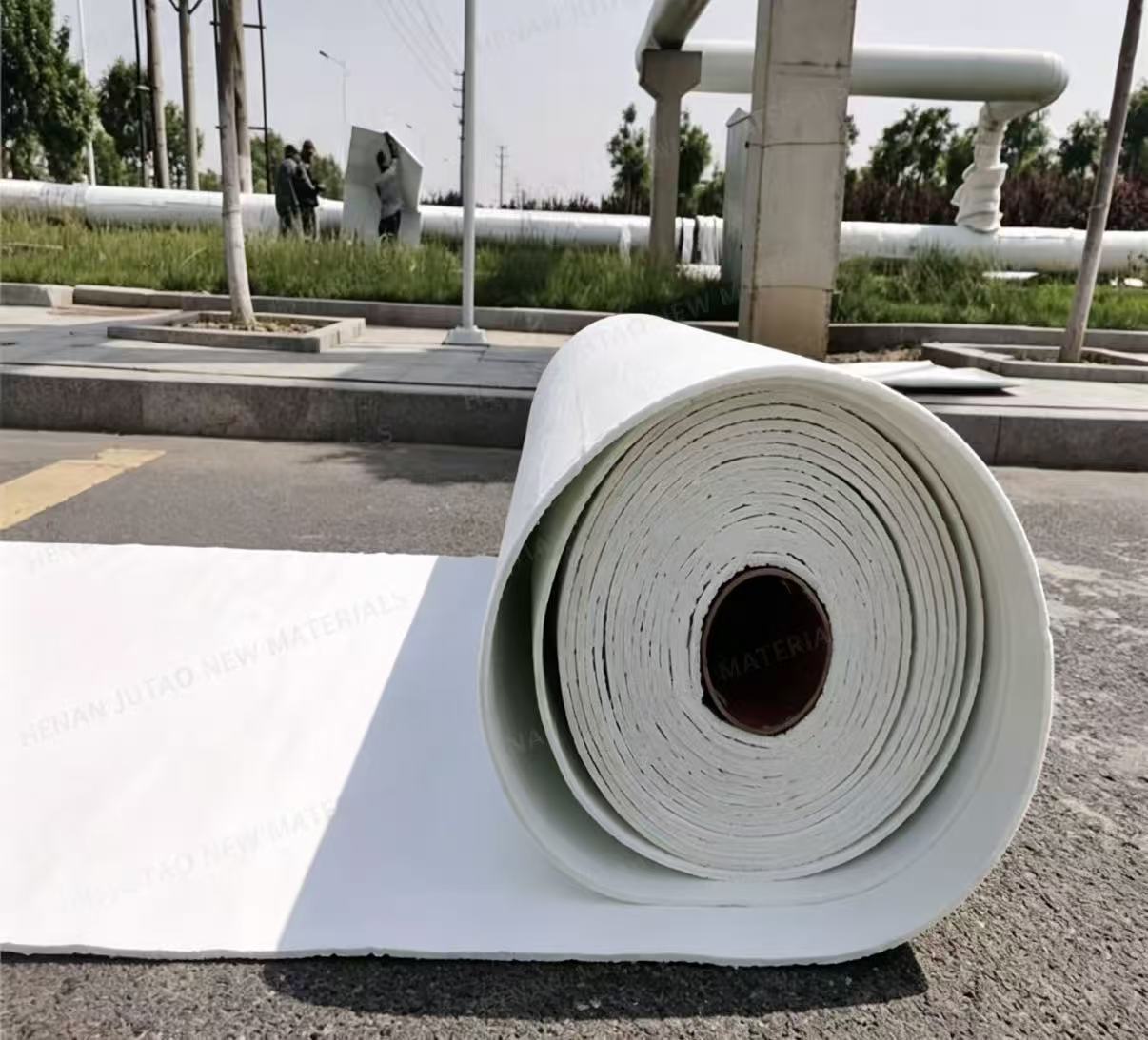
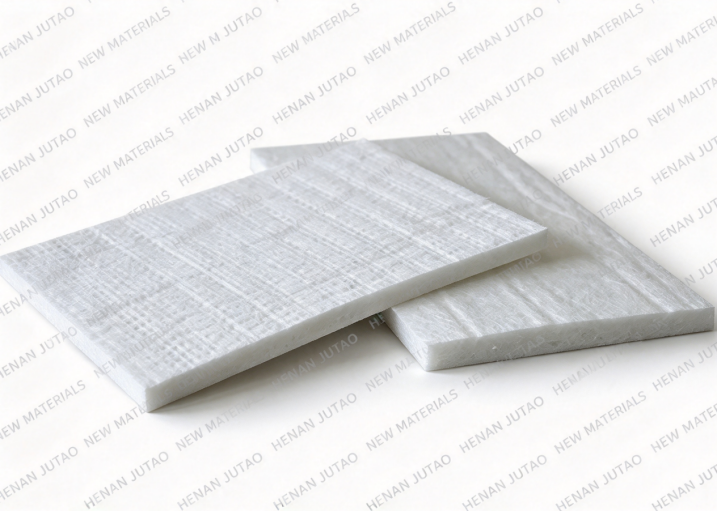
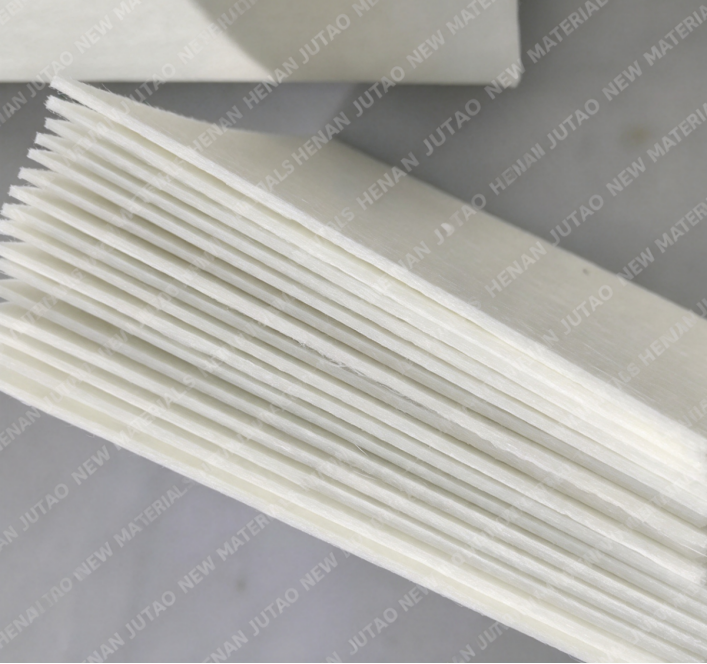
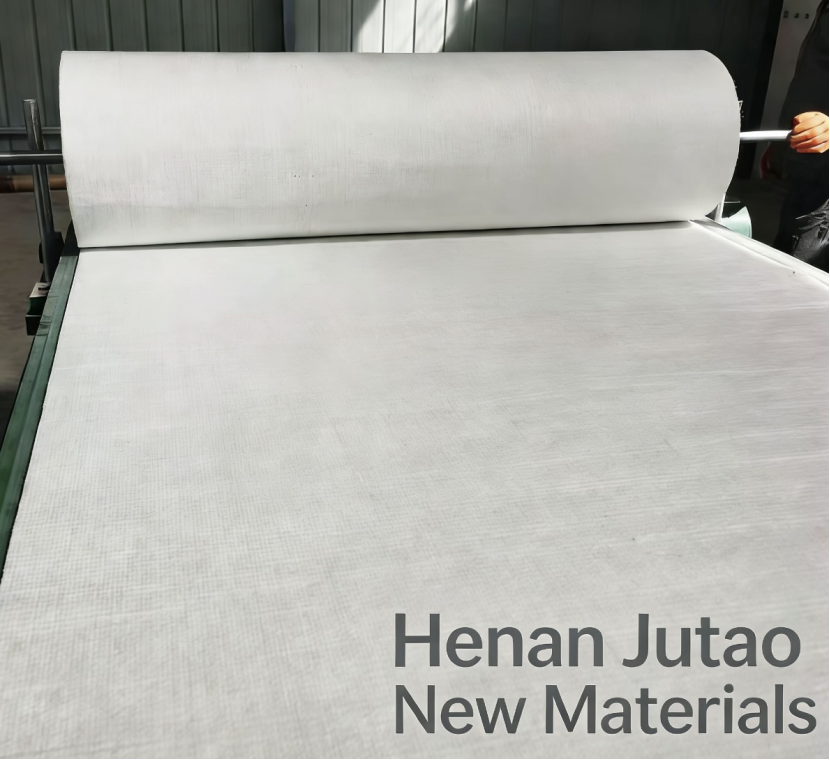
- Aerogel Blankets: Highly flexible, they are ideal for wrapping valves, flanges, and curved pipes. They effectively reduce thermal bridging and feature low dust emission, improving the installation environment.
- Composite Insulation Panels: Better suited for flat walls or exterior applications requiring high compressive strength.
- Vacuum Insulation Panels (VIPs): For extremely thickness-limited, dry, and sealed scenarios (e.g., home appliances, cold chain), VIPs offer ultra-high thermal resistance with a thermal conductivity below 0.005 W/m·K. However, they are rigid, fragile, and cannot be folded or cut. Once damaged and air enters, they lose all insulating properties. Selection must balance these installation risks.
4. Fire Safety & Hydrophobic Performance: Non-Negotiable Industrial Standards
Fire resistance rating and hydrophobic performance are mandatory indicators for industrial and construction applications.
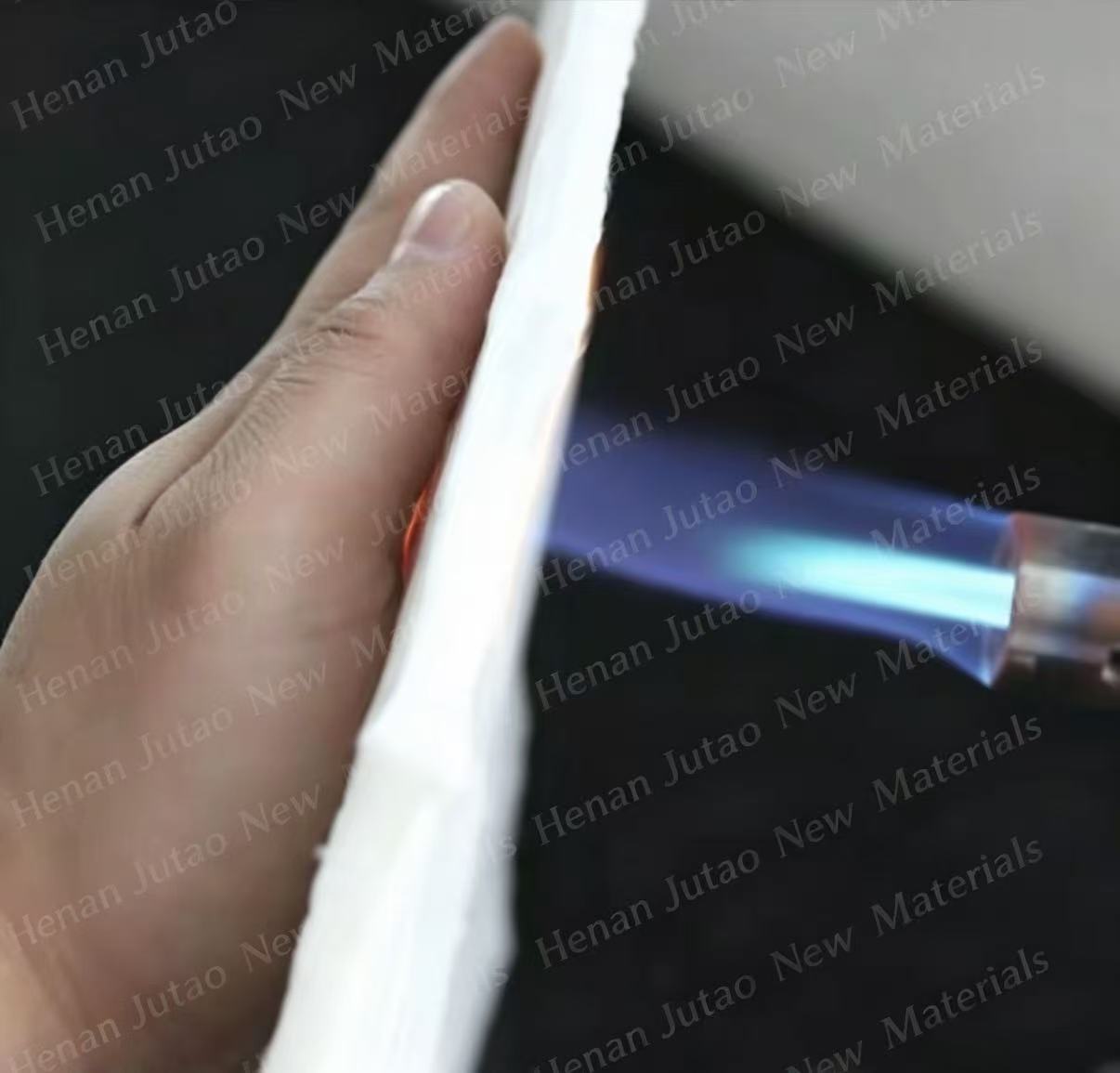
- Silica-based aerogels are inherently non-combustible and meet Class A fire resistance standards. This is critical for petrochemical, power, and battery thermal management applications, as it delays the spread of thermal runaway.
- High-grade aerogel products typically have a hydrophobicity rate of over 98%, resisting high humidity and condensate erosion. This prevents a deterioration in thermal conductivity due to moisture absorption and corrosion of underlying pipes.
- In contrast, the outer membrane of vacuum insulation panels often requires additional fire protection layers—a factor that cannot be overlooked during selection.
5. Mechanical Strength & Environmental Durability: Impact on Lifecycle Cost
Mechanical strength and environmental durability directly impact the total lifecycle cost of the project.
- Pure aerogel is brittle; commercial products are usually fiber-reinforced to improve tear and compression resistance.
- For vibrating transport equipment or industrial machinery requiring frequent maintenance, select reinforced blankets with a moderate density (e.g., 170–180 kg/m³) and strong physical damage resistance.
- Service life is another key consideration. Aerogel materials have a stable structure and long service life. In contrast, vacuum insulation panels rely on maintaining a vacuum for performance, and their lifespan is limited by sealing technology, typically ranging from 10 to 25 years. Large infrastructure projects must evaluate the feasibility of replacement and maintenance.
6. Tailor Selection to Specific Industry Requirements
Finally, refine the model selection based on the unique requirements of your specific application field:
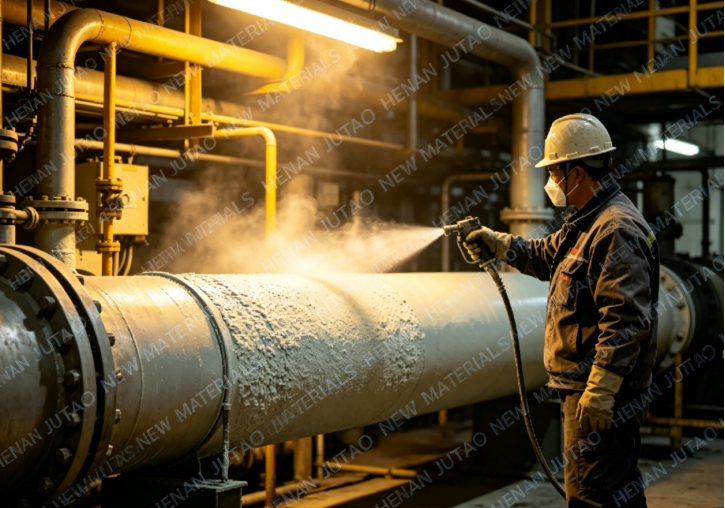
- Oil & Gas / Industrial Piping: Prioritize low-temperature pulverization resistance and anti-corrosion properties.
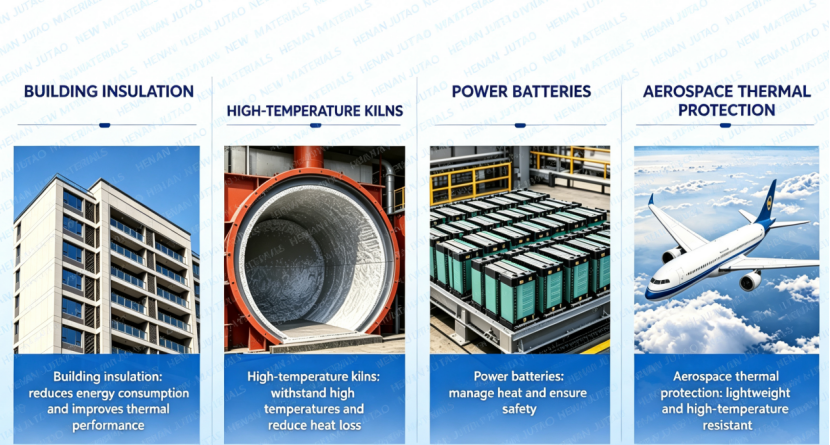
- Electronics / Battery Packs: Focus on ultra-thin film forms and high-temperature barrier capabilities.
- Building Construction: May prefer composite panels that also offer sound insulation.
By comparing thickness options (e.g., 3mm to 10mm) across different series (such as the JT series) and verifying certification documents, you can lock in the solution that best fits your project’s budget and technical specifications.