








How Do Aerogel Insulation Products Work?
An Explanation from Aerogel Manufacturers
Aerogel manufacturers would like to explain how aerogel insulation products achieve their outstanding thermal insulation performance.
Aerogel, also known as dry gel, has an extremely low density—only about 2.75 times that of air—making it one of the lightest solid materials known. According to their composition, aerogels can be classified into carbon-based, silica-based, sulphur-based, metal oxide-based and metal-based aerogels. Among these, silica aerogel is currently the most widely developed and commercially applied.
Structural Characteristics of Aerogel
Aerogel is a lightweight nanostructured porous material characterised by:
- Nanometre-scale pore structure: typical pore sizes are below 50 nm, with skeletal particles measuring 1–20 nm
- Extremely high specific surface area: up to 800–1,000 m²/g
- Very high porosity: ranging from 80% to 99.8%
In general, even at temperatures of around 800°C, aerogel maintains its structural integrity and functional performance with no significant degradation. This makes aerogel an unrivalled choice for high-temperature thermal insulation applications.

Thermal Insulation Mechanism of Aerogel
The exceptional insulation performance of aerogel is achieved by simultaneously suppressing convection, radiation and thermal conduction:
- Convection Suppression
When the pore diameter of aerogel is smaller than 70 nm, air molecules inside the pores lose their ability to move freely and tend to adhere to the pore walls. As a result, the internal environment approaches a near-vacuum state, effectively eliminating convective heat transfer.
- Radiation Reduction
Aerogel consists of a vast number of nanoscale pores and has an extremely low bulk density. This means the number of internal pore walls approaches an “almost infinite” level, with each pore wall acting as a thermal radiation barrier. Together, these “countless thermal shields” reduce radiative heat transfer to a minimum.
- Thermal Conduction Limitation
Due to the presence of an almost infinite number of nanopores, heat within the solid phase can only travel along the pore walls. These interconnected pore walls create an “ultra-long heat transfer path”, dramatically lowering the solid’s ability to conduct heat.
Advantages over Conventional Insulation Materials
Compared with traditional insulation materials, nanoporous aerogel insulation products are significantly lighter and thinner while delivering the same or even superior thermal insulation performance. They offer excellent thermal stability, resistance to thermal shock, heat insulation and heat retention.
Aerogel insulation can replace conventional mineral wool in buildings, providing both effective insulation and thermal comfort. In high-rise buildings, aerogel-based solutions can even replace conventional curtain wall glass, substantially reducing building weight while improving fire safety performance.
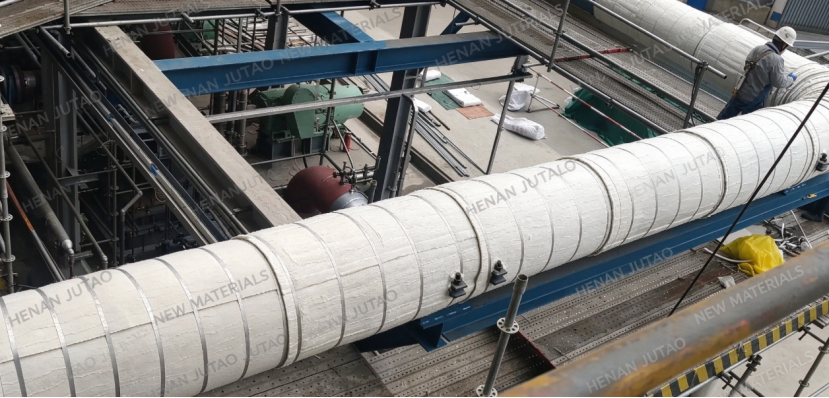
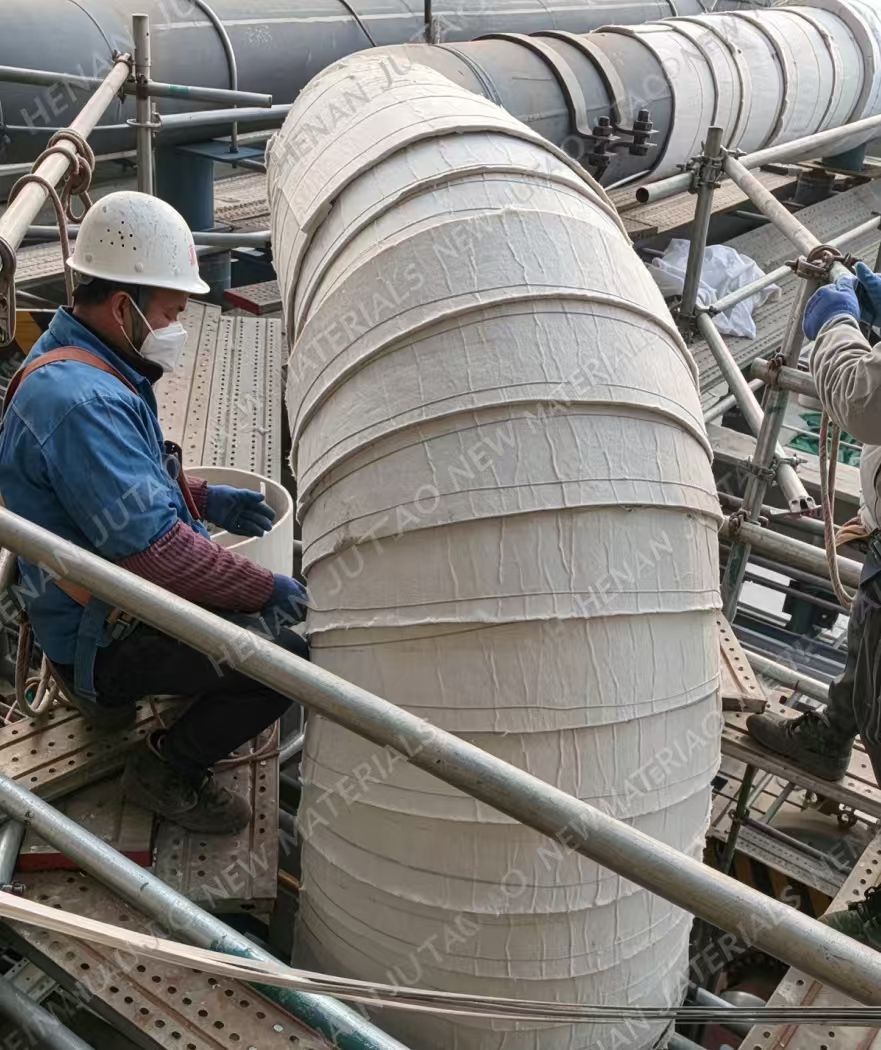
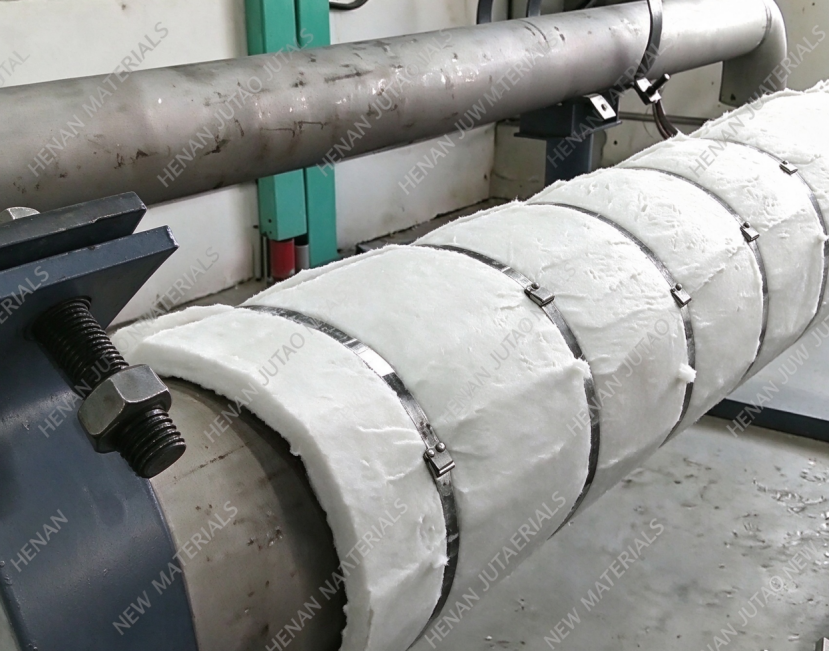
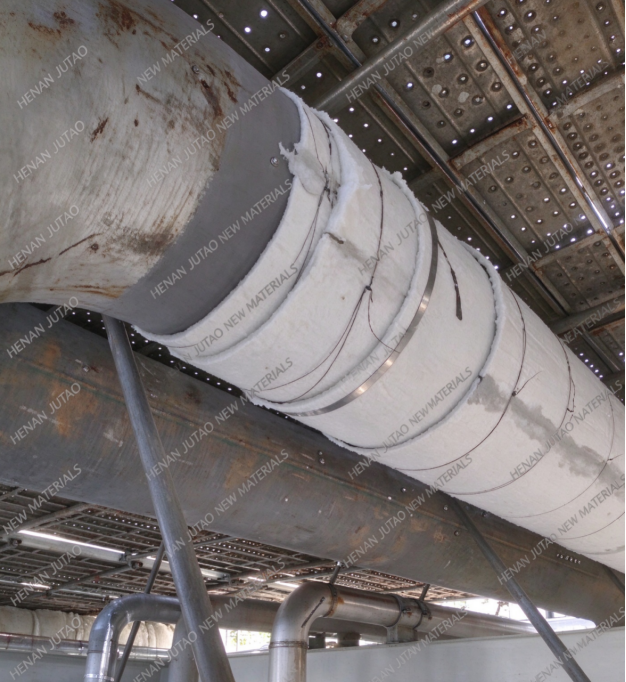
In addition, replacing traditional insulation materials with aerogel composite insulation products on pipelines, kilns and other thermal equipment can significantly reduce heat loss.
When nanoporous super-insulating aerogel is applied to solar water heater storage tanks, pipelines and collectors, heat collection efficiency can increase by more than 100%, while heat loss can be reduced to less than 30% of current levels.
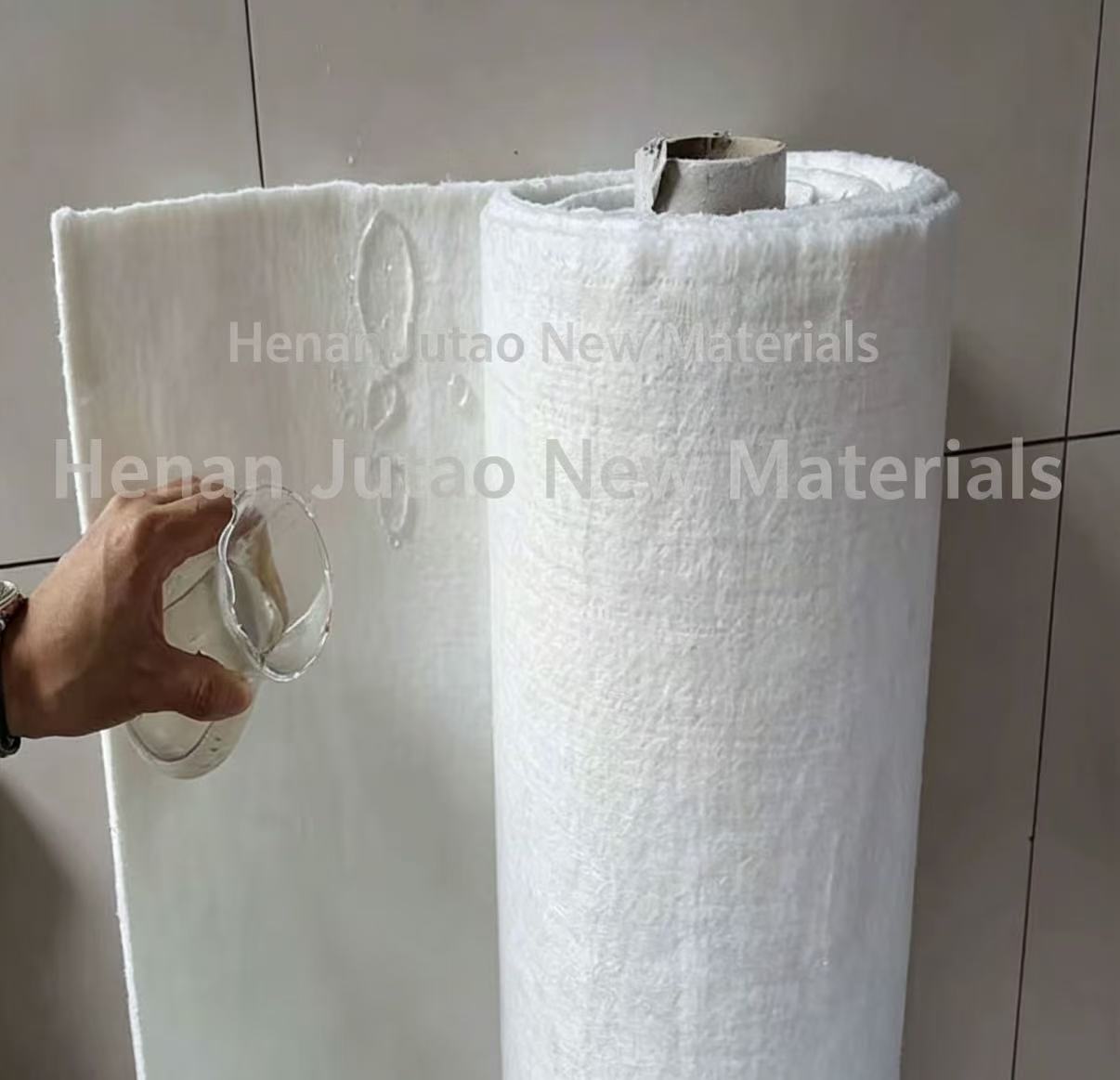
Moreover, aerogel insulation materials remain non-powdering, non-brittle, non-ageing and resistant to mould growth over long-term use. Their functional performance remains stable, and their service life can match that of the building itself.
Jutao Environmental Technology — Specialists in Aerogel Material Solutions
Stay connected with us for the latest updates, industry insights and application solutions in the aerogel sector.