













Flexible Aerogel Factory Functions of Vacuum Insulation Panels (VIP)
Vacuum insulation panels (VIP) are a type of building material that belongs to vacuum insulation materials. They are widely used in the construction and decoration industry. Like many building materials, vacuum insulation panels have both advantages and disadvantages, but they offer a wide range of functions. For those who are new to renovation, this material may still be unfamiliar. Below is a detailed introduction.
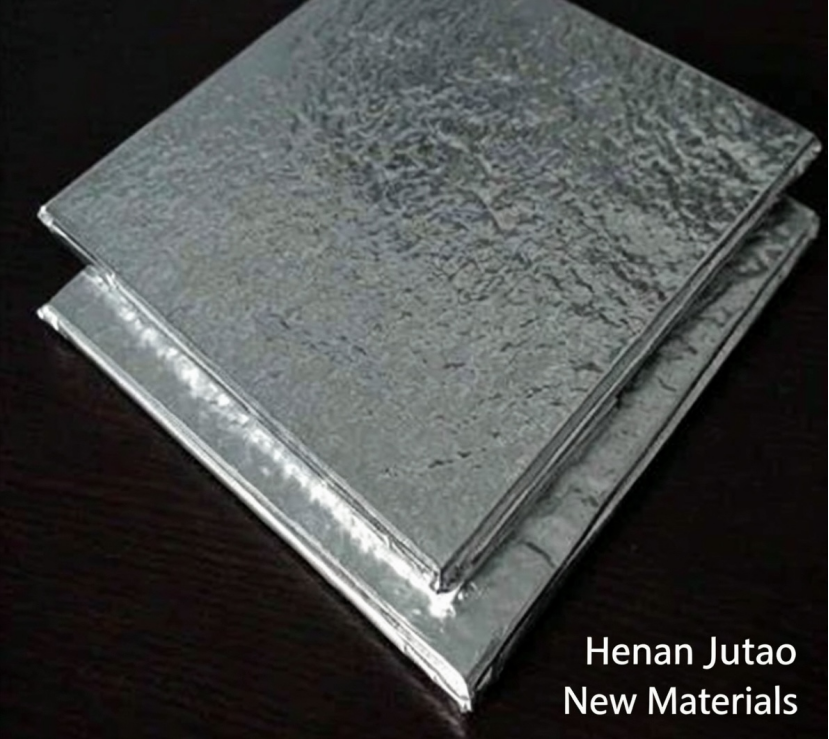
Vacuum insulation panels offer excellent thermal insulation performance, low thermal conductivity, and low water absorption. In addition, they achieve Class A fire performance, making them highly suitable for modern building requirements. However, they also have some disadvantages. The cost of vacuum insulation panels is relatively high, and since they are prefabricated products, they cannot be cut during installation. Furthermore, the installation process is relatively complex, resulting in a longer construction period. During installation and use, they can also be more vulnerable to damage if not handled properly.
Main Functions of Vacuum Insulation Panels
- Structural Support Function
Vacuum insulation panels can support the panel walls, preventing the barrier film from shrinking or collapsing after vacuum sealing.
- Reduction of Gas Heat Transfer
Vacuum insulation panels can control gas thermal conduction and convection. The core material restricts the movement of gas molecules within the VIP, thereby reducing heat transfer caused by gas conduction and convection.
- Infrared Radiation Shielding
Vacuum insulation panels provide infrared shielding and scattering effects. Under high vacuum conditions, radiation becomes the main form of heat transfer. The VIP core material absorbs and scatters infrared radiation, effectively reducing heat transfer.
Jutao Environmental Technology — Specialists in Aerogel Material Solutions
Stay connected with us for the latest updates, industry insights and application solutions in the aerogel sector.