












Flexible Aerogel Factory Differences Between Carbon Aerogels and Carbon-Fibre Aerogels
“Although carbon aerogels and carbon-fibre aerogels differ by only one word in name, their functions and applications are entirely different. Below is a clear explanation of the key differences between carbon aerogels and carbon-fibre aerogels.”
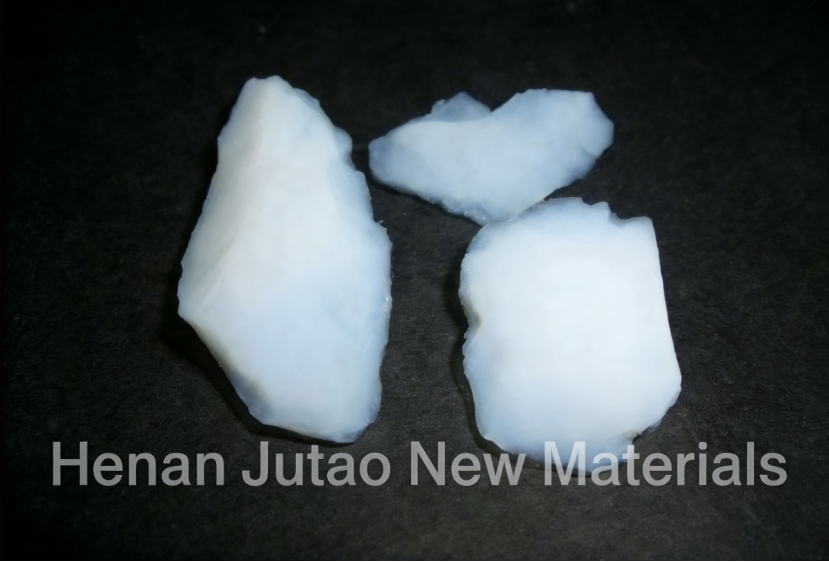
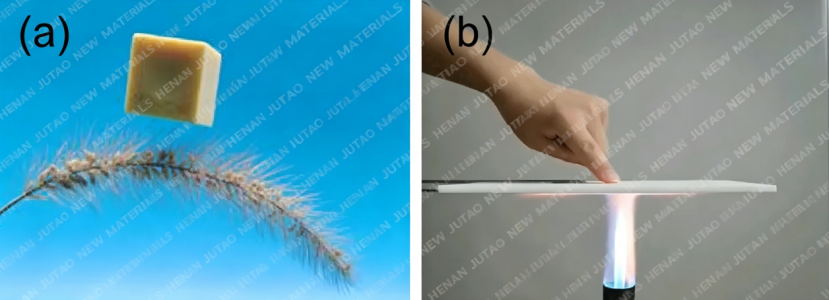
Carbon aerogels are a type of ultra-lightweight material developed only in recent years. Their density can be as low as approximately 0.16 mg per cubic centimetre, which is about one-sixth the density of air. This makes carbon aerogels one of the lightest solid materials ever developed worldwide. It is important to note that carbon aerogels and carbon-fibre aerogels are completely different materials and should not be confused. So, what exactly are the differences between them? The following sections provide a detailed explanation.
- Differences in Application
The first major difference lies in their application fields.
Due to their extremely low density and ultra-light solid structure, carbon aerogels are mainly used in areas such as seawater desalination. Seawater desalination refers to the process of removing salt from seawater to produce fresh, drinkable water. Carbon aerogels can facilitate efficient desalination, supporting the recycling and sustainable use of water resources.
Carbon-fibre aerogels, on the other hand, combine aerogel materials with carbon fibres and are more commonly used in thermal insulation applications. They offer excellent insulation performance and are widely applied where efficient heat protection is required.
- Differences in Function
The second difference is their functional role. As mentioned earlier, these two materials are fundamentally different products.
Carbon aerogels can be used to provide resistance-control or buffering effects in electrical circuits, helping to prevent excessive resistance and improving electrical safety.
Carbon-fibre aerogels not only serve as high-performance thermal insulation materials in construction, but are also used in scientific research and experimental applications due to their mechanical strength and thermal stability.
- Differences in Material Composition
The third difference lies in their material composition.
Carbon-fibre aerogels use carbon fibre as the primary structural material, combined with aerogel. Aerogel itself is a material once listed in the Guinness World Records due to its extremely low density, approximately 2.75 times that of air. The addition of carbon fibres enhances structural strength and usability.
Carbon aerogels, by contrast, are more similar in structure to silica aerogels and feature an extremely low density with a highly porous network, focusing on lightweight and functional performance rather than reinforcement.
Conclusion
Although carbon aerogels and carbon-fibre aerogels may appear similar in name, they differ significantly in application, function, and material composition. Understanding these differences helps ensure the correct selection of materials for specific industrial, environmental, or scientific uses.
Jutao Environmental Technology — Specialists in Aerogel Material Solutions
Stay connected with us for the latest updates, industry insights and application solutions in the aerogel sector.