








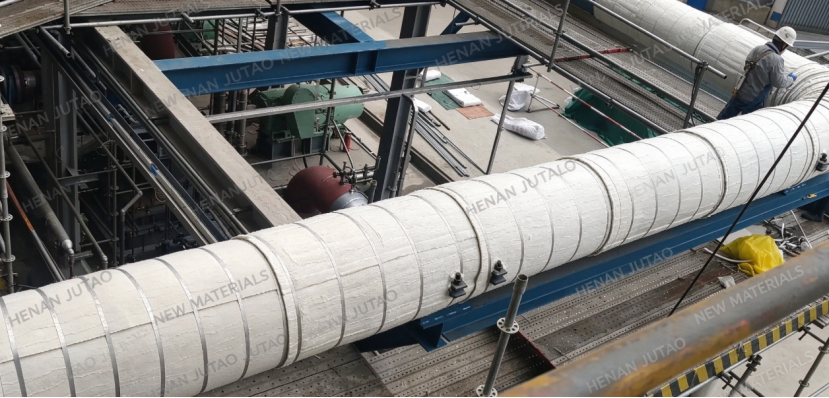
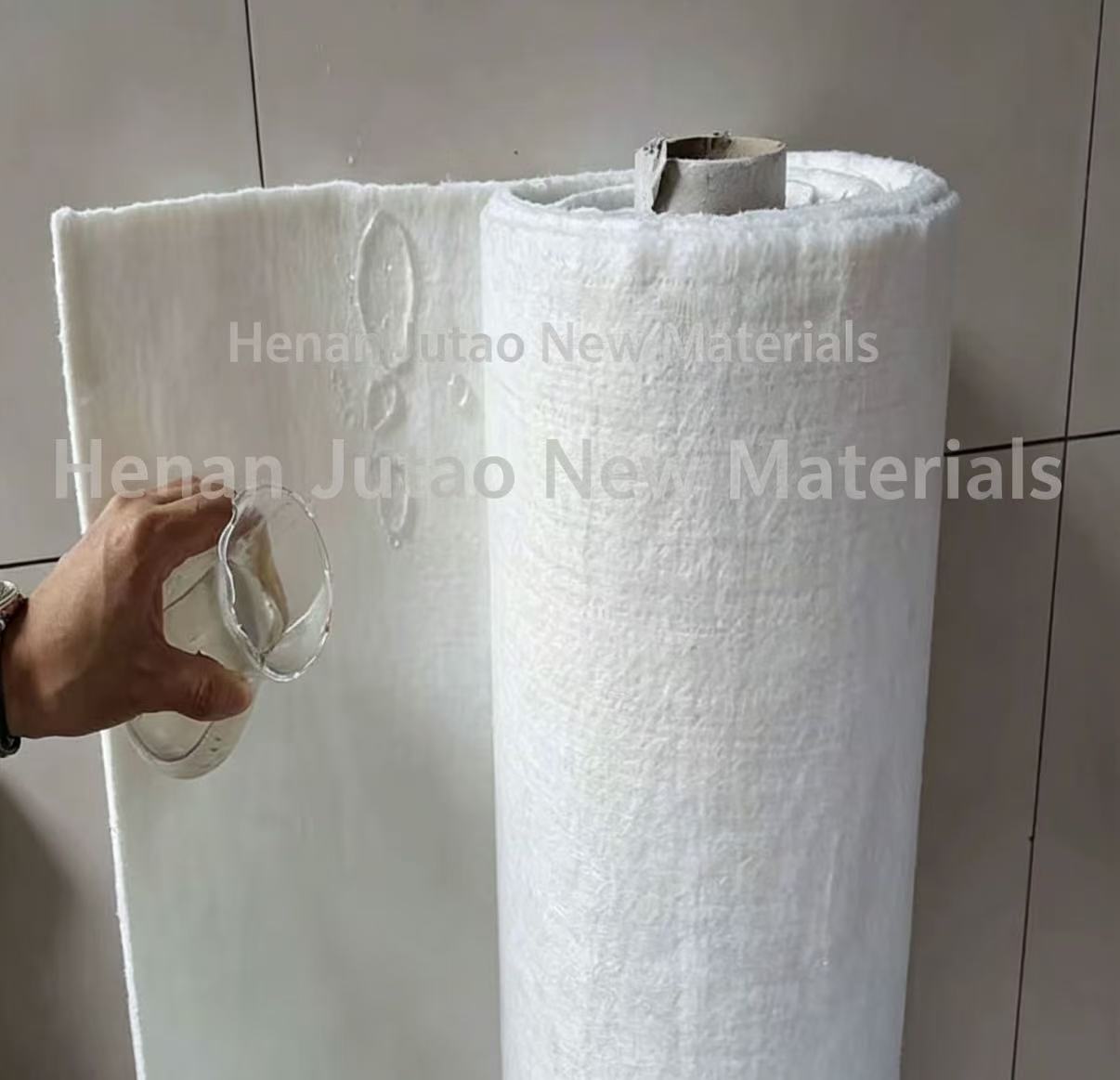
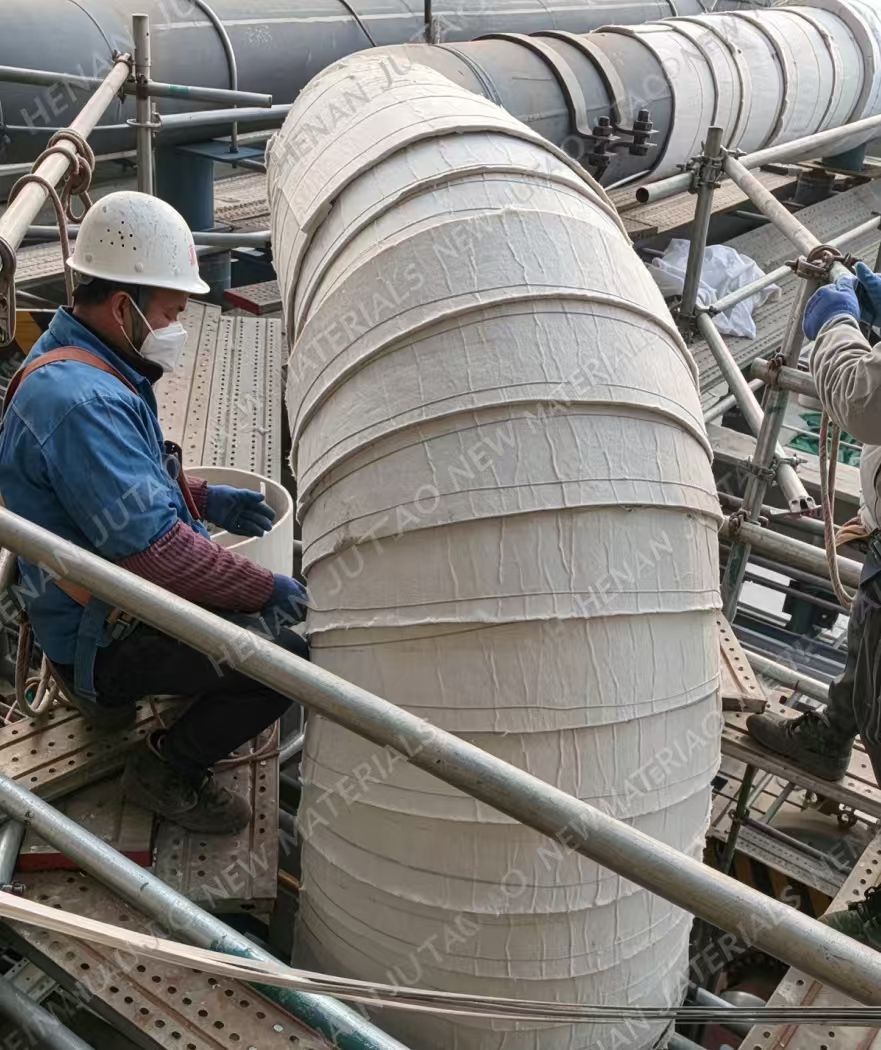
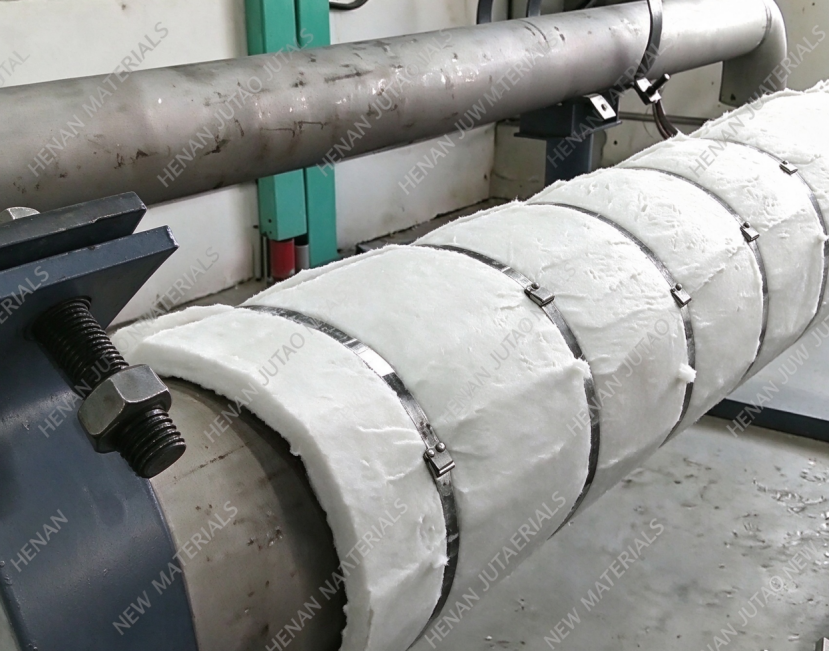
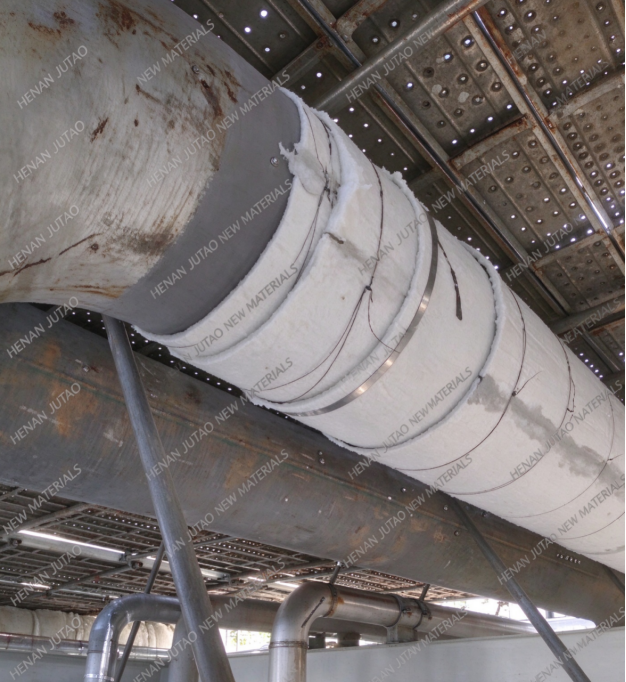
Flexible Aerogel Factory Application of Noise Reduction Technology Based on Fiber-Reinforced Aerogel Insulation Panels
A Study on the Application of Noise Reduction Technology Using Fiber-Reinforced Aerogel Insulation Panels
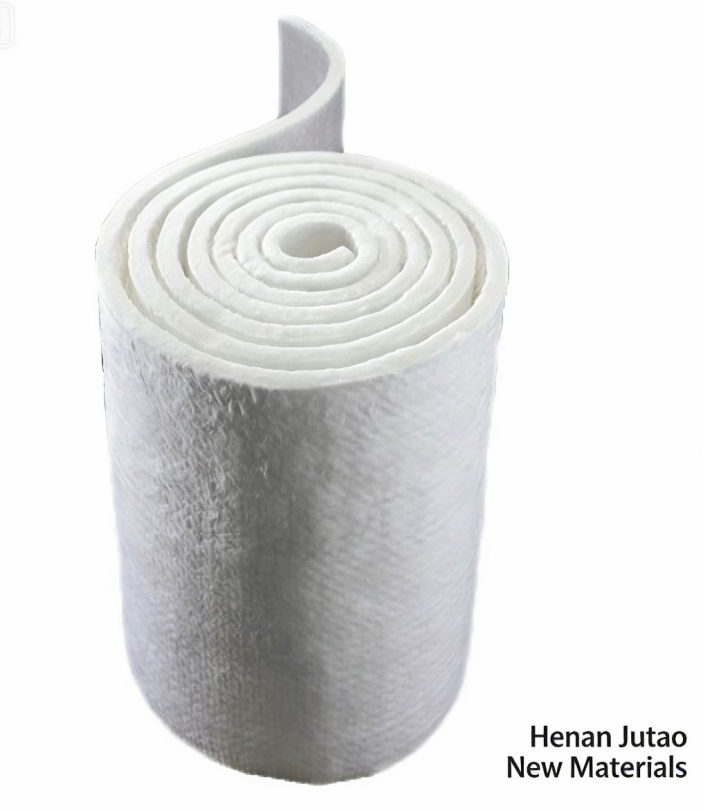
- Introduction
With the rapid development of modern industry and the acceleration of urbanisation, noise pollution has become a major environmental issue affecting human health and quality of life. In sectors such as construction, transportation and industrial manufacturing, the effective control of noise propagation has emerged as a key engineering challenge. In recent years, fiber-reinforced aerogel insulation panels, as a new class of multifunctional materials, have demonstrated significant potential in noise reduction applications due to their unique microstructure and outstanding physical properties.
This paper systematically examines the characteristics of fiber-reinforced aerogel insulation panels, their noise attenuation mechanisms, and their application prospects across various fields.
- Properties and Noise Reduction Mechanisms of Fiber-Reinforced Aerogel Insulation Panels
2.1 Fundamental Properties
Fiber-reinforced aerogel insulation panels are lightweight materials featuring a nanoscale porous structure, with a typical density ranging from 0.1 to 0.3 g/cm³ and a porosity of 80% to 99.9%. These materials retain the intrinsic advantages of conventional aerogels, including ultra-low thermal conductivity (0.013–0.025 W/(m·K)) and excellent thermal insulation performance.
Through specialised fabrication processes, their mechanical strength and processability are significantly enhanced. Fiber-reinforced aerogel insulation panels are commonly composed of inorganic oxides (such as silica), organic polymers or carbon-based materials. Their chemical composition and microstructure can be tailored to meet specific application requirements.
2.2 Noise Reduction Mechanisms
The noise attenuation performance of fiber-reinforced aerogel insulation panels is primarily attributed to the following physical mechanisms:
- Acoustic Scattering and Absorption Mechanism
The three-dimensional nanoscale porous structure generates a large number of irregular air–solid interfaces. When sound waves encounter these interfaces, multiple reflections and scattering occur, converting acoustic energy into thermal energy and thereby dissipating it.
- Viscous Loss Effect
The movement of air molecules within nanoscale pores is highly constrained. Friction between oscillating air particles and pore walls induced by sound waves leads to viscous losses, resulting in the conversion of acoustic energy into heat.
- Thermoelastic Damping
Sound waves induce minute deformations in the aerogel skeleton. Due to the inherently low thermal conductivity of aerogels, the heat generated by these deformations cannot be rapidly dissipated, leading to additional energy loss.
- Acoustic Impedance Matching Effect
By controlling material density and porosity, effective acoustic impedance matching with air can be achieved. This reduces sound wave reflection at the material interface and enhances sound absorption efficiency.
Experimental studies indicate that optimised fiber-reinforced aerogel insulation panels can achieve sound absorption coefficients exceeding 0.8 within the frequency range of 500–5000 Hz, significantly outperforming conventional porous sound-absorbing materials.
Jutao Environmental Technology — Specialists in Aerogel Material Solutions
Stay connected with us for the latest updates, industry insights and application solutions in the aerogel sector.