








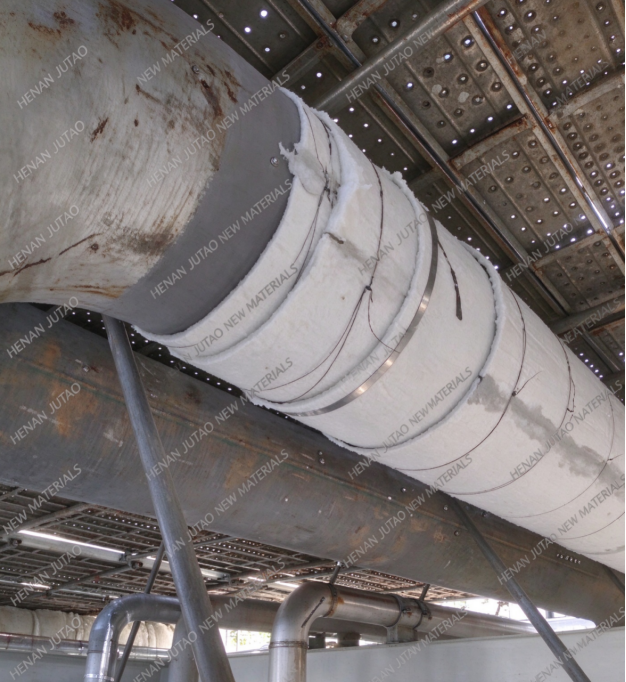
Flexible Aerogel Factories Functions of Building Energy-Efficient Thermal Insulation Materials
Building energy-efficient insulation materials play a crucial role in reducing energy consumption and improving indoor comfort. Their core functions can be summarized as follows:
- Core Function: Energy Saving and Reduced Consumption
The primary and most important function of insulation materials is to reduce heat transfer and minimize energy loss between indoor and outdoor environments.
* Winter insulation: During cold seasons, insulation materials prevent indoor heat from escaping, thereby reducing heating energy consumption.
* Summer heat protection: During hot seasons, they block external heat from entering the building, lowering air-conditioning energy use.
Studies show that high-quality insulation materials can reduce building energy consumption for heating and cooling by 20%–40%, which plays a significant role in achieving energy-efficiency targets and supporting carbon-reduction goals.
- Improved Indoor Comfort
Thermal insulation materials help maintain a stable indoor temperature. By minimizing temperature fluctuations caused by outdoor climate changes, they reduce the “cold in winter and hot in summer” effect and significantly improve comfort in residential and commercial buildings.
- Protection of Building Structure and Extended Service Life
Building structures such as walls and floors are subject to thermal expansion and contraction due to daily and seasonal temperature variations. Over time, this may lead to cracks and deformation. Insulation systems act as a protective barrier, reducing temperature stress on the structure and extending the building’s service life.
- Fire Safety Performance
Modern insulation materials also contribute to building safety. According to European and international standards, insulation materials are classified by fire performance:
* Class A1 / A2: Non-combustible
* Class B: Limited combustibility
* Class C–F: Combustible materials (lower performance levels)
Selecting materials with higher fire ratings (such as A1, A2, or B) can effectively slow fire spread and provide valuable time for evacuation and emergency response.
- Moisture and Water Resistance
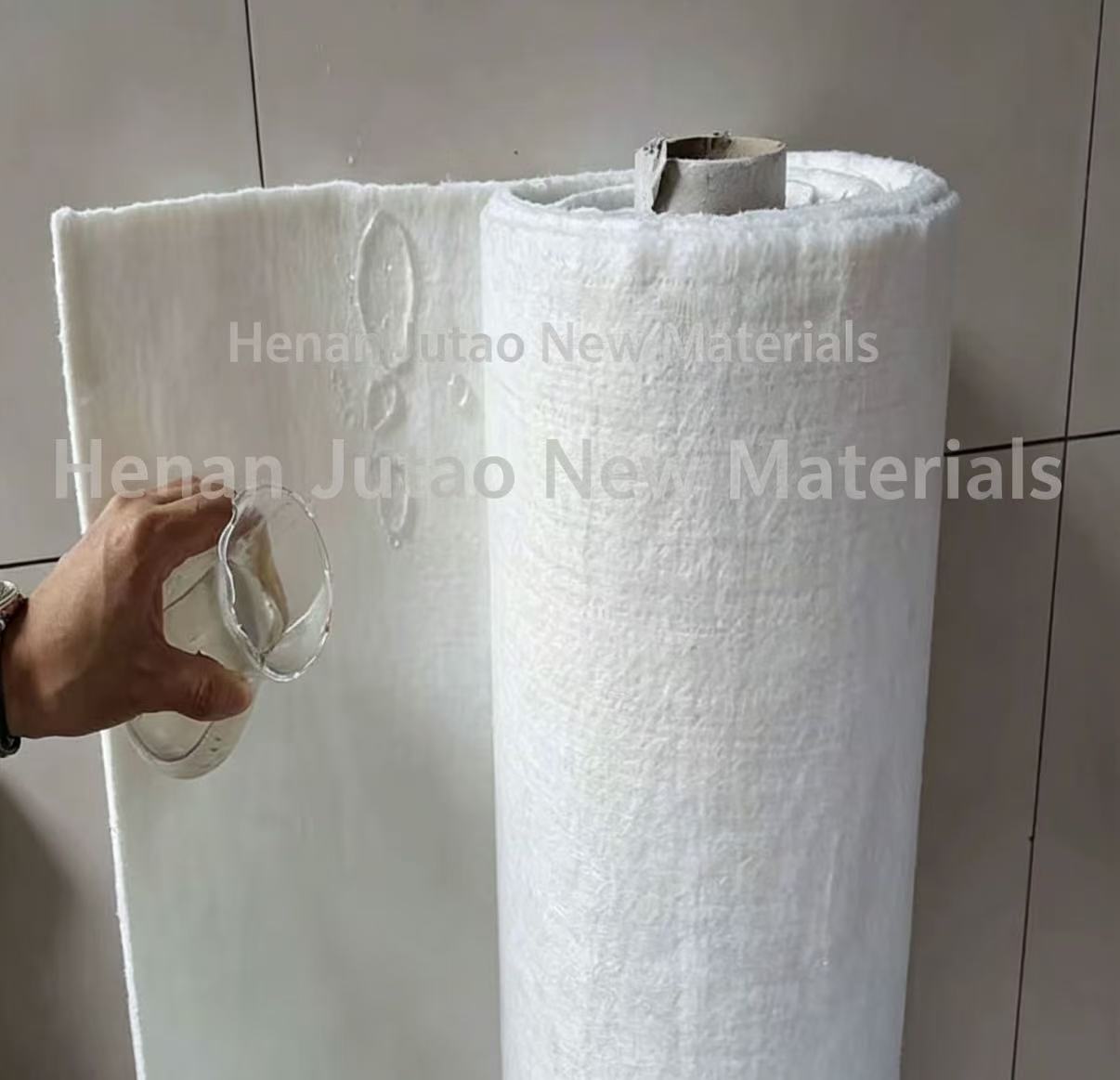
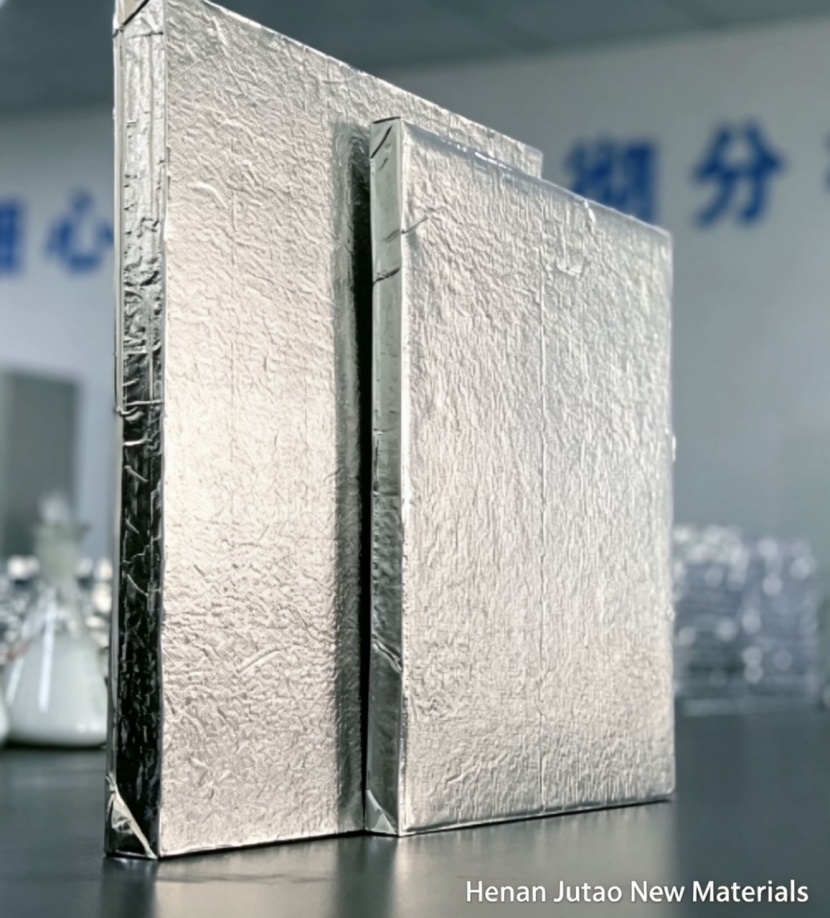
Some advanced insulation materials, such as Vacuum Insulation Panels (VIPs) and Aerogel insulation blankets, offer extremely low water absorption. When used in humid environments such as basements, roofs, and exterior walls, they effectively prevent moisture penetration, mold formation, and performance degradation, ensuring long-term thermal efficiency.
Overall, building insulation materials not only reduce energy consumption but also improve comfort, enhance safety, protect building structures, and contribute to sustainable construction practices across Europe and worldwide.
Jutao Environmental Technology — Specialists in Aerogel Material Solutions
Stay connected with us for the latest updates, industry insights and application solutions in the aerogel sector.