








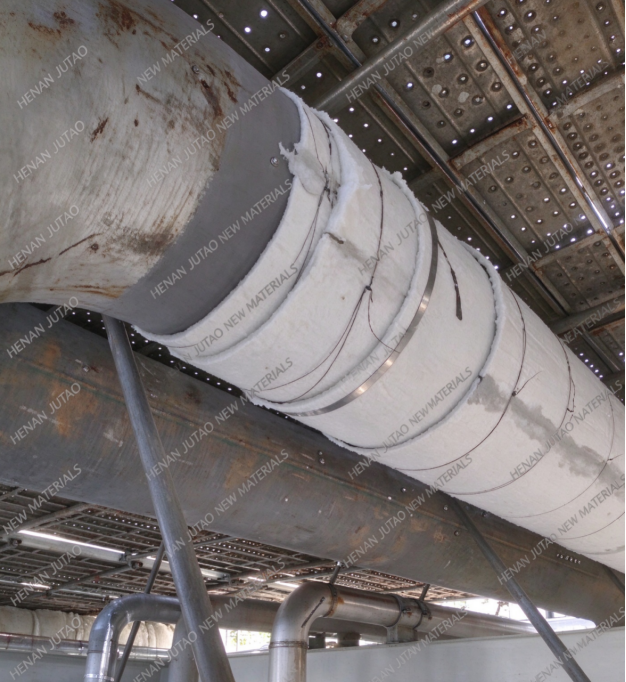
Flexible Aerogel Factories Fiber-Reinforced Aerogel Insulation Sheets: Functions and Application Value of Aerogel Panels
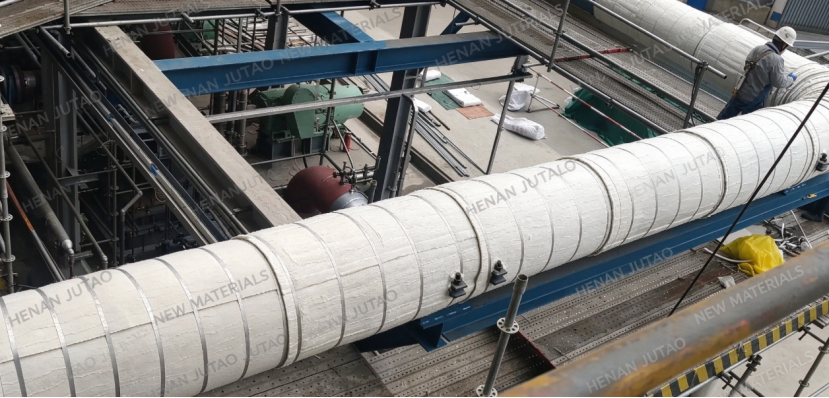
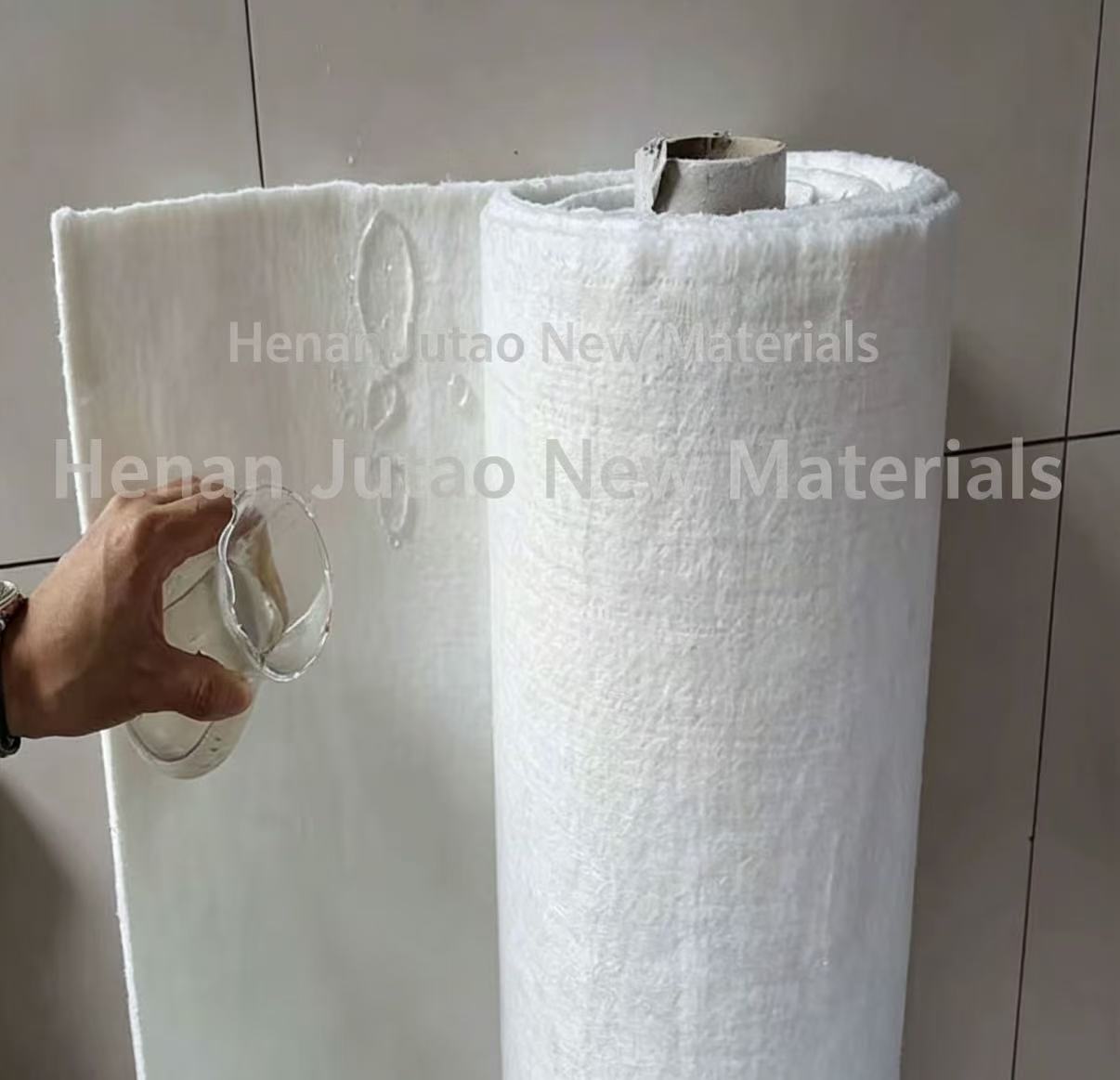
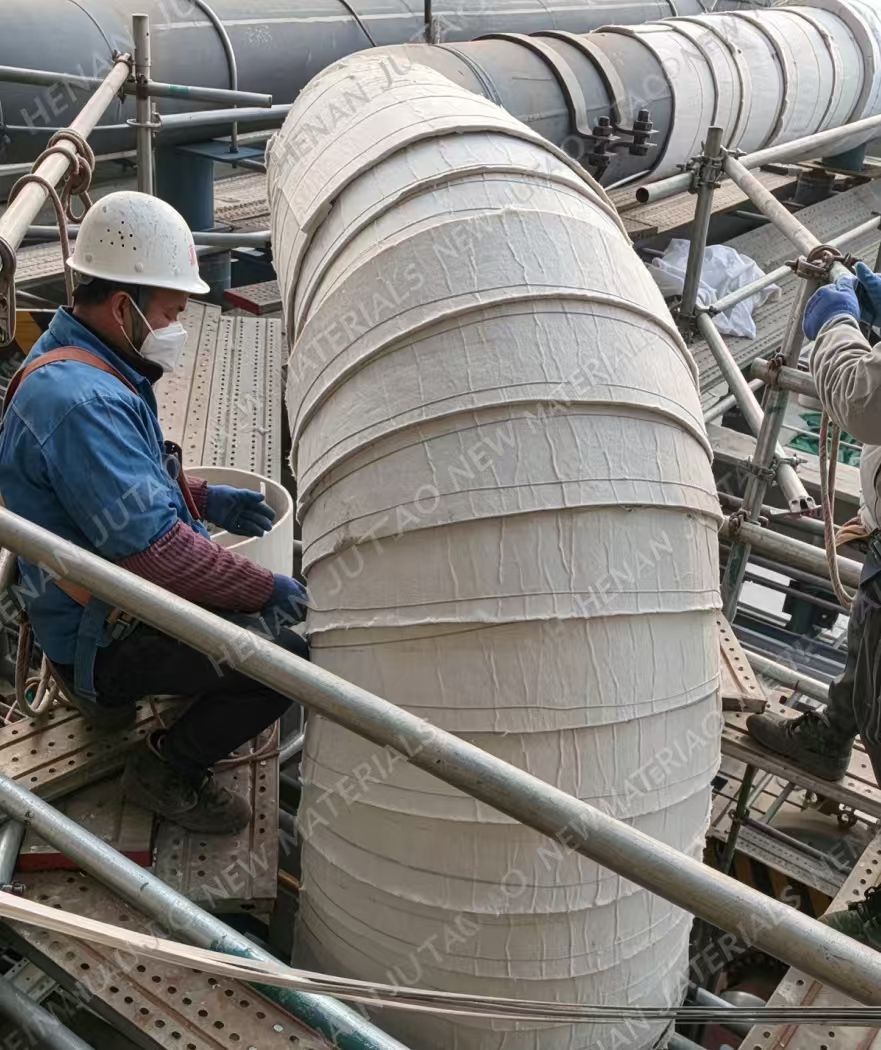
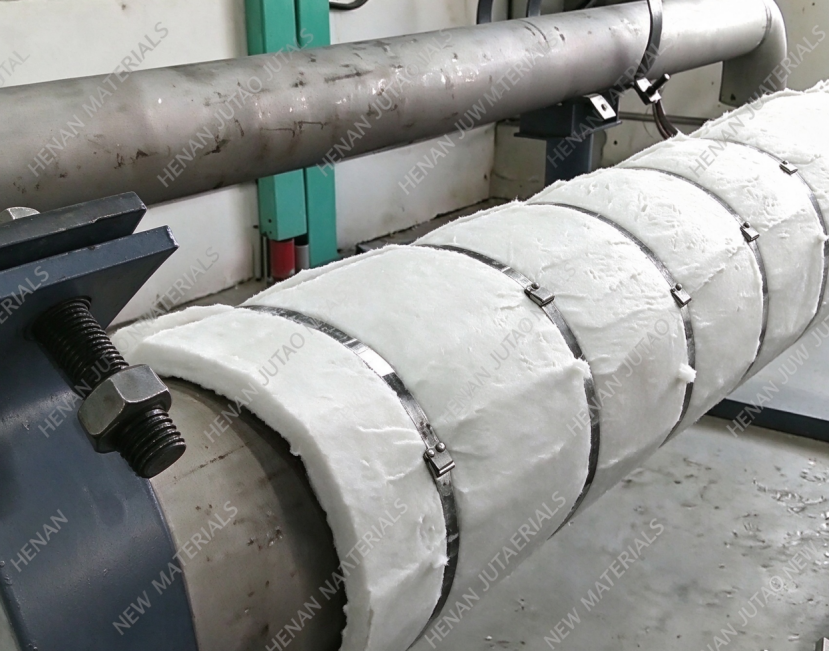
Aerogel insulation panels are composite thermal insulation materials derived from aerogels. They are typically manufactured using nano-silica aerogel as the core component and processed through special composite techniques to form flexible, high-performance insulation mats or sheets.
So, what are the key functions and application advantages of fiber-reinforced aerogel insulation sheets?
- Acoustic Insulation and Sound Impedance Matching
Due to their extremely low sound velocity, silica aerogels are ideal materials for acoustic delay and high-temperature sound insulation applications. They exhibit a very wide range of acoustic impedance values, typically from 10³ to 10⁷ kg/(m²·s), making them excellent acoustic impedance matching materials for ultrasonic detection systems.
For example, piezoelectric ceramics with an acoustic impedance of approximately 1.5 × 10⁷ kg/(m²·s) are commonly used as ultrasonic transmitters and receivers, while the acoustic impedance of air is only about 400 kg/(m²·s). By introducing a silica aerogel layer with a thickness of one quarter of the acoustic wavelength between the piezoelectric ceramic and air, sound transmission efficiency can be significantly improved and the signal-to-noise ratio of the device can be reduced.
Preliminary studies show that silica aerogels with a density of around 300 kg/m³, when used as acoustic coupling materials, can increase sound intensity by up to 30 dB. Even higher sound intensity gains are expected when silica aerogels with a graded density structure are employed.
- Environmental Protection and Chemical Industry Applications
Nano-structured aerogels can also be used as a new generation of gas filtration materials. Unlike conventional filter media, aerogels feature a highly uniform pore size distribution and extremely high porosity, resulting in superior filtration efficiency.
In addition, owing to their exceptionally large specific surface area, aerogels show great potential as novel catalysts or catalyst supports in chemical processes, offering broad prospects in environmental protection and industrial chemistry.
- Energy Storage Applications
Carbon aerogels are conductive porous materials obtained by pyrolyzing organic aerogels. They represent a new class of carbon materials developed after fibrous activated carbon.
Carbon aerogels exhibit:
- A large specific surface area of 600–1,000 m²/kg
- High electrical conductivity of 10–25 S/cm
- A wide density range from 0.05 to 1.0 g/cm³
When their micropores are filled with suitable electrolytes, carbon aerogels can be used to fabricate advanced rechargeable energy storage devices. These devices demonstrate large storage capacity, low internal resistance, light weight, high charge–discharge rates, and excellent cycling stability.
Preliminary experimental results indicate that carbon aerogels can achieve a specific capacitance of approximately 310 F/kg, a power density of up to 7 kW/kg, and stable performance over repeated charge–discharge cycles.
- Quantum Size Effect and Nanomaterials Research
Silica aerogels provide an ideal three-dimensional nano-network for studying quantum size effects. Experimental results from chemical vapour infiltration (for silicon doping) and solution-based doping with C₆₀ molecules show that dopants exist in the form of nanoparticles within the aerogel network.
Strong visible light emission has been observed, providing compelling evidence for quantum confinement effects in porous silicon systems. By combining the unique structure of silica aerogels with the nonlinear optical properties of C₆₀, new types of laser protection materials can be developed. Doping aerogels is also an effective approach for fabricating advanced nanocomposite materials.
- Particle Detection and Space Applications
Silica aerogels are materials with a tunable refractive index. Aerogels with different densities can be used as threshold Cherenkov detectors to determine the mass and energy of high-energy particles.
Due to their porous structure, aerogels allow high-velocity particles to penetrate deeply while gradually decelerating them, enabling a so-called “soft landing” process. Transparent aerogels have therefore been successfully used to capture high-speed particles in space. The captured particles can be directly observed using the naked eye or under a microscope, making aerogels valuable materials for space exploration and particle physics research.
Jutao Environmental Technology — Specialists in Aerogel Material Solutions
Stay connected with us for the latest updates, industry insights and application solutions in the aerogel sector.