













Flexible Aerogel Factories Application of Fiber-Reinforced Aerogel Insulation Panels in Food Processing
Exploration of Thermal Insulation Applications of Fiber-Reinforced Aerogel Panels in the Food Processing Industry.
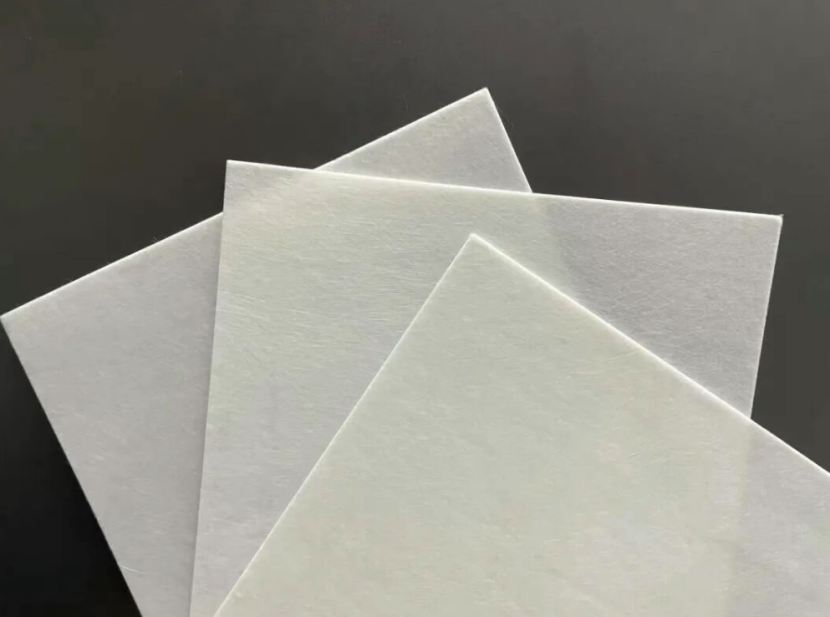
Temperature control is a critical factor in food processing, directly affecting product quality, energy consumption and food safety. From high-temperature baking to low-temperature cold-chain storage, traditional insulation materials such as rock wool and polyurethane foam often present limitations including relatively high thermal conductivity, heavy weight and susceptibility to ageing. These shortcomings make them less suitable for the modern food industry, which increasingly demands precise temperature management and improved energy efficiency.
Fiber-reinforced aerogel insulation panels, as a new generation of nano-porous thermal insulation materials, provide an innovative solution for thermal management in food processing due to their unique structural and performance advantages.
Key Characteristics of Fiber-Reinforced Aerogel Insulation Panels
Fiber-reinforced aerogel insulation panels are built on a nano-scale porous network structure, offering performance characteristics that are highly compatible with food processing environments.
- Ultra-Low Thermal Conductivity
The thermal conductivity is as low as 0.018–0.025 W/(m·K), significantly lower than that of polyurethane (0.03–0.04 W/(m·K)), enabling an improvement in insulation efficiency of more than 30%.
- Lightweight and Flexible Structure
The density is only one-fifth to one-tenth of conventional insulation materials, allowing flexible cutting and installation on complex or irregular equipment surfaces without increasing equipment load.
- Wide Temperature Adaptability
The material can withstand temperatures ranging from −200°C to 600°C, making it suitable for the entire food processing chain, including freezing, baking and thermal processing.
- Food-Grade Safety
The material can comply with FDA and EU food-contact material standards, contains no volatile harmful substances and therefore avoids the risk of food contamination.
- Water and Moisture Resistance
After hydrophobic surface modification, the water absorption rate is below 5%, ensuring stable insulation performance even in humid processing environments.
- High Durability
Fiber reinforcement provides excellent tear resistance and compression resistance, preventing damage caused by equipment vibration or mechanical impact. The service life can exceed 10 years.
Current Challenges
Despite their advantages, fiber-reinforced aerogel insulation panels still face several challenges in large-scale application:
- Relatively high production costs, which currently limit widespread adoption.
- Customized cutting requirements for irregular or complex equipment structures, which increase processing complexity.
- Limited market awareness, as some food processing companies have not yet fully recognized the long-term economic benefits of aerogel insulation materials.