



News










0102030405
Factory Pre-Insulation vs. On-Site Installation: Choosing the Optimal Insulation Strategy for Modular Construction
2026-03-30
Factory Pre-Insulation vs. On-Site Installation: Choosing the Optimal Insulation Strategy for Modular Construction
Modular construction is transforming the building industry at an unprecedented pace. Offering shorter construction cycles, consistent quality control, and reduced on-site waste, it delivers a revolutionary solution for developers, contractors, and architects alike. However, within this innovative workflow, one critical decision point lies in how insulation systems are integrated: factory pre-insulation in a controlled environment or traditional on-site installation? This article explores both strategies in depth and analyzes how to make the best choice when using advanced materials such as AEROGEL and vacuum insulation panels.
Understanding Insulation Integration in Modular Construction
At the core of modular construction is the division of a building into independent units or modules manufactured on factory production lines, then transported and assembled on-site. As a key component of building envelope performance and energy efficiency, the method of insulation integration directly impacts a project’s final cost, timeline, and functional performance.
Factory Pre-Insulation: Precision Craftsmanship in a Controlled Environment
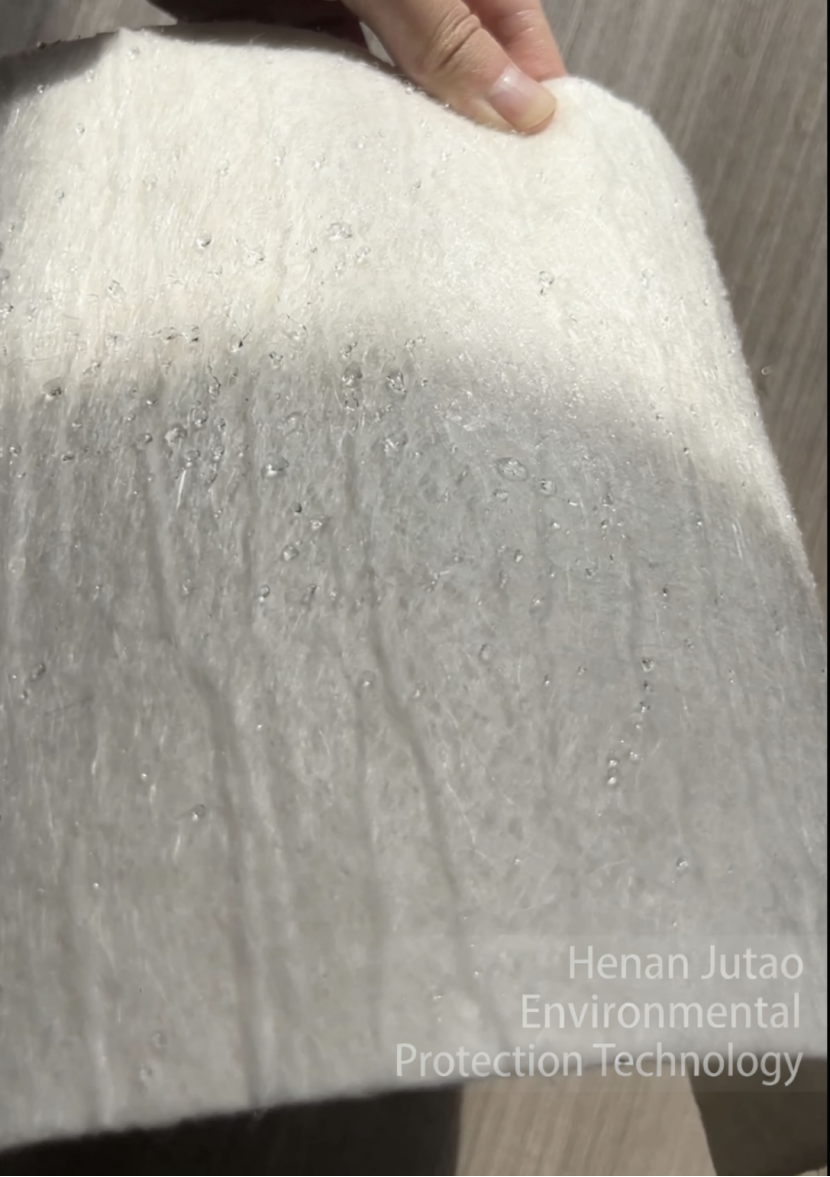
Factory pre-insulation refers to the complete installation, sealing, and inspection of the entire insulation system within the factory before modular units leave the production line.
Advantages of Factory Pre-Insulation
-
Superior Quality Control Factory environments are weather-independent with stable temperature and humidity. This provides ideal conditions for high-performance materials sensitive to installation conditions, such as AEROGEL insulation blankets and vacuum insulation panels, ensuring full curing of adhesives, flawless joint sealing, and maximized theoretical material performance.
-
Shorter Project Cycles Insulation work runs parallel to module structural production, drastically reducing on-site construction time. Modules can be directly lifted and installed upon delivery, accelerating building enclosure progress and enabling faster project occupancy.
-
Predictable Cost Management Material waste is minimized, labor efficiency is optimized on production lines, and unforeseen on-site delays and extra expenses are avoided, making overall costs easier to control.
-
Improved Safety & Sustainability Reduced high-altitude and open-air work lowers on-site construction risks. Factory settings also support centralized waste recycling and treatment, aligning with green construction principles.
Challenges of Factory Pre-Insulation
-
Higher Initial Design Coordination Requirements Accurate planning of all pipelines, openings, and connections is required in the early design stage to reserve space for insulation layers. Any late-stage changes may lead to cost increases and schedule delays.
-
Transportation Limitations Installed insulation composite panels or fragile materials need extra protection during transit to prevent physical damage.
-
Module Joint Treatment Joints between modules represent critical risk points for thermal bridging and air leakage, requiring on-site secondary sealing and insulation with extremely high workmanship standards.
On-Site Installation: Flexibility and Continuity of Traditional Experience
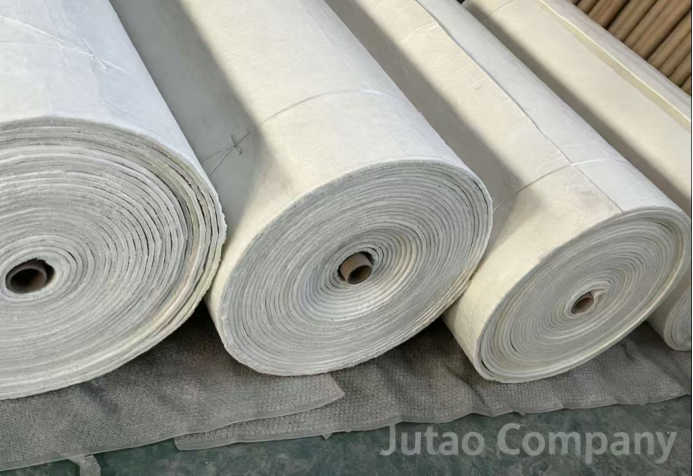
On-site insulation installation involves applying insulation materials at the construction site after modular units are positioned and primary structural connections are completed.
Advantages of On-Site Installation
-
High Design Flexibility Allows adjustment of insulation plans or resolution of unforeseen design conflicts after module placement, delivering strong adaptability to field conditions.
-
Simplified Transportation Modules can be transported in lighter, more compact forms, reducing damage risks and logistical complexity during delivery.
-
Focused Joint Treatment Construction teams can concentrate on sealing inter-module joints to ensure continuity and airtightness of the overall building envelope.
Challenges of On-Site Installation
-
Subject to On-Site Conditions Weather conditions including rain, snow, wind, and low temperatures severely affect construction quality and timelines, especially harmful to the application and curing of materials like aerogel coatings.
-
Risk of Inconsistent Quality Variable on-site environments and inconsistent workmanship among workers may lead to uneven insulation thickness, poorly sealed joints, and failure to achieve rated thermal conductivity, compromising final energy efficiency.
-
Uncontrollable Timeline & Costs Longer on-site construction cycles are vulnerable to interference from other trades, potentially exceeding labor and project management budgets.
-
Increased Material Waste On-site cutting generates substantial scrap material. For customized high-value materials such as VIP vacuum insulation panels, waste significantly drives up total costs.
Choosing the Best Strategy for Your Project: Key Decision Factors
There is no universal solution. The optimal choice depends on your project priorities:
Project Scale & Complexity
Large-scale, highly repetitive projects such as student dormitories and hotels better leverage the economies of scale offered by factory pre-insulation. Projects with unique designs and diverse module types may benefit more from the flexibility of on-site installation.
Insulation Material Selection
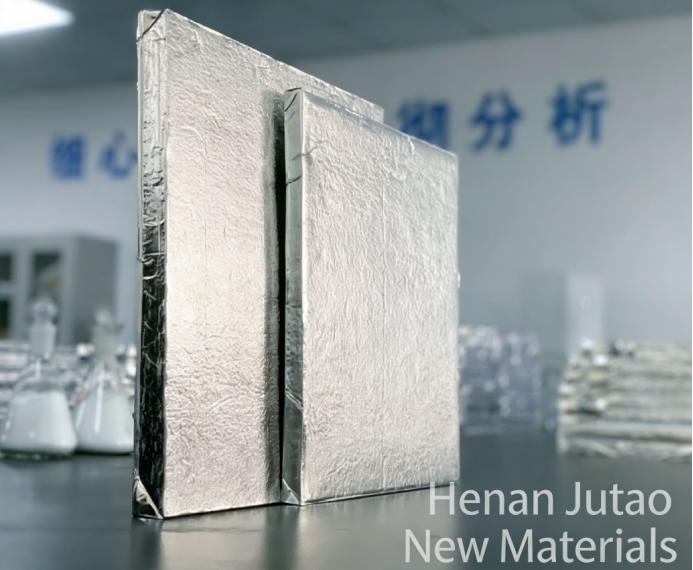
- For high-value, installation-sensitive materials including AEROGEL aerogel insulation and vacuum insulation panels, factory pre-insulation is strongly recommended to preserve ultra-low thermal conductivity and long-term performance.
- For traditional insulation materials, on-site installation remains viable if the project location has a mild climate and strong on-site management capabilities.
Timeline Requirements
Projects with strict schedule demands almost always require factory pre-insulation to significantly reduce on-site work duration.
Cost Modelling
Evaluate full project lifecycle costs rather than only initial installation expenses. Although factory pre-insulation may involve higher upfront investment, its long-term value from faster timelines, reduced waste, and improved energy efficiency typically delivers superior returns.
Quality Standards
Projects targeting top-tier energy efficiency ratings, excellent airtightness, and long-term reliability should complete core insulation work in a controlled factory environment.
Conclusion
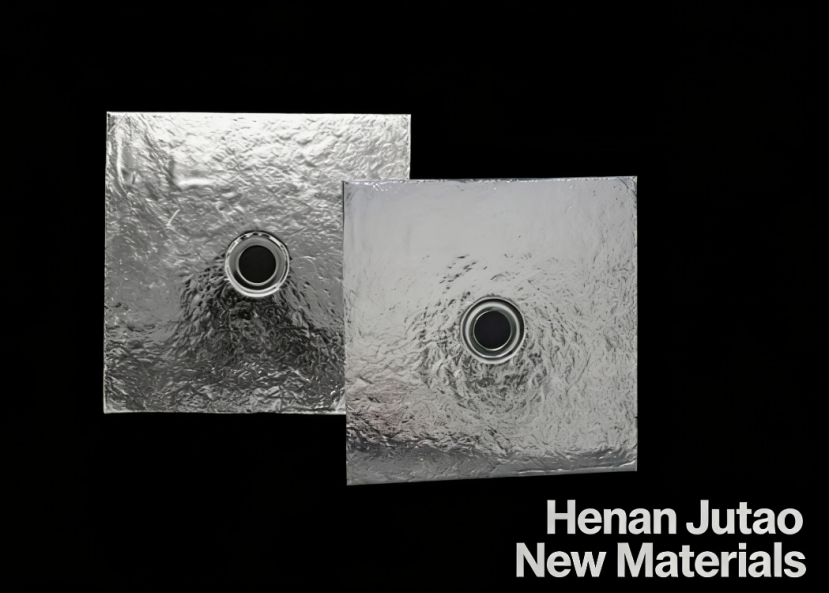
Amid the rise of modular construction, insulation strategy selection is a critical detail determining project success. Factory pre-insulation represents the direction of industrialized construction. Combined with advanced technologies such as AEROGEL super-insulation materials and vacuum insulation panels, it delivers building products with outstanding performance, stable quality, and remarkable energy-saving effects. Meanwhile, on-site installation retains flexibility in specific scenarios.
For global buyers, clarifying core project drivers—whether speed and performance, or initial investment and adaptability—forms the foundation for technical discussions with module suppliers and insulation material manufacturers (such as producers of the JT Series Aerogel Blankets), enabling the development of the optimal insulation integration solution.
#ModularConstructionInsulation #FactoryPreInsulationBenefits #OnSiteInsulationChallenges #AEROGELApplications #VacuumInsulationPanelsVIP #BuildingEnergyEfficiencyStrategies #HighPerformanceInsulationMaterials #ModularBuildingEnvelope #InsulationSystemQualityControl #ConstructionTimelineAndCostOptimization