



News










0102030405
Discover the Complete Guide to Aerogel Thermal Conductivity
2026-07-01
1. Basic Concept of Thermal Conductivity & Aerogel Insulation Principles
Thermal conductivity is the core indicator measuring the thermal barrier performance of thermal insulation materials, with the unit W/m·K. A lower value signifies stronger resistance to heat transfer, making it the primary technical parameter for global engineering procurement and industrial insulation system selection.
The thermal conductivity of still air is approximately 0.023 W/m·K, while traditional rock wool and glass wool typically range from 0.035 to 0.045 W/m·K.
Aerogels leverage a nanoporous microstructure to drastically restrict gas convection and solid-state heat conduction, delivering far lower thermal conductivity than conventional insulation materials. This is why aerogels are widely recognized as high-performance thermal barrier insulation materials.
Commercial mainstream silica aerogels feature internal pore sizes controlled at 10–150 nm and porosity exceeding 90%. Since nanopores are smaller than the mean free path of air molecules, heat transfer within air is suppressed via the Knudsen effect. Combined with infrared opacifiers that reduce high-temperature radiative heat transfer, aerogels achieve stable, long-lasting low thermal conductivity — the key advantage distinguishing aerogel insulation from standard insulation products.
For global buyers, engineering designers, and project managers in battery insulation and building thermal insulation, clarifying the standard thermal conductivity ranges, test conditions, and temperature-dependent performance of different aerogel forms helps avoid selection errors and reduce long-term energy consumption and safety risks.
2. Standard Thermal Conductivity Ranges of Mass-Produced Commercial Aerogel Blankets (25℃ Ambient Reference)
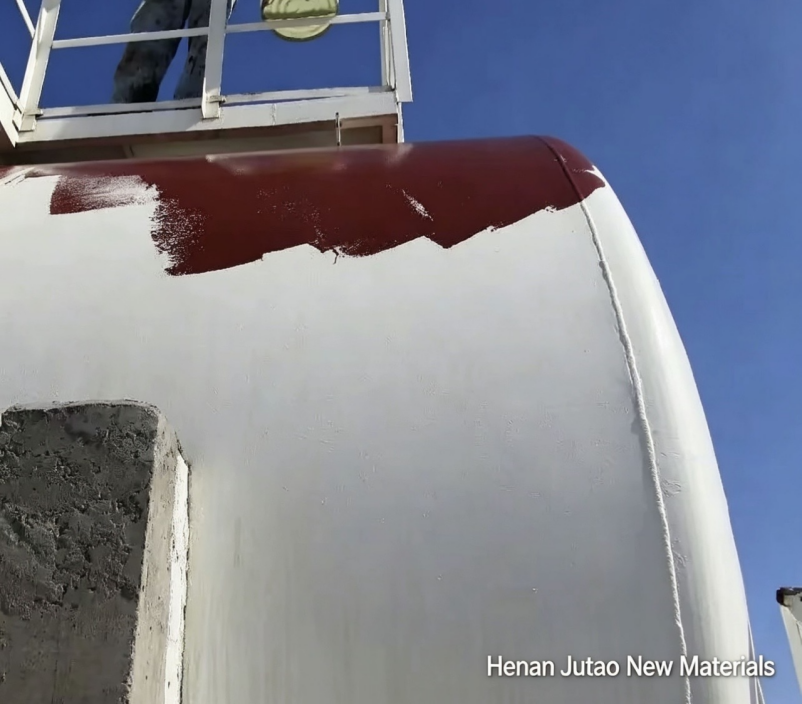
Fiberglass-reinforced aerogel blankets, widely available and exported at scale, represent the most commonly used aerogel insulation product. Industry-standard thermal conductivity is uniformly tested at 25℃ under atmospheric pressure, with fixed parameter ranges for different performance grades:
- Basic Industrial-Grade Aerogel Blanket: Standard thermal conductivity of 0.018–0.023 W/m·K for mass production, the benchmark value published by most manufacturers. Suitable for general industrial pipelines and ordinary building exterior wall insulation.
- Low-Dust High-End Aerogel Blanket: Engineered with dust-suppression modification, delivering stable thermal conductivity below 0.018 W/m·K and Class A non-combustible fire rating. Ideal for high-demand applications such as electronic equipment, power batteries, and cleanrooms, making it the preferred specification for overseas project procurement.
- Laboratory-Grade Pure Monolithic Aerogel: Fiber-free pure aerogel monoliths with ultra-low thermal conductivity of 0.013–0.015 W/m·K. However, they are mechanically brittle, unconstructable alone, and only used for specialized aerospace R&D, not for large-scale foreign trade supply.
Global industry procurement criteria: Qualified commercial aerogel blankets shall have an ambient thermal conductivity upper limit of 0.021 W/m·K; exceeding this value significantly weakens ultra-thin insulation and energy-saving performance. Most large overseas engineering projects set ≤0.018 W/m·K as the entry threshold for premium aerogel insulation.
3. Standard Curves for Aerogel Thermal Conductivity at Different Operating Temperatures
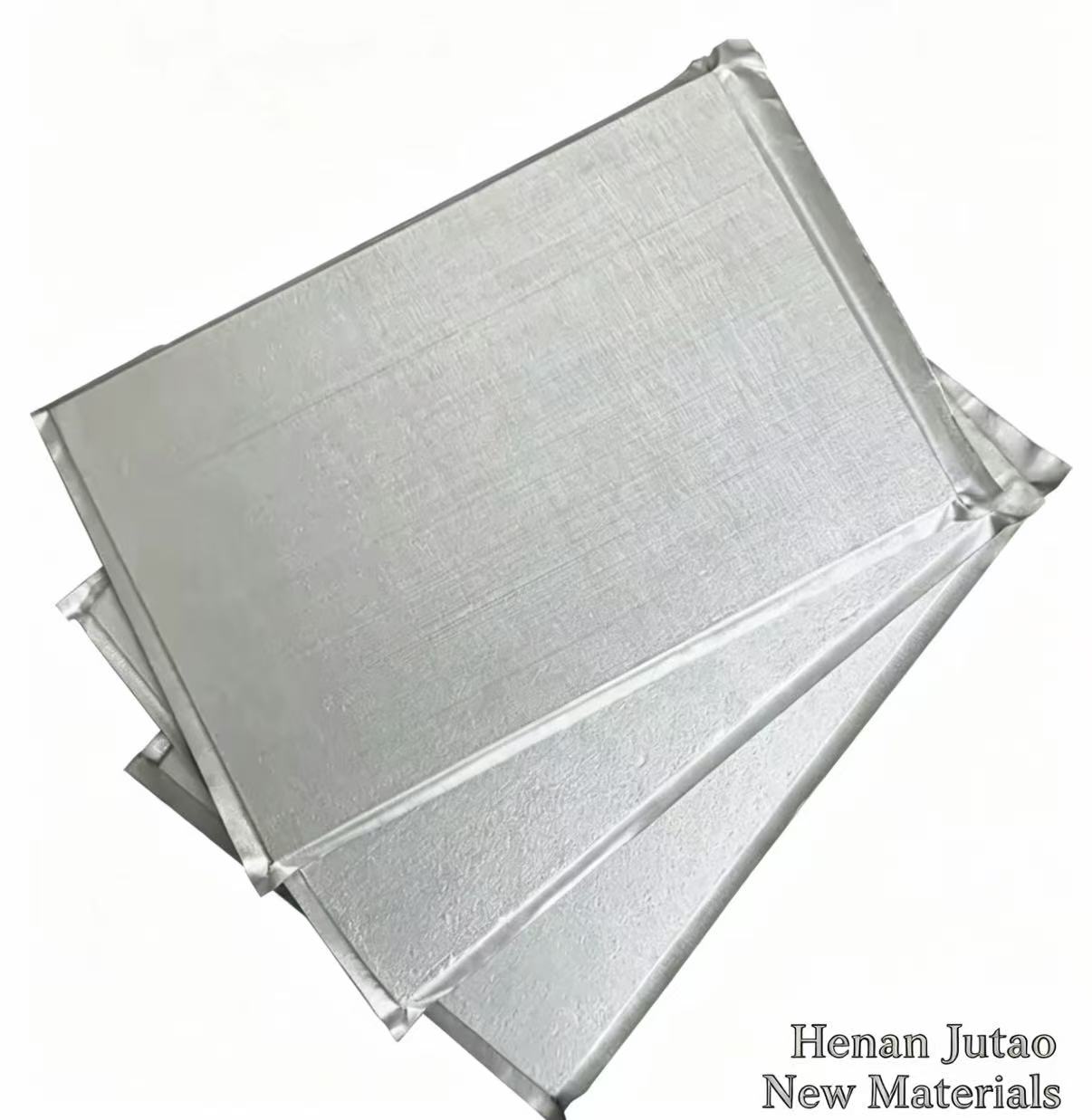
Aerogel thermal conductivity increases with rising service temperature. For high-temperature kilns, petrochemical pipelines, and energy storage battery insulation projects, buyers must reference thermal conductivity values at corresponding operating temperatures rather than only 25℃ data:
- 100℃ condition: Thermal conductivity ≤ 0.023 W/m·K
- 200℃ condition: Thermal conductivity 0.028–0.032 W/m·K
- 300℃ condition: Thermal conductivity upper limit 0.037 W/m·K
- 500℃ high-temperature condition: Thermal conductivity ≤ 0.072 W/m·K
Ceramic fiber-reinforced aerogels improve high-temperature stability, with smaller thermal conductivity increases under long-term 500℃ service compared to standard fiberglass aerogels, making them suitable for customized thermal barrier procurement in metallurgy and high-temperature equipment.
4. Standard Thermal Conductivity Range of Aerogel Composite Boards
Aerogel composite panels integrate thermal insulation and sound absorption, meeting integrated wall and equipment insulation needs. Usually bonded with inorganic fire-resistant boards, their standard ambient thermal conductivity remains stable at 0.020–0.024 W/m·K.
Compared with flexible aerogel blankets, composite boards offer higher density and compressive strength, with a slight rise in thermal conductivity, yet allow direct dry installation without extra fixings. Demand is growing rapidly in overseas prefabricated buildings and cold chain equipment rooms. Manufacturers support OEM/ODM custom sizes without compromising the material’s fundamental low thermal conductivity performance.
5. Standard Thermal Conductivity Comparison: Aerogels vs. Vacuum Insulation Panels (VIP)
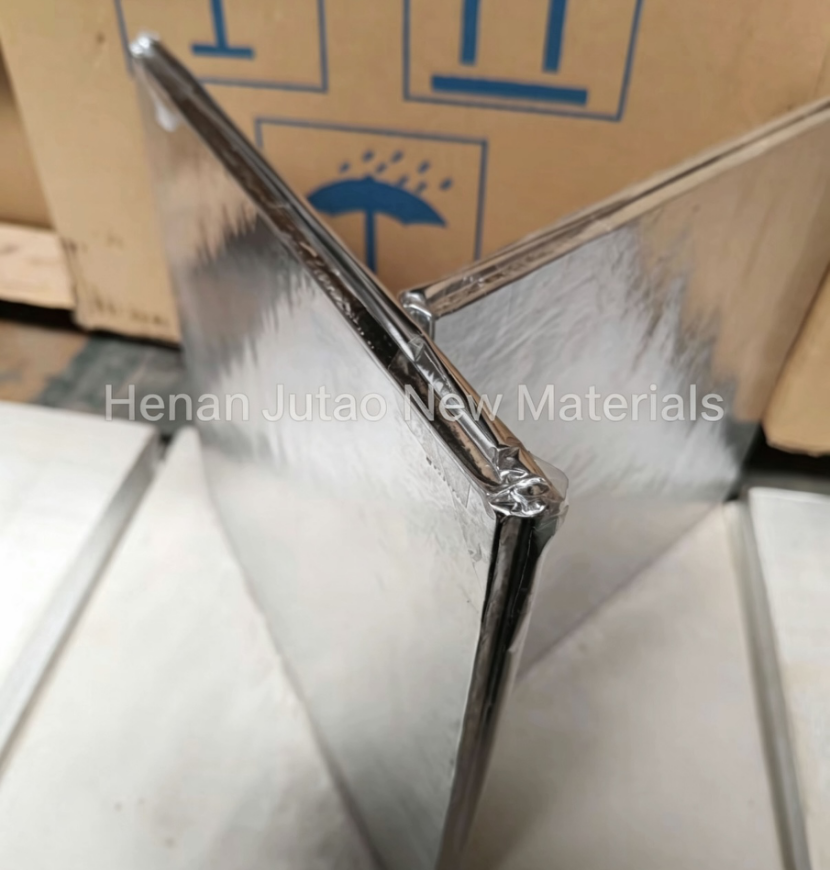
Vacuum Insulation Panels (VIP) are often paired with aerogel insulation for ultra-thin thermal solutions. These two ultra-high-performance insulation materials show clear differences in standard thermal conductivity, allowing buyers to choose based on space constraints and service life:
- Vacuum Insulation Panels (VIP): Industry standard thermal conductivity < 0.005 W/m·K, with premium products reaching 0.0045 W/m·K. Heat transfer via gas is eliminated by internal vacuum, delivering extreme insulation performance. However, VIP boards are rigid and non-bendable; once damaged, vacuum failure causes a sharp rise in thermal conductivity, with a service life of approximately 20–30 years.
- Aerogel Blankets: Thermal conductivity < 0.018 W/m·K, flexible and cuttable for curved equipment, moisture-resistant, and free from failure risk due to damage, with a stable service life of up to 60 years. Preferred for outdoor, vibrating equipment, and humid industrial environments.
Most large overseas energy-saving projects adopt a composite solution: VIP for internal ultra-thin insulation, covered externally with aerogel blankets for protection, balancing ultra-low thermal conductivity and long-term durability.
6. Key Factors Affecting Actual Aerogel Thermal Conductivity (Procurement Inspection Priorities)
- Reinforcing Fiber Type: Fiberglass-reinforced aerogels have lower thermal conductivity; ceramic fiber versions prioritize high-temperature stability; organic fiber-reinforced aerogels show a thermal conductivity increase of 0.002–0.004 W/m·K at room temperature.
- Material Density & Thickness: Excessively high density increases solid conduction and slightly raises thermal conductivity. Products with a standard thickness of 3–10 mm provide the most stable thermal conductivity; overly thick custom boards may suffer uneven pore distribution.
- Hydrophobic Modification: Untreated aerogels absorb moisture into pores, increasing thermal conductivity by over 30%. Export-grade aerogels feature hydrophobic treatment to maintain low thermal conductivity in humid environments.
- Dust Content: High-dust aerogels experience pore collapse under long-term vibration, degrading insulation performance. Low-dust aerogels stably retain factory-standard thermal conductivity over time.
When inspecting samples, overseas buyers should prioritize third-party thermal conductivity test reports at both 25℃ and 300℃ to verify compliance with industry ranges and avoid substandard aerogel insulation.
7. Industry Standards for Aerogel Thermal Conductivity: Guidance for Global Procurement
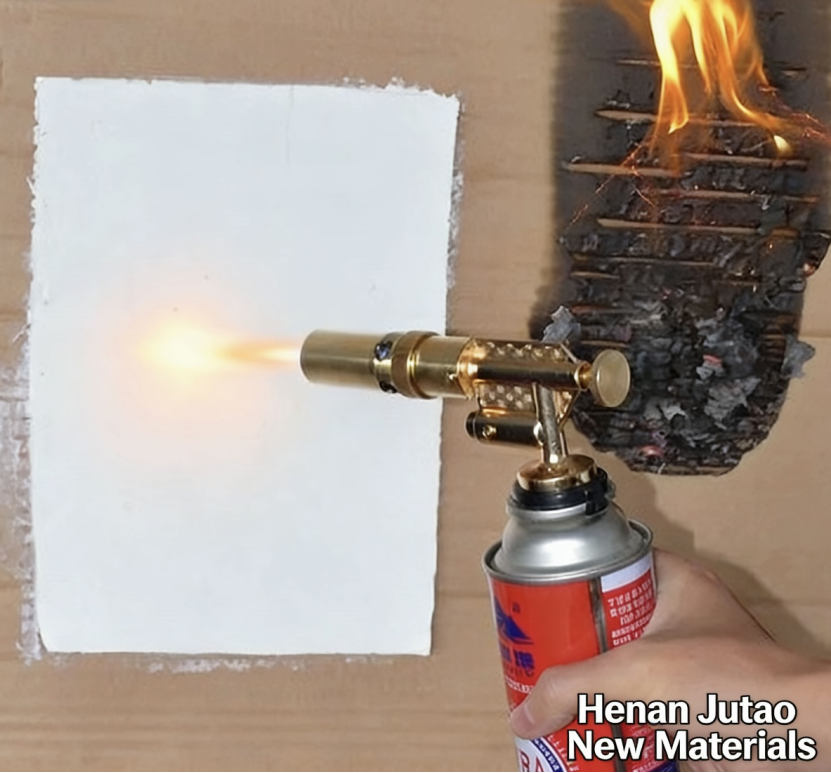
A unified benchmark for aerogel performance has been established across the global insulation industry, with 25℃ ambient thermal conductivity as the core comparison parameter for projects in Europe, America, Southeast Asia, and the Middle East.
At equivalent insulation efficiency, aerogel thickness is only 1/3 to 1/5 that of traditional rock wool and glass wool, greatly saving installation space and aligning with lightweight, compact design trends in energy storage, new energy, and building energy efficiency.
For long-term bulk overseas buyers, technical procurement agreements can specify ambient thermal conductivity < 0.018 W/m·K and 500℃ high-temperature thermal conductivity ≤ 0.072 W/m·K to select qualified, reliable aerogel thermal barrier suppliers. Combined with Class A fire resistance, low dust, and hydrophobicity, these specifications fully satisfy insulation needs in industrial, electronic, building, and battery applications.