


Custom China Facade Systems Classification of Conventional Core Materials for Vacuum Insulation Panels (VIPs)
Conventional core materials used in Vacuum Insulation Panels (VIPs) can be broadly classified into three categories:
granular cores, foam cores, and fibrous cores.
- Granular Core Materials
Granular core materials refer to insulation cores composed of particulate materials such as diatomaceous earth, perlite, and fumed silica.
These materials offer low thermal conductivity under vacuum conditions and are relatively insensitive to pressure variations. However, they present several limitations:
- High production and storage costs
- Difficult process control during VIP manufacturing, particularly:
- Prevention of particle loss during evacuation
- High hygroscopicity, which negatively affects vacuum formation
- Increased manufacturing costs due to process complexity
- Potential health risks to workers during handling and transportation (inhalation of fine particles)
- Higher density, resulting in increased panel weight
- Foam Core Materials
Foam-based cores, such as expanded polystyrene (EPS) and polyurethane foam (PU), are also commonly used in VIPs.
These materials are characterised by:
- Low density (typically 60–100 kg/m³)
- Small pore size, contributing to low thermal conductivity
- Ease of manufacturing and low cost, enabling widespread application
Foam cores can be classified into:
- Closed-cell foams, where gas with low thermal conductivity is trapped within sealed cells, and heat transfer occurs through cell walls and enclosed gases
- Open-cell foams, with interconnected pore structures
However, foam core materials have notable drawbacks:
- Difficulty in maintaining vacuum at low pressures (≤10 Pa), resulting in limited service life
- In the event of fire, they may release toxic gases, including carbon monoxide (CO) and hydrogen cyanide (HCN)
- Fibrous Core Materials
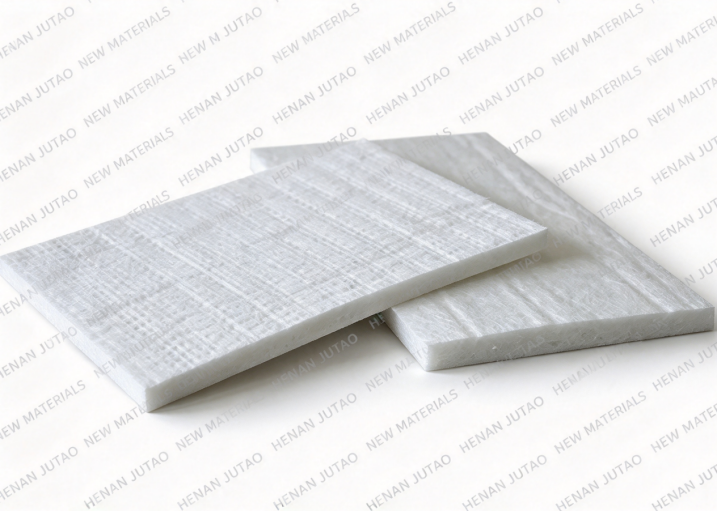
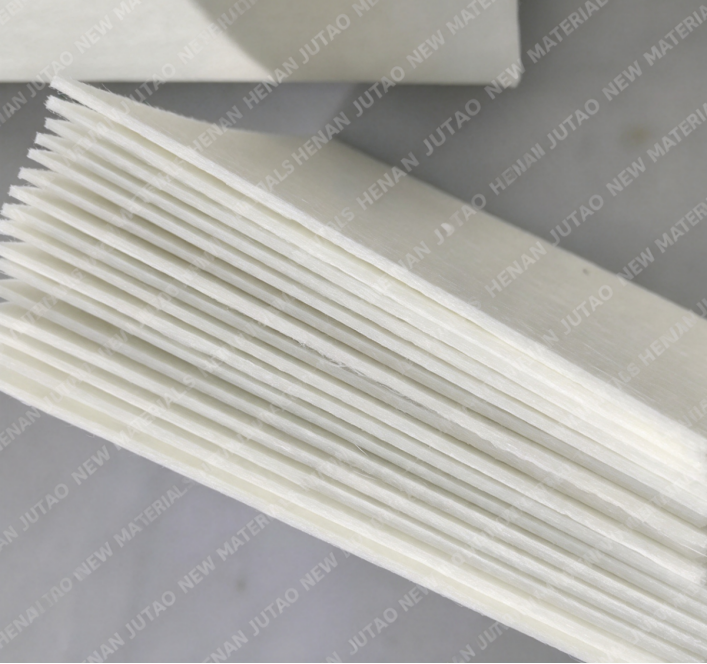
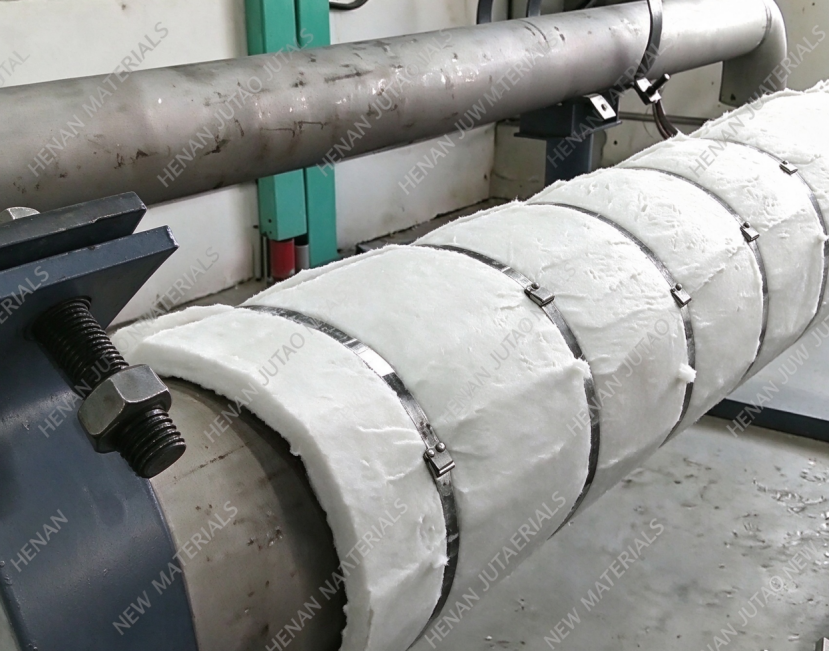
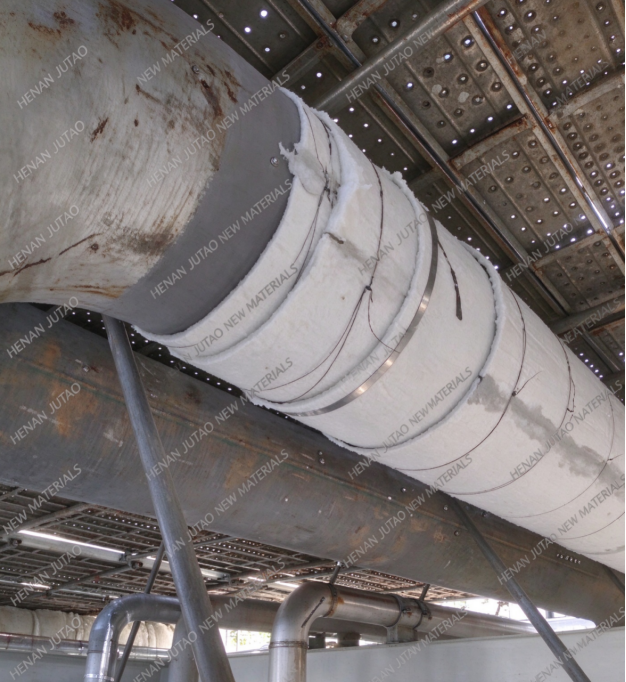
Fibrous materials, such as glass fibre, mineral wool, and ceramic fibre, are characterised by low density and good high-temperature stability.
Compared with granular and foam cores, fibrous cores can achieve lower thermal conductivity in VIP applications.
Nevertheless, fibrous cores typically exhibit:
- Lower structural stability
- Reduced resistance to mechanical deformation
Comparative Assessment
- Granular cores: high compressive strength but relatively higher thermal conductivity
- Foam cores: simple processing and low cost, but poor ageing resistance and limited durability
- Fibrous cores: low thermal conductivity but insufficient structural stability
Due to these limitations, increasing research efforts are focused on the development of advanced core materials.
- Advanced Composite Core Materials
In response to stringent requirements in the building insulation sector—particularly regarding fire resistance and dimensional stability—hybrid composite cores combining insulating fibres and granular materials are emerging as a promising development direction for VIPs.
At present, such composite cores are still largely in the research and development stage, and some performance aspects remain unstable. However, they demonstrate several advantageous properties:
- High compressive strength
- Low rebound after evacuation
- High flexural strength
- Reduced evacuation time during manufacturing
The preparation of high-quality hybrid cores depends on:
- Selection of suitable insulating particles
- Optimisation of the fibre-to-particle ratio
- Application of uniform dispersion techniques to ensure homogeneous distribution
After evacuation, composite cores exhibit low compression deformation, maintaining stable fibre and particle distribution. This ensures:
- Uniformity and structural stability of the core
- Dimensional stability of the VIP
- Stable thermal conductivity performance
Furthermore, the fine pore structure of composite cores helps maintain internal vacuum pressure over extended periods, thereby prolonging service life.
In addition, these materials are environmentally friendly, posing no harm to human health during production and use, and generating no environmental pollution during application.
Jutao Environmental Technology — Specialists in Aerogel Material Solutions
Stay connected with us for the latest updates, industry insights and application solutions in the aerogel sector.