


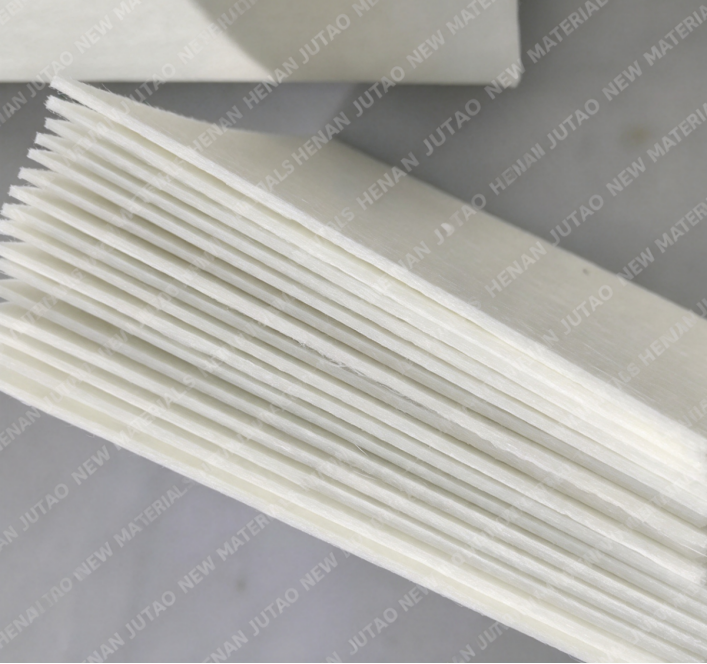
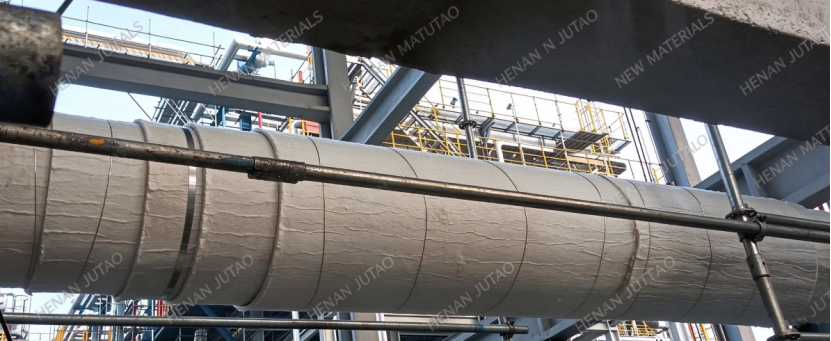
Custom China Aerogel Wall Research Progress on Density Regulation Technologies of Fiber-Reinforced Aerogel Insulation Panels
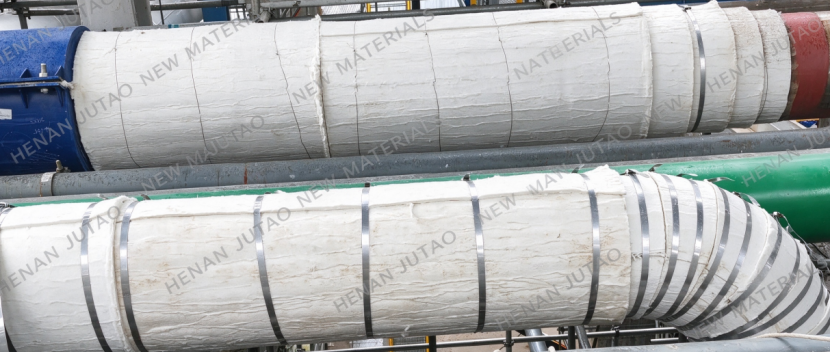
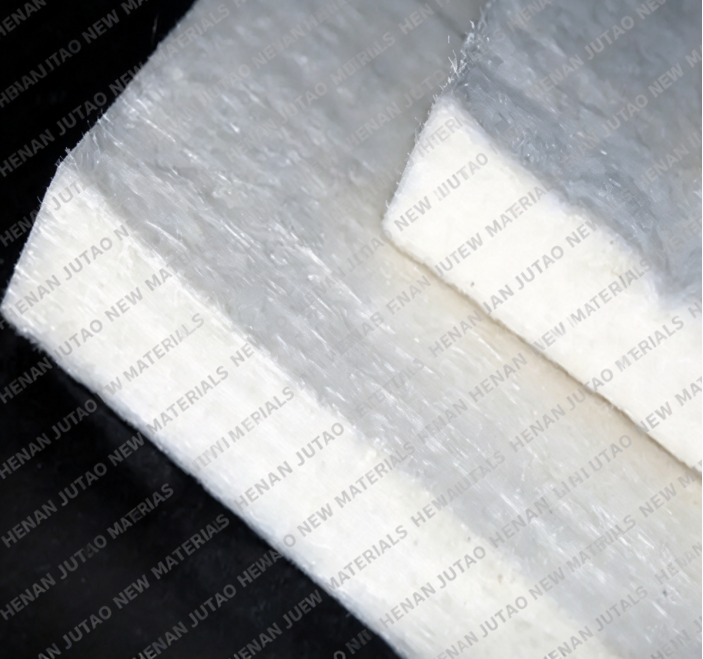
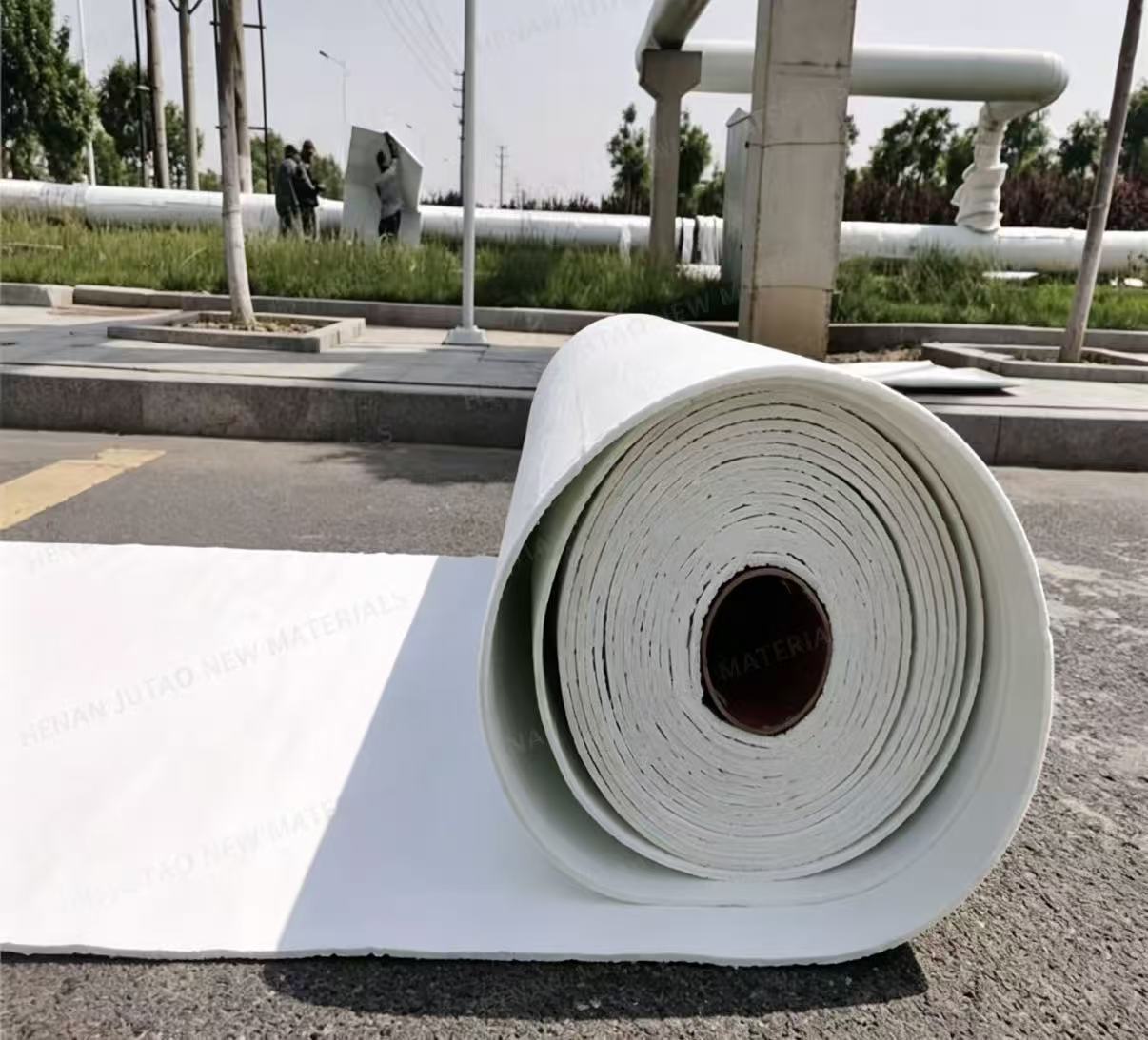
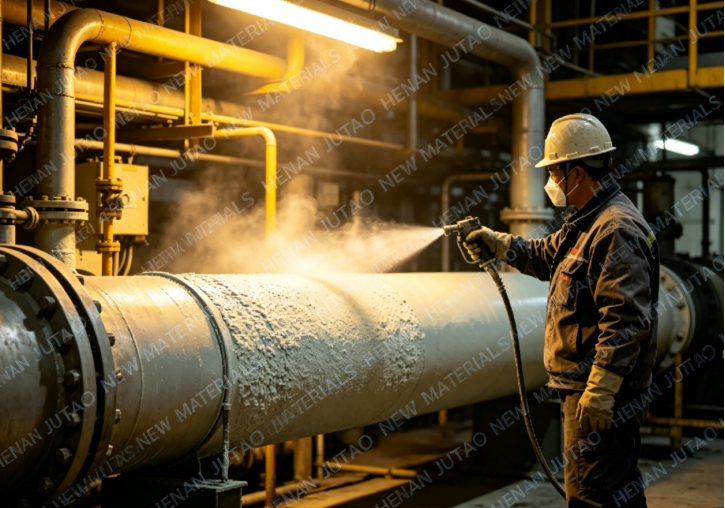
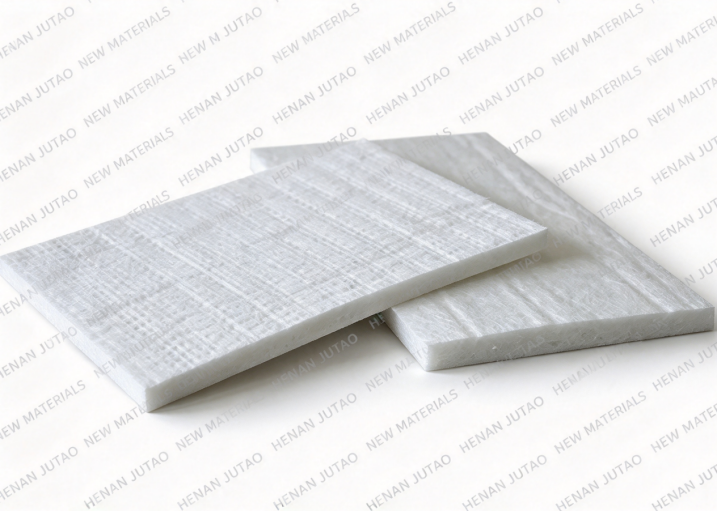
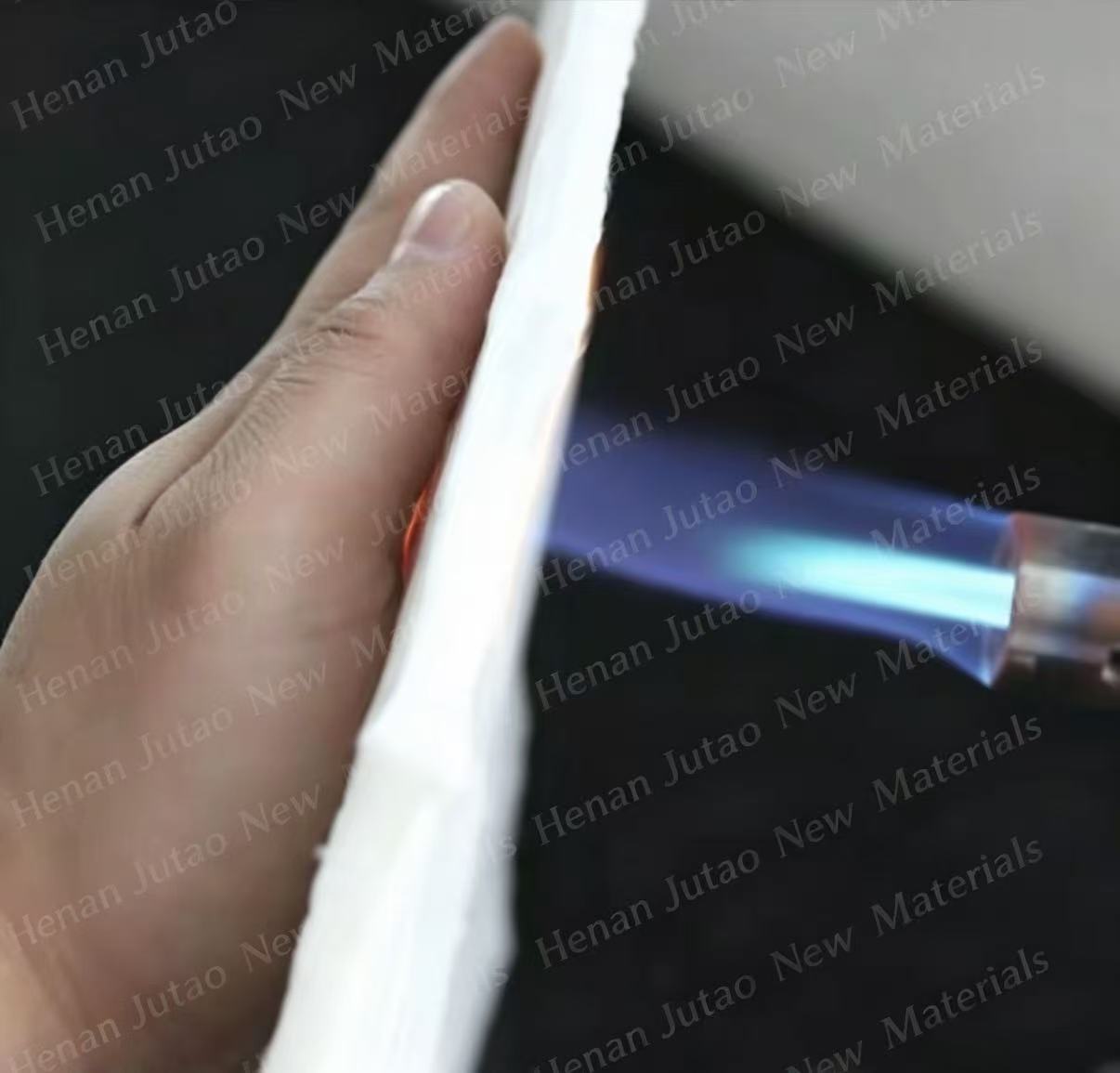
Fiber-reinforced aerogel insulation panels are a new class of thermal insulation materials characterised by high porosity and low thermal conductivity. Density is a key parameter governing thermal insulation performance, mechanical strength and application scenarios.
Although a lower density generally enhances thermal insulation efficiency, it often leads to structural fragility, whereas excessively high density increases weight and compromises insulation performance. Therefore, density regulation is a critical aspect in the development and application of fiber-reinforced aerogel insulation panels. By precisely controlling pore structure and skeleton composition, an optimal balance between density and overall performance can be achieved.
- Control of Sol–Gel Process Parameters
The sol–gel process is the fundamental step in the preparation of fiber-reinforced aerogels. Precursor concentration, catalyst type and reaction conditions directly influence the structure of the gel network.
- Precursor concentration
Reducing the concentration of silica precursors (e.g. tetraethyl orthosilicate, TEOS) or organic precursors (e.g. phenolic resins) decreases the density of crosslinking points in the gel network, resulting in a more open initial structure and a significantly lower density after drying.
Conversely, higher precursor concentrations lead to increased network compactness and higher density. For example, when the silica precursor concentration is reduced from 10 % to 5 %, the density of fiber-reinforced aerogel can decrease from 0.3 g/cm³ to 0.15 g/cm³.
- Catalyst regulation
Acid catalysis tends to form linear or branched structures with larger and less uniformly distributed pores, resulting in lower density. In contrast, base catalysis promotes the formation of a three-dimensional crosslinked network with higher structural compactness and density.
In addition, catalyst dosage affects the gelation rate; slower reaction kinetics favour the formation of uniform pore structures and help avoid local densification.
- Reaction temperature and time
Low-temperature reactions (20–40 °C) with extended reaction times facilitate the formation of homogeneous porous networks and reduce subsequent drying shrinkage. High-temperature, rapid reactions, however, tend to cause network aggregation and an increase in density.
- Optimisation of Drying Processes
Drying is a decisive step in determining the final density of fiber-reinforced aerogel insulation panels, with the primary objective being the minimisation of structural shrinkage during solvent removal.
- Ambient pressure drying modification
Surface modification techniques (e.g. silanisation) are employed to reduce surface hydroxyl content and suppress capillary forces responsible for shrinkage.
For instance, after modification with methyltrimethoxysilane, the shrinkage rate during ambient pressure drying can be reduced from approximately 60 % to below 20 %, while the density decreases from about 0.8 g/cm³ to around 0.2 g/cm³.
- Freeze-drying technology
Freeze-drying preserves the porous structure of the gel through ice crystal sublimation. The resulting materials typically exhibit densities below 0.1 g/cm³ with a more uniform pore distribution.
Compared with supercritical drying, freeze-drying offers lower processing costs and is more suitable for large-scale industrial production.
- Drying rate control
Slow drying with gradual temperature increase (1–2 °C/min) reduces internal stresses and prevents shrinkage and cracking, thereby maintaining low density. Rapid drying, in contrast, often leads to skeleton collapse and increased density.
Conclusions
Density regulation technologies for fiber-reinforced aerogel insulation panels are evolving towards greater precision and multifunctionality. Through the synergistic optimisation of multiple processing routes, a balanced relationship between density and performance can be achieved.
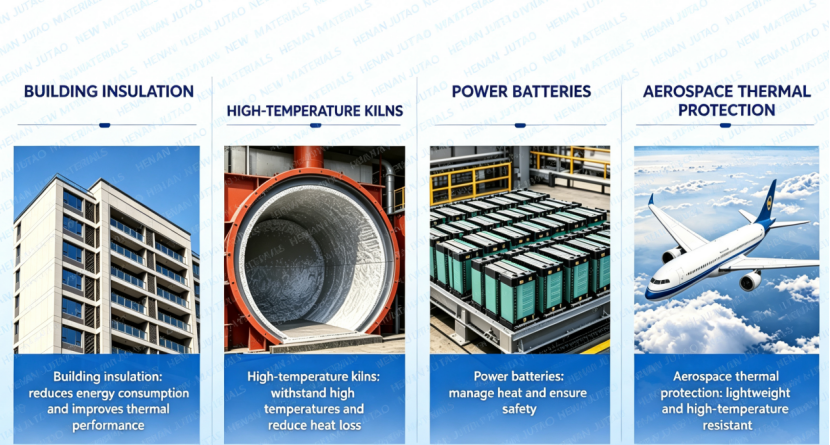
With ongoing advancements in fabrication techniques, density regulation is expected to further reduce costs and improve production efficiency, thereby promoting the wider application of fiber-reinforced aerogel insulation panels across diverse industrial sectors.
Jutao Environmental Technology — Specialists in Aerogel Material Solutions
Stay connected with us for the latest updates, industry insights and application solutions in the aerogel sector.