













Custom China Aerogel Board How to Use Vacuum Insulation Panels (VIPs)
Vacuum insulation panels (VIPs) offer excellent thermal insulation performance by effectively preventing heat transfer caused by air convection, resulting in a significantly reduced thermal conductivity. However, due to their unique structure and manufacturing process, special attention is required during use. Below, vacuum insulation panel manufacturers provide detailed guidance on proper application and precautions.
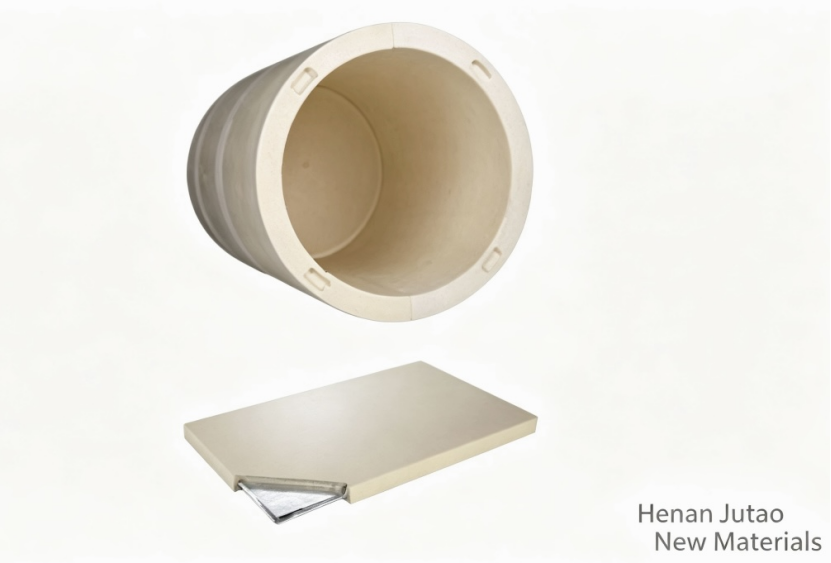
Key Considerations When Using Vacuum Insulation Panels
- Pre-determine Dimensions and Specifications
Vacuum insulation panels have a special structure and cannot be cut or modified into different sizes or shapes during installation. Therefore, all specifications and dimensions must be accurately determined in advance according to project requirements.
- Handle with Care to Prevent Damage
The vacuum sealing structure of VIPs is typically composed of multi-layer barrier films, often made from polyester or composite materials. These films are sensitive to scratches and mechanical damage. Any damage to the barrier layer may compromise the vacuum condition and reduce insulation performance.
- Avoid Bending or Curved Surface Installation
Vacuum insulation panels should not be bent or installed on surfaces with small curvature radii. Bending may thin the barrier film, leading to air leakage, pore formation, or damage to the sealing edges, which will negatively affect thermal performance.
- Fill Gaps Between Panels
The edges of vacuum insulation panels are not always perfectly smooth, which may result in gaps between adjacent panels. To prevent thermal bridging and heat leakage, VIPs are usually combined with traditional insulation materials to fill joints and ensure continuous insulation.
- Application on Large Surfaces
Due to limitations in manufacturing equipment, vacuum insulation panels are typically produced in relatively small sizes. When used on large surfaces—such as cold storage facilities, refrigerated containers, or large walls—multiple panels must be installed together and properly connected to form a continuous insulation layer.
Conclusion
By following these guidelines and handling vacuum insulation panels properly, users can maximize their thermal insulation performance and extend service life. Proper planning, careful installation, and complementary insulation materials are essential for achieving optimal results in practical applications.
Jutao Environmental Technology — Specialists in Aerogel Material Solutions
Stay connected with us for the latest updates, industry insights and application solutions in the aerogel sector.