








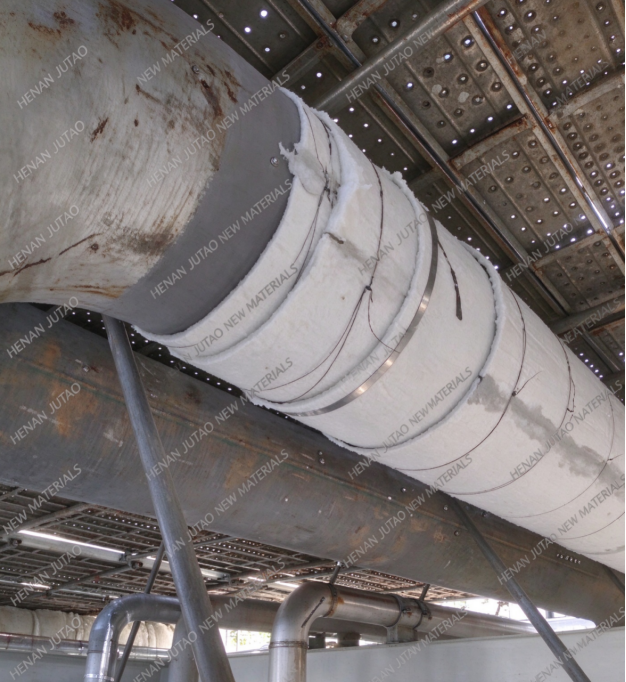
China Custom Vacuum Panels Thermal Insulation Principle of Vacuum Insulation Panels (VIPs)
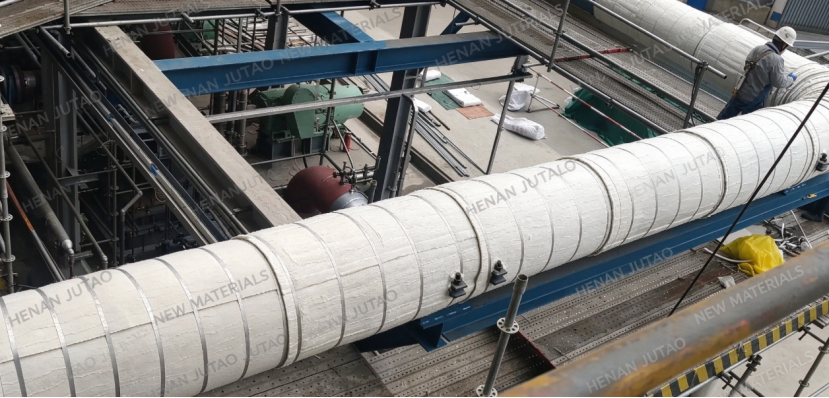
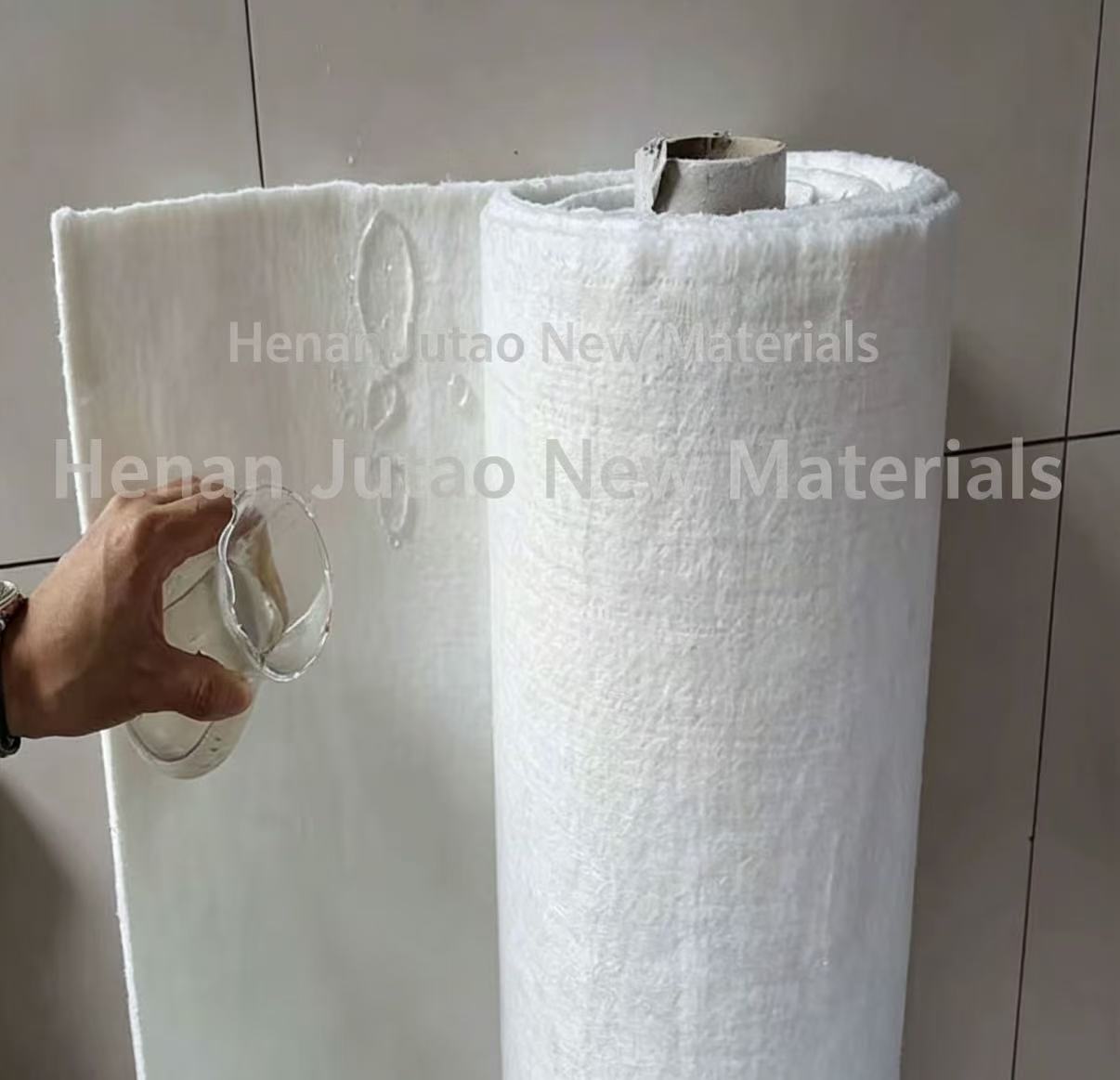
Vacuum Insulation Panels (VIPs) are a type of high-performance thermal insulation material. They are composed of a porous core material encapsulated within a high-barrier vacuum envelope. By effectively minimizing air convection, VIPs significantly reduce heat transfer and achieve extremely low thermal conductivity.
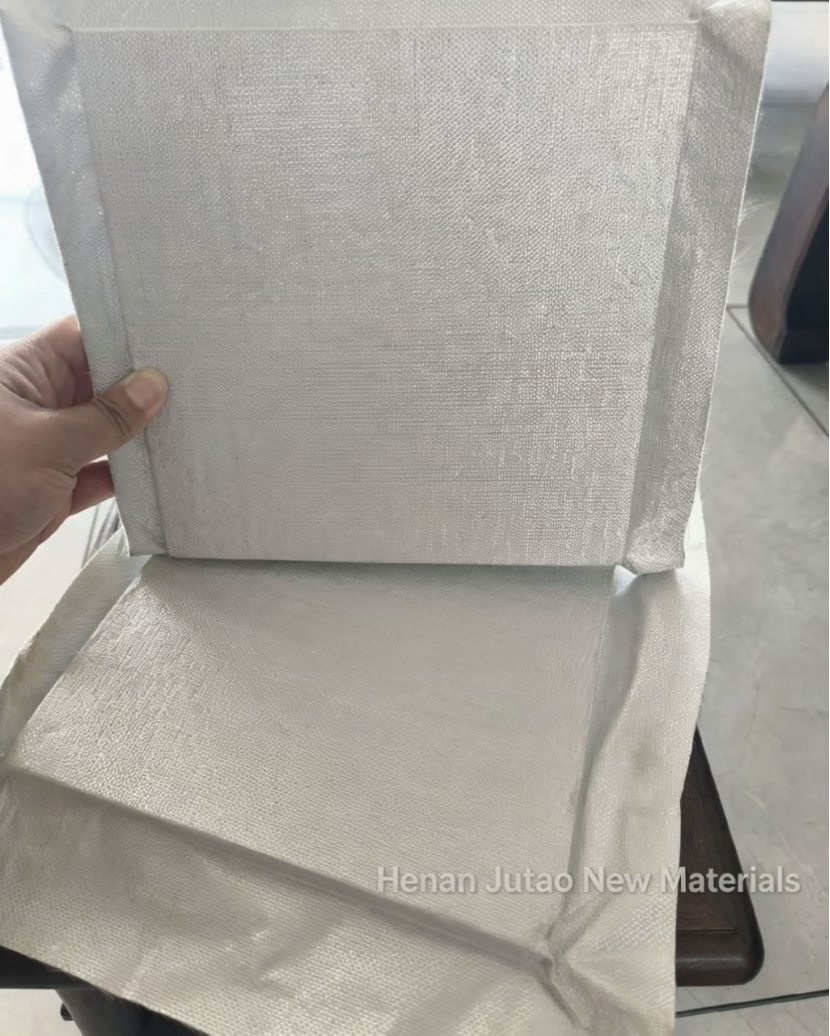
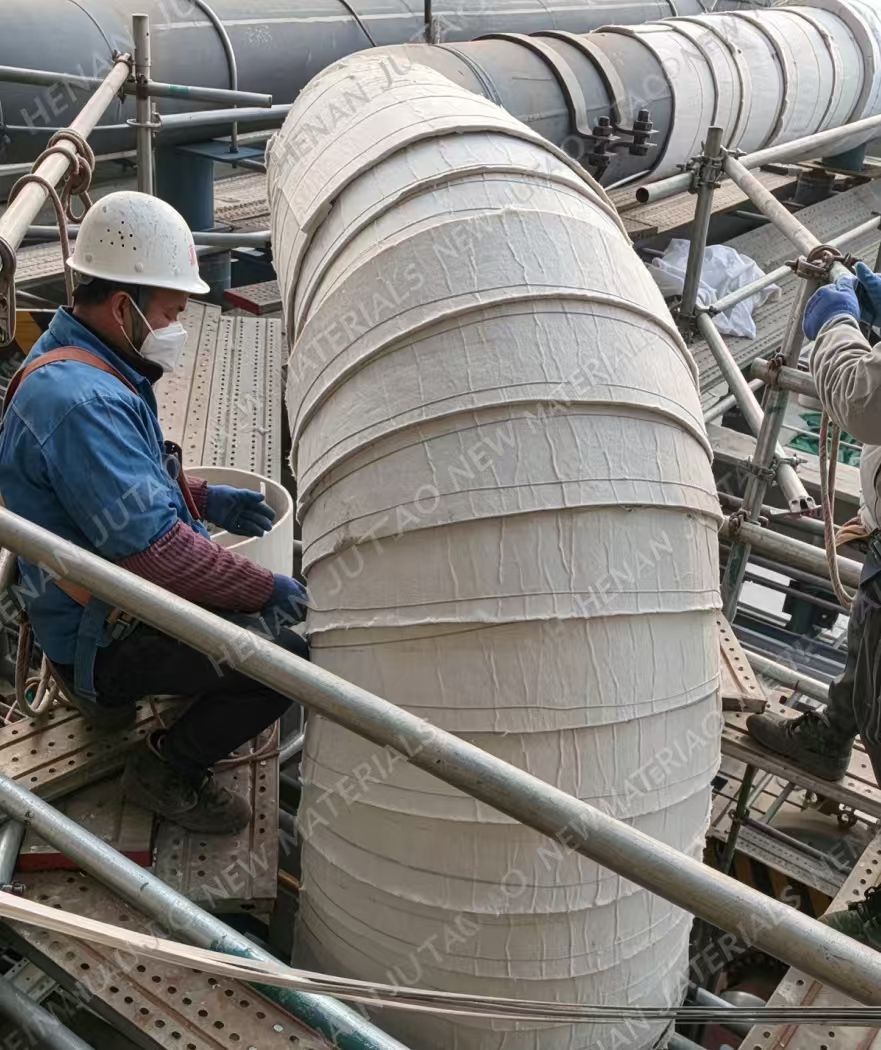
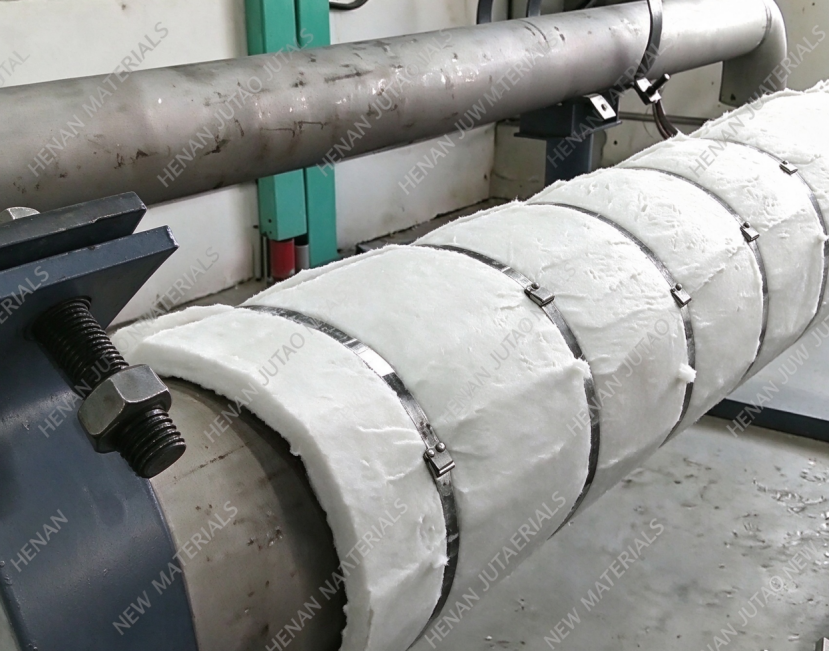
Compared with conventional insulation materials, Vacuum Insulation Panels offer several advantages, including lower thermal conductivity, thinner insulation thickness, smaller volume, and lighter weight while maintaining the same insulation performance. Therefore, VIPs are particularly suitable for products with high energy-efficiency requirements and offer considerable technical and economic benefits.
Heat Transfer Mechanisms
Heat transfer generally occurs through three mechanisms:
- Thermal Conduction
Thermal conduction is the primary heat transfer mechanism in solids. It refers to the transfer of thermal energy within a material (gas, liquid, or solid) due to temperature differences, where heat flows from regions of higher temperature to regions of lower temperature.
- Thermal Convection
Thermal convection is the main heat transfer mechanism in gases and liquids. It occurs when warmer and cooler portions of a fluid move relative to each other through natural or forced circulation, resulting in heat transfer and temperature equalization.
- Thermal Radiation
Thermal radiation is heat transfer in the form of electromagnetic waves. It can occur even in a vacuum and involves heated objects emitting energy to their surroundings.
Insulation Mechanism of Vacuum Insulation Panels
Vacuum Insulation Panels effectively minimize heat transfer through all three mechanisms:
- Reduction of Thermal Conduction
The core material of VIPs typically consists of highly porous insulation materials with low thermal conductivity. This structure significantly reduces heat transfer through conduction.
- Elimination of Thermal Convection
The vacuum sealing technology removes most of the air inside the panel, effectively eliminating heat transfer caused by air convection.
- Reduction of Thermal Radiation
The high-barrier composite envelope is typically made of multilayer materials such as aluminum foil, nano glass fiber films, and specialized adhesives, manufactured through heat-sealing processes. The aluminum foil layer can reflect approximately 70%–90% of thermal radiation, further enhancing insulation performance.
Conclusion
By minimizing thermal conduction, eliminating convection, and reducing radiation, Vacuum Insulation Panels achieve superior insulation performance compared with traditional materials. Their thin profile, lightweight structure, and excellent thermal performance make them ideal for applications requiring high energy efficiency.
Jutao Environmental Technology — Specialists in Aerogel Material Solutions
Stay connected with us for the latest updates, industry insights and application solutions in the aerogel sector.