


China Custom Aerogel U Value Composition of Vacuum Insulation Panels (VIPs)
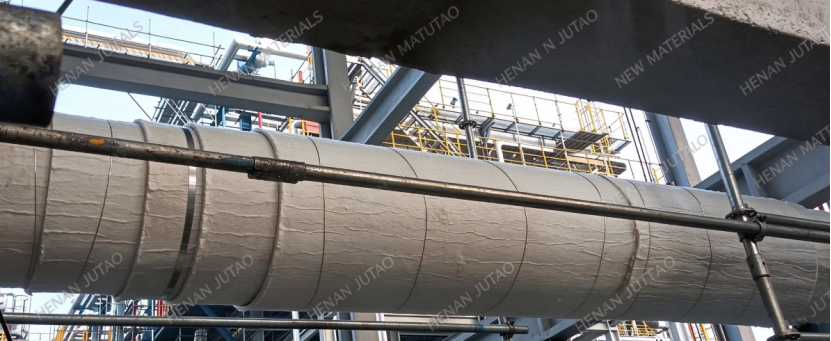
Vacuum Insulation Panels (VIPs) are non-cuttable construction elements manufactured based on the principle of vacuum insulation. They are environmentally friendly and highly energy-efficient. Compared with conventional insulation materials, VIPs are characterised by reduced thickness, smaller volume, and lighter weight.
Typically, the thermal conductivity of VIPs can reach values as low as 0.002–0.004 W/(m·K), providing insulation performance up to ten times higher than that of traditional materials under equivalent thickness conditions.
In general, commercially available VIPs consist of three main components:
barrier envelope, core material, and getter (gas adsorbent).
- Barrier Envelope
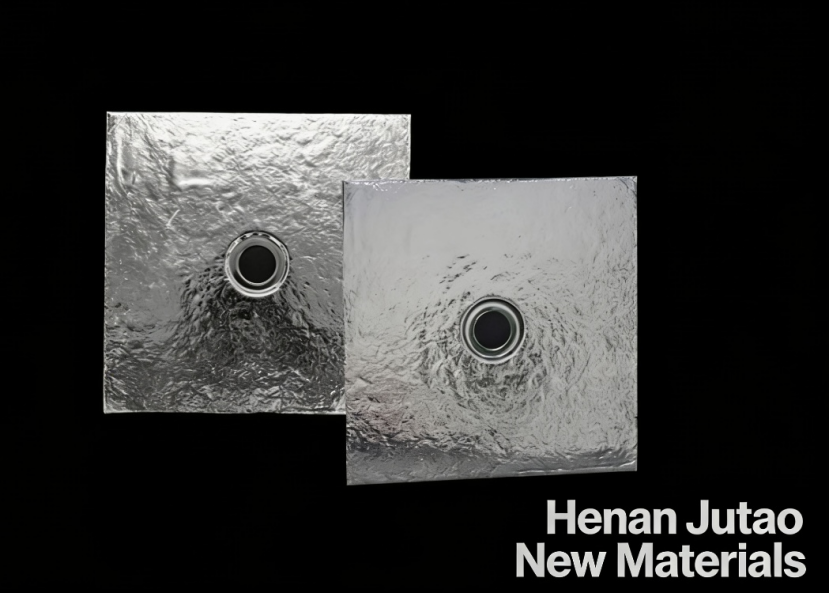
The barrier envelope acts as the “sealed packaging layer” of the VIP. It is typically composed of multilayer laminated high-performance polymer films, including materials such as polyamide (nylon), polyester (PET), polyvinylidene chloride (PVDC), aluminium foil, polyethylene (PE), and ethylene-vinyl alcohol (EVOH).
Its primary function is to provide hermetic sealing and gas barrier performance, effectively preventing gas permeation and maintaining the internal vacuum level.
- Core Material
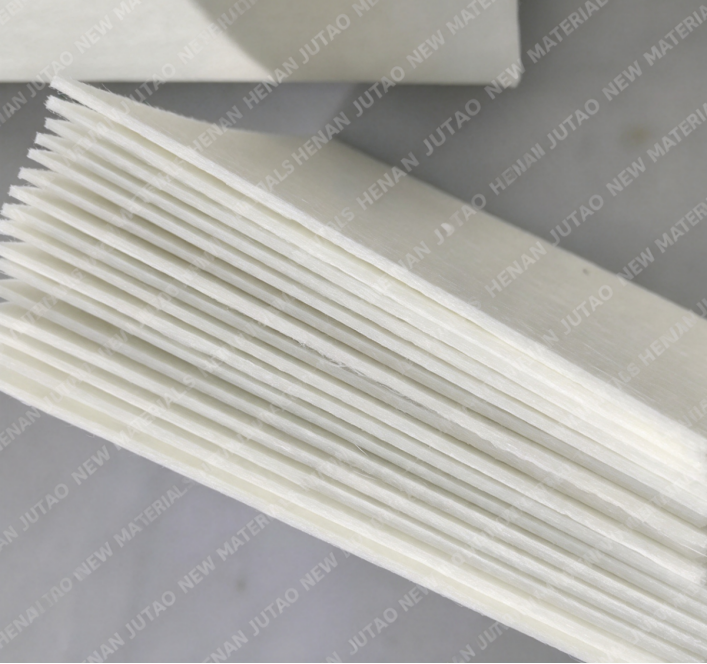
The core material forms the internal filling structure of the VIP. Common materials include glass fibre, fumed silica, aerogel, or microporous polyurethane.
The core serves several key functions:
- Providing mechanical support to prevent panel shrinkage or collapse under vacuum conditions
- Reducing solid conduction and thermal radiation
- Ensuring long-term thermal insulation performance
- Getter (Gas Adsorbent)
The getter is an essential component of VIPs. Its function is to adsorb residual or permeated gases generated either by material outgassing or external diffusion.
This ensures that the internal environment maintains a stable and high vacuum level, which is critical for the insulation performance of the panel.
Manufacturing Process
A finished VIP is produced through the following steps:
- The getter is placed inside the core material
- The core is inserted into the barrier envelope
- The envelope is evacuated using high-precision equipment and hermetically sealed
Once fully sealed under vacuum conditions, the integrated structure forms a functional Vacuum Insulation Panel.
Jutao Environmental Technology — Specialists in Aerogel Material Solutions
Stay connected with us for the latest updates, industry insights and application solutions in the aerogel sector.