








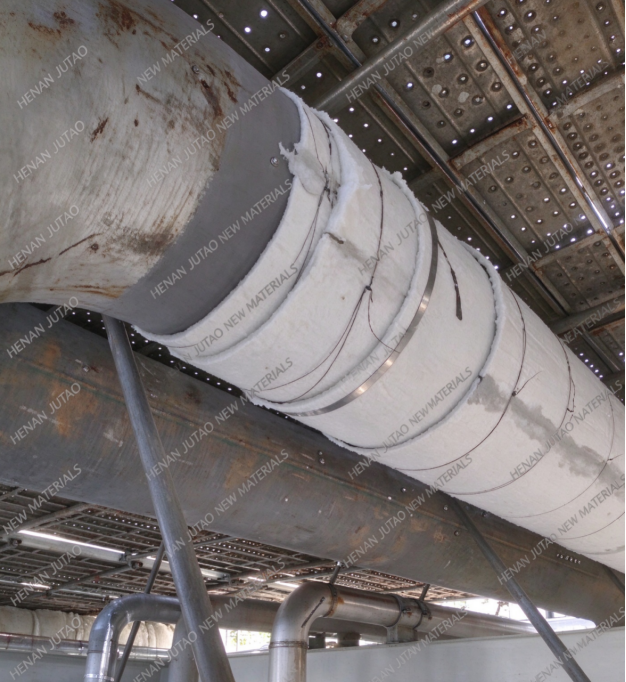
Brief Description of the Characteristics of Microporous Insulation Materials
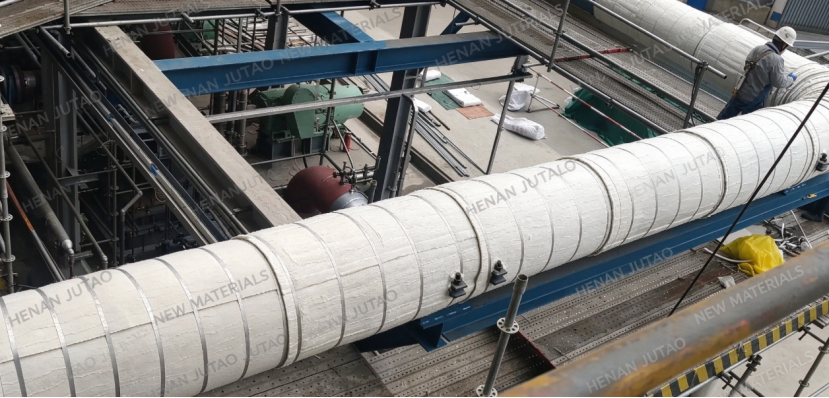
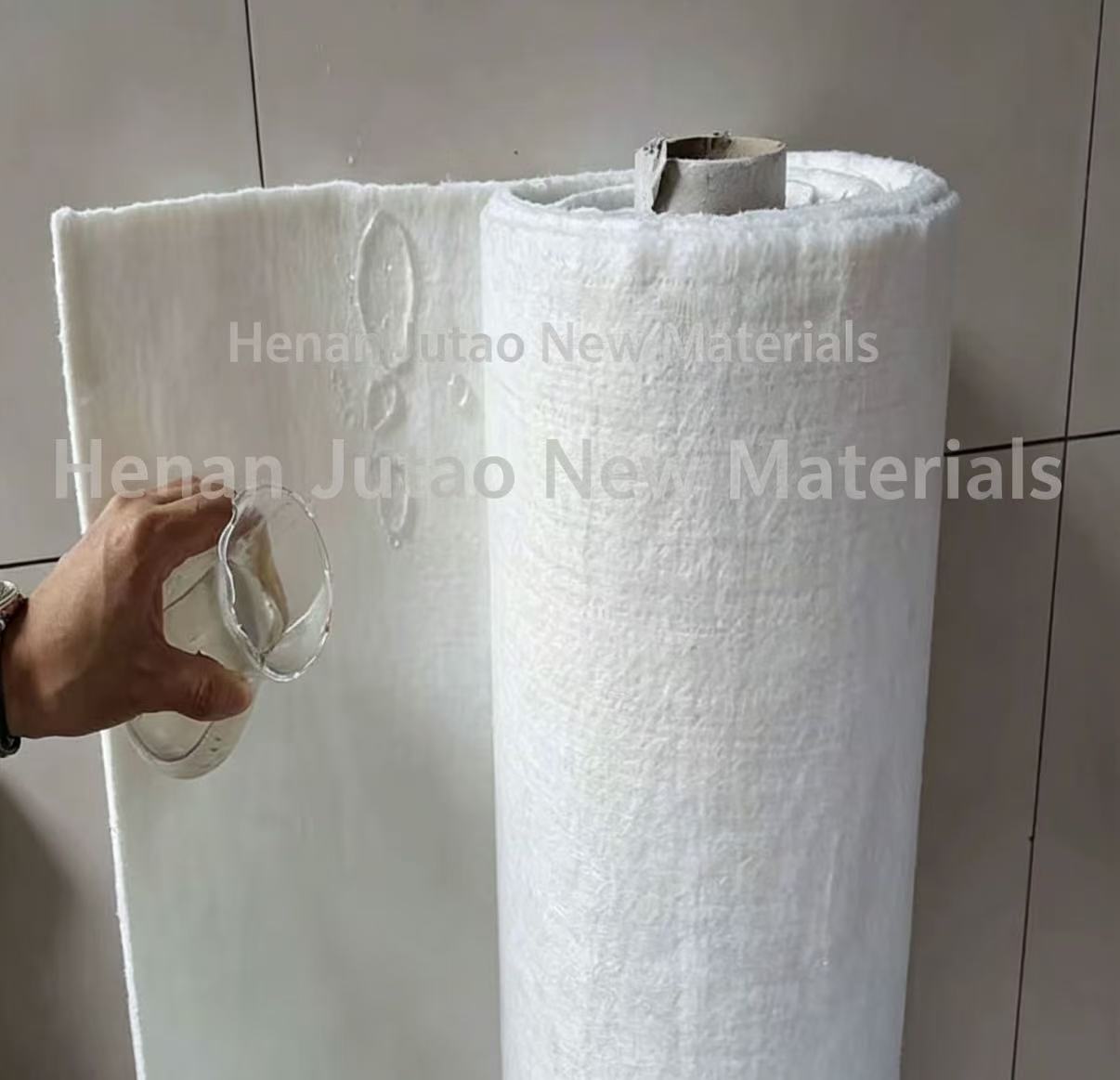
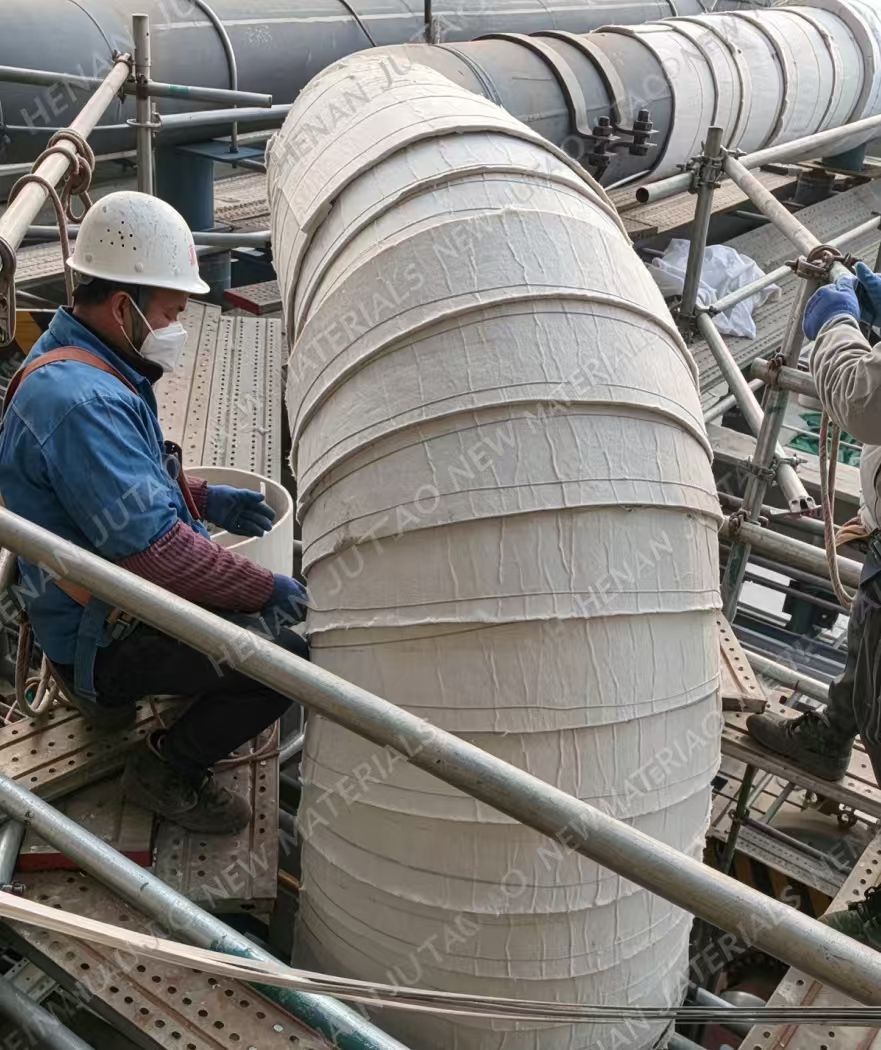
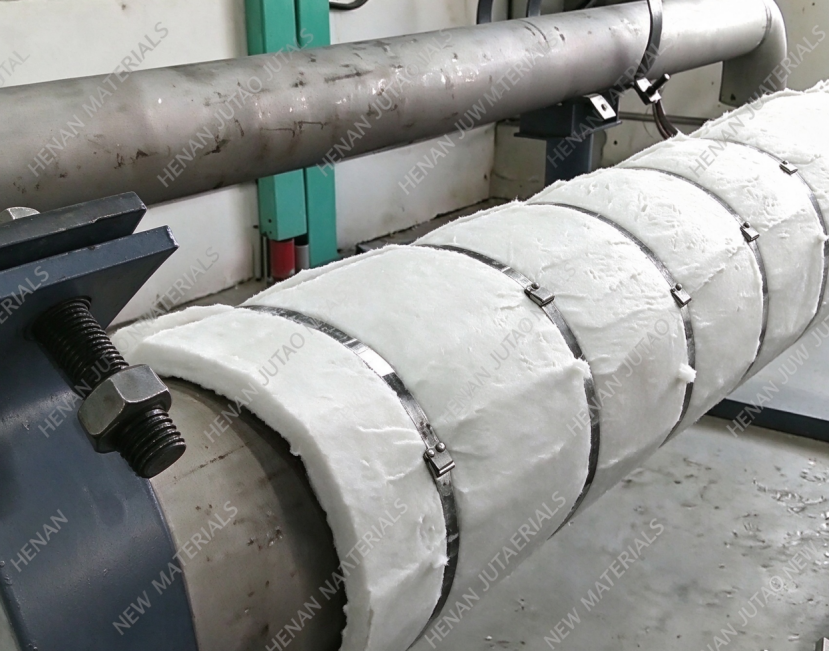
Due to their ultra-fine pore structure, these materials exhibit exceptional thermal insulation performance. They are also known as nano boards, nano insulation panels, super-insulation materials, nano composite insulation boards, nano aerogel insulation boards, and nano microporous insulation materials.
To minimise heat transfer through the solid phase, the solid framework acting as a gas barrier must be made extremely thin. When the pore size is restricted to the nanometre scale, both gas conduction and convection can be effectively suppressed. The structure of the microporous insulation board consists of nano-sized particles forming nano-scale voids, which limit the movement of air molecules and result in a thermal conductivity lower than that of still air.
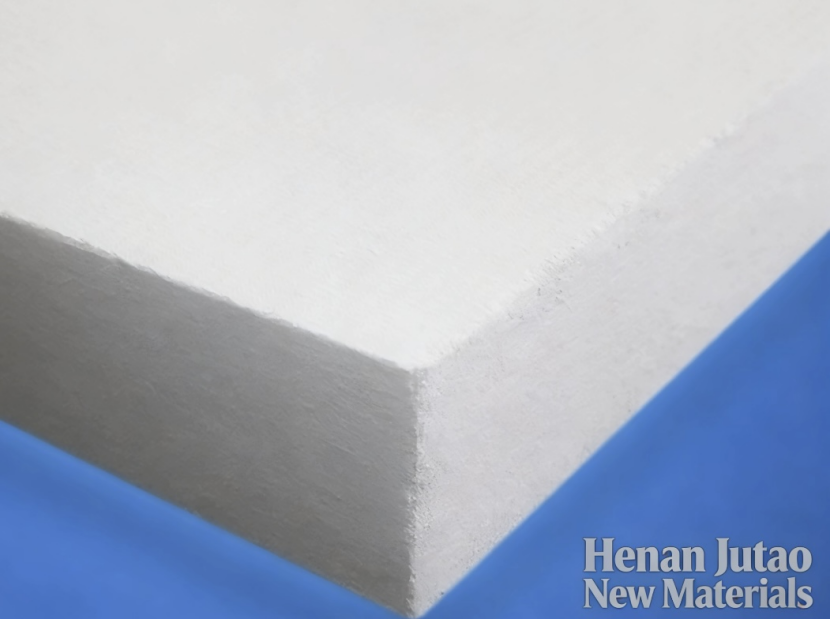
Key Characteristics of Microporous Insulation Materials
- Non-toxic and environmentally friendly
They contain no respirable hazardous fibres, produce no smoke or odour when heated, and do not cause skin irritation upon contact.
- Extremely low thermal conductivity
Their insulation performance is 3 to 4 times better than that of traditional insulation materials such as ceramic fibre, calcium silicate or mineral wool.
- High temperature resistance up to 1100 °C
The material maintains structural integrity and insulation performance under high-temperature conditions.
- Minimal increase in thermal conductivity with rising temperature
The thermal conductivity shows very little temperature dependence, making the material ideal for high-temperature insulation applications.
- A1 non-combustible material with excellent thermal stability
It exhibits low heat storage, strong resistance to thermal shock and a long service life.
The nano-scale particle structure results in point-to-point contact with extremely high thermal resistance, significantly reducing solid-phase thermal conduction.
Moreover, the nano-particles form a vast number of pores with an average size of approximately 20 nm. Given that the mean free path of air molecules at room temperature is about 60 nm, air molecules are effectively “locked” within the nano-pores, eliminating micro-convection. As a result, the thermal conductivity of microporous insulation materials at room temperature can be lower than that of still air.
Jutao Environmental Technology — Specialists in Aerogel Material Solutions
Stay connected with us for the latest updates, industry insights and application solutions in the aerogel sector.