



News










0102030405
Boost Your Project's LEED Score with Vacuum Insulation Panels
2026-06-01
In the green certification race for commercial buildings and high-end residences, the selection of every innovative building material is critical. As a cutting-edge solution for optimizing the thermal performance of building envelopes, Vacuum Insulation Panels (VIP) are rapidly becoming a key asset for achieving LEED v4.1 (Leadership in Energy and Environmental Design) certification. If you are seeking a material that can drastically improve energy efficiency and earn valuable certification points for your project, understanding the value of vacuum insulation panels within the LEED v4.1 framework is essential.
Vacuum Insulation Panels: A Game-Changer for Building Energy Efficiency
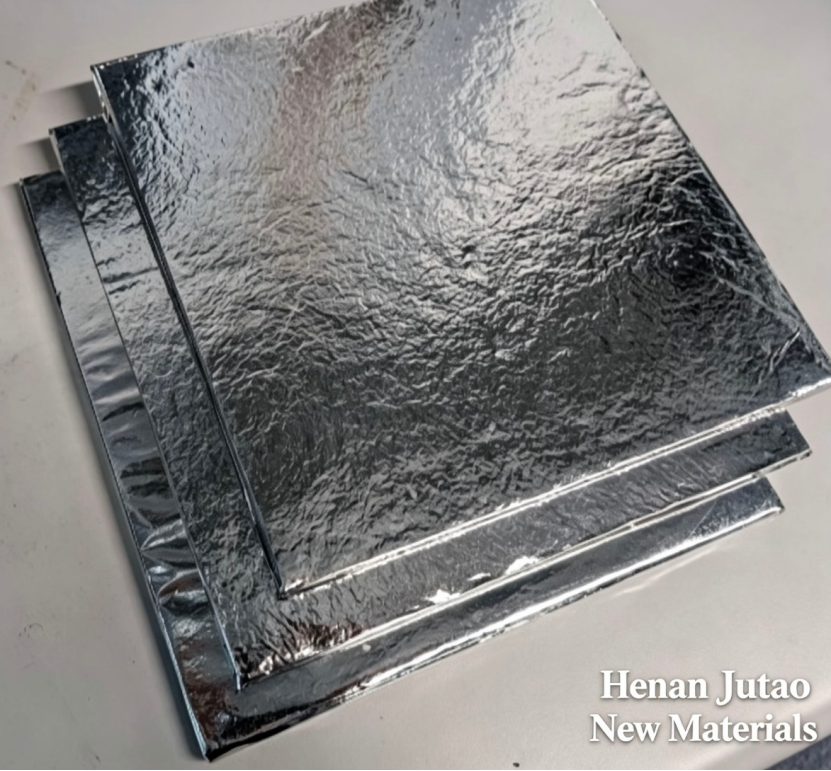
Vacuum Insulation Panels (VIP) feature an ultra-low thermal conductivity of less than 0.005 W/(m·K), completely redefining the performance limits of traditional insulation materials. Energy performance stands as the core scoring pillar in the LEED v4.1 system. By integrating vacuum insulation panels into wall, roof, or floor assemblies, projects can easily exceed the baseline energy consumption requirements of ASHRAE 90.1, laying the foundation for earning points in the Energy and Atmosphere category.
Targeting Core LEED v4.1 Scoring Credits
The LEED v4.1 certification system imposes comprehensive sustainability requirements on buildings. The application of vacuum insulation panels contributes to project certification scores across several key areas:
1. Energy and Atmosphere (EA)
This category represents the largest point contribution from vacuum insulation panels. By significantly reducing building heat loss and heat gain, VIPs directly elevate the overall energy efficiency of the structure.
Optimize Energy Performance
As one of the highest-weighted credit categories in LEED v4.1, this credit rewards exceptional thermal barrier performance delivered by vacuum insulation panels. Projects utilizing VIPs can earn up to 18–20 points, enabling your building to not only meet basic energy-saving mandates but also secure substantial carbon reduction credits by outperforming baseline energy simulations.
Building Envelope Thermal Performance
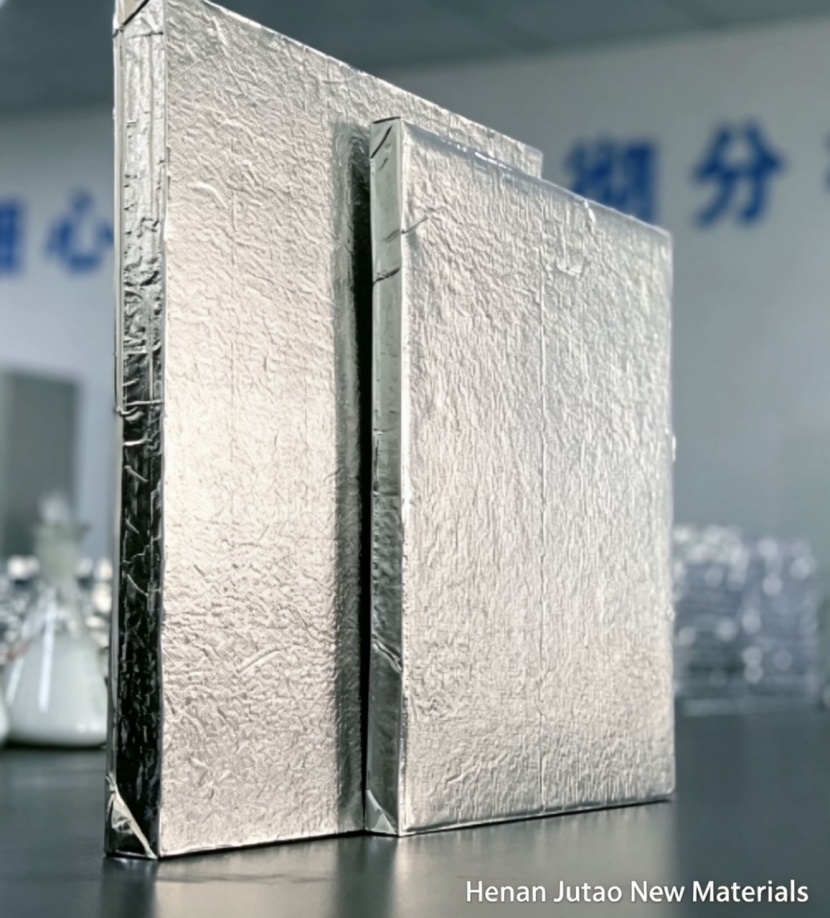
LEED v4.1 sets clear minimum thermal performance standards for building envelopes. The high thermal resistance of vacuum insulation panels makes them an ideal choice to meet and surpass these strict criteria, particularly for renovation projects or high-rise buildings with stringent thickness and weight constraints.
2. Materials and Resources (MR)
LEED v4.1 places increasing emphasis on the full lifecycle environmental impact of building materials.
Product Disclosure and Optimization
Leading manufacturers of high-quality vacuum insulation panels typically provide complete Life Cycle Assessment (LCA) reports and Environmental Product Declarations (EPD). These documents are mandatory for earning points under the Materials Disclosure credit. By selecting VIP products with full, transparent data, your project can directly gain 1–2 points in this category.
Low Global Warming Potential
Compared to conventional insulation materials, vacuum insulation panels significantly reduce greenhouse gas emissions during production and service life, aligning perfectly with LEED requirements for minimizing material environmental footprints.
3. Innovation (IN)
LEED v4.1 encourages projects to adopt innovative strategies to address sustainability challenges.
Innovation
The use of vacuum insulation panels as an advanced building material qualifies as an innovative strategy for credit submission. Especially when VIPs resolve thermal bridging issues at complex building details or achieve ultra-high thermal performance within limited space, review boards commonly award innovation points.
Buyer’s Perspective: How to Select LEED-Compliant Vacuum Insulation Panels?
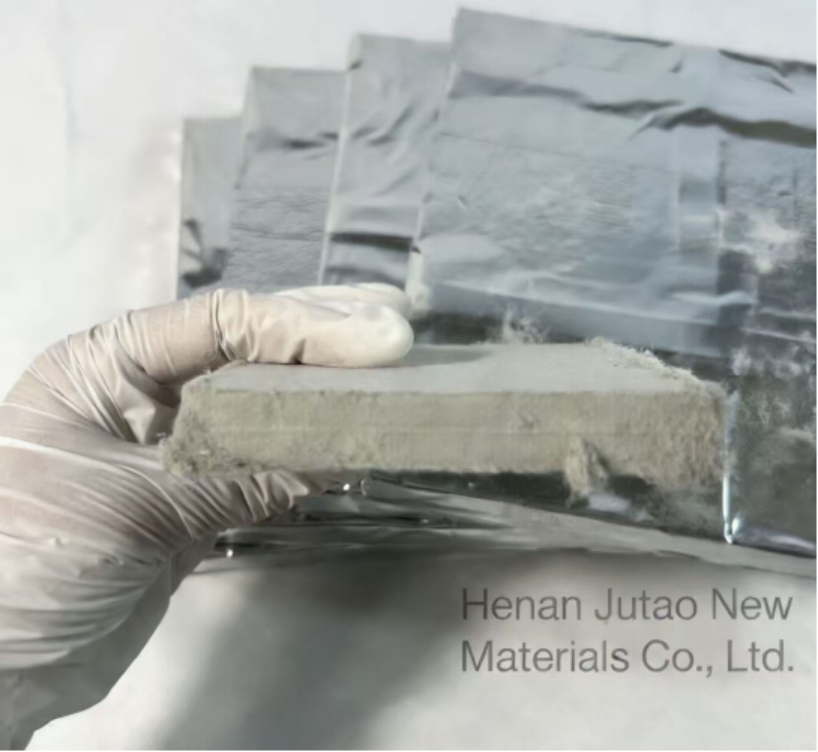
For B2B buyers evaluating supply chains, choosing the right vacuum insulation panels is critical to certification success. Prioritize these key factors when engaging with suppliers:
- Accurate Performance Data: Verify that suppliers provide thermal conductivity test reports from authorized institutions, ensuring product performance matches simulation data required for LEED certification.
- Product Lifespan & Stability: LEED certification prioritizes long-term building performance. Request accelerated aging test data and expected service life (typically over 25 years) to validate long-term performance reliability of VIPs.
- Environmental Compliance: Confirm product compliance with environmental directives such as RoHS and REACH, and review supplier recycling and disposal solutions.
Conclusion
Incorporating vacuum insulation panels into your construction project represents more than an upgrade in material performance—it is a decisive step toward achieving LEED v4.1 certification. By strategically leveraging point contributions in Energy and Atmosphere, Materials and Resources, and Innovation, you can significantly enhance your project’s green competitiveness and unlock the market value and brand premium associated with formal certification.
When selecting a vacuum insulation panels partner, always choose top-tier manufacturers that deliver complete technical documentation, verified performance data, and lifecycle assessment reports. This ensures a smooth, efficient path to LEED certification for your building project.