


Application of Aerogels in Building Roofs
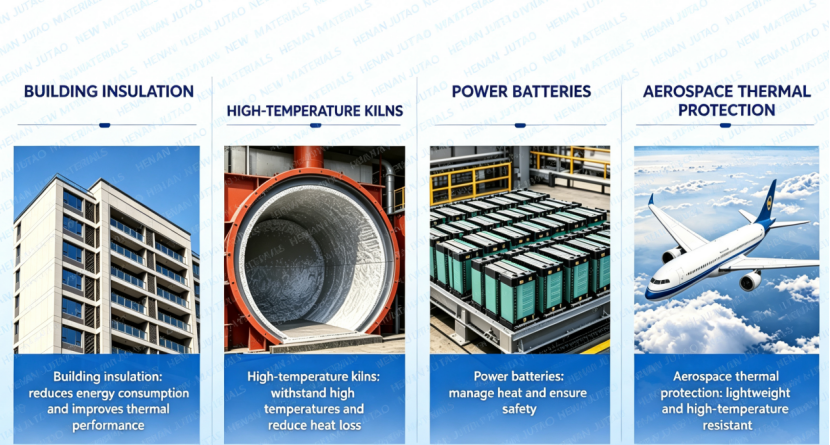
The core value of aerogels in roofing applications lies in their high-efficiency insulation and lightweight nature, addressing the issues of excessive heat absorption in summer and rapid heat dissipation in winter with an extremely thin layer, while avoiding the added weight that traditional insulation materials place on the roof structure.
- Thermal Insulation and Energy Consumption Reduction
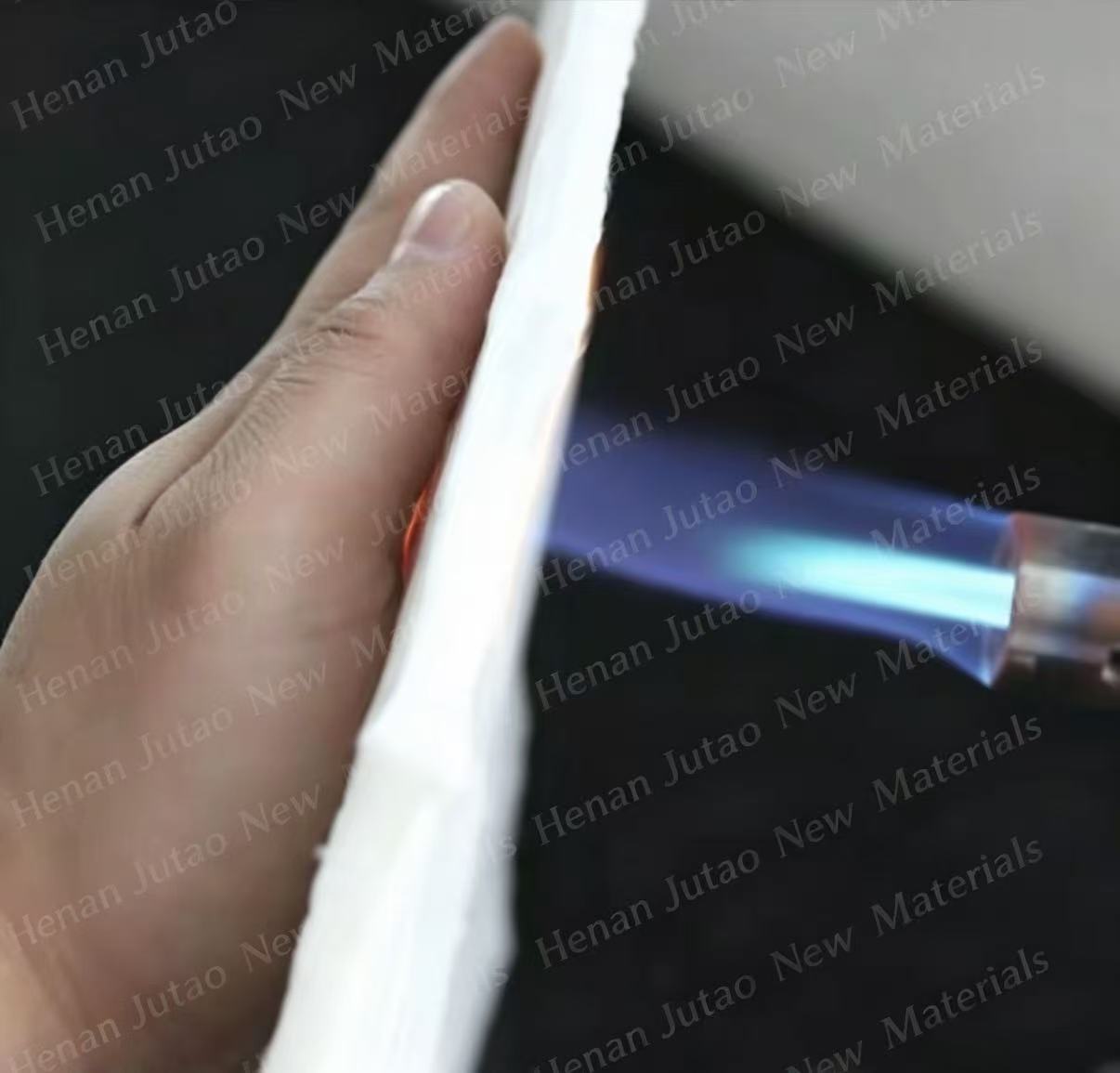
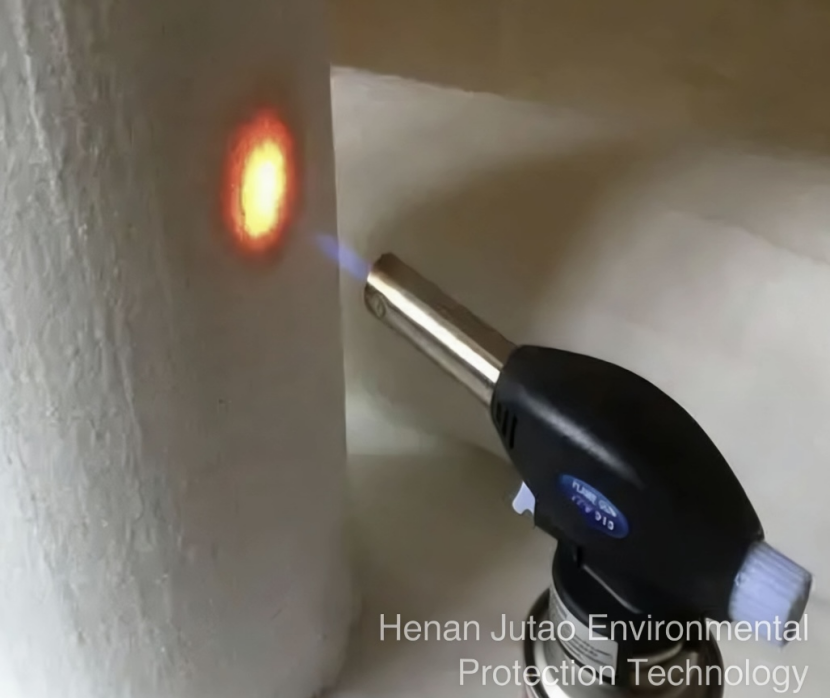
Aerogels have an extremely low thermal conductivity (typically < 0.02 W/(m·K)), far superior to traditional materials like extruded polystyrene boards or rock wool. When used on roofs, they can significantly reduce the amount of heat entering the interior during hot summer months, lowering air conditioning energy consumption. In winter, they also reduce heat loss inside the building, reducing heating costs. Aerogels are particularly suitable for flat roofs, glass roofs, and other high insulation-demand scenarios.
- Lightweight, Structural Protection
Aerogels have a volume density of only 30-200 kg/m³, much lower than traditional insulation materials. For roofs (especially on old buildings or light steel roofs), this significantly reduces the load that the insulation layer places on the roof structure, preventing risks such as roof cracking or collapse caused by overly heavy materials.
- Waterproof, Anti-aging, Long Lifespan
Most aerogel products are hydrophobically modified to effectively block rainwater penetration, avoiding issues associated with traditional insulation materials, such as moisture absorption, reduced insulation performance, and mold growth. Additionally, aerogels are chemically stable, UV-resistant, and highly durable, reducing maintenance and replacement costs over time.
- Strong Adaptability, Easy Installation
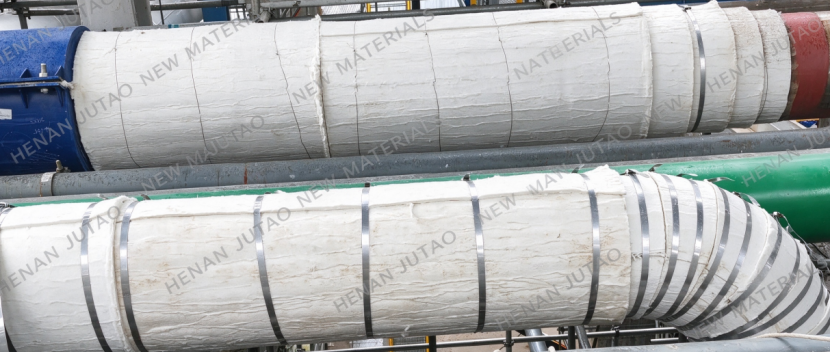
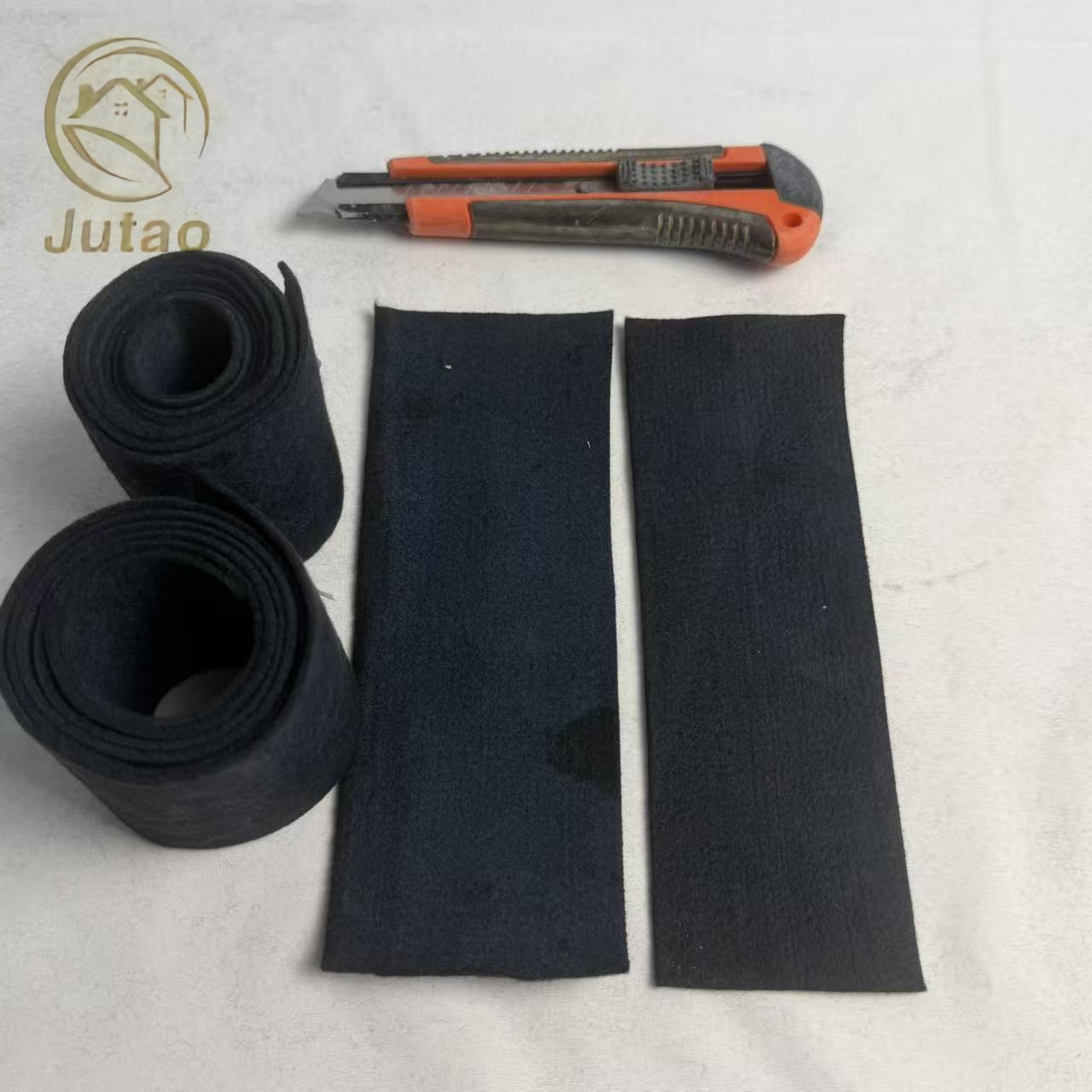
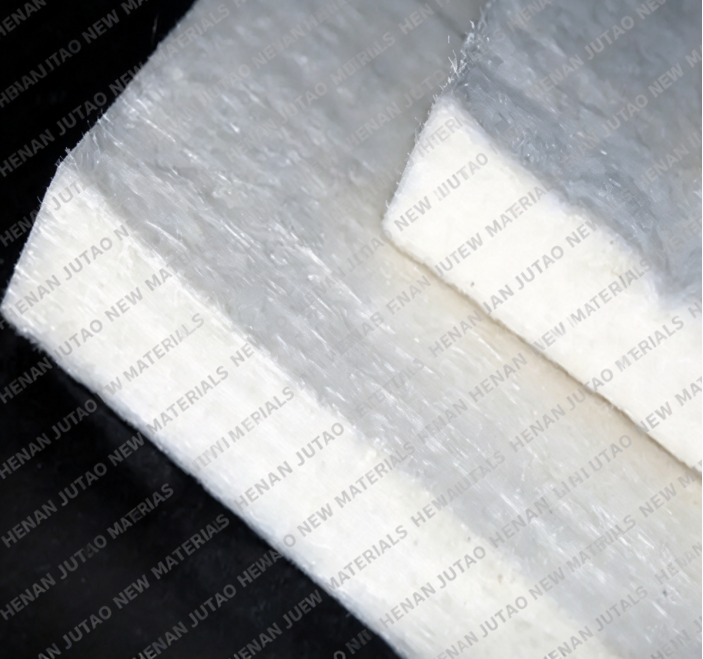
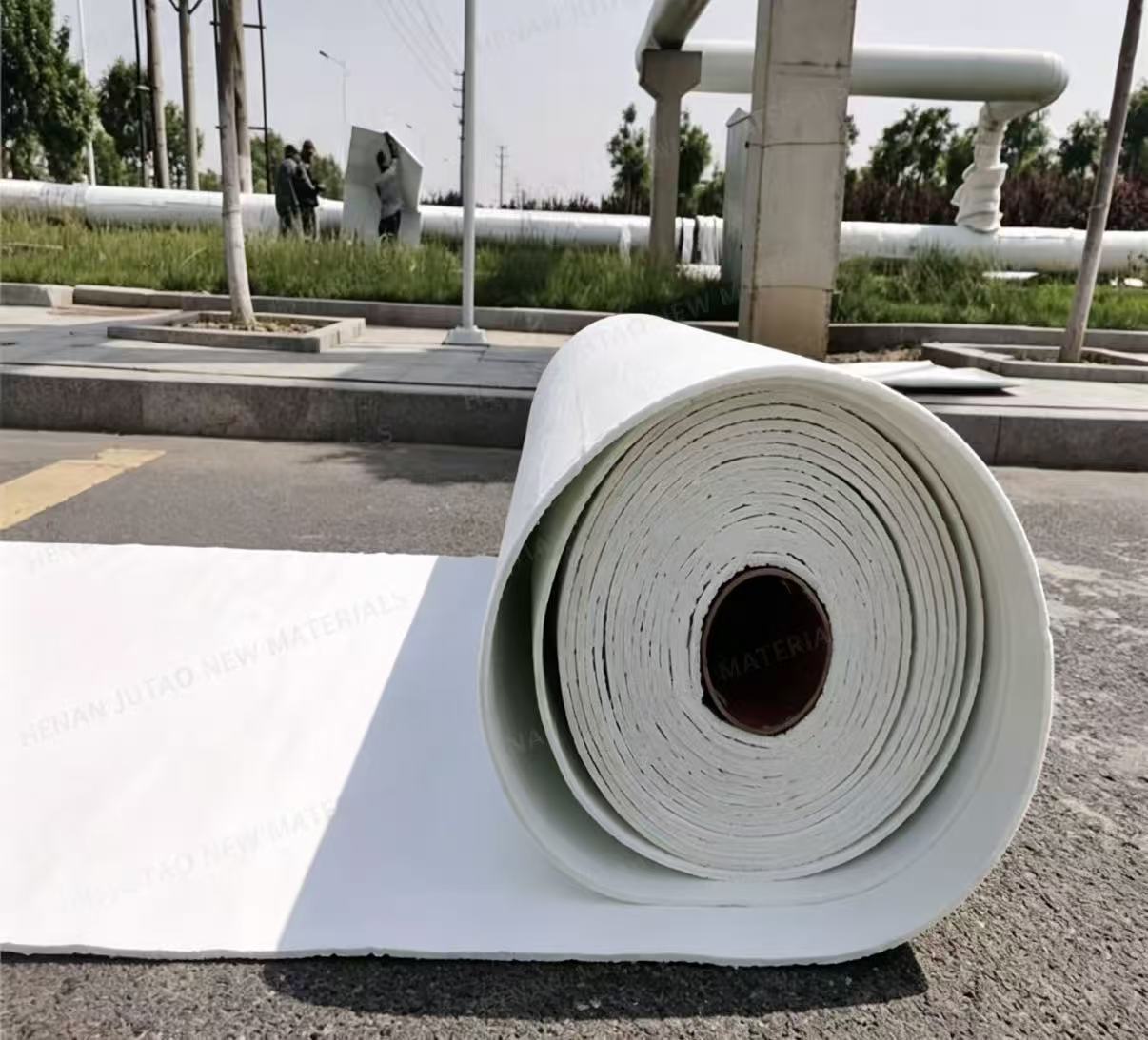
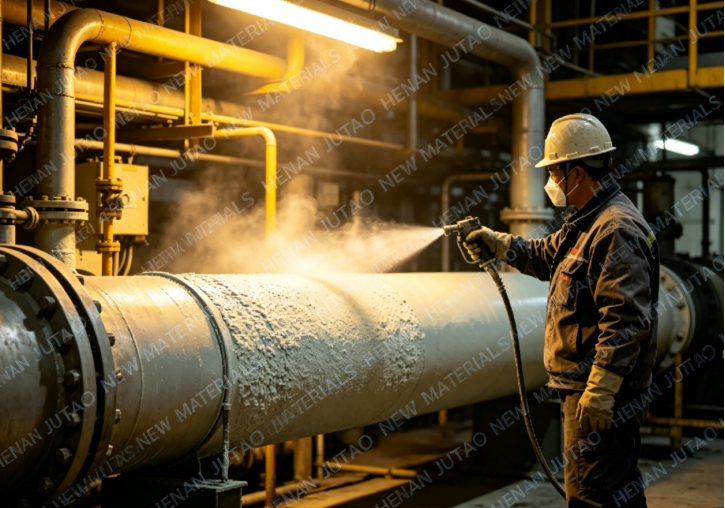
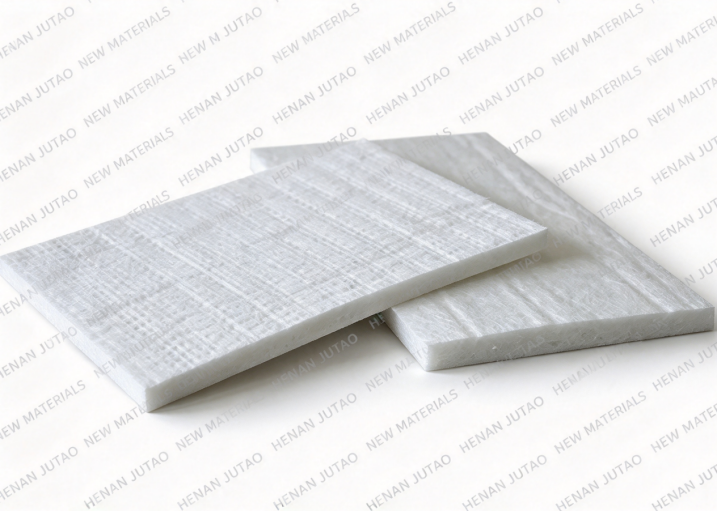
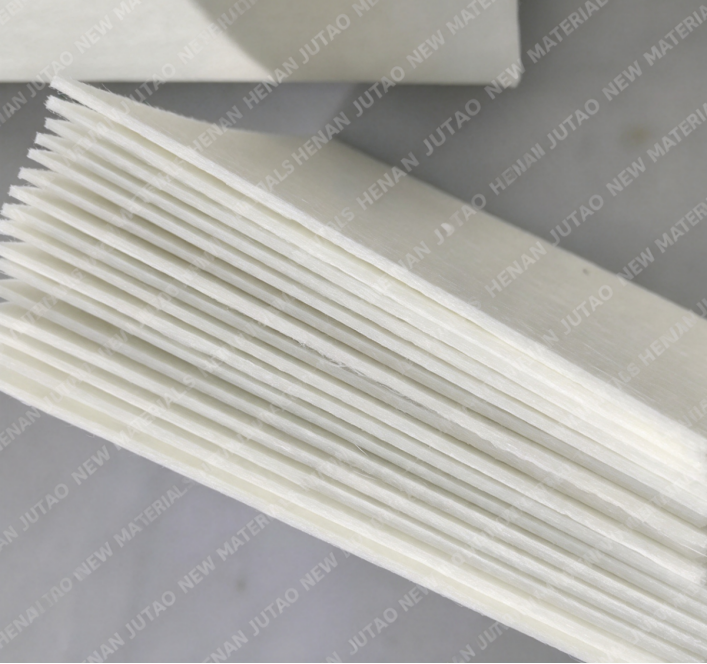
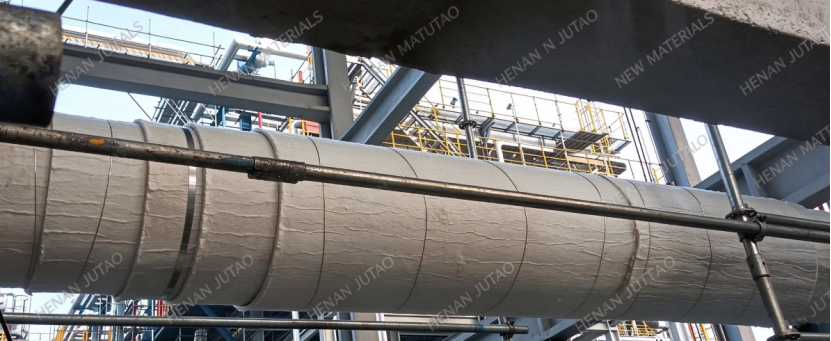
Aerogels can be processed into various forms, including insulation boards, blankets, and mortars, making them adaptable to different types of roofing structures. For example, insulation boards can be directly applied to the waterproof layer of flat roofs, insulation blankets can conform to curved roofs or light steel roofs, and insulation mortars are suitable for site application on irregular roof shapes, providing flexibility during construction.
Jutao Environmental Technology — Specialists in Aerogel Material Solutions
Stay connected with us for the latest updates, industry insights and application solutions in the aerogel sector.