


Application Advantages of Aerogel Materials in New Energy Vehicle Batteries
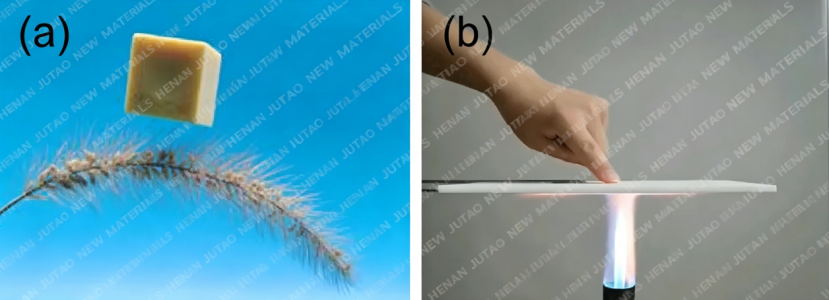
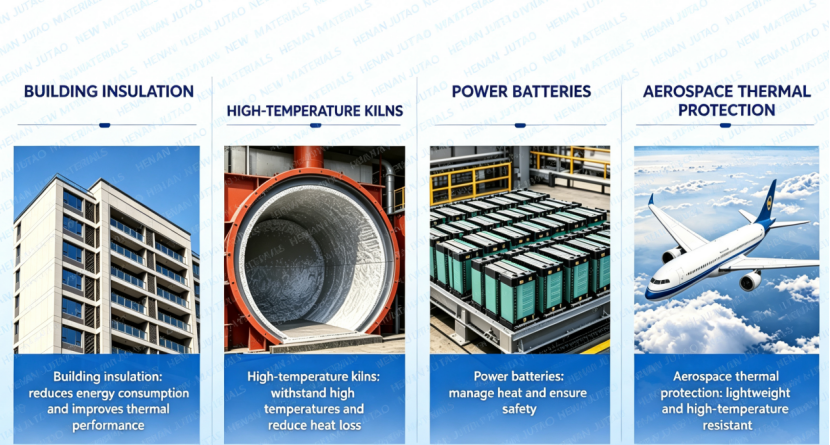
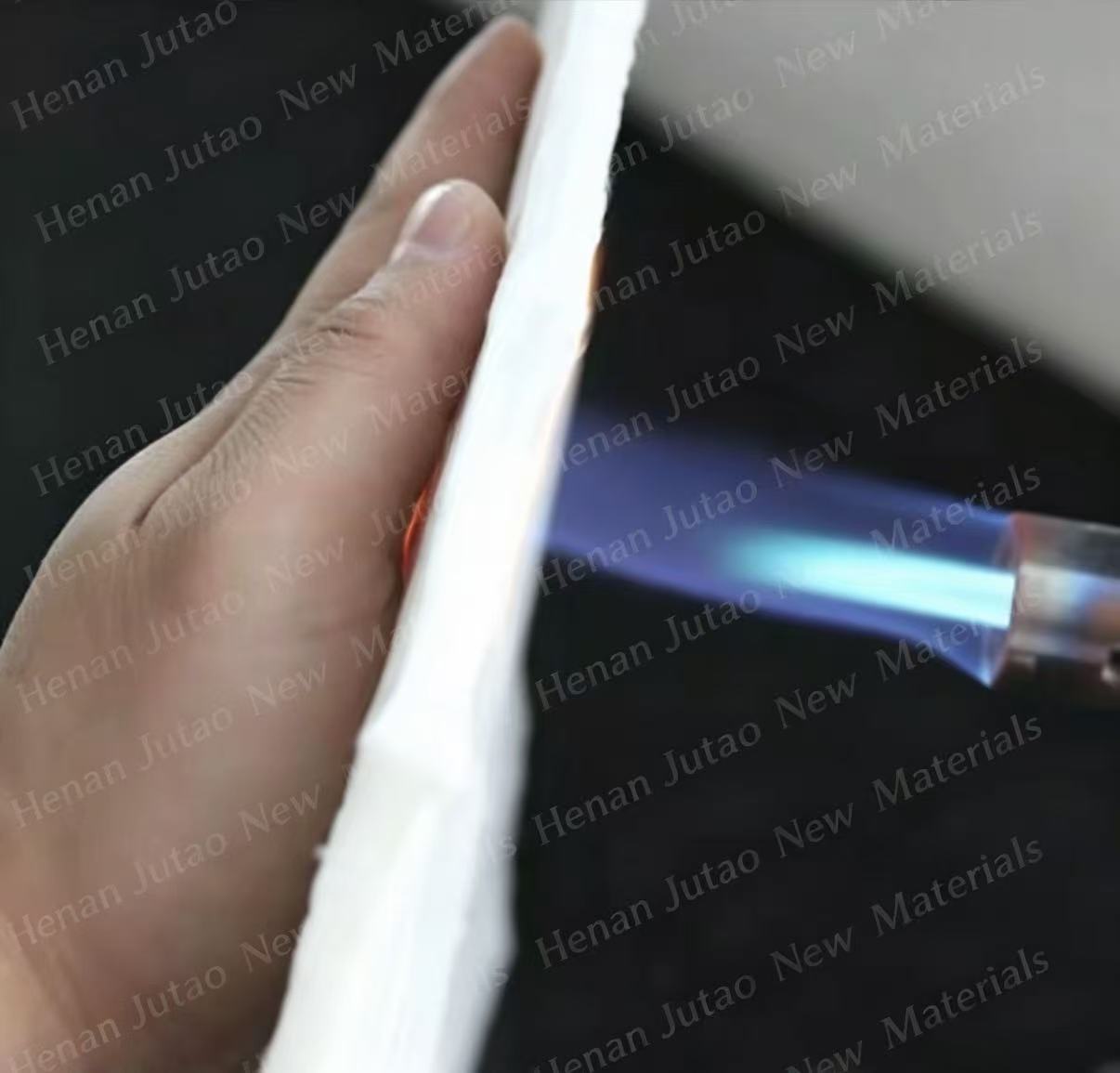
In the field of new energy vehicles (NEVs), aerogels play a particularly crucial role. To meet the requirements for high efficiency, safety and environmental protection, aerogels are widely used as thermal barriers between battery modules. Their outstanding insulation capability effectively prevents heat transfer in the event of thermal runaway, ensuring stable operating temperatures and providing additional impact resistance.
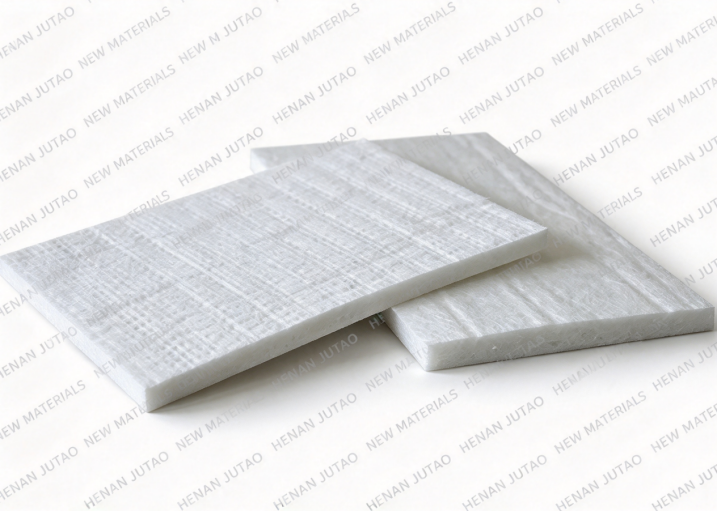
⭐ Structural Characteristics of Aerogel Insulation Sheets
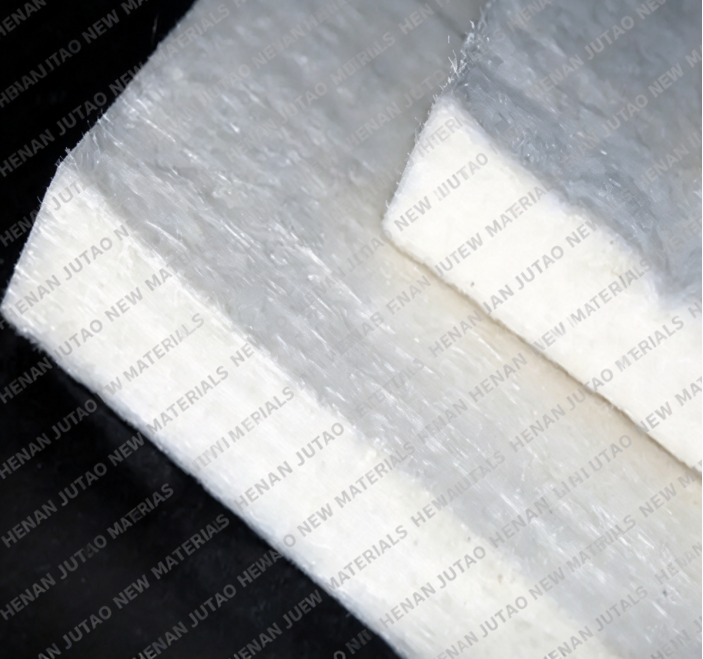
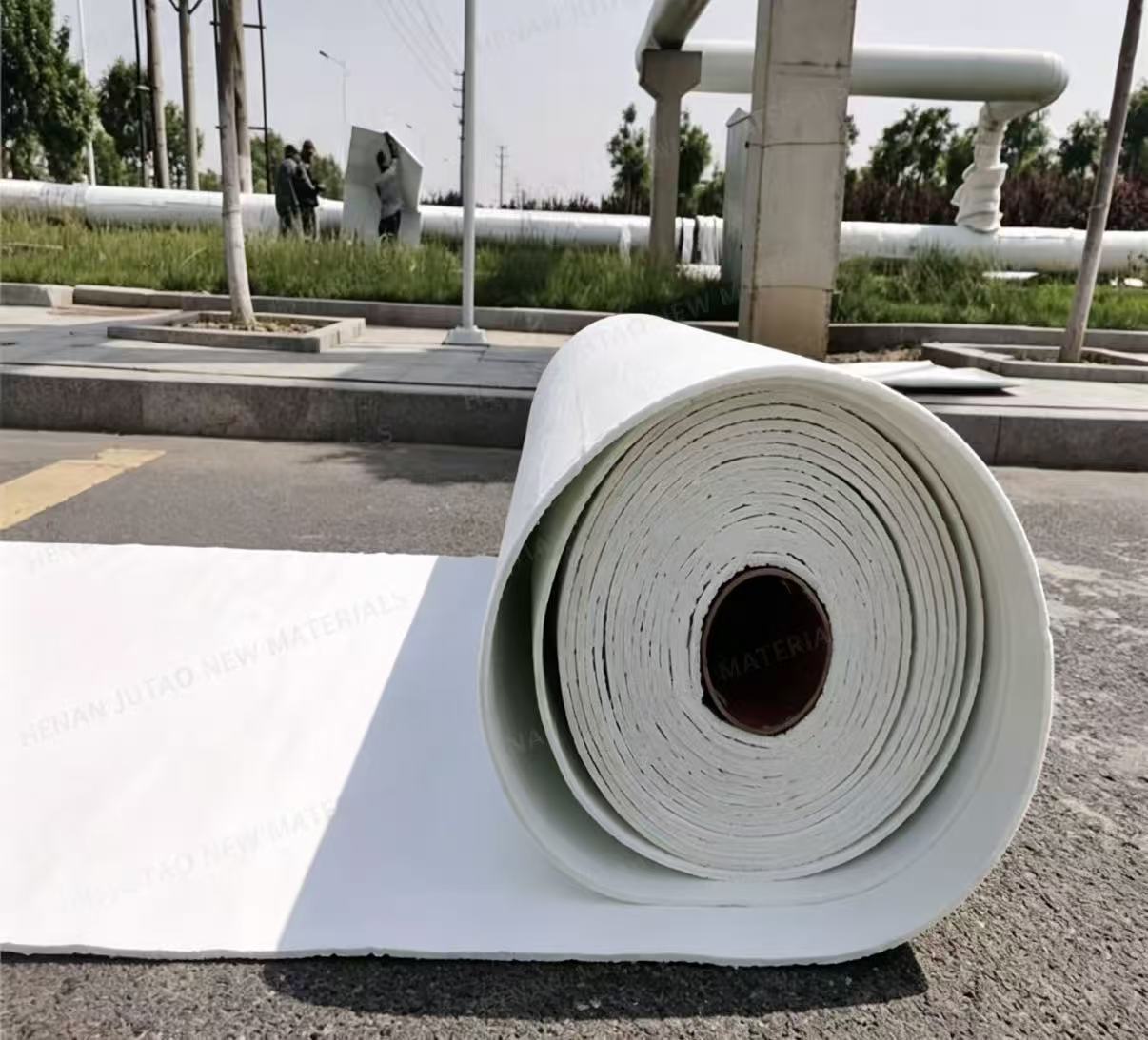
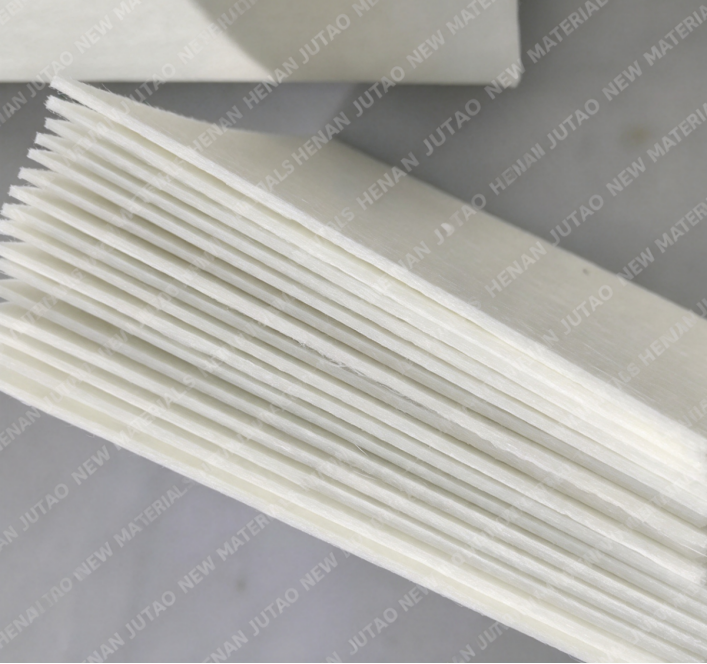
Aerogel insulation sheets are reinforced with pre-oxidised fibres and produced through sol-gel impregnation, gelation, surface modification and supercritical drying.
This creates a nano-porous solid framework filled with gaseous media, enabling superior performance across multiple fields including thermal, acoustic, optical, electrical and mechanical properties.
Key Advantages in NEV Power Battery Systems
01 Enhanced Safety
- Effectively blocks heat transfer during thermal runaway
- Reduces the risk of thermal propagation within the vehicle
- Extends the available evacuation time for passengers
- Maintains batteries within an optimal operating temperature range
➡ Improved battery reliability and prolonged service life
02 Optimised Temperature Management
- Ultra-low thermal conductivity limits heat diffusion during high-rate charging/discharging
- Acts as an efficient thermal barrier during failure events
➡ Slows down or prevents accident escalation
03 Environmental Protection & Higher Efficiency
- Lightweight design contributes to lower overall energy consumption
- Eco-friendly material, aligned with NEV sustainability goals
➡ Growing adoption within battery packs and vehicle structures
04 Space Saving
- Achieves excellent insulation with minimal thickness
- Allows more space for energy-storage components
➡ Higher energy density and extended driving range
Flexibility & Mechanical Robustness
Composite aerogel sheets:
- Retain low weight and thermal insulation properties
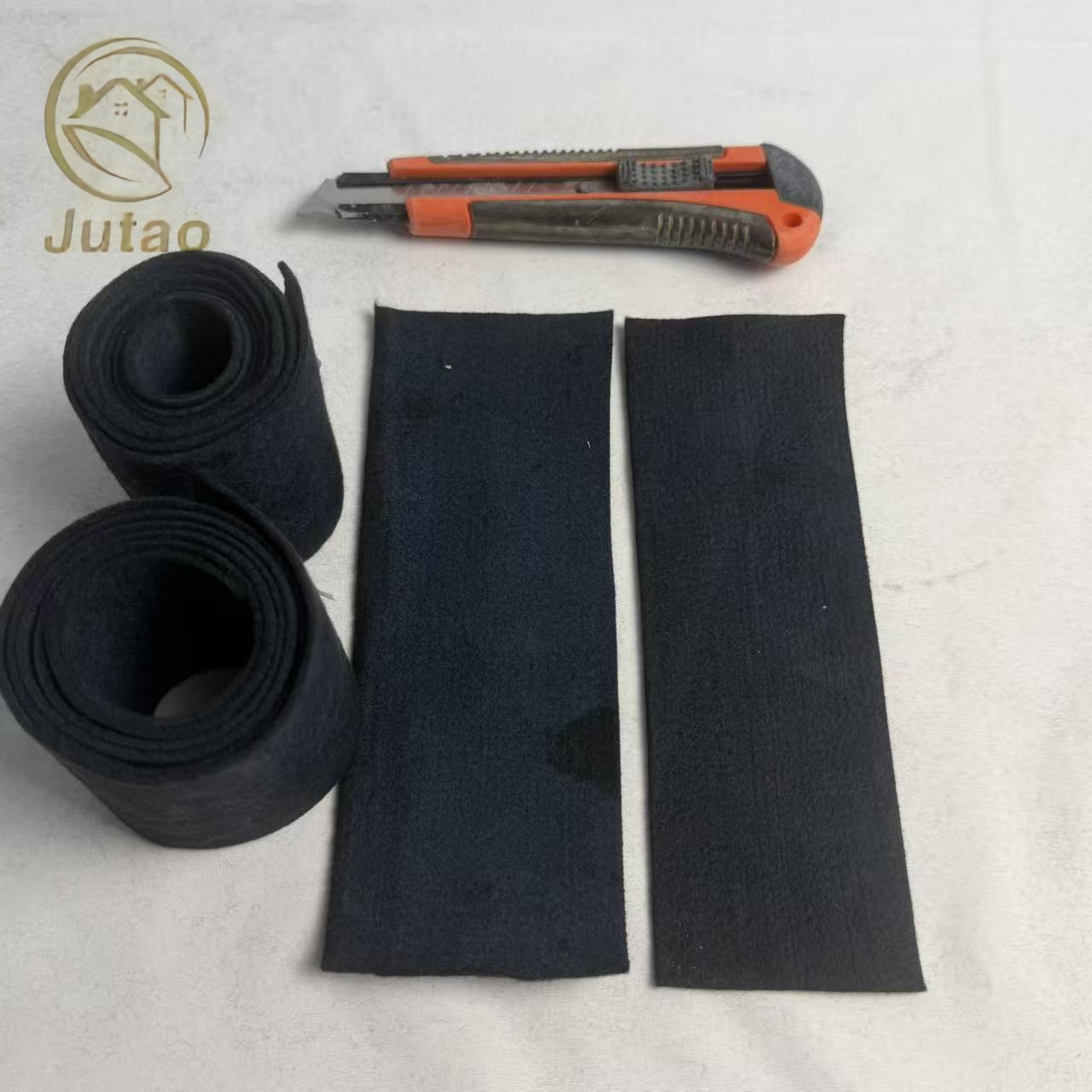
- Gain flexibility and toughness from fibre reinforcement
➡ Accommodate dimensional changes during charge-discharge cycles and resist impact loads
Broader Automotive Applications
Application Area Functional Benefit
Between battery modules and casing Thermal insulation and shock absorption
External battery pack layers Anti-freeze protection and high-temperature resistance
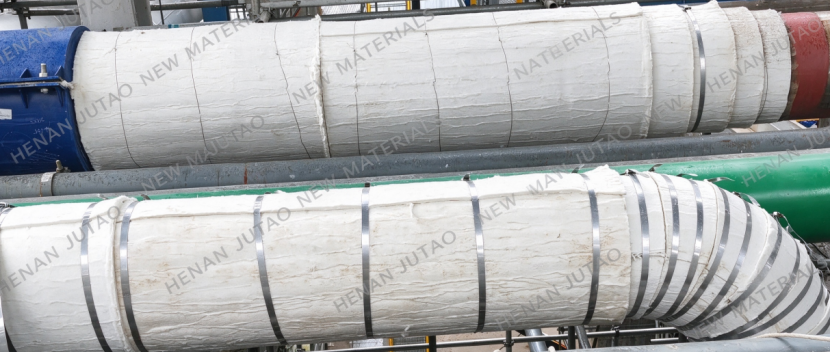
Vehicle structure such as roof, door frames and engine compartments Enhanced cabin temperature retention and energy efficiency
➡ Reduced vehicle energy consumption with minimal space requirements
Conclusion
Driven by the “Dual-Carbon” strategy, the rapid growth of the NEV industry will continue to boost demand for aerogel materials. With superior insulation, flame resistance, lightweight design and environmental benefits, aerogels are becoming an essential enabling material for safer, more efficient and more compact electric vehicles.
Jutao Environmental Technology — Specialists in Aerogel Material Solutions
Stay connected with us for the latest updates, industry insights and application solutions in the aerogel sector.