












Aerogels Enhancing Heat Network Efficiency and Ensuring Reliable Winter Heating
Its advantages are reflected in the following aspects:
- Exceptional Thermal Insulation Performance
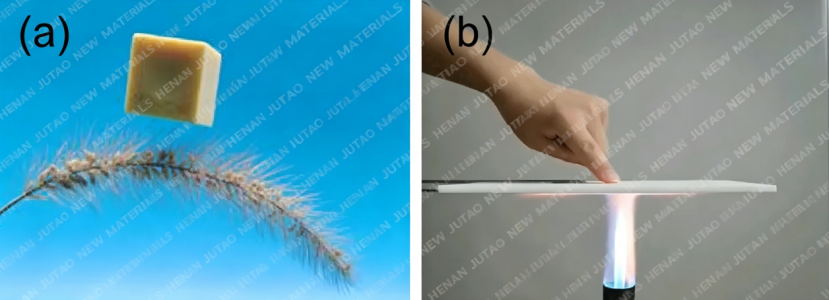
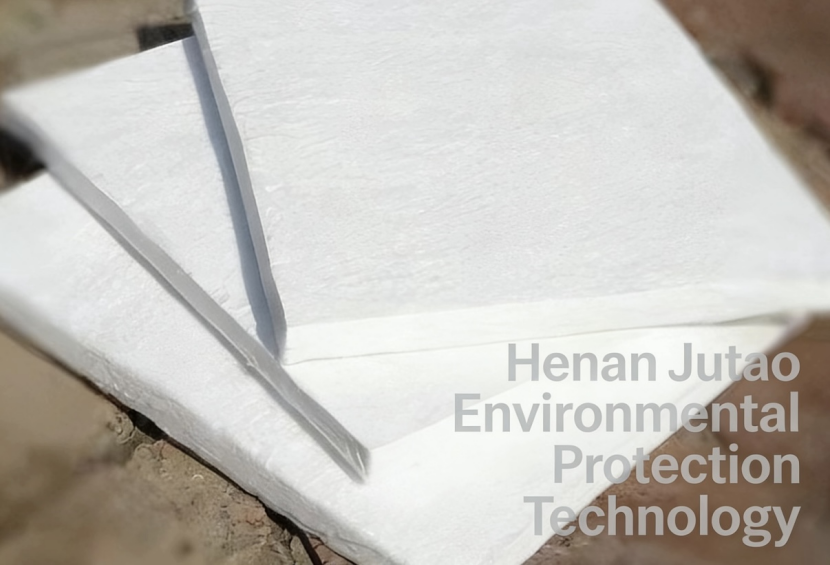
The thermal conductivity of aerogel blankets can be as low as 0.013 W/(m·K), only one-third to one-fifth of that of conventional insulation materials, delivering 2 to 8 times better insulation performance.
For 350°C steam pipelines, aerogel insulation enables:
- A reduction in insulation thickness by approximately two-thirds
- Over 40% energy savings
This significantly reduces heat losses along district heating transmission pipelines and improves overall energy utilisation efficiency.
- Reduced Heat Loss and Lower Operating Costs
Replacing glass wool with aerogel insulation in primary heat networks helps to:
- Minimise insulation thickness
- Reduce energy consumption and heat loss
- Lower fuel usage at the heat source (coal or natural gas)
This directly decreases the operational costs for heating companies.
- Outstanding Water-repellence, Extending Pipeline Service Life
With a water-repellence rate above 99%, aerogels effectively prevent moisture ingress, thereby:
- Maintaining stable insulation performance
- Avoiding corrosion caused by damp conditions
Unlike rock wool or aluminium silicate products, which easily absorb water and require additional waterproofing, aerogels ensure long-term durability of the heat network and a reliable winter heat supply.
- Easy Application and Lower Installation Costs
Aerogel insulation coatings can be brush-applied or spray-applied directly onto pipeline surfaces:
- No complicated installation procedures
- Shorter construction time and reduced labour costs
Aerogels also provide seamless coverage on complex components such as bends, valves and flanges, avoiding thermal bridges commonly found with traditional insulation materials.
- Excellent Fire Resistance, Enhancing System Safety
Aerogel blankets are non-combustible and remain structurally stable under high temperatures, which:
- Reduces fire risks during operation
- Improves the overall safety and stability of district heating systems
This is essential in harsh and unpredictable heating environments.
- Strong Environmental Adaptability, Ensuring Heat Supply Performance
With an inorganic composition and robust mechanical strength, aerogels:
- Do not sag or deform due to vibration or moisture
- Maintain controlled temperature drop of only 3–5°C per kilometre
This effectively addresses efficiency losses over long-distance heat transmission and guarantees comfortable indoor heating for end users.
Conclusion
As a next-generation insulation material, aerogel is accelerating its integration into district heating networks. By significantly improving energy efficiency, enhancing system safety and strengthening heating reliability, it provides a vital contribution to securing winter heat supply and achieving sustainable development across the heating sector.
Jutao Environmental Technology — Specialists in Aerogel Material Solutions
Stay connected with us for the latest updates, industry insights and application solutions in the aerogel sector.