


Aerogel Wall Supplier Preparation Technology of Fibre-Reinforced Aerogel Insulation Panels Technical Q&A (Part I)
Question 1
What are the key differences in preparation processes between fibre-reinforced aerogel insulation panels and conventional aerogels?
Answer:
Conventional aerogels are typically produced using a pure sol–gel process followed by supercritical fluid drying (SCFD). While this approach enables extremely low thermal conductivity, it is associated with high production costs, long processing cycles, and significant material brittleness.
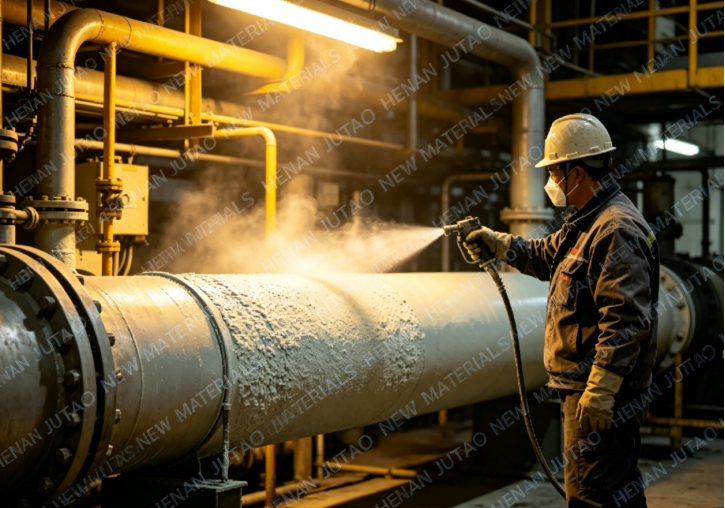
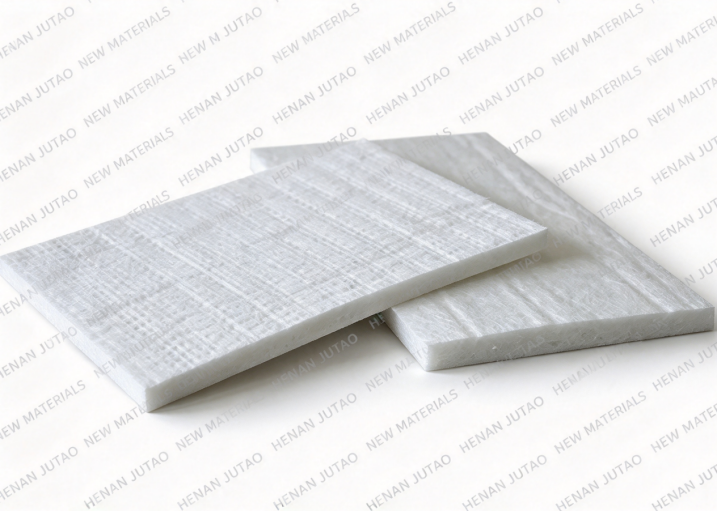
In contrast, fibre-reinforced aerogel insulation panels are manufactured by integrating reinforcing phases—such as inorganic fibres or organic polymers—into the aerogel matrix. This composite approach provides enhanced structural support and allows for more flexible forming processes, including impregnation, coating, and moulding.
In addition, the drying stage can be conducted using ambient pressure drying (APD), enabled by surface modification techniques and the use of drying control additives to suppress capillary shrinkage. This significantly reduces manufacturing complexity and improves scalability.
The core differences can be summarised as follows:
- Introduction of reinforcing phases to achieve structural reinforcement and balanced mechanical–thermal performance;
- Replacement of supercritical drying with ambient pressure drying, making the process suitable for large-scale production;
- High adaptability of forming processes, allowing customisation for flexible, rigid, or thin-film configurations.
Question 2
As the key component of fibre-reinforced aerogels, what principles should be followed when selecting reinforcing phases?
Answer:
The selection of reinforcing phases should balance thermal performance, interfacial compatibility, mechanical reinforcement efficiency, and cost effectiveness:
- Thermal conductivity priority:
Reinforcing materials should exhibit low thermal conductivity, such as glass fibres or ceramic fibres, typically <0.04 W/(m·K).
- Good interfacial compatibility:
The reinforcing phase must be chemically or physically compatible with the aerogel matrix (e.g. silica-based systems). Surface modification of fibres using silane coupling agents is commonly employed to improve interfacial bonding strength.
- Application-oriented selection:
For high-temperature applications, inorganic fibres with thermal resistance above 1,000 °C are preferred. For flexible or lightweight applications, organic polymer reinforcements such as PET fibres or polyimide (PI) films are more suitable.
- Cost controllability:
Priority should be given to industrially scalable reinforcing materials—such as glass wool or basalt fibres—while avoiding excessive dependence on niche or high-cost nanofillers.
Jutao Environmental Technology — Specialists in Aerogel Material Solutions
Stay connected with us for the latest updates, industry insights and application solutions in the aerogel sector.