


Aerogel Wall Supplier Aerogel Knowledge Brief What is aerogel?
What is aerogel?
Aerogel is produced using a sol–gel process, followed by replacing the liquid phase within the gel with gas, resulting in a solid material with extremely high porosity. There are several types of aerogels, including silica (SiO₂) aerogels, carbon aerogels, alumina (Al₂O₃) aerogels and polymer-based aerogels. Among these, silica aerogel (SiO₂) is the most widely used.
Is aerogel harmful to the human body?
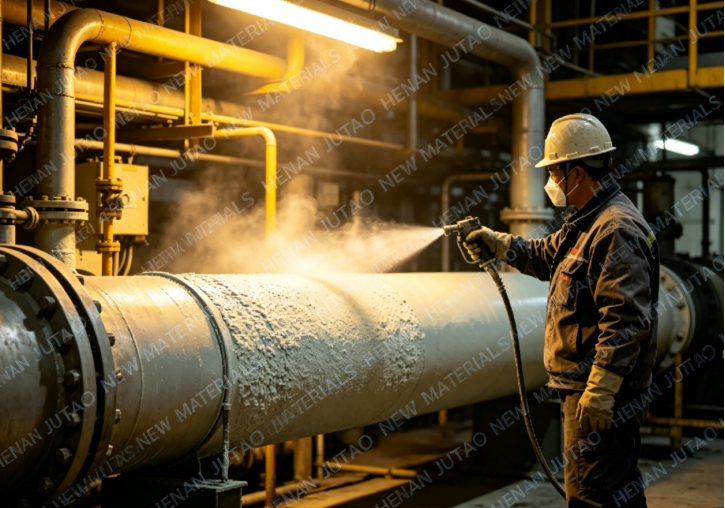
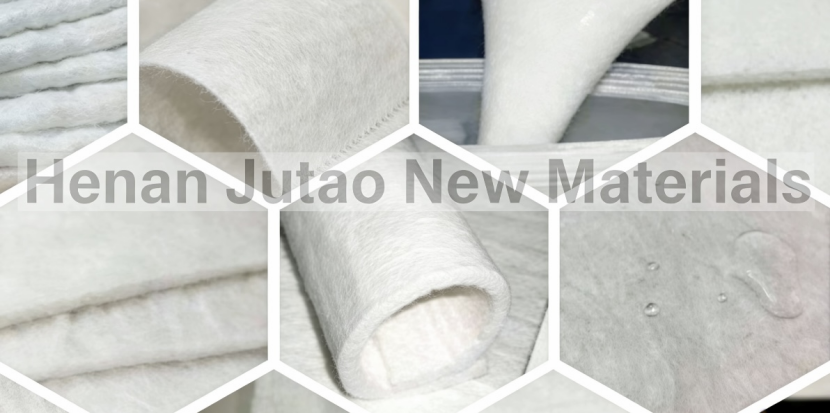
The aerogel commonly referred to today is silica (SiO₂) aerogel, which is a 100% inorganic material and is non-toxic and harmless. However, due to its high hydrophobicity (greater than 98%), direct contact may cause skin dryness or temporary irritation. Therefore, appropriate protective measures should be taken during handling and installation, such as wearing masks, gloves and long-sleeved workwear.
Is an aerogel insulation blanket made of pure aerogel or a composite material?
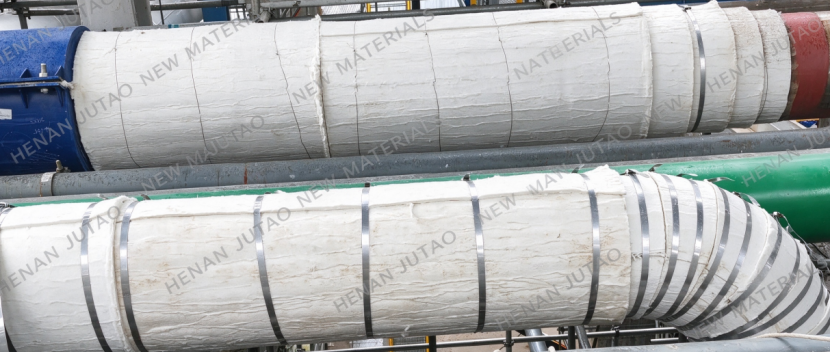
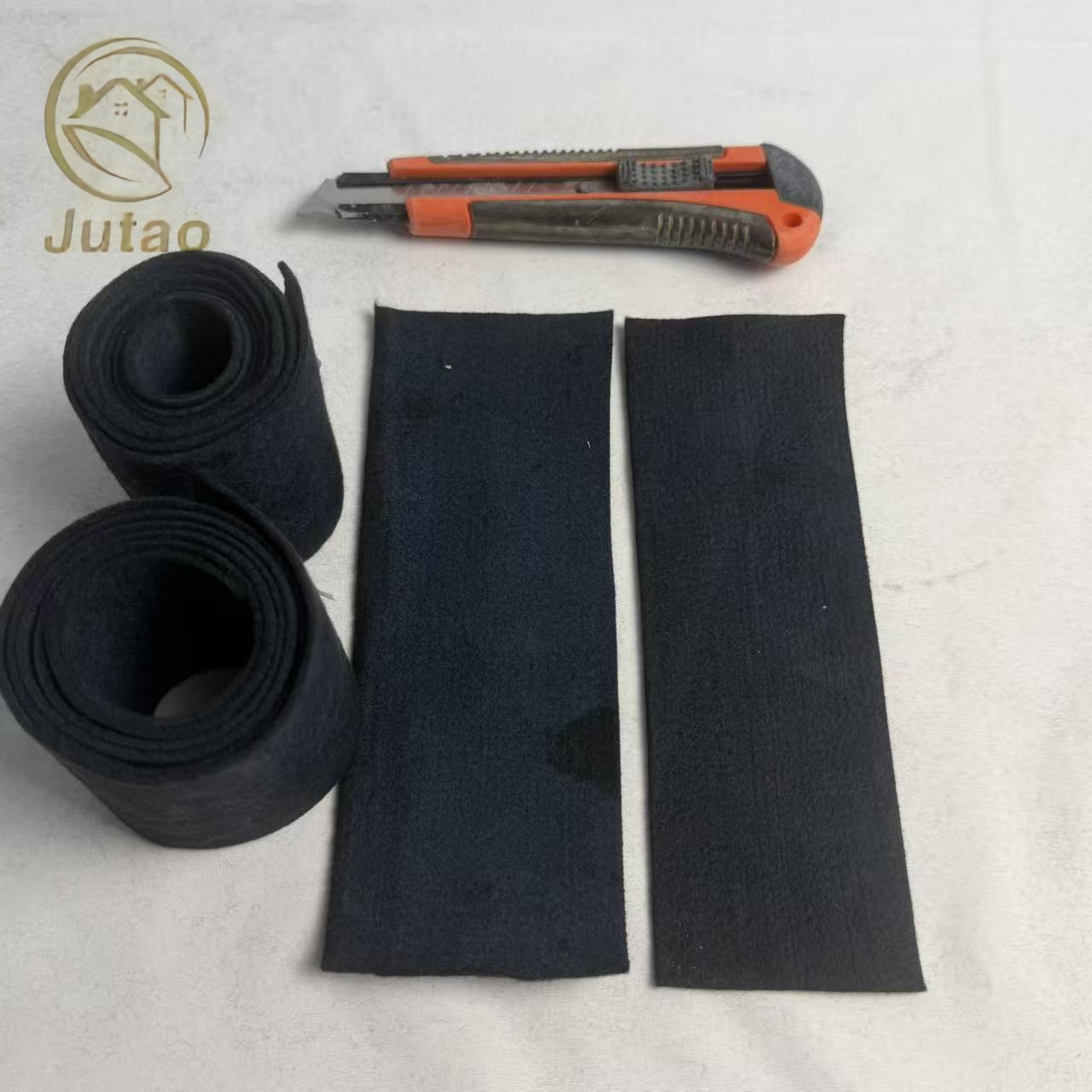
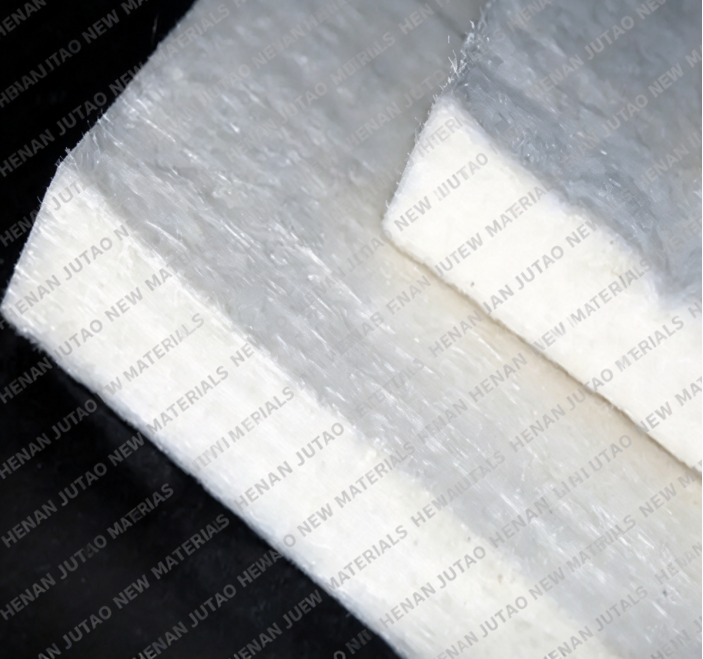
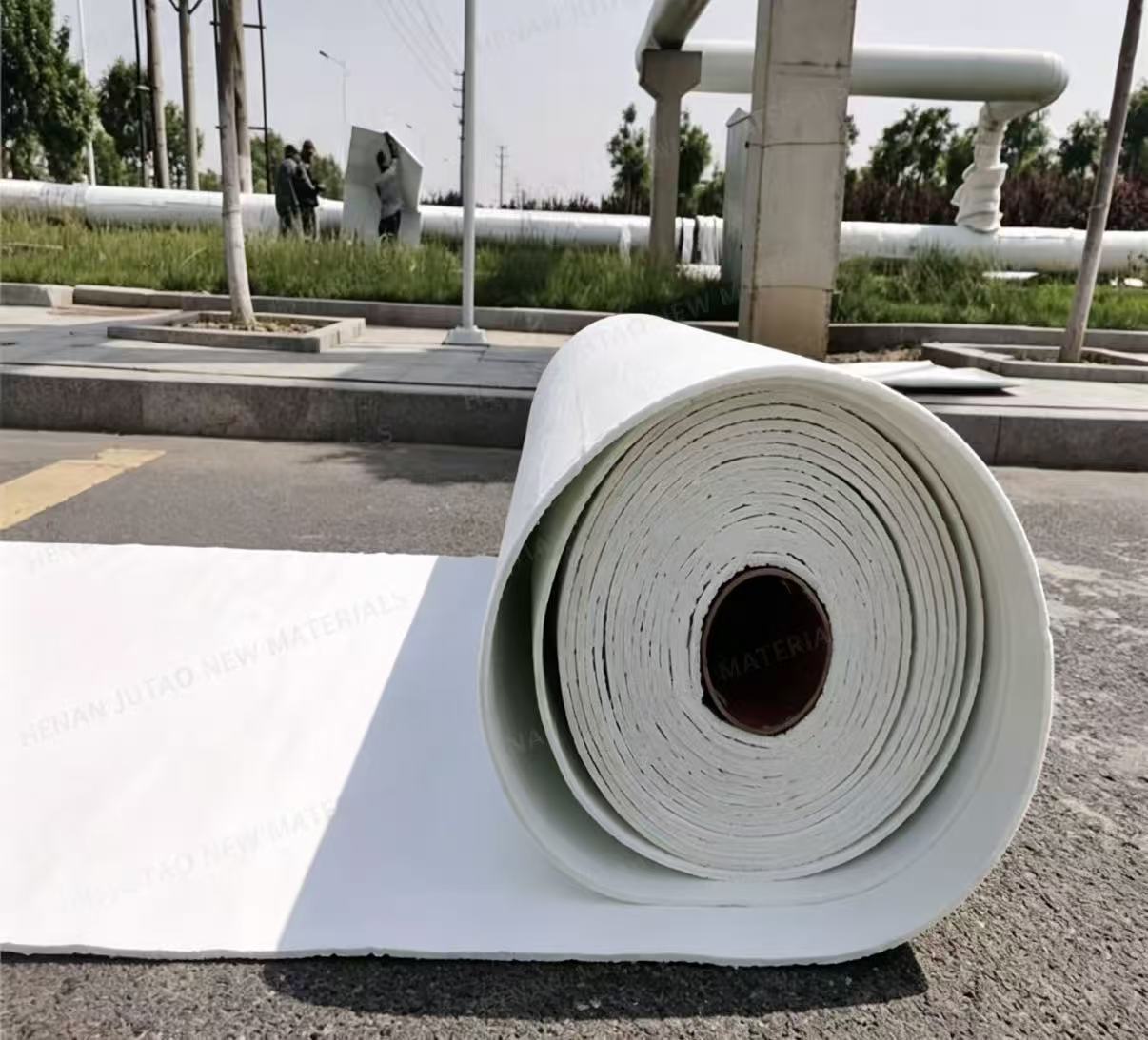
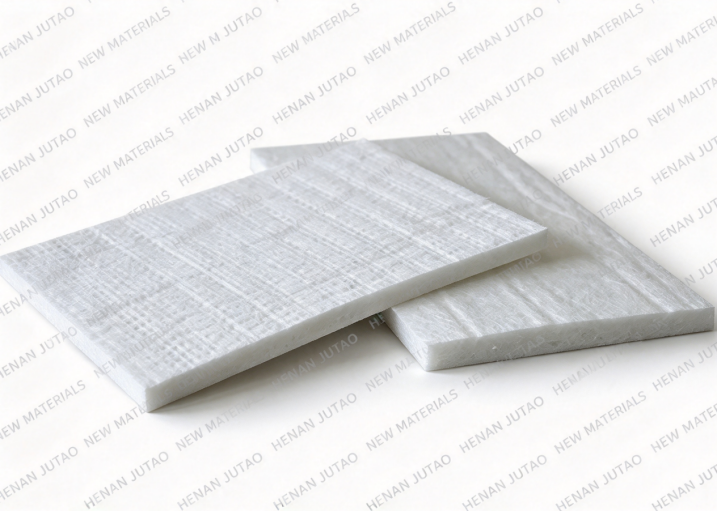
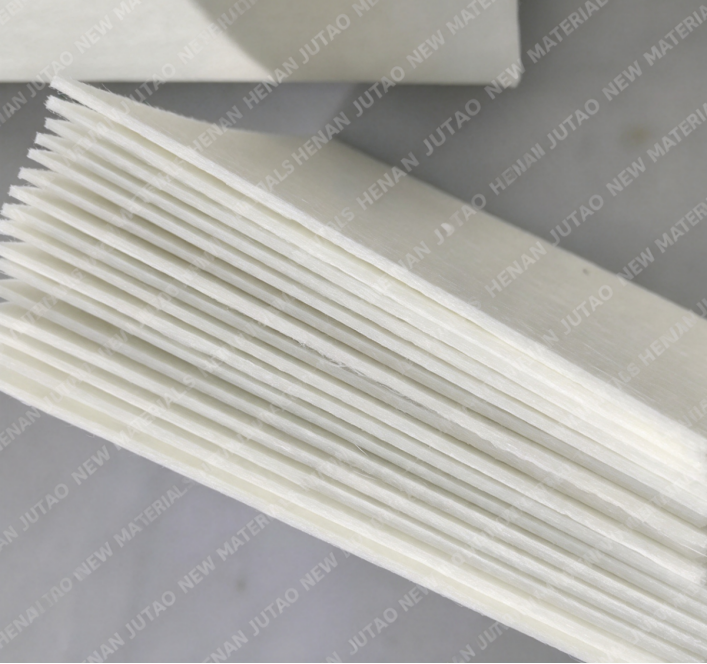
Pure aerogel is highly brittle and cannot be applied directly in most practical scenarios. As a result, aerogel insulation blankets available on the market are composite materials made by combining aerogel with reinforcing fibres, typically glass fibre, ceramic fibre or pre-oxidised fibre.
Aerogel production technologies
Aerogels are mainly produced using three technological routes: supercritical carbon dioxide drying, supercritical alcohol drying and ambient pressure drying.
Future development trends of aerogel
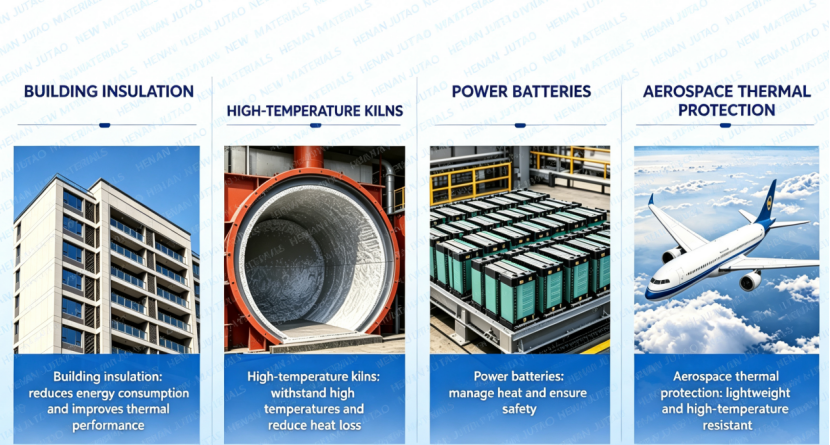
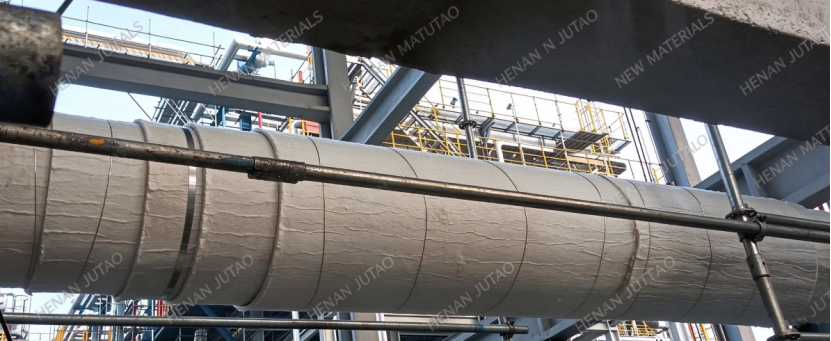
At present, aerogel is recognised as the solid material with the best thermal insulation performance. With further optimisation of manufacturing processes and increased production capacity, aerogel is expected to achieve large-scale application in areas such as renewable energy, industrial energy efficiency and smart buildings, gradually replacing traditional insulation materials.
Advantages and disadvantages of aerogel
Main advantages of aerogel:
- Ultra-low thermal conductivity
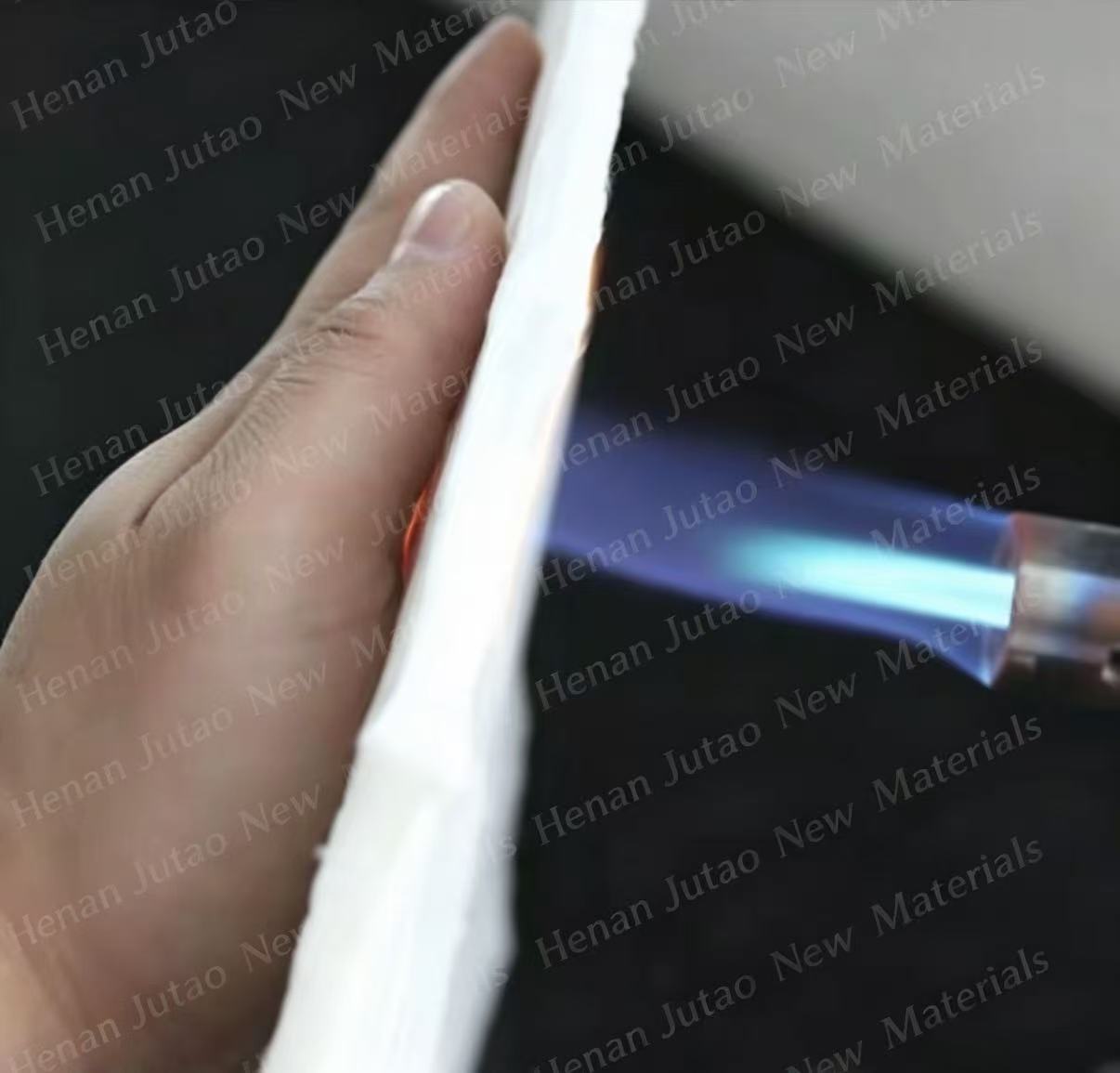
Only one-third to one-fifth of the thickness of traditional insulation materials is required to achieve the same thermal performance, significantly improving energy efficiency. Jutao New Materials aerogel achieves a thermal conductivity as low as 0.017 W/m·K (at an average temperature of 25 °C).
- Inorganic material with high structural stability
Long service life of more than 20 years.
- Overall hydrophobic performance
Hydrophobicity exceeding 98%.
- Fire resistance and flame retardancy
- Easy installation
Main disadvantages of aerogel:
- Higher material cost
Compared with traditional insulation materials, aerogel requires a higher initial investment.
- Dust generation during installation
Protective measures are required during handling and installation.
How can the powder shedding issue of aerogel be addressed?
Powder shedding has been a long-standing issue since the introduction of aerogel composite blankets. Aerogel powder refers to pure aerogel particles, which are formed when excess liquid silica precursors are not fully bonded with the reinforcing fibres. In areas of the blanket surface where reinforcing fibres are absent, excess aerogel particles may detach under mechanical stress.
Through continuous process optimisation, Jutao New Materials has reduced the powder shedding rate to below 0.4%. For applications with higher cleanliness requirements, aerogel sheets can be wrapped with glass fibre fabric or PET film. Alternatively, adhesive coatings can be applied to the aerogel surface to remove loose powder.
Jutao Environmental Technology — Specialists in Aerogel Material Solutions
Stay connected with us for the latest updates, industry insights and application solutions in the aerogel sector.