


News
0102030405
Aerogel vs Vacuum Insulation Panel: In-Depth Comparison & Industrial Insulation Material Selection Guide
2026-04-23
In today’s era pursuing ultimate energy efficiency and space optimization, the selection of industrial thermal insulation materials goes far beyond simple heat preservation. It involves comprehensive considerations of resource efficiency, electrical safety, and environmental sustainability. For purchasing managers and engineering professionals, choosing between aerogel and vacuum insulation panel (VIP) largely depends on practical application scenarios, project budget constraints, and available installation space.
This article comprehensively analyzes performance characteristics of these two high-performance advanced thermal insulation materials, helping you select optimal insulation solutions for construction projects, industrial pipelines, new energy vehicles, and cold chain logistics systems.
Core Performance Comparison: Aerogel & Vacuum Insulation Panel
Both materials belong to premium super thermal insulation materials, yet they differ greatly in physical structure, formation mechanism and thermal insulation principle.
1. Aerogel: Ideal Balance of Flexibility & Long-Term Durability
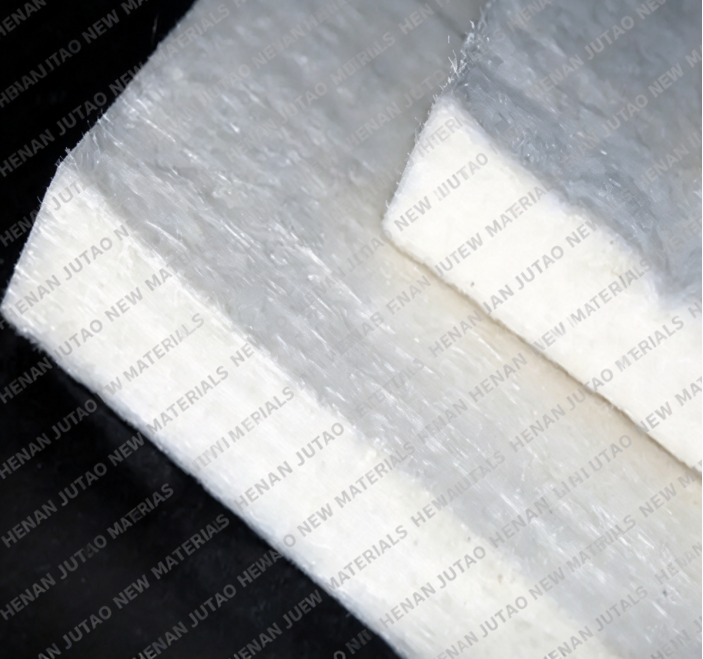
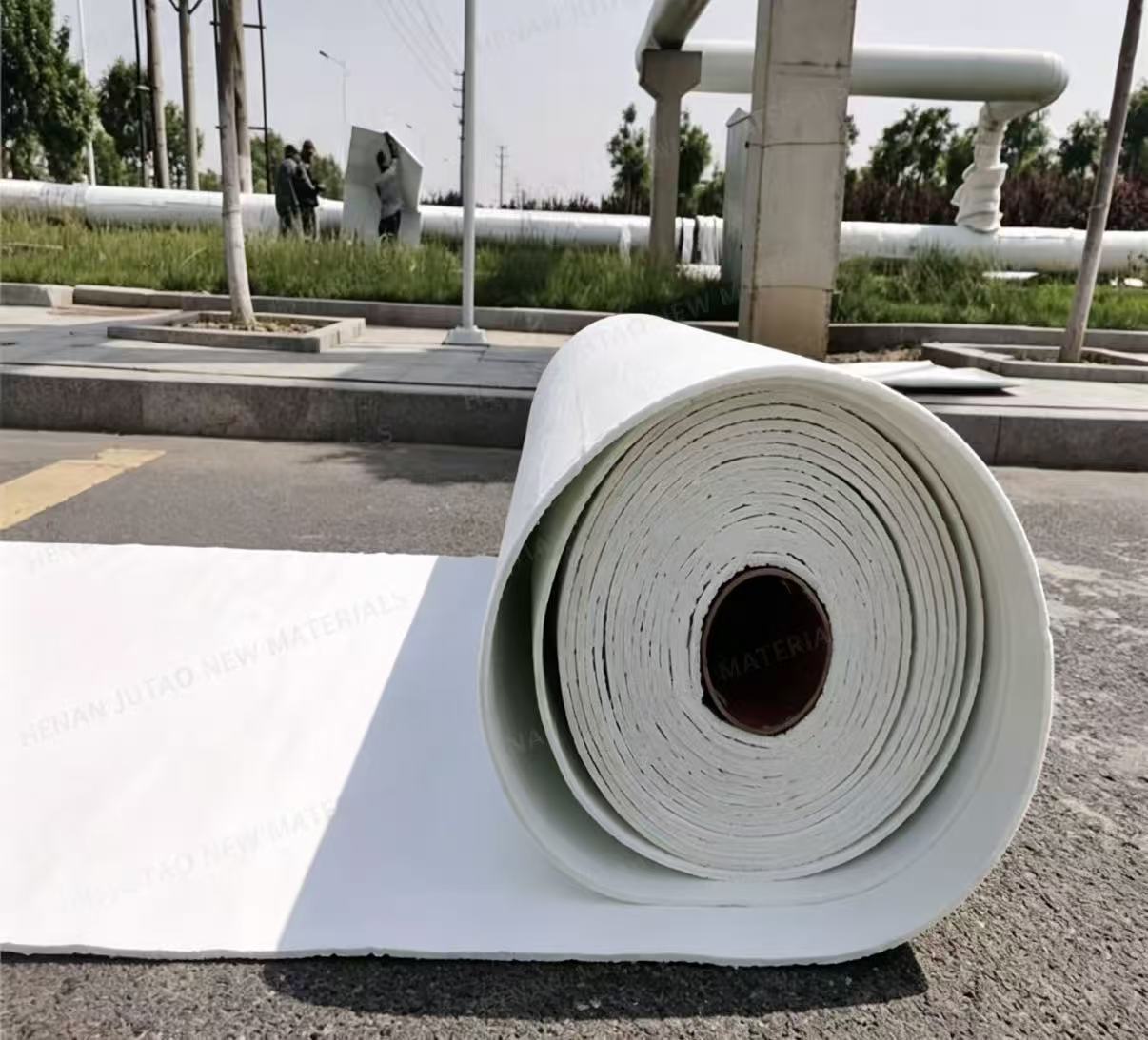
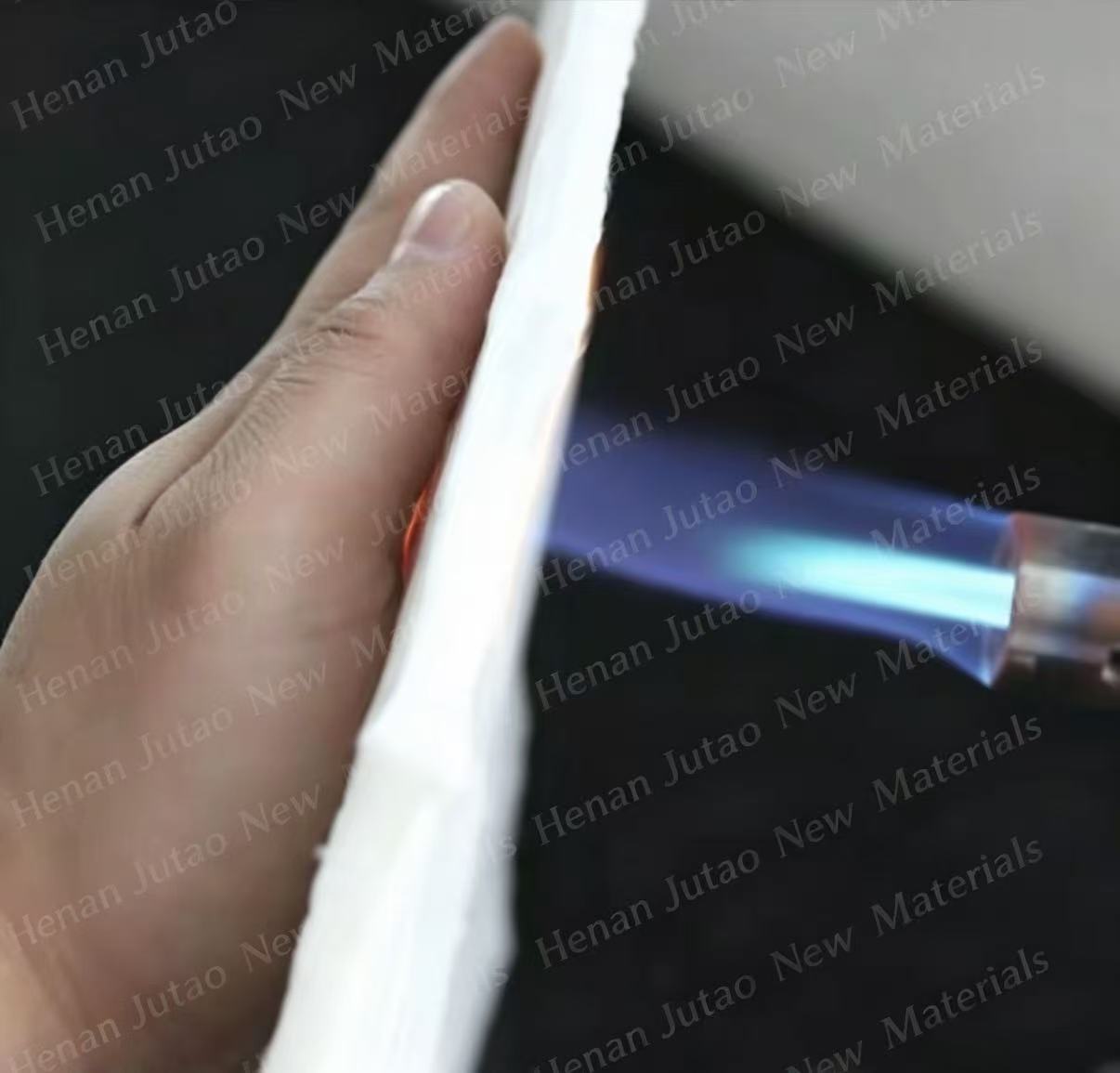
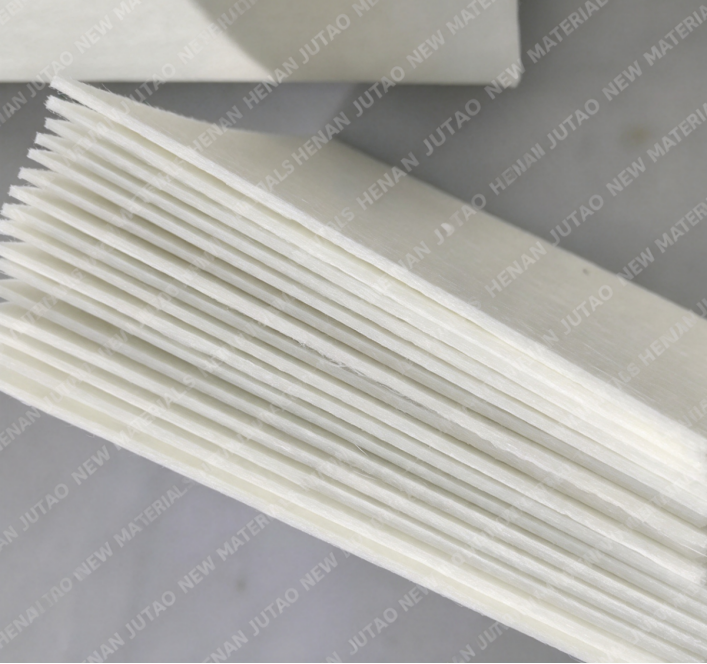
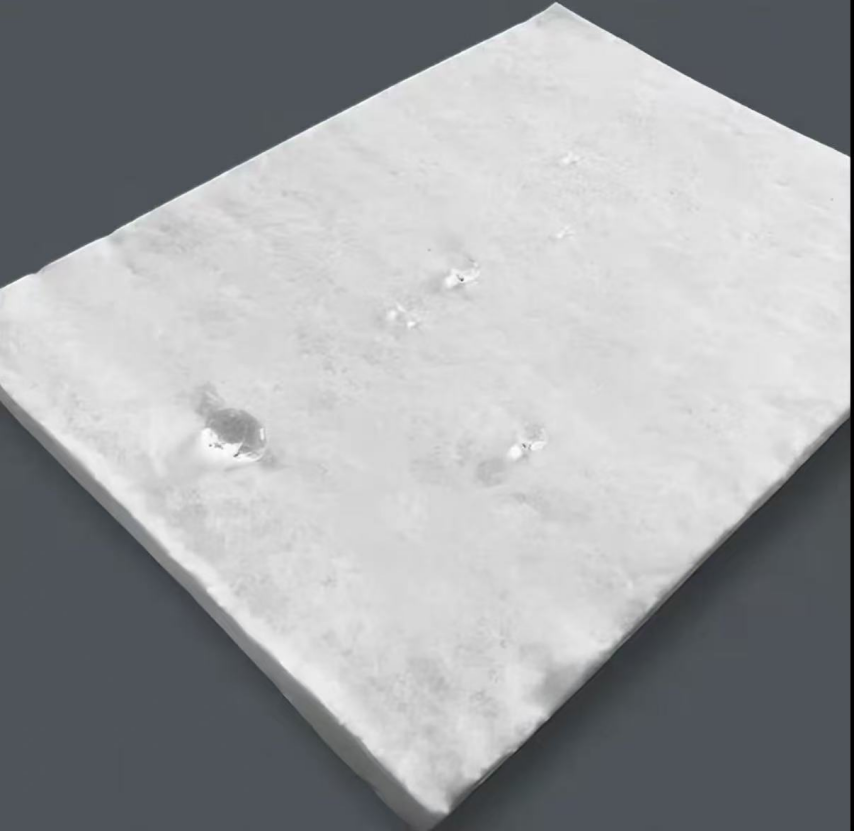
Known as solid smoke, aerogel is an ultra-lightweight material with unique nanoporous microstructure. Taking Henan Jutao New Materials as a typical industry case, our manufactured aerogel blankets feature extremely low thermal conductivity (<0.018 W/m·K) and Class A fire-resistant performance.
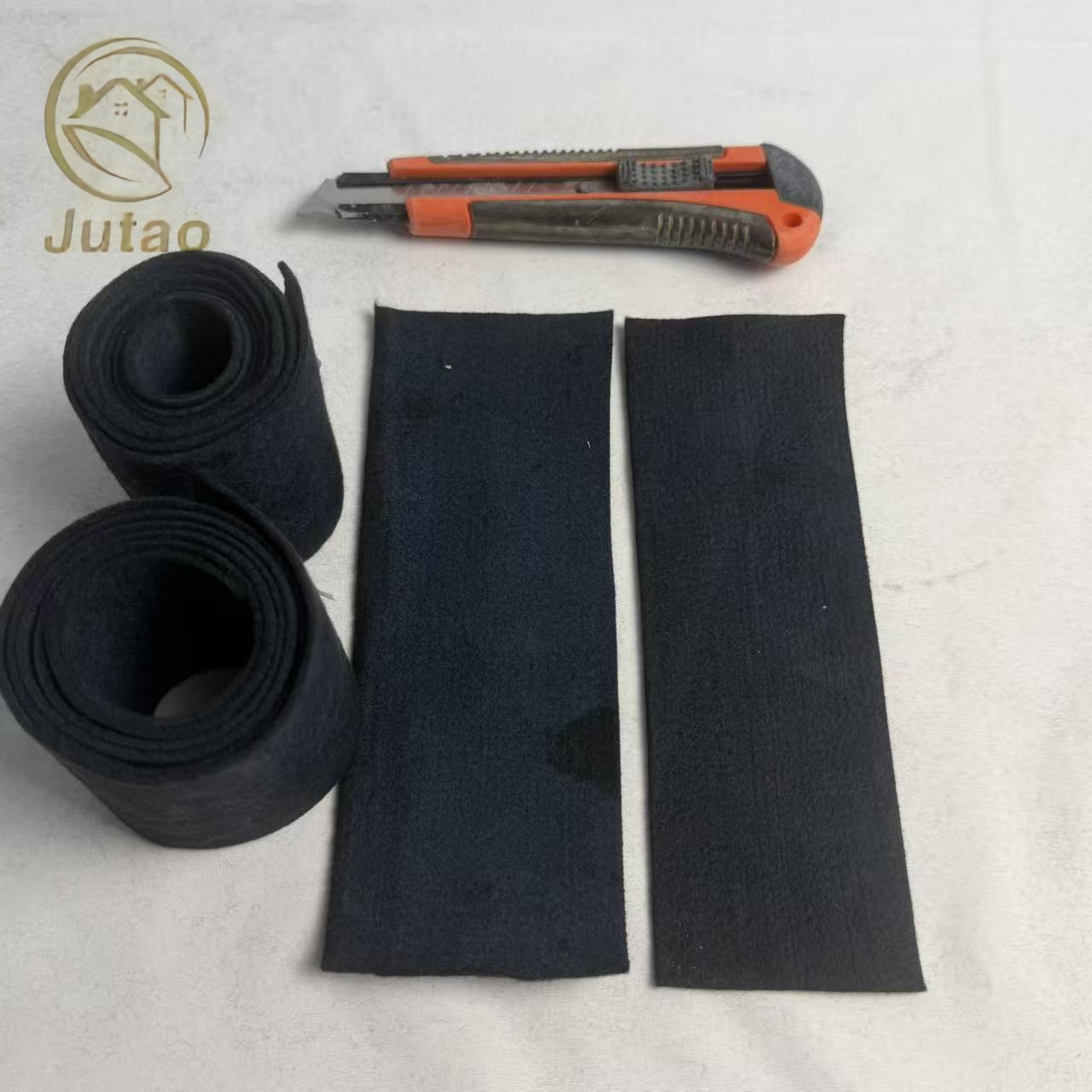
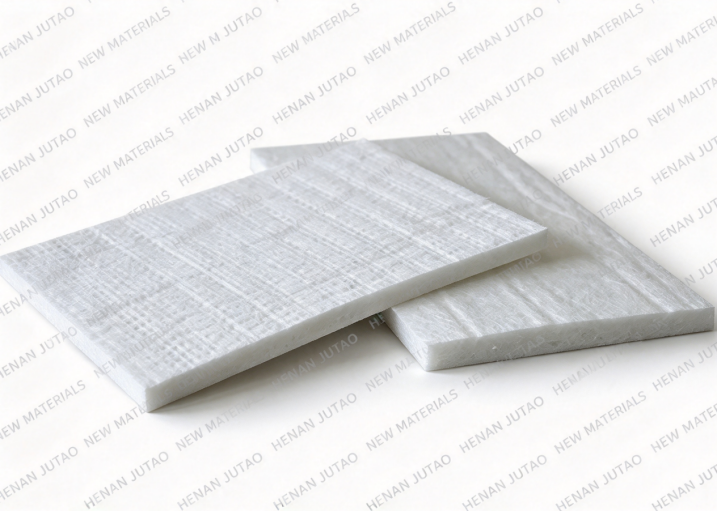
- Physical Form: Flexible blanket or rigid board, easy to cut, shape and wrap construction
- Core Advantages
- Excellent Hydrophobicity & Service Life: High-grade aerogel boasts outstanding hydrophobic properties, maintains stable thermal insulation performance in humid environments, and features low dust emission with minimal powdering phenomenon.
- Superior Fire Safety: Most inorganic aerogel products meet Class A non-combustible standard, perfectly matching high fire-protection requirements of industrial buildings and heavy-duty industrial facilities.
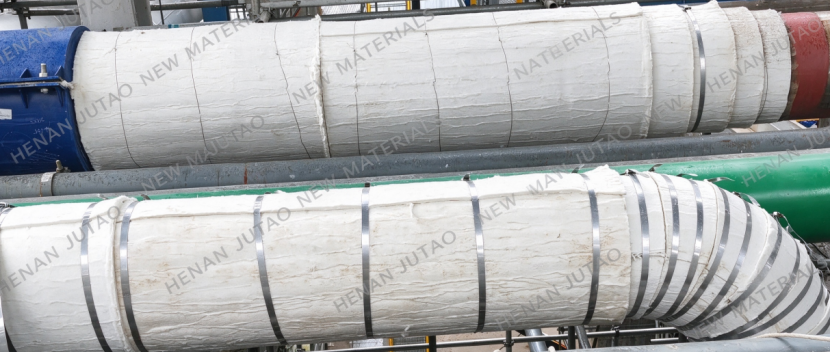
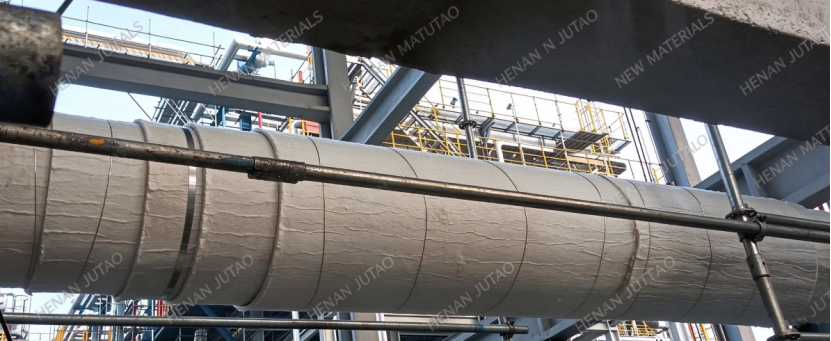
- Convenient Construction: Flexible aerogel blankets fit tightly around irregular pipelines and equipment, effectively reducing thermal bridge effects.
2. Vacuum Insulation Panel: Ultra-Thin High-Efficiency Thermal Insulation Solution
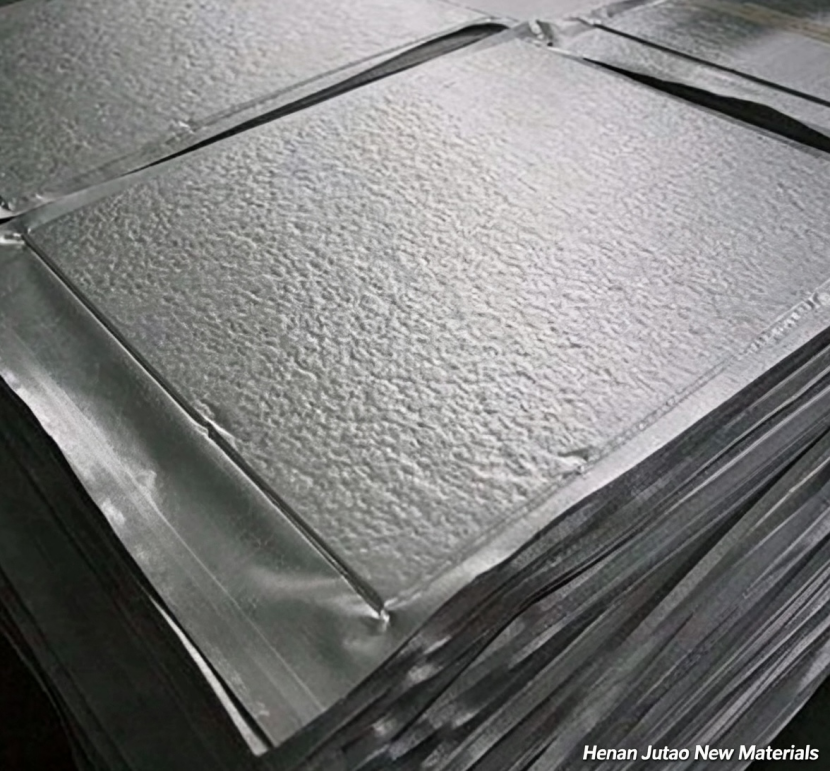
Vacuum insulation panels are manufactured by sealing porous core materials inside gas-barrier films and extracting internal air to form vacuum state. VIP delivers ultra-low thermal conductivity, normally below 0.005 W/m·K or even lower.
- Physical Form: Rigid flat panel with extremely thin thickness
- Core Advantages
- Ultra-High Thermal Resistance Value: Under identical thickness, VIP insulation performance is multiple times that of conventional insulation materials, becoming the first choice for space-limited applications such as refrigerators and refrigerated containers.
- Optimized Space Utilization: Ultra-thin profile achieves high-efficiency heat insulation without sacrificing internal usable volume.
Key Performance Parameter Comparison Table
We sorted out core technical indicators for intuitive horizontal comparison between aerogel insulation materials and VIP vacuum insulation panels:
| Characteristics | Aerogel | Vacuum Insulation Panel |
|---|---|---|
| Thermal Conductivity | < 0.018 W/m·K | < 0.005 W/m·K |
| Physical Form | Flexible blanket / rigid board | Rigid board |
| Fire Rating | Class A non-combustible | Depends on surface film, requires additional fire protection layer generally |
| Service Lifespan | Long service life & stable performance | Depends on vacuum retention, normally 10–25 years |
| Construction Difficulty | Low, freely cuttable & wrappable | Medium, easy to puncture, cannot be folded |
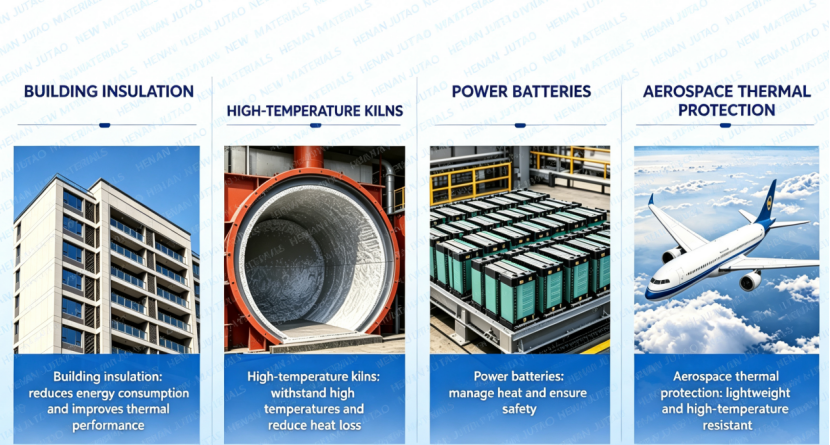
| Main Applications | Pipelines, storage tanks, building exterior walls, battery thermal insulation | Cold chain logistics, home appliances, ultra-thin building walls |
In-Depth Analysis Of Practical Application Scenarios
1. Industrial Pipelines & Thermal Equipment
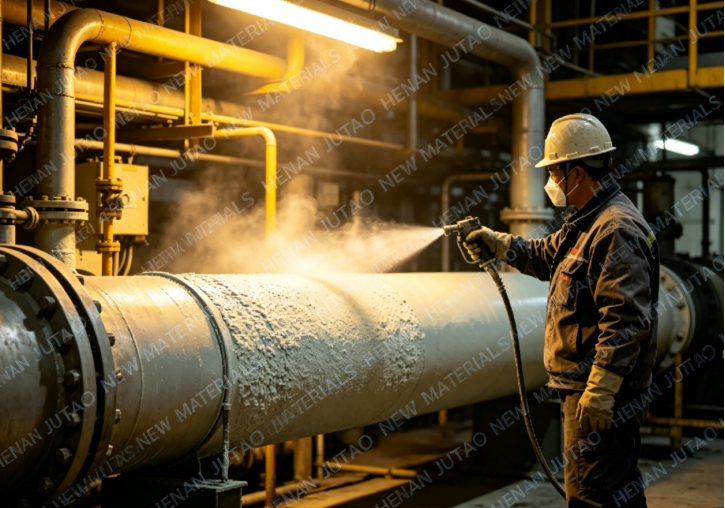
In petrochemical industry and high-temperature heat transmission projects, pipelines usually have complex shapes and operate under continuous high-temperature conditions.
Recommended Material: Aerogel Blanket
Aerogel blankets can wrap valves, flanges and pipe elbows tightly just like thermal insulation blankets. With high temperature resistance (some products withstand over 650°C) and stable hydrophobic performance, it is the best industrial thermal insulation material. By contrast, vacuum insulation panels will lose all insulation performance immediately once damaged and air leaked, and cannot adapt to irregular complex structures.
2. Building Insulation & Cold Chain Logistics
Recommended Material: Vacuum Insulation Panel
For cold chain transport vehicles and high-end refrigeration equipment manufacturing, every centimeter of internal space directly affects cargo loading capacity and overall energy consumption. Relying on ultra-thin structural advantages, VIP maximizes internal storage space while maintaining stable high-efficiency thermal insulation.
3. New Energy Power Battery Thermal Insulation
With rapid popularization of electric vehicles, battery thermal management system has become an essential safety technology.
Mixed Collaborative Application Mode
Aerogel sheets are widely applied between battery cells, relying on high temperature resistance and fireproof performance to prevent thermal runaway spread. Vacuum insulation panels are adopted for external wrapping of battery packs, maintaining optimal operating temperature of batteries and isolating external environmental temperature interference.
Professional Purchasing Decision Suggestions For B2B Buyers
Before final material procurement selection, industrial purchasers need to clarify three core practical pain points:
- Is installation space highly limited? If ultra-high thermal resistance is required in narrow installation space, vacuum insulation panel is irreplaceable.
- Is construction environment complicated and irregular? For irregular insulation objects and frequent on-site cutting adjustment, convenient construction of aerogel blankets can greatly reduce overall labor and installation costs.
- What about long-term operation and maintenance costs? Aerogel features longer physical service life and stable chemical properties, suitable for concealed engineering that is hard to replace regularly. Vacuum insulation panels must avoid puncture damage from sharp objects during construction and installation.
Conclusion
Whether selecting aerogel insulation or vacuum insulation panel, the core purpose is to realize efficient energy conservation and sustainable energy utilization. Henan Jutao New Materials specializes in high-quality aerogel products and customized VIP thermal insulation solutions, assisting global industrial customers to improve resource utilization efficiency and achieve green sustainable development goals.
If you are looking for reliable industrial thermal insulation material suppliers, please contact us freely for free samples and detailed technical parameter datasheets.