



News





0102030405
Aerogel: Revolutionizing Cold Chain Logistics for Temperature-Sensitiv
2026-05-28
For cold chain logistics managers and packaging engineers, maintaining temperature integrity isn't just a goal—it's a non-negotiable requirement. With the North American cold chain market projected to grow significantly, driven by pharmaceuticals and online grocery, the limitations of traditional insulation are becoming a costly bottleneck. Aerogel, often termed the "world's best insulating solid material," is emerging as a game-changing solution for high-value, space-constrained, and long-duration shipments.
Why Cold Chain Demands More Than Just Foam
Traditional cold chain packaging relies heavily on expanded polystyrene (EPS) or polyurethane (PUR) foam. While cost-effective, these materials have inherent drawbacks that put temperature-sensitive payloads at risk:
-
Bulkiness: Thick foam walls drastically reduce usable cargo space, increasing shipping costs per unit.
-
Moisture Degradation: Foams can absorb moisture over time, losing their insulating properties and becoming structurally unsound.
-
Weight: In air freight, every gram counts. Heavy insulation directly cuts into payload capacity.
In an era where biologics and premium food shipments cannot tolerate temperature excursions, the industry is shifting toward Advanced Thermal Insulation Materials (AIMs) like aerogel and Vacuum Insulation Panels (VIPs) to achieve higher thermal resistance with thinner profiles.
Aerogel's Technical Edge in Thermal Performance
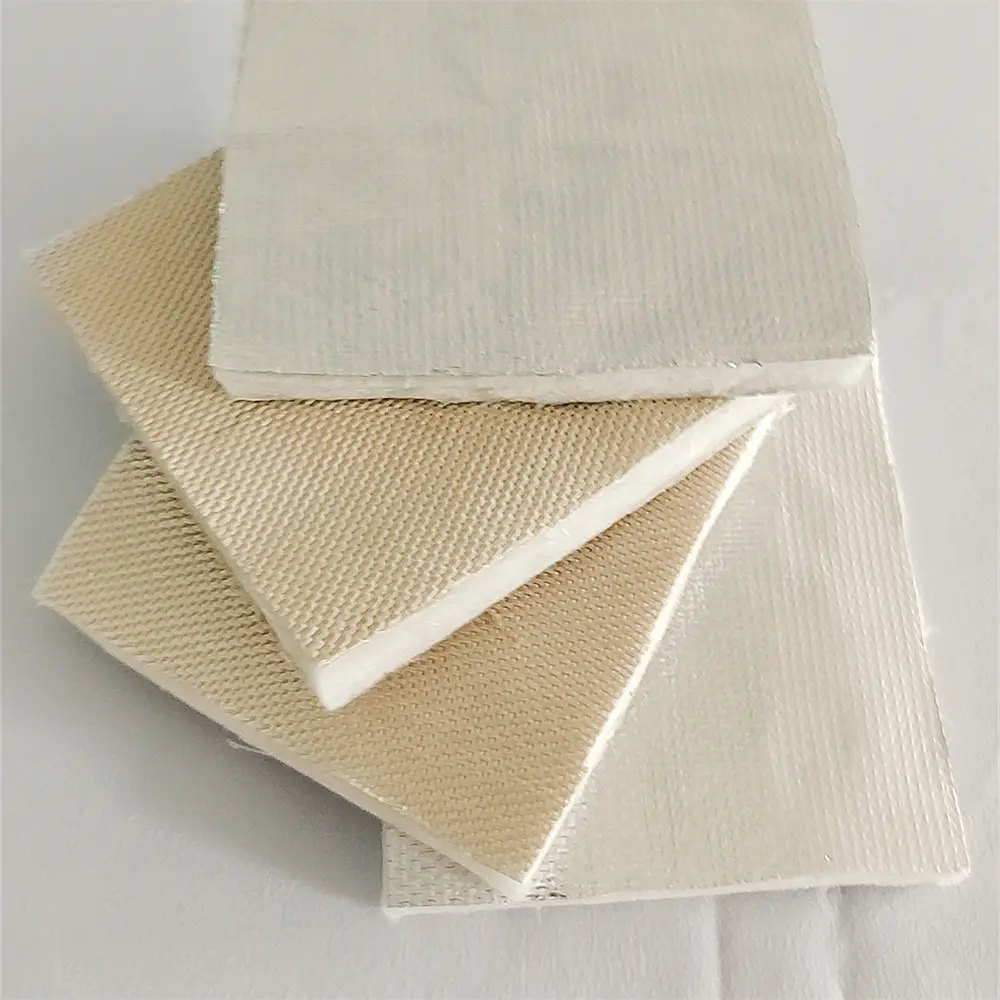
Aerogel's superiority stems from its nanostructure, which is over 90% air. This unique composition gives it unparalleled thermal properties that directly benefit cold chain applications:
|
Property
|
Aerogel (Silica-based)
|
Traditional Foam (EPS/PUR)
|
Cold Chain Advantage
|
|---|---|---|---|
|
Thermal Conductivity
|
0.015 – 0.020 W/(m·K)
|
0.030 – 0.040 W/(m·K)
|
2-3x better insulation per inch. Thinner walls provide equivalent protection.
|
|
Weight (Density)
|
0.1 – 0.2 g/cm³
|
0.02 – 0.04 g/cm³ (EPS)
|
Ultra-lightweight, reducing overall shipping weight and fuel/energy consumption.
|
|
Moisture Resistance
|
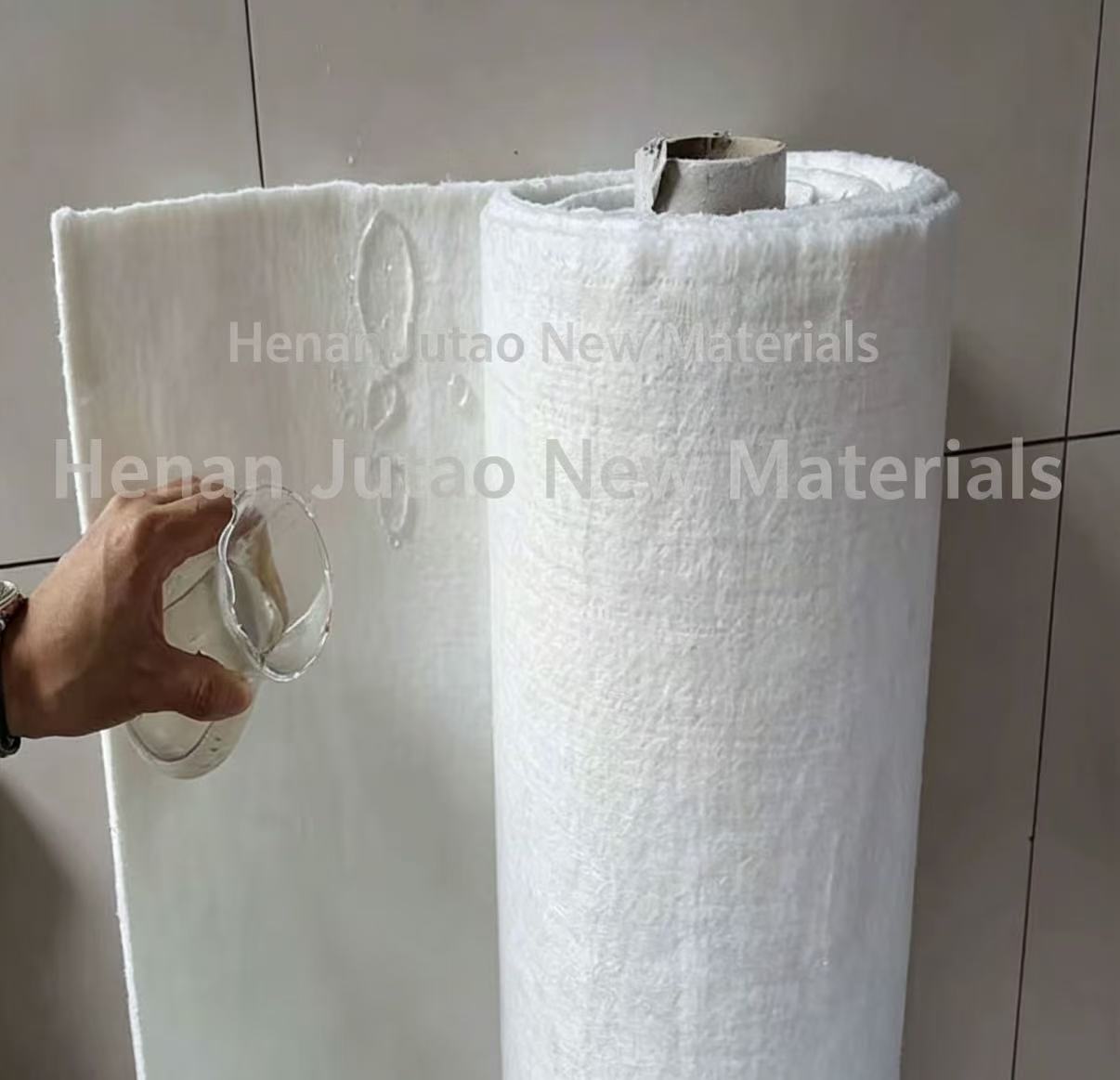
Hydrophobic
|
Absorbs moisture
|
Maintains R-value in humid environments; ideal for seafood and multi-trip packaging.
|
|
Thickness Efficiency
|
~10 mm
|
~25-40 mm
|
To achieve the same R-value, aerogel requires significantly less space, maximizing pallet and container cube utilization.
|
This performance is critical for extending "hold time"—the duration a package can maintain its temperature without external cooling. For last-mile delivery and long-haul air freight, this extra thermal buffer can mean the difference between a successful delivery and a spoiled product.
Key Applications in Modern Cold Chain Operations
Aerogel is not a one-size-fits-all solution; it is a premium material best deployed where its properties offer the highest return on investment (ROI).
1. Pharmaceutical & Biologics Shipping
High-value pharmaceuticals, vaccines, and cell therapies demand absolute temperature stability. Aerogel's ability to provide superior insulation in thin, flexible blankets or panels makes it ideal for passive shipping containers. It allows for more payload space within the same external dimensions and provides a reliable thermal barrier during airport tarmac delays or last-mile transit.
2. High-Value Food & Meal Kit Delivery
For premium meal kit services and gourmet food delivery, presentation and freshness are paramount. Aerogel liners in shipping boxes can be thinner than bulky foam coolers, improving the unboxing experience while ensuring longer ice retention. Its hydrophobic nature prevents soggy packaging from condensation, a common issue with fiber-based insulators.
3. Refrigerated Transport & Cold Storage Enhancement
In refrigerated trucks (reefers) and cold storage facilities, aerogel composites can be used as door seals, wall liners, or in gap-filling applications. Its high R-value per inch helps reduce the energy load on refrigeration units, contributing to lower operational costs and improved sustainability.
Aerogel vs. VIPs: Choosing the Right High-Performance Material
While both are advanced materials, procurement managers should understand the key operational differences:
-
Vacuum Insulation Panels (VIPs): Offer the absolute lowest thermal conductivity (as low as 0.004 W/(m·K)) but are rigid, susceptible to puncture (which destroys the vacuum), and have a finite service life. Best for rigid, single-use or carefully managed reusable boxes.
-
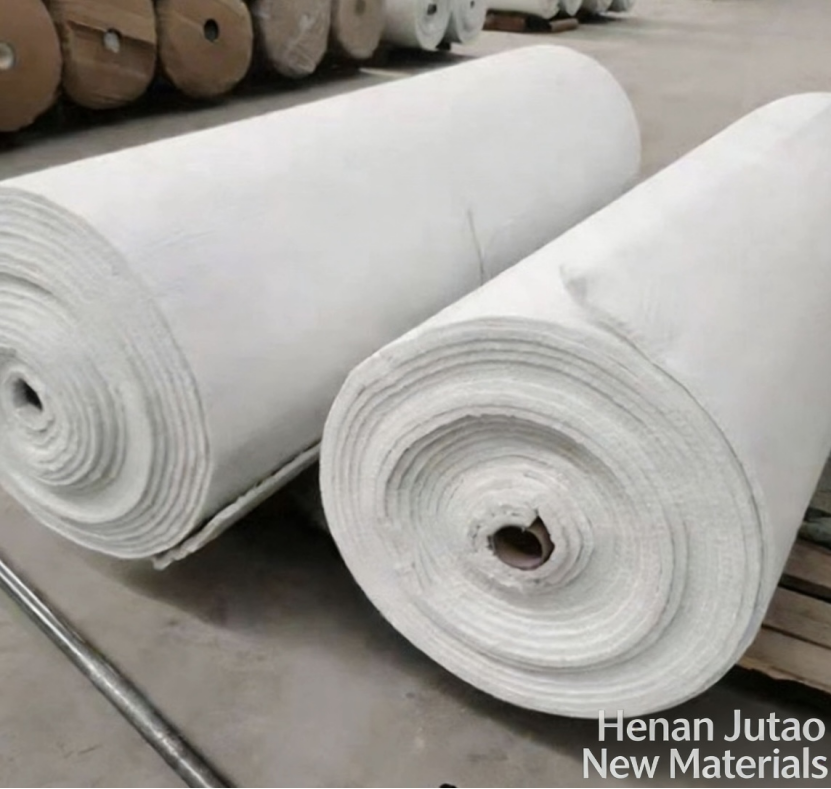
Aerogel Composites: Offer a balance of flexibility, durability, and permanent insulation (no vacuum to lose). They are more forgiving in handling and can be cut and shaped for complex geometries. Best for reusable packaging, irregularly shaped cargo, and applications requiring vibration resistance.
For many logistics operators, a hybrid approach using aerogel for its durability and VIPs for maximum hold time in flat panels is the optimal technical solution.
The Procurement Perspective: Total Cost of Ownership (TCO)
The upfront cost of aerogel is higher than conventional foam. However, a TCO analysis often reveals significant savings:
-
Reduced Shipping Costs: Thinner, lighter packages lower dimensional weight (DIM) charges in air freight and allow more product per pallet.
-
Reduced Product Loss: Fewer temperature excursions mean fewer claims and less wasted inventory.
-
Reusability: Aerogel's mechanical strength supports multi-trip packaging systems, amortizing the initial investment over dozens of cycles.
Future Trends: Sustainability and Integration
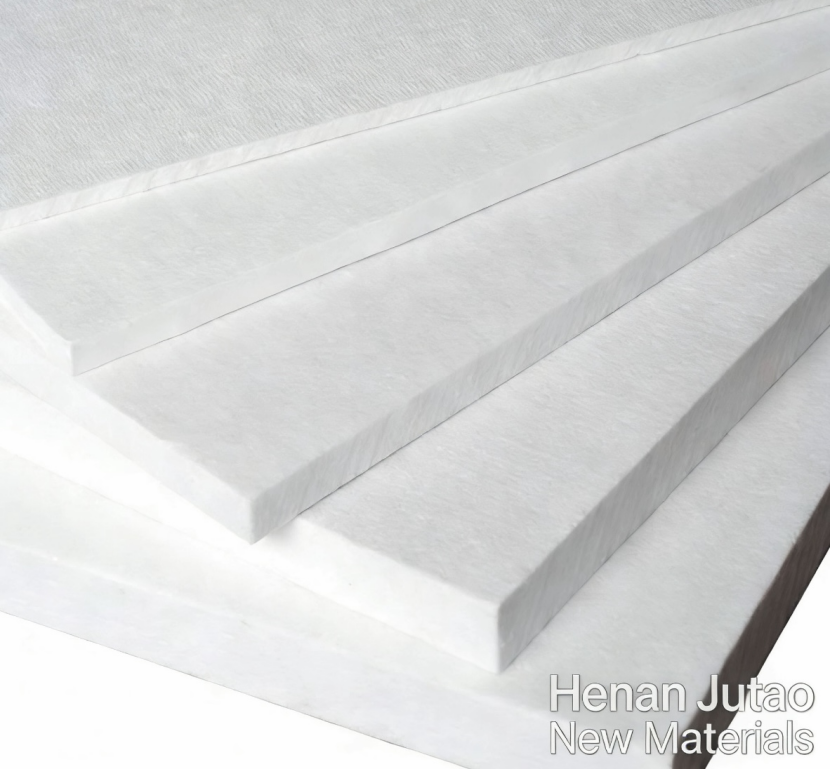
As regulations around packaging waste and carbon emissions tighten, aerogel's durability and potential for recyclability are becoming major assets. The integration of aerogel into non-woven textiles for lightweight, flexible cooler bags is a growing trend, particularly for e-commerce and direct-to-consumer cold chain models.
For cold chain professionals, aerogel represents a strategic upgrade. It is the material of choice when the cost of failure—whether a spoiled biologic or a lost customer—exceeds the cost of superior insulation.