













Aerogel Panels Factories Why Are Aerogels Increasingly Used in Green Buildings?
As the construction industry moves towards higher standards of energy efficiency, sustainability and occupant comfort, aerogels are being increasingly adopted in green building projects. Owing to their exceptional thermal and acoustic performance, long service life and environmental advantages, aerogels have become an advanced solution for modern building insulation systems.
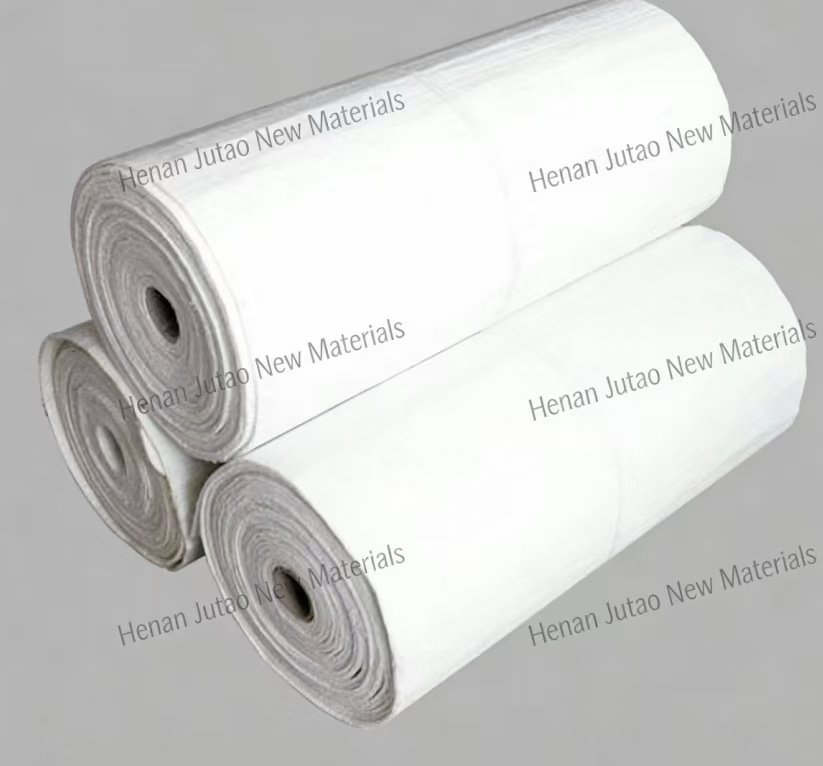
Aerogels significantly improve the acoustic performance of buildings by reducing sound transmission and mitigating noise pollution, thereby enhancing indoor comfort. In addition, the service life of aerogel-based insulation materials is more than five times longer than that of conventional insulation products. Their long-term thermal stability helps maintain high insulation performance over time, effectively reducing building maintenance and renovation costs. For these reasons, aerogels are regarded as an outstanding class of building insulation materials.
As a new generation of green building materials, aerogels are applied in construction in various forms, including coatings and composite panels. These solutions enhance the overall thermal insulation and energy efficiency of building envelopes, simplify construction processes, and improve fire safety performance, thereby offering increased protection for both occupants and property.
Aerogel Coatings
Aerogel thermal insulation coatings are produced by dispersing aerogel powders into specialised high-performance resin emulsions or by combining them with inorganic binder systems. They are widely applied to interior and exterior building walls, industrial storage tanks, reaction equipment, pipelines and components of new energy vehicles.
These coatings provide multiple functions, including thermal insulation, sound absorption and noise reduction, as well as fire resistance. Among aerogel-based composite products, aerogel insulation coatings are relatively mature in terms of technology and market adoption, and their thermal insulation performance is generally more pronounced than that of conventional coatings.
Aerogel Insulation Panels
Aerogel composite panels are rigid boards manufactured by combining aerogels with fibres, granules, mortars, metals or organic polymers. Due to the wide range of compatible composite materials and processing methods, aerogel insulation panels are available in diverse product forms. They can be used not only as thermal insulation boards but also as customised structural components produced using dedicated moulds.
Through specialised composite processing techniques, aerogel insulation panels can achieve a fire resistance rating of up to Class A2. They effectively address common issues associated with traditional insulation materials, such as water absorption, powder shedding, delamination and fibre-induced irritation, and therefore demonstrate strong potential as substitutes for conventional insulation systems.
Aerogel Blankets
At present, aerogel blankets are commonly applied in buildings using a framing system combined with insulation infill materials. They are suitable for pipe insulation, roofs and wall assemblies, serving as the primary thermal insulation layer. In external wall insulation systems, thin-coat plastering technologies are particularly well suited to the application of aerogel blankets.
Aerogel Glazing
Due to the inherently low tensile strength of aerogels, direct mechanical impact must be avoided. As a result, aerogels are rarely used as standalone glazing materials and are instead combined with conventional glass. The main configurations include aerogel-coated glass panels and vacuum-insulated aerogel glazing units.
While aerogel-coated glass provides only limited improvements in energy efficiency, vacuum-insulated aerogel glazing offers excellent thermal performance but remains costly. In practical applications, semi-transparent nanosilica aerogel granules are often used as interlayer fillers. Although such systems exhibit reduced visual clarity and higher refractive indices, they are suitable for locations where visual transparency is not critical, such as large theatres, exhibition halls, conference centres and solar thermal collectors.
Aerogel-Modified Concrete
The incorporation of aerogels into concrete significantly reduces both its density and thermal conductivity. However, this modification also leads to a reduction in mechanical strength. Consequently, aerogel-modified concrete is primarily used in non-load-bearing interior and exterior wall applications, where it contributes to improved overall thermal insulation and energy efficiency of building structures.
Jutao Environmental Technology — Specialists in Aerogel Material Solutions
Stay connected with us for the latest updates, industry insights and application solutions in the aerogel sector.