


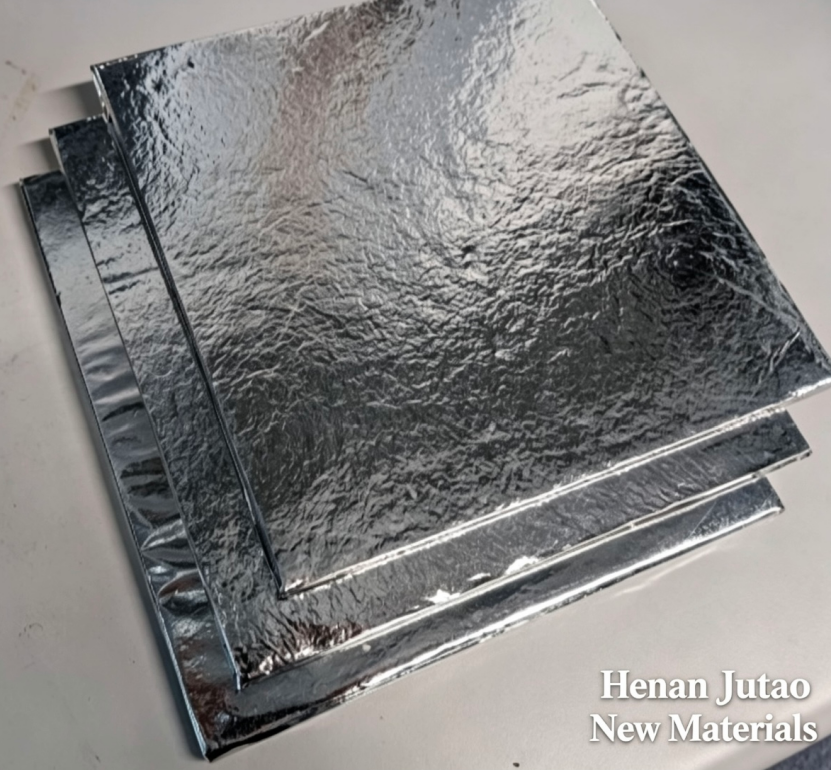
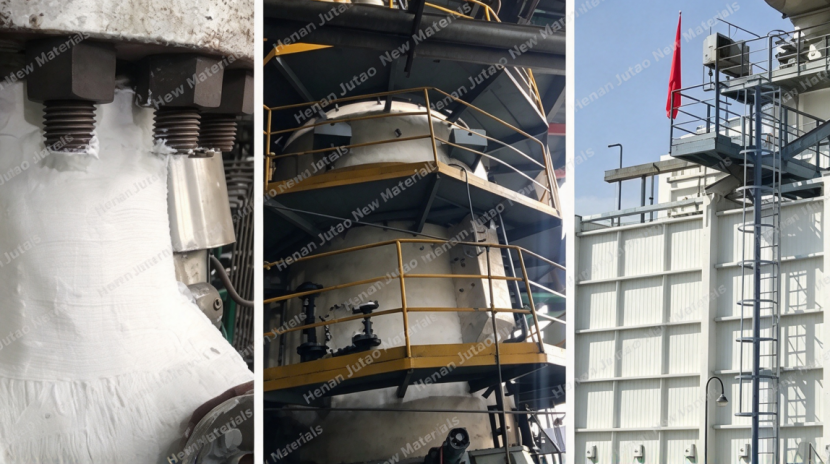
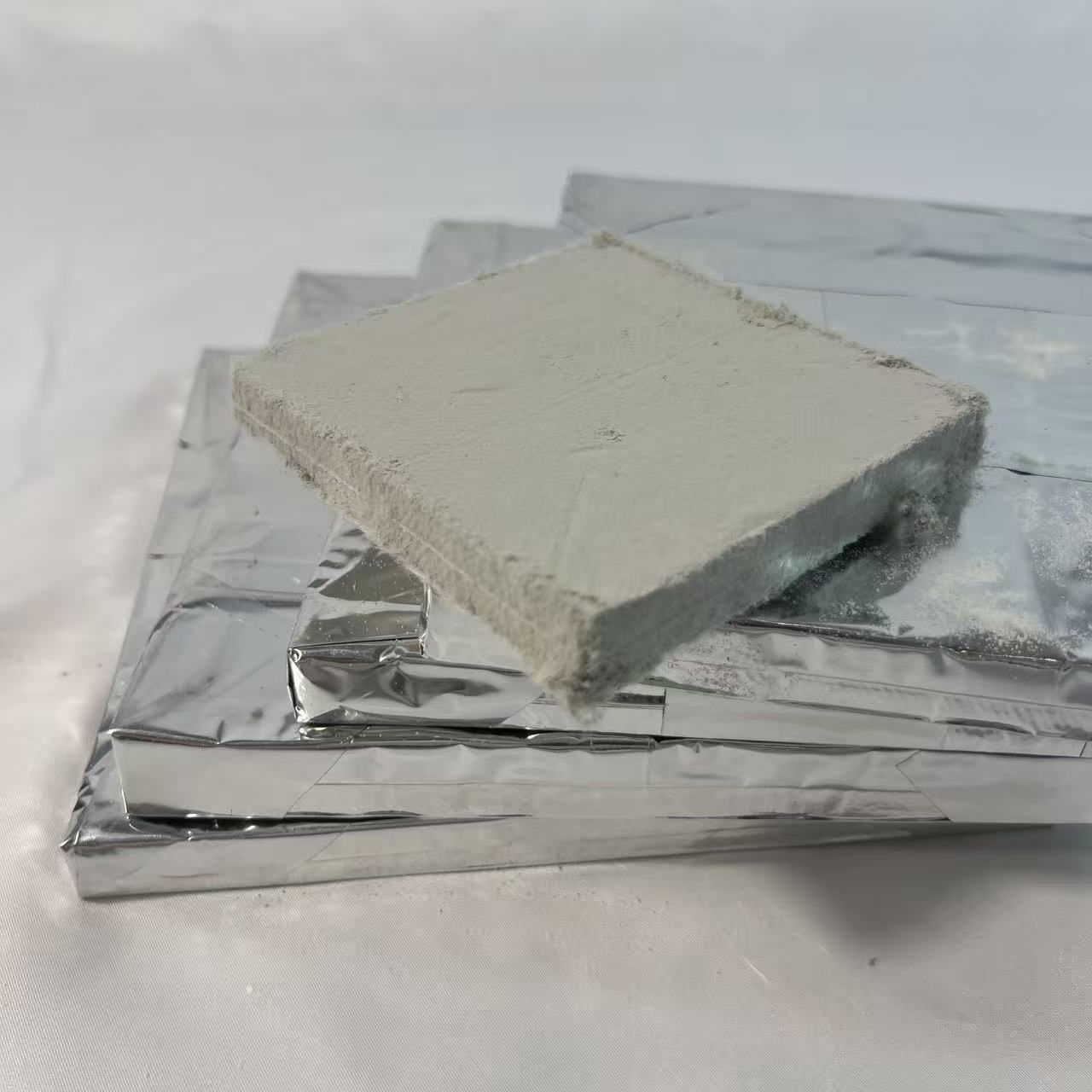
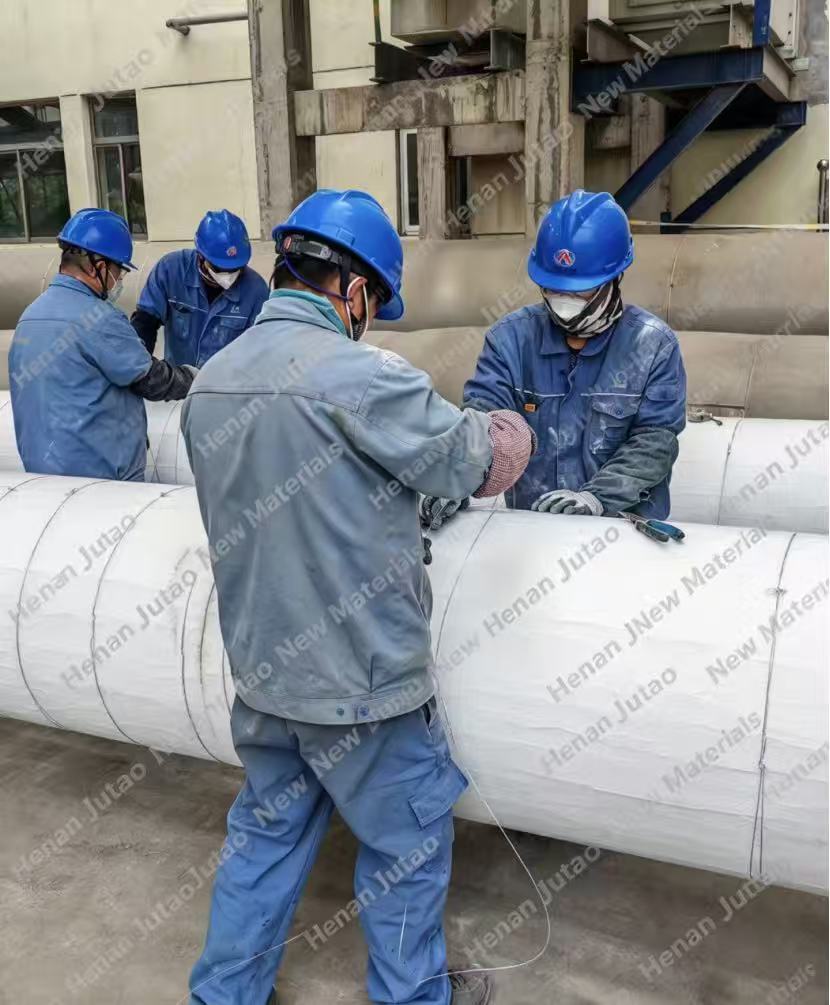
Aerogel Insulation Sheet In Energy Storage Battery
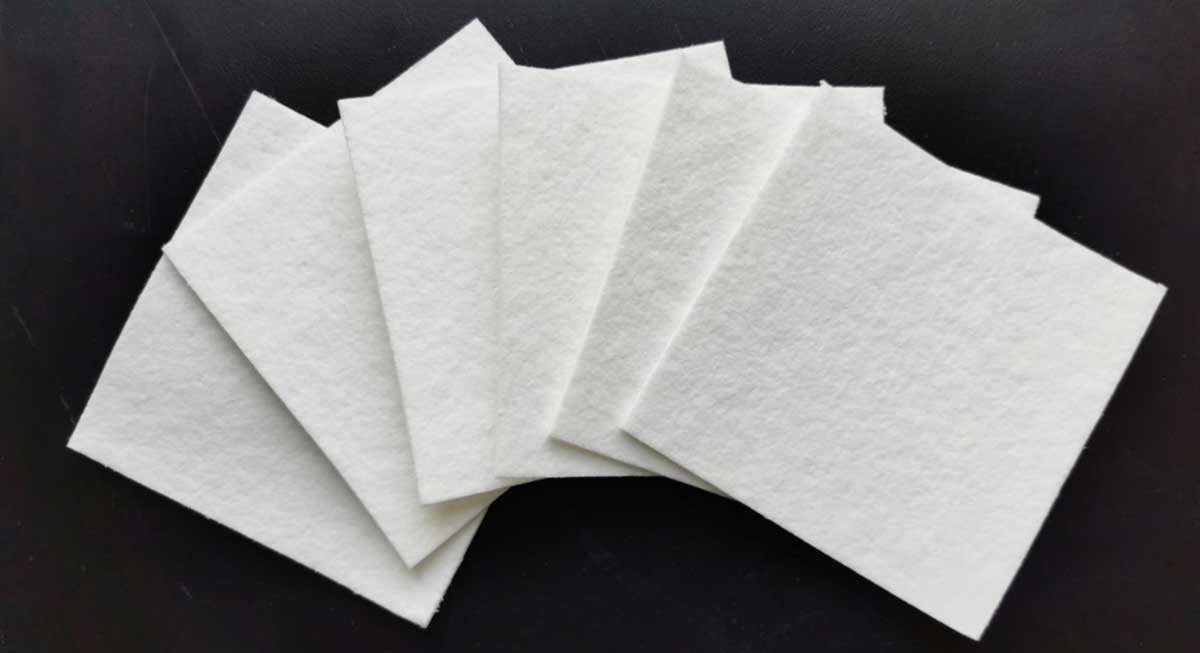
Why Choose Aerogel Insulation?
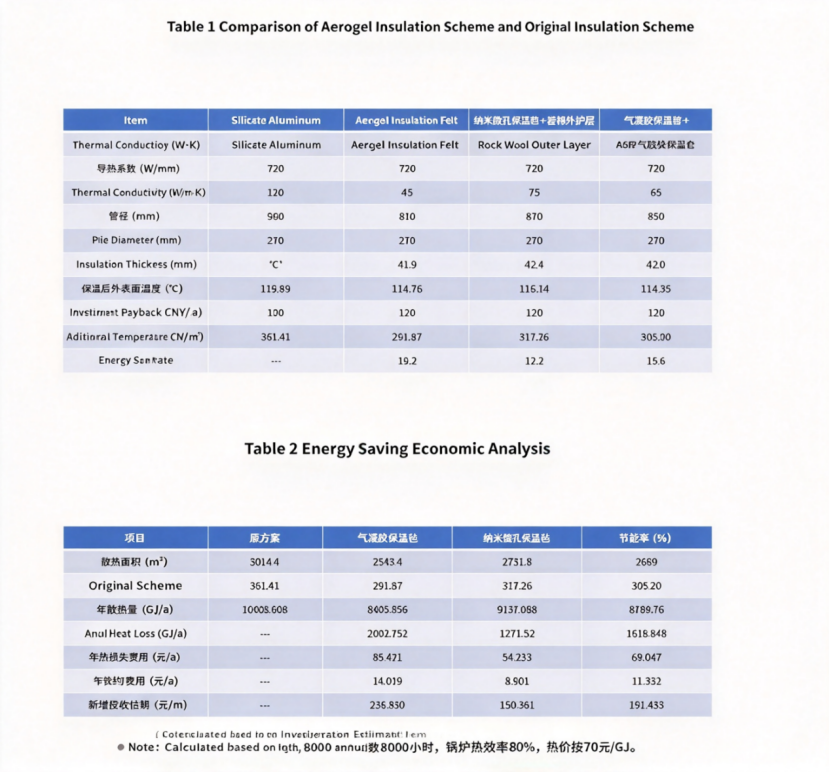
● Ultra-low thermal conductivity : 0.015-0.025 W/( m·K ), thermal insulation performance is 3-5 times that of traditional materials.
● Lightweight and high-strength : Density is as low as 3 kg/m³, thickness is only 1/5 of traditional materials, saving space.
● Resistant to extreme temperatures : Can withstand -200℃ to over 1000℃, suitable for complex working conditions.
● Chemical inertness : Anti-corrosion, non-flammable, ensuring long-term stability.
2. Core application scenarios and cases
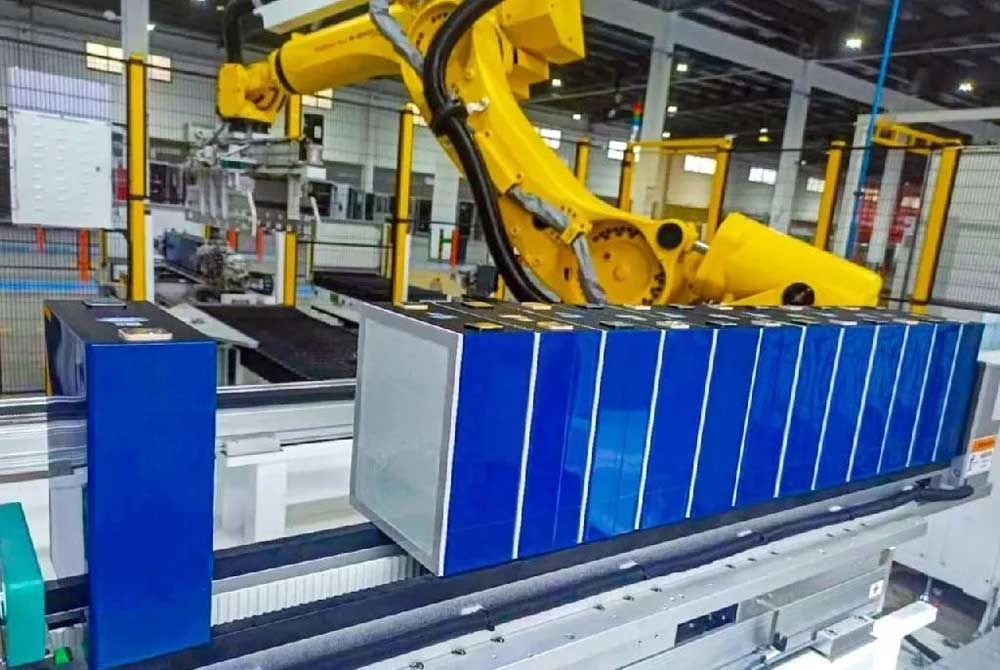
1.Li- ion Battery Thermal Management
oFunction : Suppress thermal runaway of the battery pack and balance the temperature distribution.
oCase : A new energy vehicle company uses aerogel interlayer in the solid-state battery pack launched in 2024. The thermal runaway trigger time is delayed by 40%, and the temperature difference of the battery pack is controlled within ±2°C.
2.Insulation of molten salt thermal storage system
oFunction : Reduce heat loss from high-temperature molten salt (565℃+) and improve the efficiency of solar thermal power stations.
oData : A 100MW solar thermal project in 2024 showed that the aerogel insulation layer extended the heat storage time by 15% and increased annual power generation by 8%.
3.Liquid hydrogen storage and transportation container insulation
oFunction : Block the loss of cold caused by ultra-low temperature of -253℃ and reduce the evaporation rate.
oProgress : In early 2025, a hydrogen energy company announced that the daily evaporation rate of aerogel composite storage tanks had dropped below 0.1%.
4.Power Equipment Protection
oApplication : Fireproof and heat-insulating layer of key equipment such as transformers and energy storage converters, UL94 V-0 certified.
3. Summary of Core Advantages
| Dimensions | Traditional materials (such as rock wool, foam) | Aerogel insulation sheet |
| Insulation efficiency | Low (multi-layer stacking required) | A single layer can meet the standard |
| Life Cycle | 3-5 years (prone to aging) | >10 years (no decay) |
| Security Level | Flammable/releases toxic gases | Class A fireproof, non-toxic |
| Comprehensive cost | Low initial cost, high maintenance cost | The whole life cycle cost is 30% lower than |
4. Future Trends and Challenges
● Cost reduction path : By 2025, large-scale production will reduce the price of aerogel to ¥200/m² (a 60% decrease from 2020).
● Technology iteration : Develop "aerogel + phase change material" intelligent composite structure to achieve dynamic thermal regulation.
● Policy- driven : Many countries have included aerogels in the mandatory list of safety standards for energy storage facilities (such as China's GB/T 39286-2025).
Conclusion
Aerogel insulation sheets are becoming the core solution for thermal safety and energy efficiency upgrades in the energy storage field , and are particularly irreplaceable in high-temperature/deep-cold energy storage scenarios. With the scale-up of the industry and technological breakthroughs in 2025, its application scope will further expand to cutting-edge fields such as hydrogen storage and transportation and nuclear energy.