








Aerogel Insulation Price Guide: A Complete Breakdown for Buyers
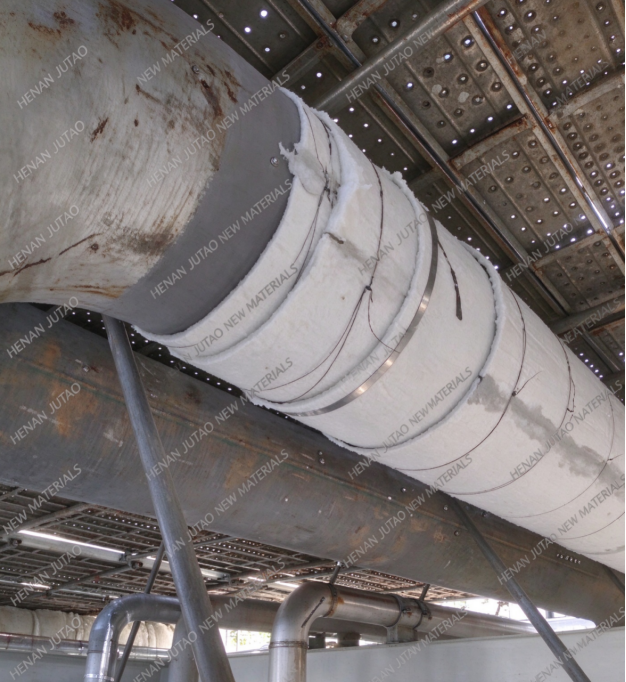
When evaluating high-performance thermal insulation materials, few options match the efficiency of aerogel. Whether you are specifying materials for industrial pipelines, building envelopes, or battery systems, understanding the aerogel insulation price structure is essential for project budgeting and material selection.
Unlike traditional insulation materials such as fiberglass or mineral wool, aerogel-based products—including aerogel blankets, composite panels, and vacuum insulation panels (VIPs)—offer superior thermal resistance with significantly thinner profiles. However, this performance comes at a different cost point. Below we provide a transparent, data-driven analysis of current pricing, influencing factors, and how to calculate return on investment.
What Determines the Aerogel Insulation Price?
Several technical and market factors directly impact the aerogel insulation price per square meter or per roll. Understanding these variables helps buyers avoid over-specifying or underestimating material costs.
Raw Material Type and Purity
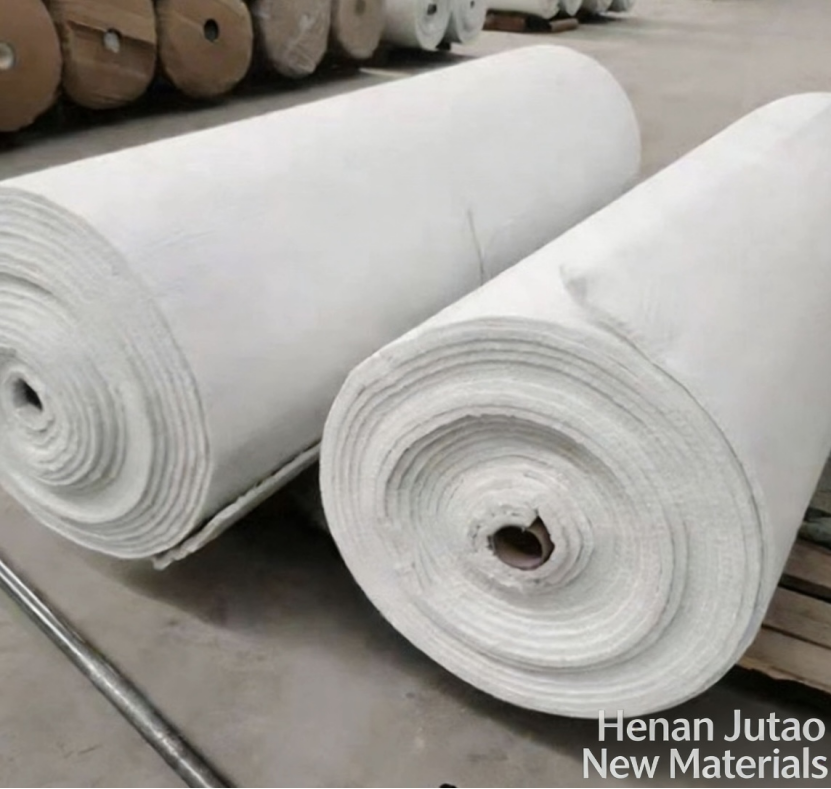
Aerogel insulation is typically produced using silica-based aerogel, though some specialty variants use organic or metal oxide aerogels. Silica aerogel blankets represent the majority of industrial and construction applications. Higher purity silica precursors and more sophisticated supercritical drying processes increase manufacturing costs, which subsequently raise the final aerogel insulation price. For most applications, standard silica aerogel provides an optimal balance of thermal performance (thermal conductivity <0.018 W/m·K) and cost.
Substrate or Reinforcement Material
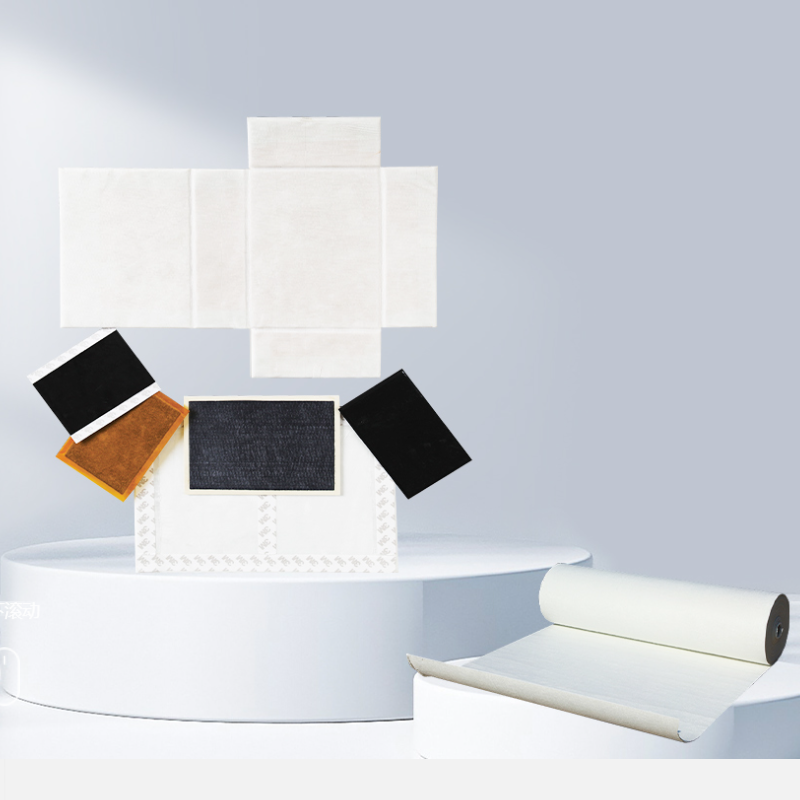
Aerogel alone is friable and fragile. Most commercial products reinforce the aerogel with a non-woven fiber batting or fiberglass matting. The type of fiber—polyester, glass fiber, or carbon fiber—influences both durability and price. For example, a low-dust aerogel blanket designed for cleanroom environments or battery applications undergoes additional processing to reduce particle shedding, which adds approximately 15-20% to the base aerogel insulation price.
Thickness and Density
Standard aerogel blanket thicknesses range from 3mm to 10mm, with some manufacturers offering custom thicknesses up to 20mm. Thicker blankets require more aerogel mass per square meter, increasing material costs linearly. Density also matters: typical aerogel blanket density is 150-200 kg/m³. Higher density products offer marginally better mechanical strength but at a higher aerogel insulation price per unit volume.
Fire Rating and Certifications
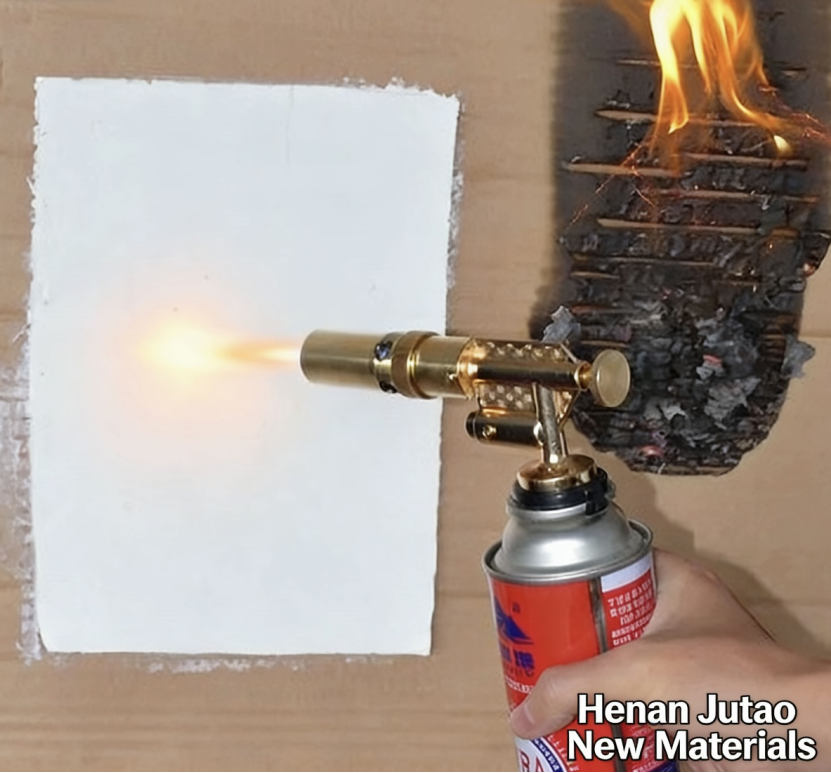
Many industrial and building codes require Class A fire-rated insulation. Aerogel blankets naturally achieve Class A fire ratings (ASTM E84) with low smoke development. However, third-party testing, certification labeling, and quality assurance documentation add minor overhead to the final product price. For applications requiring additional certifications—such as marine (IMO) or cleanroom (ISO 14644)—expect a premium of 5-10% over standard products.
Current Aerogel Insulation Price Ranges (2026 Estimates)
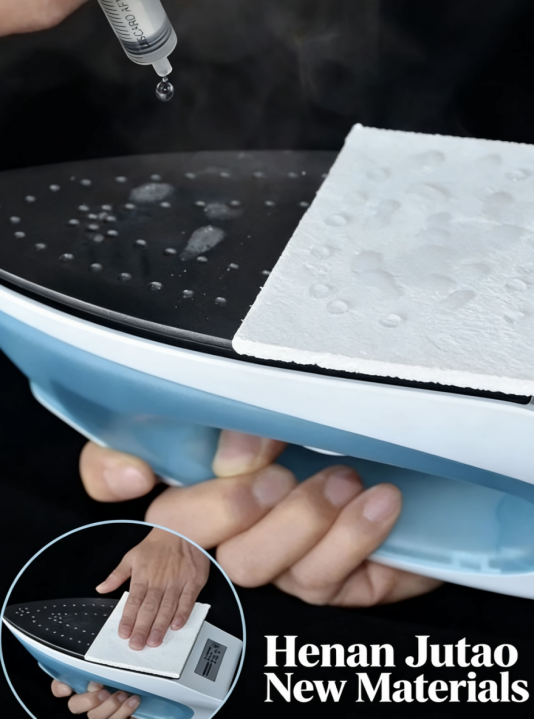
The following estimates reflect global market conditions for standard silica aerogel blankets intended for industrial, building, and appliance insulation. Actual prices vary by order volume, supplier, shipping terms, and regional tariffs.
| Product Type | Typical Thickness | Thermal Conductivity (W/m·K) | Estimated Price per m² (USD) | Typical Application |
|---|---|---|---|---|
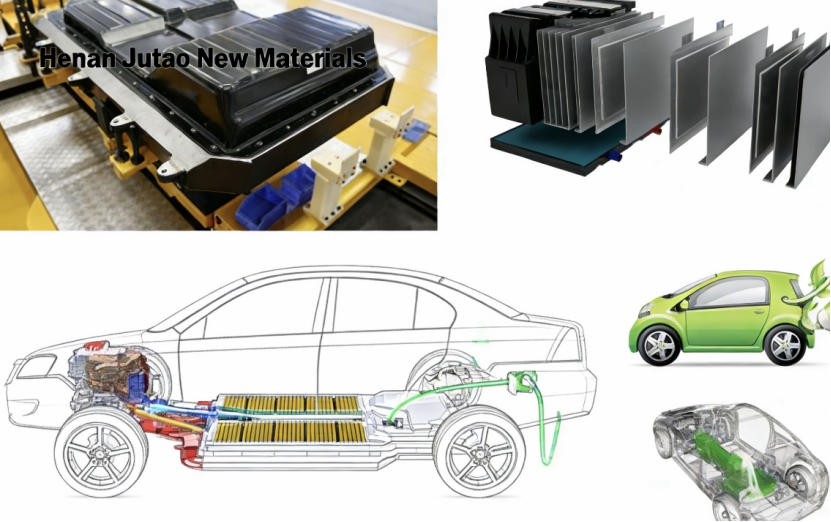
| Standard Aerogel Blanket | 3mm | <0.018 | $45 - $65 | Electronics, battery interlayers |
| Standard Aerogel Blanket | 5mm | <0.018 | $65 - $90 | Pipe wrap, building cavity |
| Standard Aerogel Blanket | 10mm | <0.018 | $110 - $150 | Industrial equipment, high-temp pipes |
| Low-Dust Aerogel Blanket | 5mm | <0.018 | $80 - $110 | Battery modules, clean manufacturing |
| Composite Aerogel Panel | 10mm | <0.016 | $130 - $180 | Building cladding, cold storage |
| Vacuum Insulation Panel (VIP) | 10-20mm | <0.005 | $25 - $45 each (typical size 300x300mm) | Refrigeration, shipping containers |
Note: Prices are indicative only. Vacuum insulation panels (VIPs) are often sold per piece rather than per square meter due to rigid dimensions. VIPs achieve the lowest thermal conductivity (<0.005 W/m·K) but are more fragile and cannot be cut on-site.
Vacuum Insulation Panel Price Considerations
Vacuum insulation panels (VIPs) represent a distinct category from aerogel blankets. While both offer high thermal resistance, VIPs achieve their performance through a rigid core (often fumed silica) evacuated to vacuum and sealed in a barrier envelope. The vacuum insulation panel price depends on panel dimensions, core material, and edge treatment.
Typical vacuum insulation panel price ranges:
-
Small panels (100x100mm to 300x300mm): $15 - $40 per panel
-
Medium panels (400x400mm to 600x600mm): $40 - $80 per panel
-
Large panels (800x800mm and above): $80 - $150 per panel
VIPs provide the highest R-value per thickness (R-20 to R-30 per inch), making them ideal for space-constrained applications such as refrigerator cabinets, freezer doors, and insulated shipping containers. However, VIPs cannot be cut or punctured in the field without losing vacuum integrity. For applications requiring on-site cutting or irregular shapes, aerogel blankets are more practical despite a higher per-unit thermal resistance cost.
How to Compare Aerogel Insulation Price vs. Total Installed Cost
Savvy procurement professionals look beyond the initial aerogel insulation price and evaluate total installed cost (TIC). Aerogel often reduces TIC in four ways:
-
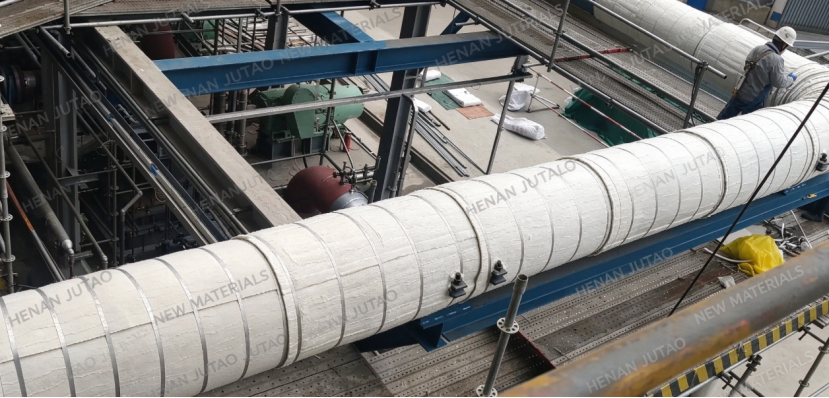
Lower thickness reduces shipping volume: A 10mm aerogel blanket can replace 40-60mm of mineral wool, reducing freight costs and warehouse storage requirements.
-
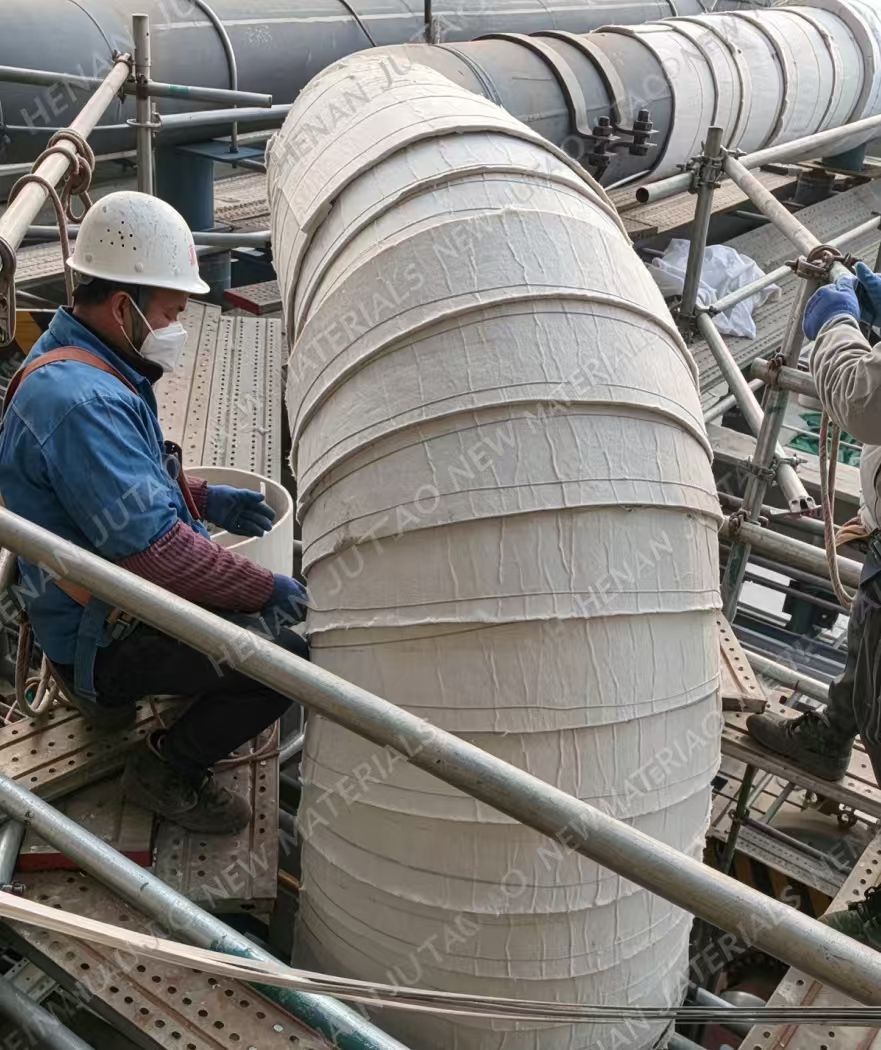
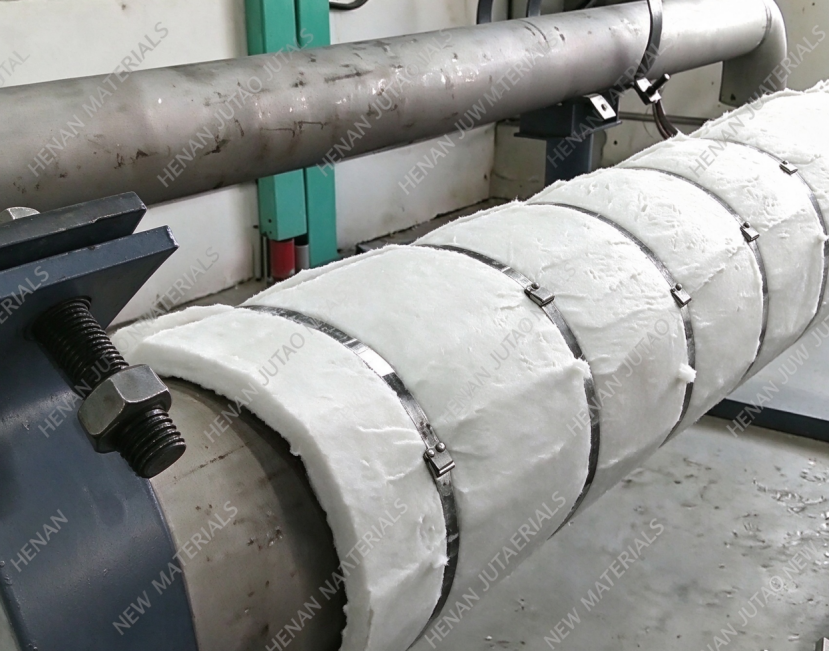
Faster installation: Aerogel blankets are lightweight (typically 0.3-0.5 kg/m² for 5mm thickness) and can be cut with scissors or utility knives. This reduces labor hours compared to cutting and fitting rigid foam or mineral wool boards.
-
Reduced structural support: Because aerogel is lighter and thinner, existing pipe hangers or building frames often require no modification. This avoids engineering redesign costs.
-
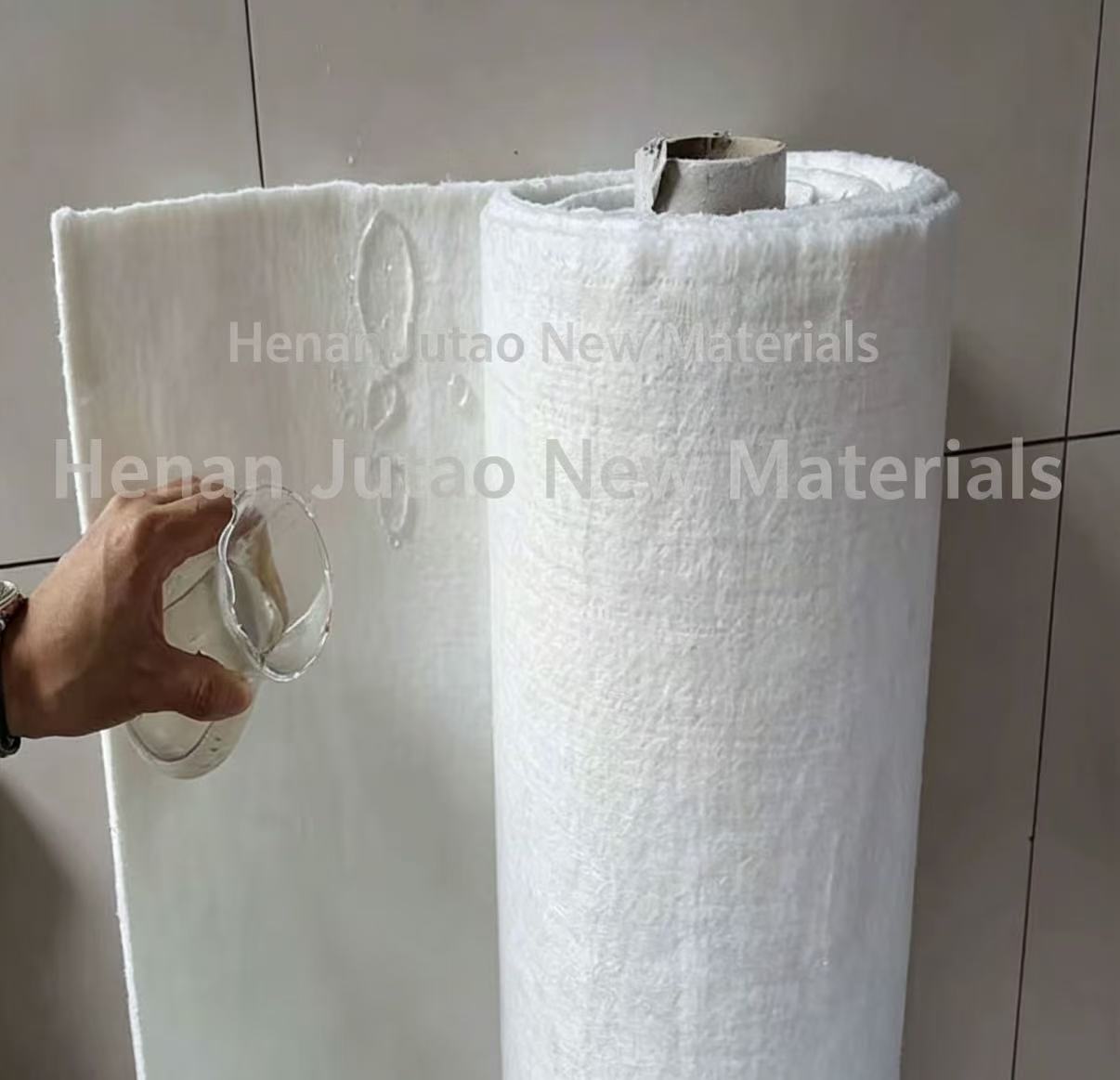
Longer service life: Aerogel does not absorb moisture, settle, or compact over time. Many manufacturers, including Jutao, offer service life estimates up to 60 years for VIPs and 20+ years for aerogel blankets in protected applications. Reduced replacement frequency lowers lifecycle cost.
When comparing quotes, request pricing in consistent units (USD per m² or per roll) and include delivery terms. Also confirm whether the aerogel insulation price includes edge sealing, adhesive backing, or protective facings—these options add value but increase unit cost.
Bulk Pricing and Volume Discounts
Most aerogel manufacturers, including Henan Jutao New Material Co., Ltd., offer tiered pricing based on annual volume or single-order quantity. Typical discount brackets:
-
Sample quantities (1-10 m²): List price + small order fee
-
Small projects (50-500 m²): 5-10% below list price
-
Medium projects (500-2,000 m²): 10-20% below list price
-
Large industrial orders (2,000+ m² per year): Negotiated pricing, often 20-30% below list
For OEM or ODM customers requiring custom thicknesses, widths, or facing materials, minimum order quantities (MOQs) typically start at 500-1,000 m². Custom products command a 10-15% premium over standard catalog items due to setup and changeover costs.
Where to Find Reliable Aerogel Insulation Price Quotes
To obtain accurate, current pricing for your specific application:
-
Contact manufacturers directly rather than distributors to avoid markups. Henan Jutao New Material Co., Ltd. provides direct support for technical specifications and volume pricing.
-
Provide detailed application requirements: operating temperature range, required thermal conductivity, thickness, width, fire rating, and any special handling needs (e.g., low dust for battery use).
-
Request pricing for both aerogel blankets and, if applicable, composite panels or VIPs to compare performance-per-dollar.
-
Ask for lead times and shipping costs to your region. Aerogel products are lightweight but bulky, so air freight may be economical for small volumes.
Frequently Asked Questions About Aerogel Insulation Price
Why is aerogel insulation more expensive than fiberglass?
Aerogel requires energy-intensive supercritical drying and high-purity precursors, whereas fiberglass is melted and spun from sand. The manufacturing complexity directly raises the aerogel insulation price, but the thermal performance per thickness is 5-10 times higher.
Can I cut aerogel blankets to size without losing performance?
Yes. Aerogel blankets can be cut with a sharp knife or scissors without compromising thermal performance along the cut edge. However, exposed edges may shed dust; for cleanroom applications, specify low-dust aerogel.
How does vacuum insulation panel price compare to aerogel blanket price per R-value?
VIPs typically offer a lower cost per R-value than aerogel blankets because the core material is less expensive fumed silica. However, VIPs cannot be cut, are puncture-sensitive, and lose performance if the vacuum seal fails. For applications where field cutting is required, aerogel blankets justify their higher per-R-value cost.
Does higher price always mean better quality?
Not necessarily. Focus on certified thermal conductivity (<0.018 W/m·K for blankets, <0.005 W/m·K for VIPs), fire rating (Class A), and manufacturer quality assurance. Low-dust and custom facing options add cost only if required for your application.
Summary: Balancing Aerogel Insulation Price with Project Needs
The aerogel insulation price reflects advanced material science and manufacturing precision. For buyers focused on lifecycle cost, space savings, and installation efficiency, aerogel often proves more economical than traditional insulation despite a higher upfront cost per square meter. Vacuum insulation panels offer the ultimate thermal resistance for flat, protected applications, while aerogel blankets provide flexibility and ease of installation for pipes, irregular surfaces, and high-temperature environments.
Request samples before bulk purchasing to verify mechanical handling, dust levels, and compatibility with your assembly process. A small upfront investment in testing prevents costly specification errors.