








Aerogel Format Selection for OEM and EPC Buyers: Blanket, Rigid Panel, Powder and Film Compared
The Enquiry That Started With the Wrong Product
An industrial equipment builder came to us last spring asking for a quote on aerogel blanket. Two drums of it, they said, for a skid-mounted drying unit. We asked what they were actually insulating. The answer was a flat heater plenum inside a sheet-metal cabinet with eleven millimetres of clearance to the nearest wiring loom. Blanket would have been the wrong purchase twice over: it would have needed compressing to fit, and compression is exactly what destroys the low thermal conductivity they were paying for. They were about to spend premium material money on a format that could not physically perform in the space they had. The correct answer was a thin rigid panel cut to size, and the installed cost was lower than the blanket they had asked for. Aerogel is sold in at least four commercial formats, and the format decision usually matters more to performance than the thickness number on the datasheet.
Start With the Geometry, Not the Conductivity
Every aerogel product on the market advertises a thermal conductivity figure in the same narrow band, which is why buyers default to comparing price per square metre and stop there. That comparison is only valid when the geometry suits. Those three answers eliminate most of the catalogue before a single price is discussed. A curved pipe run, a flat cabinet wall and a gap behind a battery module are three different purchasing decisions even though the base material is chemically identical.
Blanket: The Default for Piping and Irregular Steel
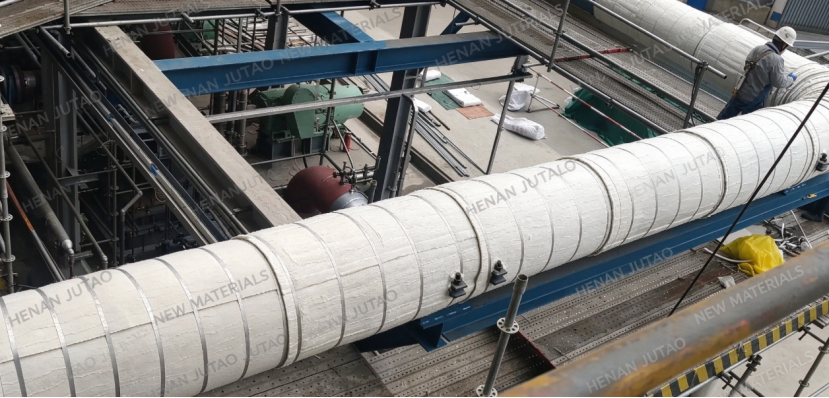
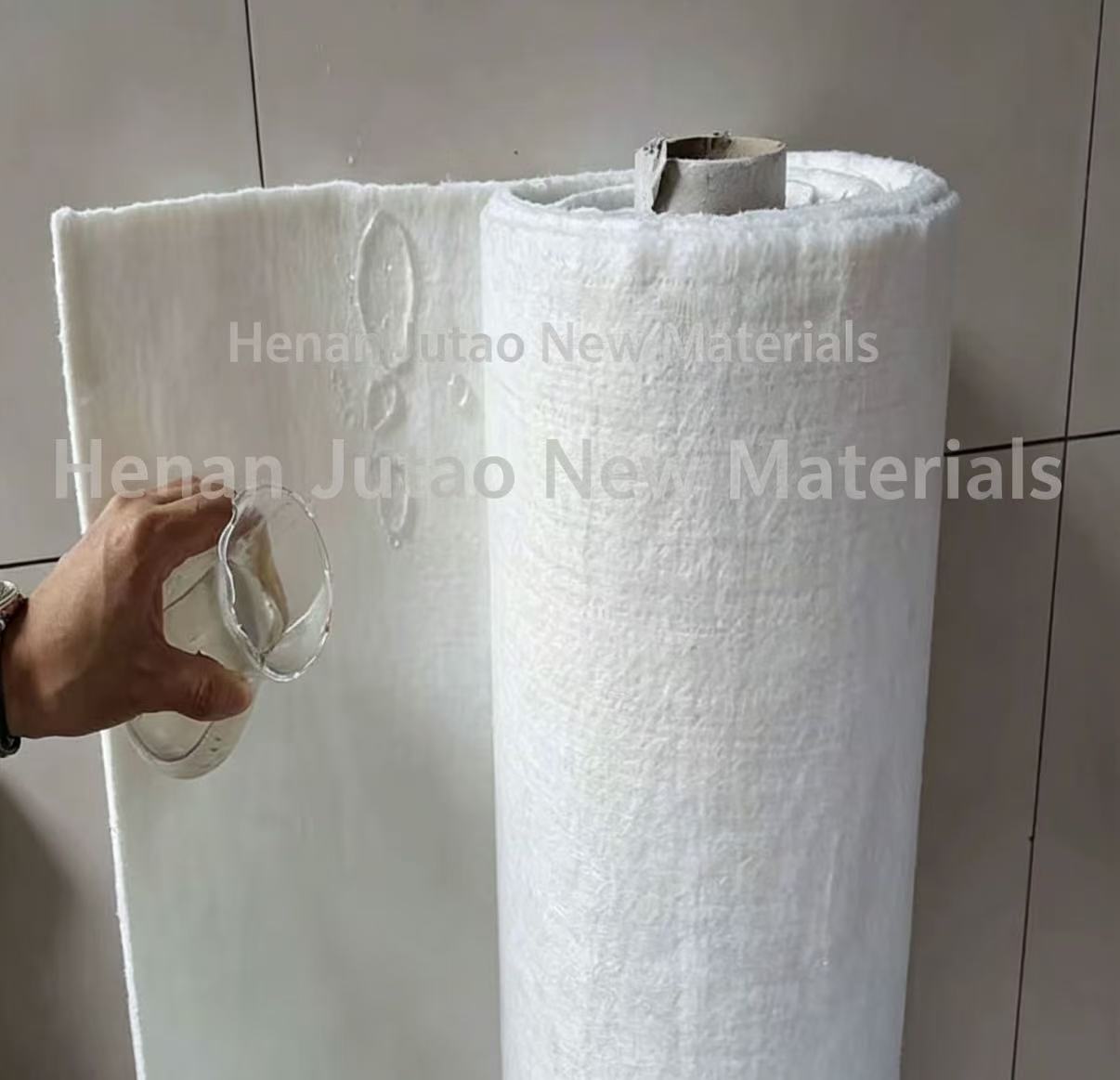
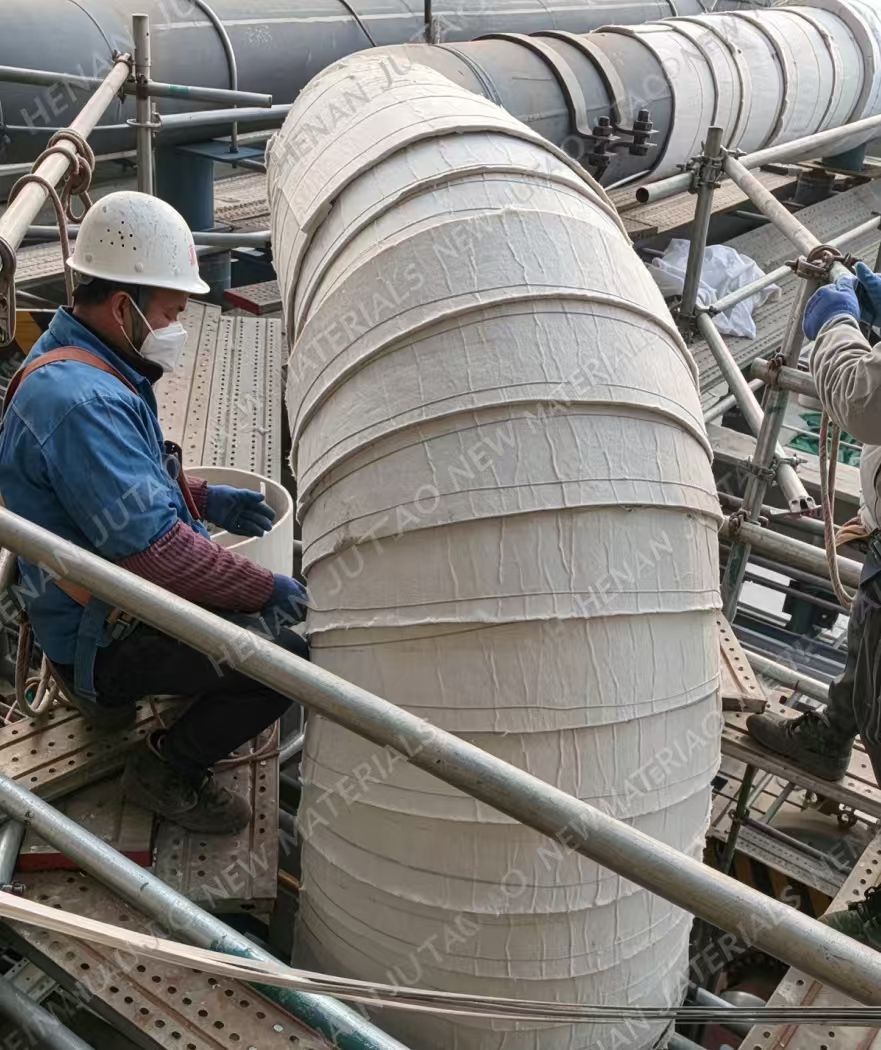
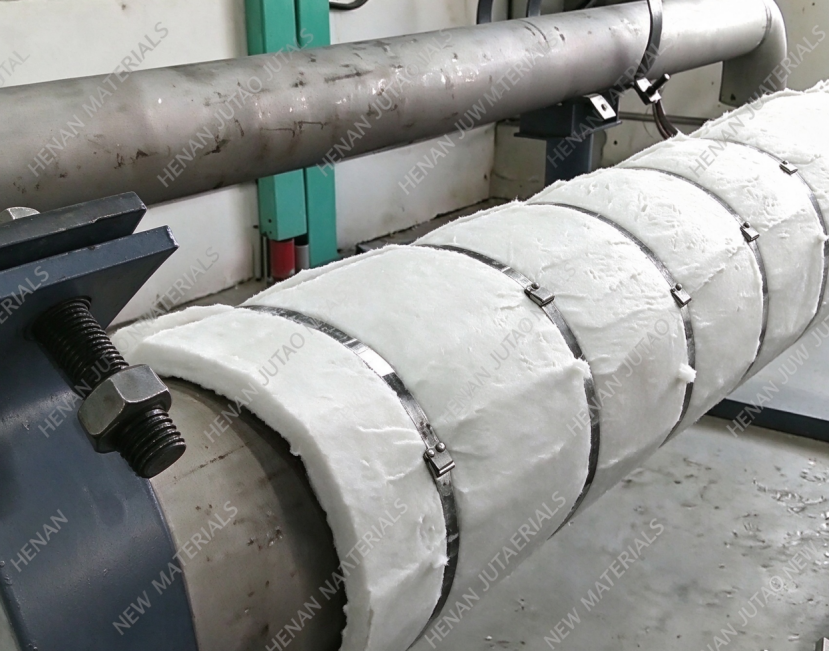
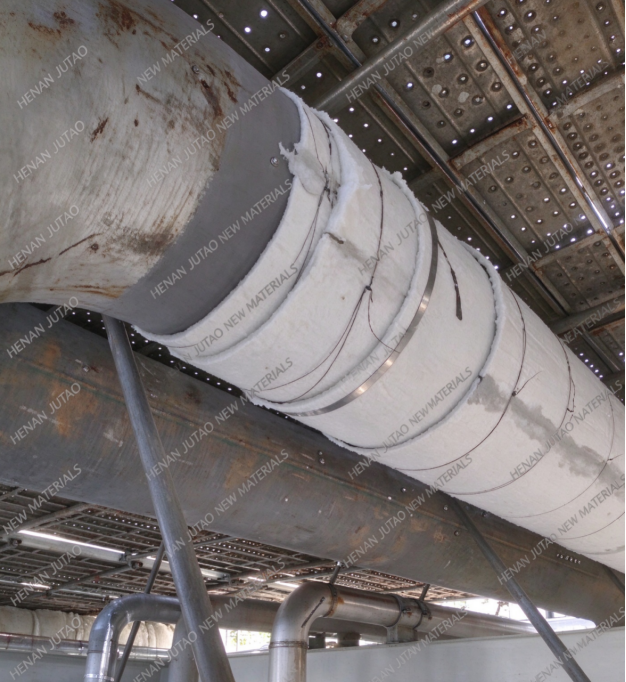
Flexible blanket remains the workhorse because it wraps. It conforms to pipe diameters, valve bodies, flanges and vessel heads without custom tooling, and it can be cut on site with a knife and a straightedge. For OEM buyers building equipment that ships to multiple sites, an OEM-cut blanket supplied to a repeatable kit of parts removes the cutting variation that otherwise shows up as inconsistent performance between units. Where a programme has a defined bill of materials and a stable drawing set, a dedicated OEM aerogel insulation blanket for thermal insulation cut to the equipment builder's own part numbers is usually cheaper per assembled unit than site-cut roll stock, once labour and offcut waste are counted.
Rigid Panel: When the Surface Is Flat and the Load Is Real
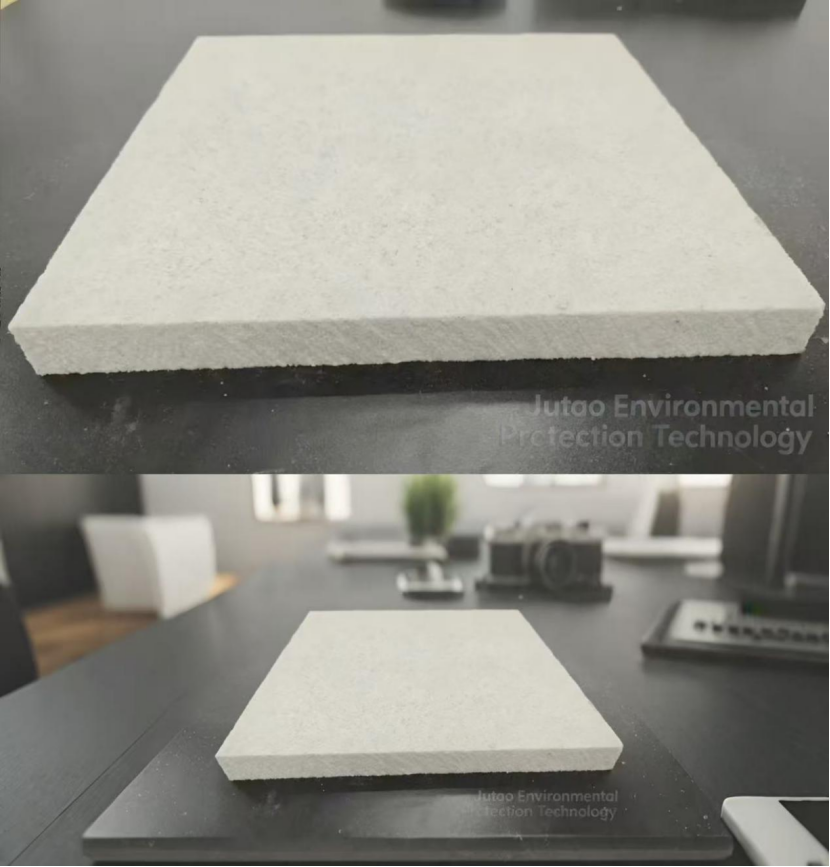
Rigid aerogel panels behave differently from blanket in three ways that matter on a project. They hold a precise thickness under clamping pressure, they can be machined or die-cut to tolerances blanket cannot hold, and they carry a compressive load without the thickness loss that quietly erodes performance. If your insulation layer sits under a clamp, a cover plate, a walkway or any assembly that applies steady pressure, flexible blanket will creep and you will lose millimetres of the insulation you specified. For high-temperature equipment housings, a glass-fibre reinforced board such as this aerogel insulation panel with glass fiber for high temperature applications gives a dimensionally stable layer that survives handling during assembly.
Structural Sandwich Panel: Insulation That Is Also a Part
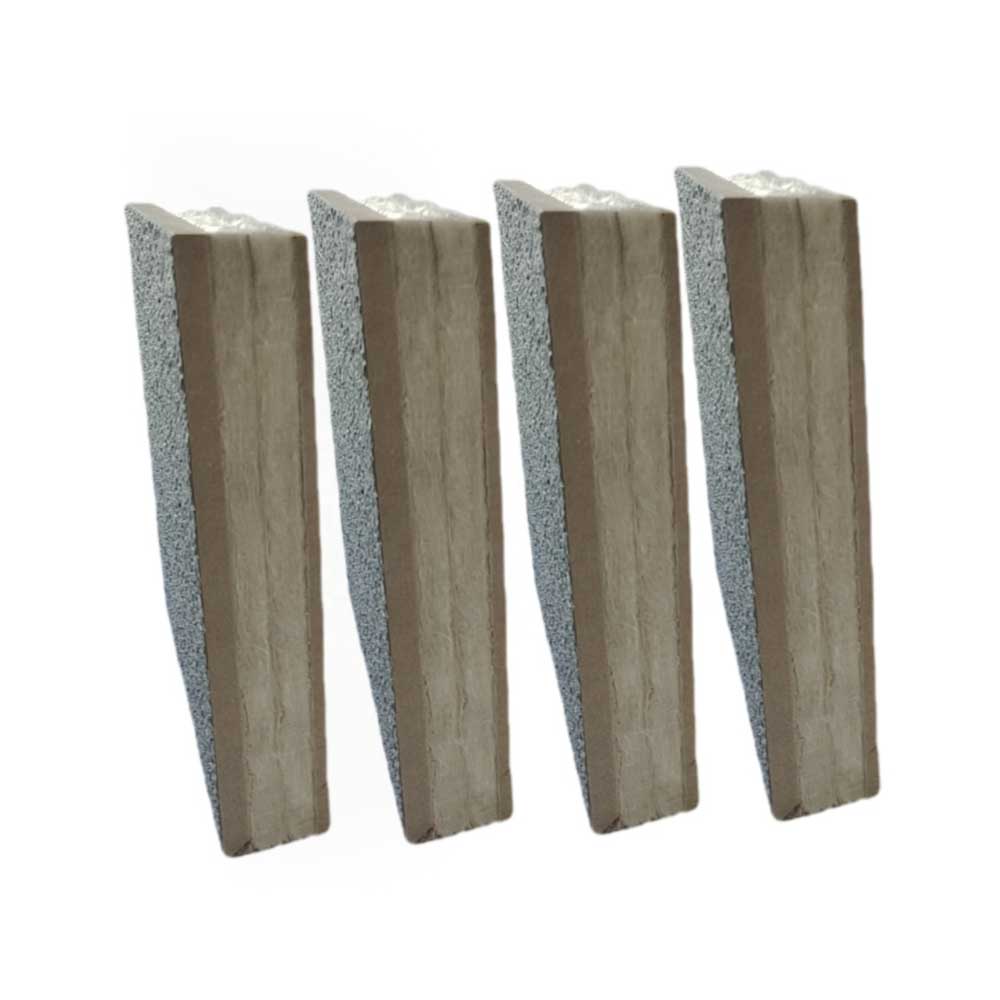
The third format is the one most buyers overlook, and it is the one that changes the economics. A structural sandwich panel is not a layer added to a machine; it is a load-bearing element that happens to insulate. Ask your engineering team a direct question: is anything in this assembly currently doing two jobs, structural support and thermal separation, with two separate parts? Where the answer is yes, a customised customized aerogel structural sandwich panel built to drawing consolidates both.
Film and Powder: The Two Formats for Tight and Awkward Spaces
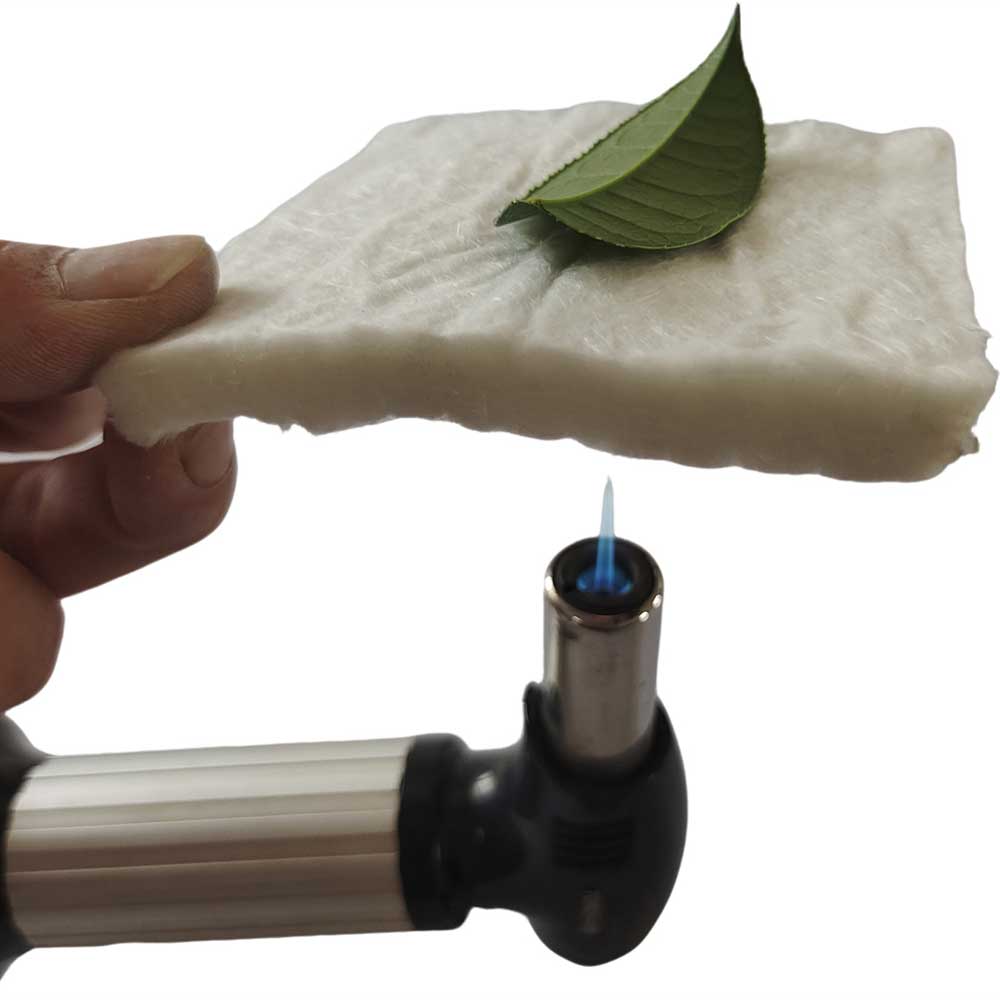
Electronics, battery packs and compact consumer appliances have a different problem entirely. There is no room for a blanket and no structure to attach a panel to. Thin aerogel film answers the first case: it goes where a gap is measured in single millimetres and where a thermal barrier has to sit directly against a heat-sensitive component. Specify film by target temperature at the protected component, not by conductivity alone, because the useful number is the temperature drop achieved in your actual stack-up. A single sided aerogel thermal insulation film for electronic products is the format to request when the assembly is too tight for anything else.
Powder and granulate answers the second case: voids, irregular cavities, and filled compounds. Loose fill goes where no flat product can, and it is also the feedstock for coatings and masterbatch. The trap with powder is assuming it performs like the solid form. Loose-filled aerogel has a different effective conductivity because of the air between particles and the packing density you achieve on the line, so validate the filled assembly, not the material certificate. Where you are filling cavities or blending into a compound, start from silica aerogel powders and granules and test at your real fill density.
A Short Format Selection Checklist
Use this sequence before every enquiry. Six, only then compare price per square metre across the formats that survived steps one to five. Buyers who skip to step six buy the wrong product at a good price, which is the most expensive outcome available.
What to Ask the Supplier Before Signing
Three documents settle most format disputes before production. Ask for compressive behaviour at your actual clamping load, dimensional tolerance on cut parts, and a thermal test performed on the assembled stack-up rather than on the raw material. A supplier who can only quote the raw material figure is selling you a commodity, not a solution. If a quote is dramatically cheaper than the others, check which format it assumes, because a blanket price against a panel requirement is not a discount, it is a different product.
The Conclusion Worth Acting On
Aerogel selection is a geometry problem wearing the costume of a materials problem. Pick the format first, then the thickness, then the supplier. Equipment builders who standardise on a single format across a product family buy less material, hold fewer part numbers and commission faster than those who buy blanket for everything. The material is expensive enough that getting the format wrong costs real money, and cheap enough relative to total assembly cost that getting it right is one of the easier wins available to an OEM thermal spec.